
 Save
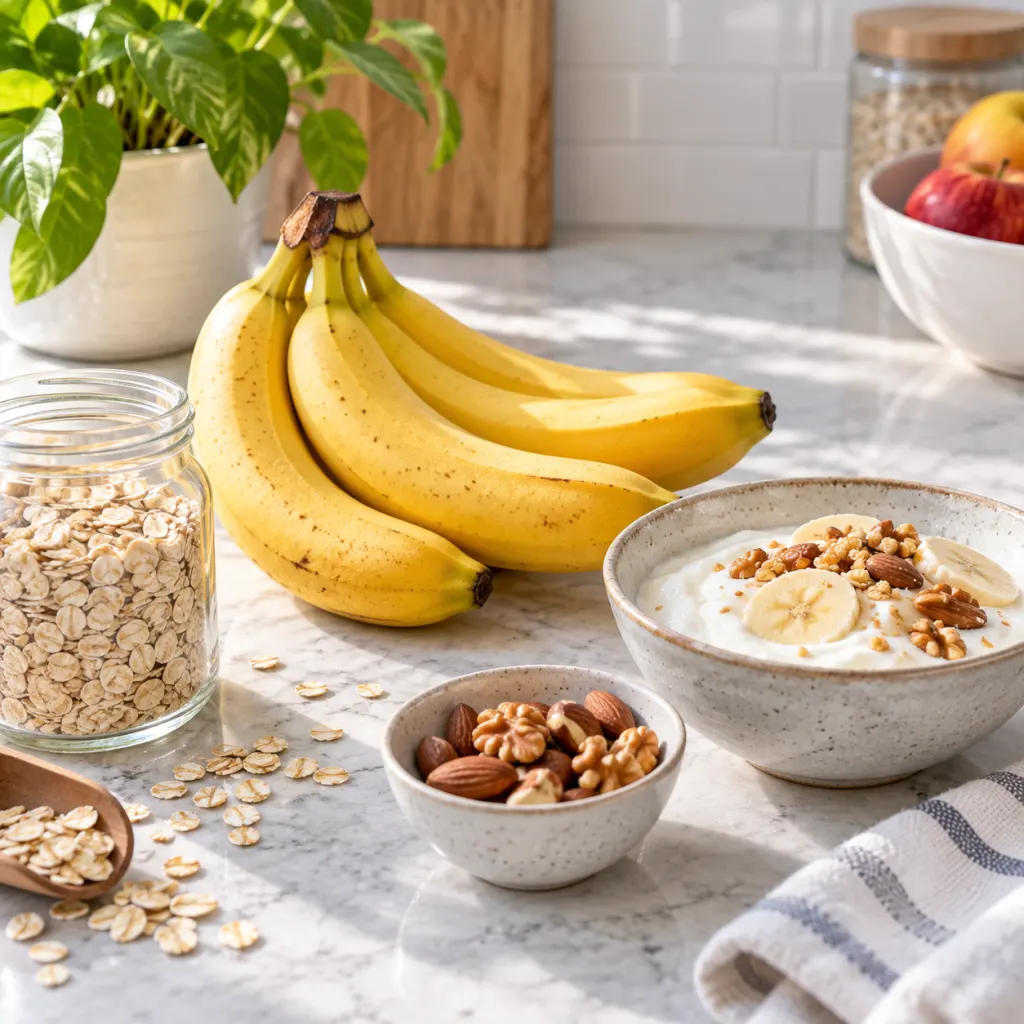
Eating bananas mostly increases your intake of carbohydrate, potassium, vitamin B6, fiber, and whole-fruit volume. It does not create a guaranteed change in mood, training results, or body composition by itself. A banana is useful because it is portable, naturally sweet, low in sodium, and easy to pair with foods that add protein or fat. For most people, the better question is not whether bananas are unusually powerful; it is how they fit into the rest of the day.
The Short Answer
A medium banana is best understood as a convenient whole fruit. Harvard T.H. Chan School of Public Health describes one medium ripe banana as providing about 110 calories, 28 grams of carbohydrate, 15 grams of naturally occurring sugar, 3 grams of fiber, and 450 milligrams of potassium https://nutritionsource.hsph.harvard.edu/food-features/bananas/. NIH’s potassium fact sheet lists a medium banana at 422 milligrams of potassium, or 9% of the Daily Value https://ods.od.nih.gov/factsheets/Potassium-HealthProfessional/. Exact numbers vary with size and ripeness, but the theme is consistent: bananas are mainly a carbohydrate-rich fruit with useful amounts of potassium and vitamin B6.
What a Banana Actually Provides
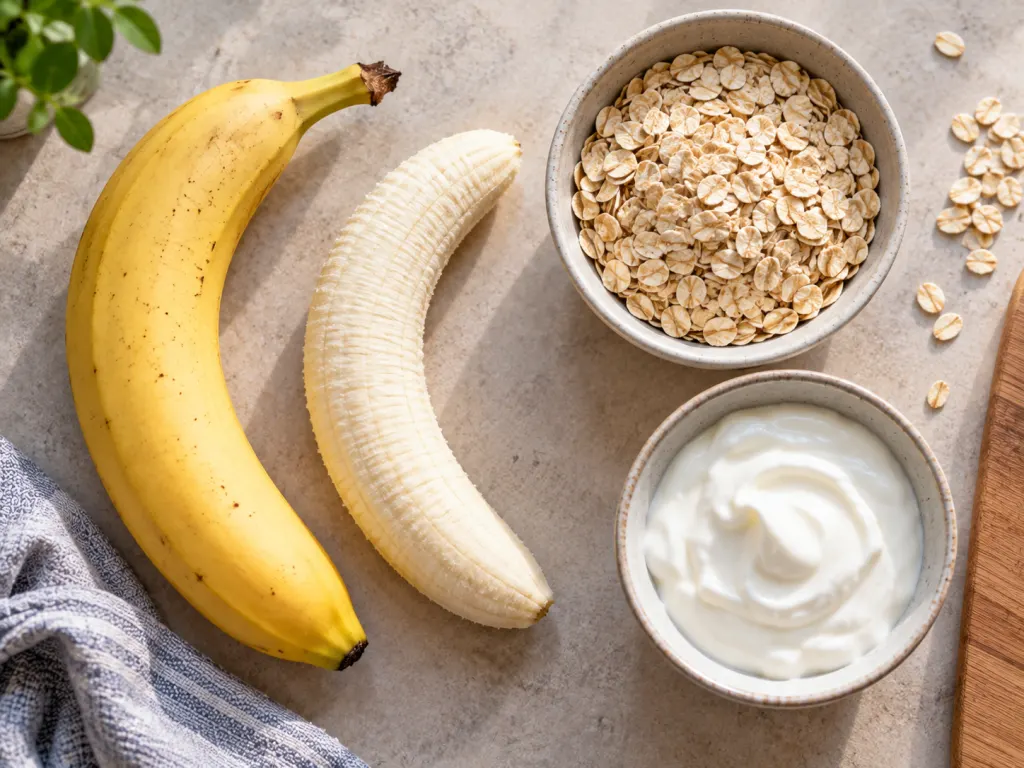
The nutrition profile is modest and useful rather than dramatic. Bananas contain water, carbohydrate, fiber, small amounts of protein, very little fat, and several micronutrients. The FDA’s Daily Value reference guide lists 28 grams as the Daily Value for dietary fiber, 4,700 milligrams for potassium, and 1.7 milligrams for vitamin B6 https://www.fda.gov/food/nutrition-facts-label/daily-value-nutrition-and-supplement-facts-labels. Against that frame, one banana contributes meaningfully to the day, but it does not supply everything. It works best alongside other fruits, vegetables, grains, beans, dairy foods, nuts, seeds, eggs, fish, or other foods that fill different nutrient roles.
Bananas also contain naturally occurring sugars. That phrase matters. MedlinePlus explains that sugars can be naturally present in fruits, vegetables, and milk, while added sugars are put into foods during processing or preparation https://www.medlineplus.gov/carbohydrates.html. A banana’s sweetness comes packaged with water, fiber, and micronutrients. That is different from sweetened drinks or candy, where sugar often arrives with fewer useful accompanying nutrients. Still, portion size and overall meal balance matter, especially for people who track carbohydrate intake for personal health reasons.
Why Potassium Gets So Much Attention
Potassium is an essential mineral and electrolyte. NIH explains that it supports normal cell function and is involved in nerve transmission, muscle contraction, and kidney function https://ods.od.nih.gov/factsheets/Potassium-HealthProfessional/. Bananas are widely known for potassium, but they are not the only source. Potatoes, beans, lentils, squash, dried fruits, milk, yogurt, spinach, and several other foods can contribute as much or more per serving. The practical takeaway is not that you need bananas specifically; it is that fruits and vegetables can help bring potassium into everyday meals.
For healthy adults with normal potassium handling, a banana is simply a normal food source of the mineral. People who have been given a potassium limit, use potassium-containing salt substitutes, or have medical instructions about kidney function should follow individualized guidance rather than using a general article to make decisions. NIH notes that potassium recommendations do not apply the same way to people with impaired potassium excretion or certain medication situations https://ods.od.nih.gov/factsheets/Potassium-HealthProfessional/.
- For a quick snack: a banana offers portable carbohydrate and natural sweetness.
- For a steadier meal: pair it with yogurt, peanut butter, nuts, oats, cottage cheese, or eggs.
- For baking: mashed ripe banana can add sweetness and moisture to muffins, pancakes, or quick breads.
- For variety: rotate bananas with berries, apples, oranges, melon, pears, and seasonal fruit.
Carbohydrate, Fiber, and Fullness
Bananas are often described as an energy food because carbohydrate is their main calorie source. MedlinePlus explains that the body breaks carbohydrates into glucose, which cells can use right away or store for later use https://www.medlineplus.gov/carbohydrates.html. That does not mean bananas are special fuel; it means they are one common carbohydrate-containing food. The effect of a banana depends on timing, portion size, and what else is eaten with it. A banana alone may feel light. A banana with Greek yogurt or nut butter may feel more filling because the meal includes more protein or fat.
Fiber changes the picture. MedlinePlus describes dietary fiber as a plant carbohydrate that the body does not fully break down, and notes that good sources include fruits, vegetables, nuts, seeds, and whole grains https://medlineplus.gov/dietaryfiber.html. Bananas are not the highest-fiber fruit, but they contribute. This is one reason whole bananas are usually more satisfying than banana-flavored sweets or fruit drinks. CDC also advises choosing whole fruits over fruit juices because whole fruits contain fiber that helps with fullness https://www.cdc.gov/healthy-weight-growth/healthy-eating/fruits-vegetables.html.
Ripeness Changes Flavor and Texture
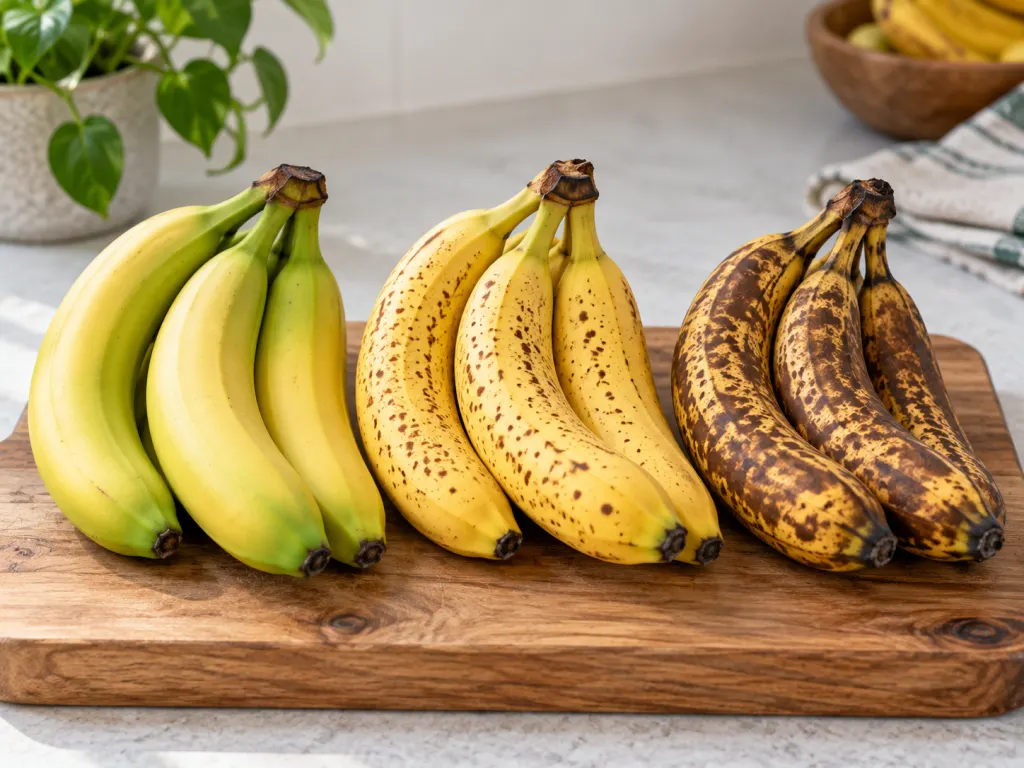
A greenish banana is firmer, less sweet, and starchier. A speckled yellow banana is softer and sweeter. Harvard’s banana guide explains that the ripening process changes the peel and flesh, and that less-ripe bananas contain more resistant starch while ripe bananas taste sweeter https://nutritionsource.hsph.harvard.edu/food-features/bananas/. This is why different bananas suit different uses. Firmer bananas slice neatly over oatmeal or toast. Softer bananas mash smoothly into batter or blend easily into smoothies.
If you want a less-sweet texture, buy bananas slightly green and use them within a few days. If you want a sweeter baking ingredient, let the peel become deeply speckled before mashing. Very ripe peeled bananas can be frozen in chunks for smoothies or baking. Storage is mostly about slowing or speeding ripening: keep bananas at room temperature, separate them from other ripe fruit if they are softening too quickly, or refrigerate ripe bananas if you want to preserve the flesh for a little longer.
What About Mood, Exercise, and Digestion Claims?
Bananas contain vitamin B6, and NIH notes that vitamin B6 is involved in more than 100 enzyme reactions related to metabolism https://ods.od.nih.gov/factsheets/VitaminB6-Consumer/. That is a nutrient-function statement, not a promise that one banana will noticeably change mood. Bananas also contain carbohydrate, which can be useful around activity, but exercise performance depends on training, sleep, hydration, total food intake, and the type and duration of activity. For casual movement, a banana is simply a practical snack. For long events or structured training, individual fueling needs are more specific.
Digestion claims also deserve a careful tone. Bananas contain fiber, and whole fruits can support a higher-fiber eating pattern. At the same time, people respond differently to ripeness, portion size, and the rest of the meal. Some prefer ripe bananas because they are soft and easy to eat. Others prefer a firmer banana because it tastes less sweet. If a food repeatedly leaves you uncomfortable, the useful answer is to adjust the amount, timing, or pairing rather than force it because a headline made it sound universally beneficial.
How to Use Bananas Without Overstating Them
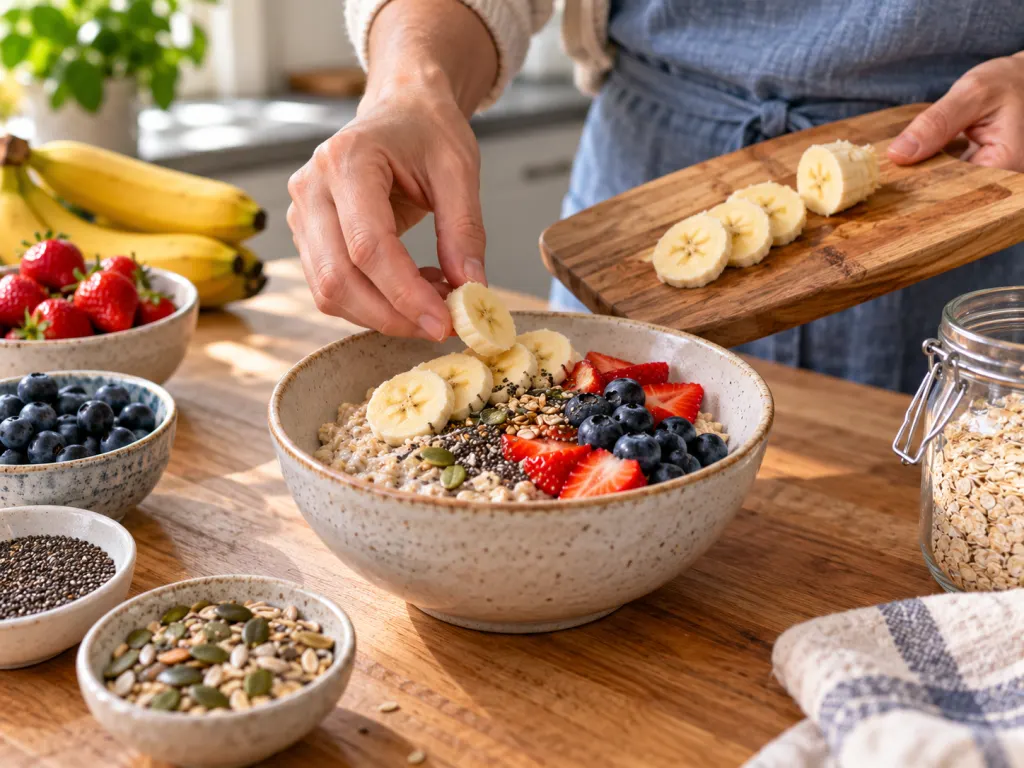
Bananas are at their best when they make a better choice easier. Slice one over plain oatmeal instead of using a heavily sweetened packet. Blend half a banana into a smoothie with unsweetened yogurt and berries. Mash a ripe banana into pancake batter so you can use less added sugar. Pack one with nuts for a snack that travels well. These uses do not require treating bananas as extraordinary. They simply use a familiar fruit to add sweetness, texture, and nutrients in a practical way.
The CDC notes that vegetables and fruits provide vitamins, minerals, fiber, and other substances important for good health, and suggests using fruit at meals and snacks in place of more calorie-dense options https://www.cdc.gov/healthy-weight-growth/healthy-eating/fruits-vegetables.html. That is the most reasonable framing for bananas. They can help you eat more whole fruit. They can make breakfast easier. They can satisfy a sweet craving with a food that still brings fiber and micronutrients. They do not need a dramatic claim to be worthwhile.
Who Should Be More Deliberate
Most people can treat bananas like any other fruit and pay attention to appetite, preference, and overall pattern. Some people need more deliberate planning. If you count carbohydrates, a banana belongs in that count. If you have been given a potassium limit, ask how bananas fit your personal plan. If you are feeding small children, serve banana in an age-appropriate texture and portion. If bananas crowd out a wider range of fruits and vegetables, rotate them rather than eating the same fruit every day by habit.
A Balanced Answer
So, did you know that eating bananas increases something? Yes: it increases your intake of several ordinary but useful nutrients, especially carbohydrate, potassium, vitamin B6, and fiber. The accurate story is not a secret effect; it is a food-pattern story. A banana is affordable, portable, easy to chew, easy to cook with, and widely available. It can be a smart snack, a useful breakfast topping, or a gentle sweetener in home baking. It becomes most valuable when it helps you build meals that are varied, satisfying, and realistic for your day.
Wrap-Up
Bananas are useful because they add whole-fruit carbohydrate, potassium, vitamin B6, fiber, and natural sweetness in an easy package. They are not a shortcut to a guaranteed health outcome, and they do not need exaggerated claims. Choose ripeness by use, pair bananas with protein or fat when you want a more filling snack, and rotate them with other fruits for variety.
Frequently Asked Questions
- → Do bananas give you energy?
Bananas provide carbohydrate, and carbohydrate is one of the body’s main energy sources. How noticeable that feels depends on what else you eat, your activity, and your overall food pattern.
- → Are ripe bananas less nutritious than green bananas?
They are different in texture and carbohydrate form, not simply better or worse. Greenish bananas are firmer and starchier, while ripe bananas are softer and sweeter. Choose based on how you plan to eat them.
- → Is a banana a good snack by itself?
It can be. If you want something more filling, pair it with yogurt, nuts, peanut butter, cottage cheese, or another protein-containing food.
- → Do bananas have too much sugar?
Bananas contain naturally occurring sugars along with water, fiber, and micronutrients. The right portion depends on the person, but for many people a whole banana can fit comfortably within a varied eating pattern.
- → How many bananas should someone eat in a day?
There is no single number that fits everyone. A practical approach is to treat bananas as one fruit choice and rotate them with other fruits and vegetables for variety.
References
This content was developed and refined using reliable sources.
- https://nutritionsource.hsph.harvard.edu/food-features/bananas
- https://ods.od.nih.gov/factsheets/Potassium-HealthProfessional
- https://medlineplus.gov/dietaryfiber.html
- https://www.medlineplus.gov/carbohydrates.html
- https://ods.od.nih.gov/factsheets/VitaminB6-Consumer
- https://www.fda.gov/food/nutrition-facts-label/daily-value-nutrition-and-supplement-facts-labels
- https://www.cdc.gov/healthy-weight-growth/healthy-eating/fruits-vegetables.html