
 Save
Save
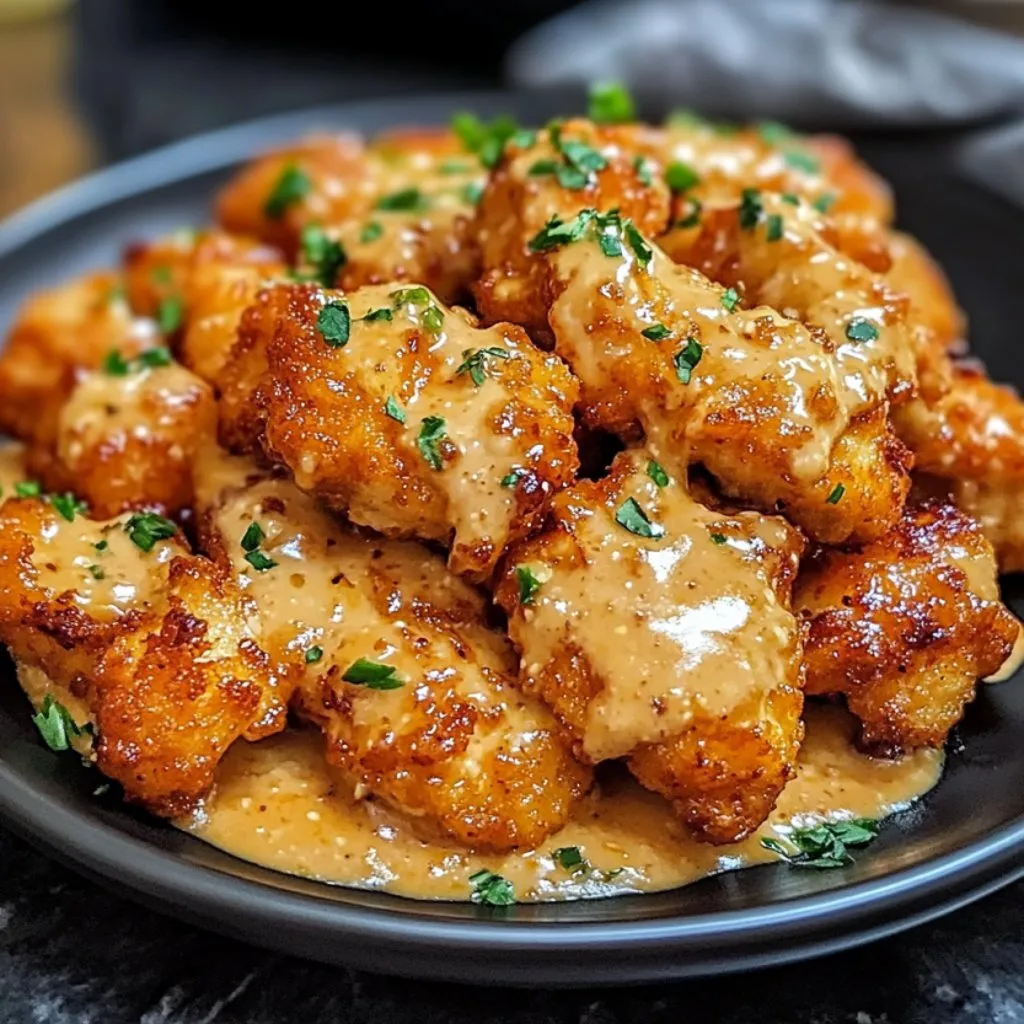
This bang bang chicken recipe gives you a fantastic way to enjoy crispy, juicy chicken bites coated in a sensational sweet and spicy sauce. Twice-fried for maximum crunch, this Americanized take on a popular Sichuan dish is perfect for dinner parties or a comforting weeknight treat. The balance of creamy mayo, honey, chili sauce, and Korean gochujang brings a bold flavor that outshines most restaurant versions.
I first made this dish on a weekend when guests arrived unexpectedly and it quickly became a favorite that everyone asks me to make again. The double frying trick really locked in the crunch and texture for me.
Ingredients
- One third cup milk: tenderize and help the egg coat the chicken naturally
- One large egg: binding the coating mixture to the chicken cubes
- One pound boneless skinless chicken breasts: cut into bite-sized pieces for even cooking
- Quarter cup potato starch: known for a silky texture and neutral flavor versus cornstarch
- Quarter cup all-purpose flour: create a sturdy crispy crust
- Half teaspoon salt: enhance all the flavors in the coating and sauce
- Quarter teaspoon ground black pepper: adds gentle heat and complexity
- Quarter teaspoon shichimi togarashi: a Japanese red pepper blend that contributes subtle spiciness and aroma
- Two cups oil: suitable for deep frying like vegetable or canola oil to achieve the perfect frying temperature
- Quarter cup mayonnaise: forms a creamy base for the distinctive sweet-spicy bang bang sauce
- Two tablespoons honey: balances the heat with natural sweetness
- Two tablespoons sweet chili sauce: adds a sticky tangy kick
- One teaspoon gochujang: a Korean fermented chili paste for deep umami heat
Step-by-Step Instructions
- Sauté the Aromatics:
- Whisk milk and egg together in a large bowl until the mixture is smooth and well combined. Add the cubed chicken and stir so each piece is coated. Let the chicken marinate here for 15 minutes, which helps tenderize the meat and ensures the coating sticks well. After marinating, drain the chicken pieces and discard the excess liquid to prevent soggy batter.
- Prepare the Coating:
- Mix potato starch, all-purpose flour, salt, black pepper, and shichimi togarashi together in a separate medium bowl. Pour the mixture into a large resealable plastic bag. Add the chicken pieces and seal the bag tightly. Shake vigorously so every chicken cube is evenly coated with the starch and flour mixture, which is the key to achieving that irresistible crunch.
- First Frying:
- Heat oil in a deep saucepan to 325 degrees Fahrenheit or about 165 degrees Celsius. To avoid overcrowding, carefully add about 5 to 8 chicken pieces at a time. Fry them for 90 seconds until the coating firms up but is not fully cooked through. Remove each batch using a slotted spoon or spider strainer and place on paper towels to drain excess oil. Keep each batch separated to avoid clumping.
- Second Frying:
- Increase the oil temperature to about 350 degrees Fahrenheit or 175 degrees Celsius. When the oil is hot and boiling steadily, carefully reintroduce the first batch of chicken back into the oil. Fry for another 90 seconds to develop a golden crispy crust. Remove and drain again on fresh paper towels. Repeat this process with the remaining batches.
- Make the Bang Bang Sauce:
- In a large serving bowl combine mayonnaise, honey, sweet chili sauce, and gochujang. Mix thoroughly until the sauce is smooth and creamy with a perfect balance of sweet heat.
- Toss and Serve:
- Add all the fried chicken pieces to the bowl with the sauce. Toss gently but thoroughly until every piece is coated evenly. Serve immediately for the best crispy texture and flavor impact.
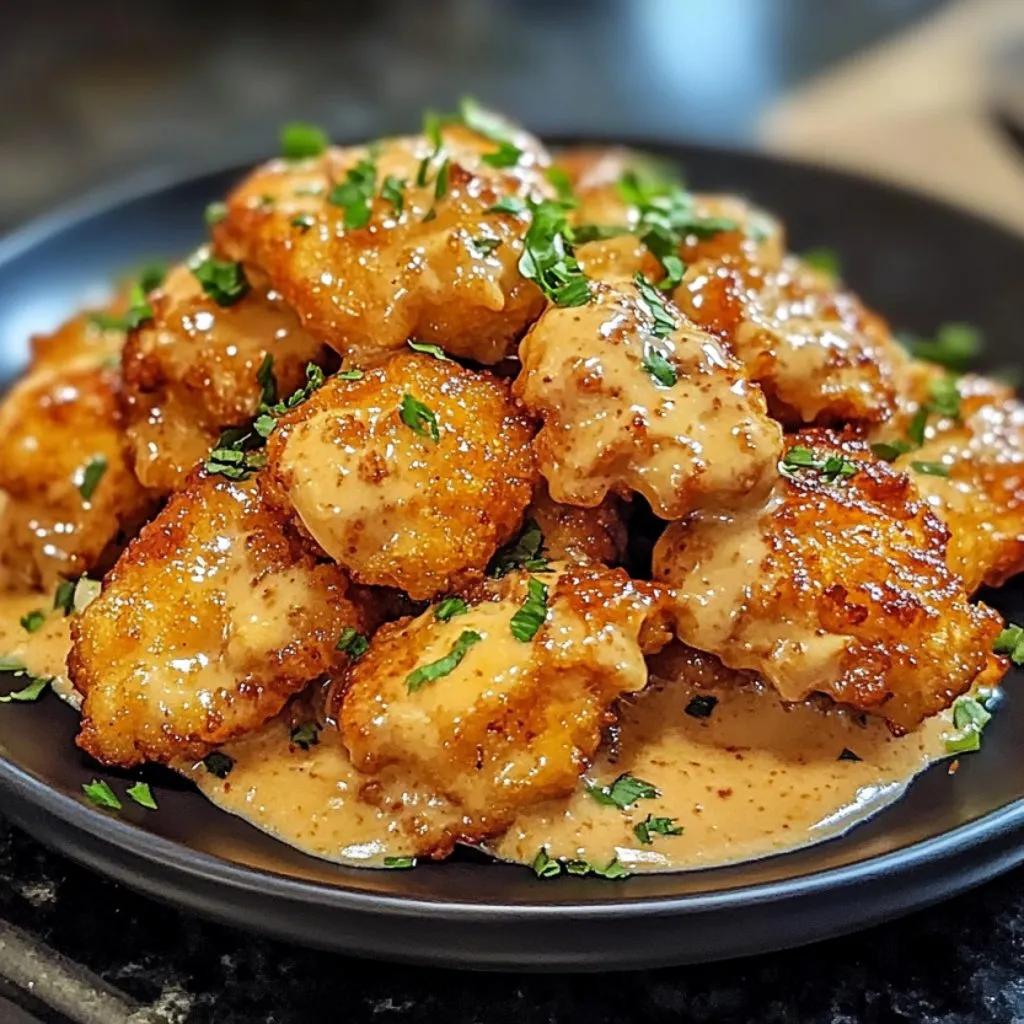
My favorite part is the sauce because it is simple to put together but packed with complex flavors from sweet, tangy, creamy, and spicy notes. I remember one evening sharing this dish with close friends and how everyone kept reaching back for more bites as the conversation went late into the night.
Storage Tips
If you have leftovers, store the chicken and sauce separately in airtight containers to keep the coating crisp. Reheat the chicken in a hot oven or air fryer rather than a microwave to revive the texture without sogginess. The sauce can be stored in the fridge for up to three days.
Ingredient Substitutions
If you do not have potato starch substitute cornstarch but note the coating will be slightly less silky. If shichimi togarashi is not available use cayenne pepper or crushed red pepper flakes for heat. You can swap gochujang with any good-quality hot sauce, but the flavor profile will shift from fermented richness to straightforward chili heat.
Serving Suggestions
Serve bang bang chicken over steamed jasmine rice or alongside a crisp green salad to balance the richness. Garnish with chopped scallions or toasted sesame seeds for a fresh finish. This also makes a fantastic finger food when served with toothpicks at casual get-togethers.
Cultural Background
Bang bang chicken originates from Sichuan cuisine but this version has been Americanized for familiar ingredients and easier preparation. The twice-fry method is a classic Chinese technique to lock in moisture while delivering an irresistible crispy texture. The unique fusion sauce draws influences from Southeast Asian sweet chili flavors and Korean fermented pastes adding depth and excitement.
Recipe FAQs
- → Why is the chicken fried twice?
Twice frying helps create an extra crispy crust while keeping the inside juicy. The first fry cooks the chicken through, and the second fry crisps the exterior to perfection.
- → What does potato starch do in the coating?
Potato starch contributes to a silkier, lighter, and crispier coating compared to regular flour or cornstarch, helping achieve that desired crunch.
- → Can I substitute the hot pepper paste in the sauce?
Yes, feel free to use any hot sauce or chili paste that suits your heat preference without altering the dish's core flavor balance.
- → What oil is best for frying the chicken?
Use neutral oils with high smoke points like vegetable or canola oil to safely fry the chicken and keep flavors clean.
- → How do I prevent oil splatter during frying?
Using a splatter screen and carefully adding chicken pieces to hot oil helps reduce messy splashes and keeps your cooking area safe.