
 Save
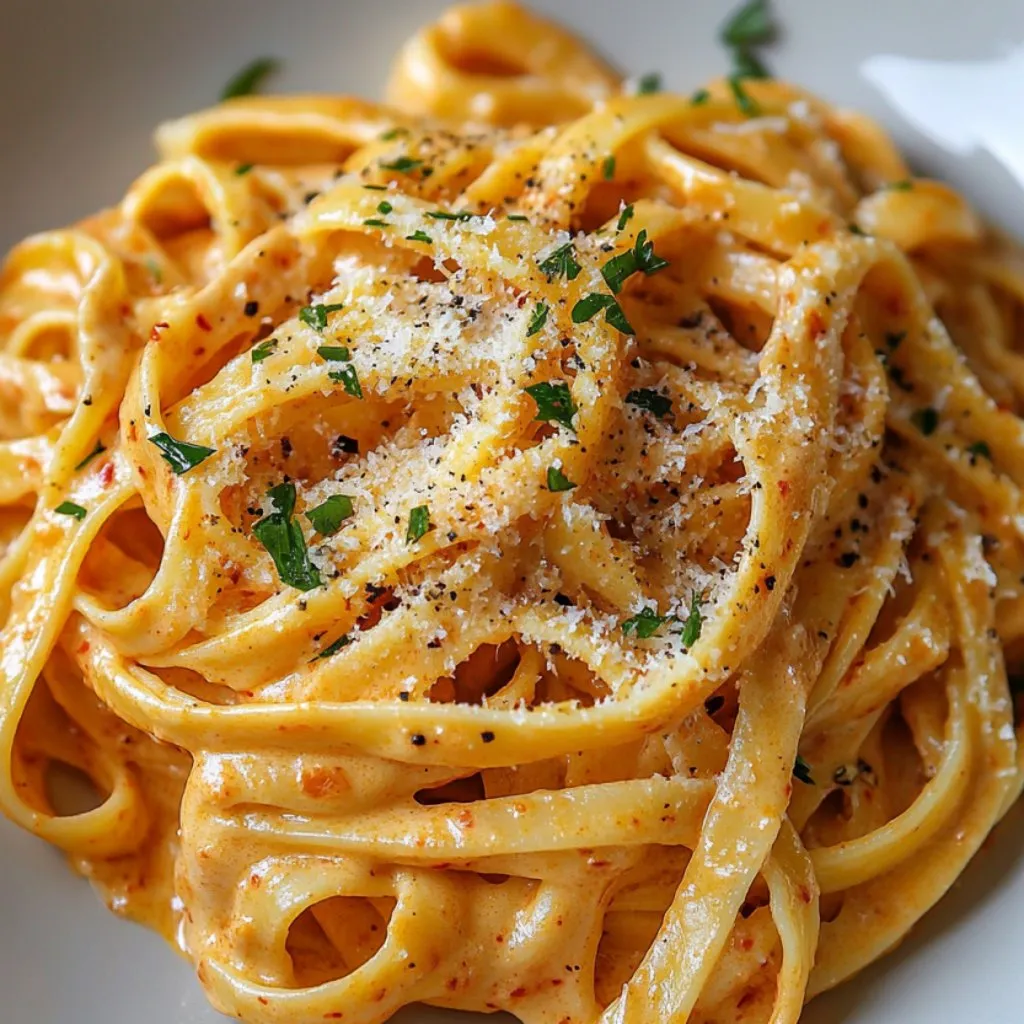
This creamy gochujang pasta fuses Korean chili paste with Italian cream sauce to create a spicy, umami-rich dish that is ready in under 30 minutes. The silky sauce clings perfectly to the noodles making each bite richly satisfying. It's a fantastic choice for busy weeknights when you want something both flavorful and comforting but still quick to prepare. The gentle heat of gochujang combined with creamy Parmesan makes this recipe approachable for lovers of Korean flavors and pasta alike.
I first made this when craving something warm and spicy on a chilly night. It quickly became a favorite requested dish by my family because it feels indulgent without being complicated.
Ingredients
- Fettuccine or spaghetti: Eight ounces which hold sauce well and provide great texture
- Gochujang paste: Because its fermented soybeans give the sauce authentic umami heat and depth
- Heavy cream: Half a cup to add smoothness that balances the spice
- Parmesan cheese: Freshly grated for saltiness and body that thickens the sauce naturally
- Minced garlic: Two cloves to gently infuse the olive oil with a rich aromatic base
- Olive oil: Two tablespoons essential for sautéing the garlic and blooming the gochujang flavor
- Salt and black pepper: To season and enhance the overall flavor balance
- Chopped fresh parsley: For a bright, fresh finish and visual contrast
Step-by-Step Instructions
- Sauté the Garlic:
- Warm olive oil in a large skillet over medium heat. Add the minced garlic and cook gently for thirty to sixty seconds just until fragrant. Be careful not to let it brown as this will impart bitterness to the sauce.
- Bloom the Gochujang:
- Stir the gochujang paste into the skillet and cook for about one minute. The paste will loosen and develop a deep aroma as it melds with the garlic oil, intensifying the flavor.
- Cook the Pasta:
- Bring a large pot of salted water to a rolling boil. Add the pasta and cook just shy of al dente according to package instructions. Before draining, reserve half a cup of the pasta cooking water to help loosen the sauce later.
- Make the Sauce:
- Lower the heat and pour the heavy cream into the skillet. Stir steadily as the sauce simmers gently for two to three minutes until it thickens enough to coat the pasta beautifully.
- Combine Pasta and Cheese:
- Add the drained pasta directly to the skillet. Toss it in the sauce until each strand is luxuriously coated. Sprinkle the Parmesan cheese over the top and continue tossing until the sauce becomes glossy and well blended. Use the reserved pasta water a little at a time if you need to adjust the sauce consistency.
- Season and Serve:
- Taste the dish, then season with salt and pepper as needed. Serve immediately garnished with chopped parsley and extra Parmesan if you like for more richness and color.
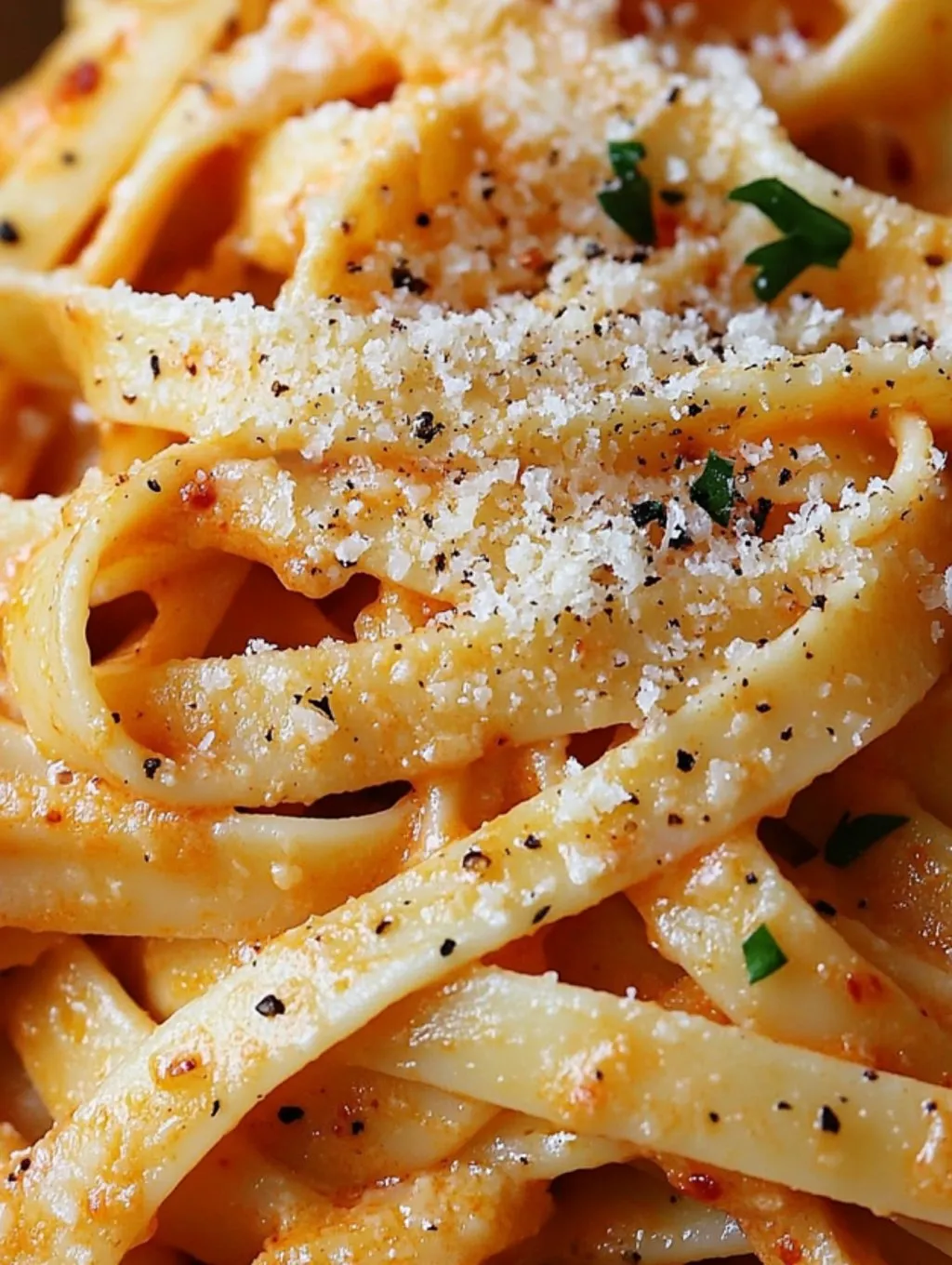
What I love most about this recipe is how the gochujang transforms in the pan. Its flavor deepens, turning slightly sweet and rich, which surprises and delights guests who try it for the first time.
Storage Tips
Store leftovers in a sealed container in the refrigerator for up to three days. When reheating, warm gently on the stove or microwave with a splash of cream or milk to bring back the creamy texture. Avoid freezing since the cream may separate and make the sauce grainy.
Ingredient Substitutions
For a dairy-free version swap heavy cream with coconut cream and use nutritional yeast instead of Parmesan. If you prefer less spice try mixing tomato paste with a pinch of chili flakes instead of full gochujang. This reduces heat but keeps a nice depth.
Serving Suggestions
Pair this pasta with a simple arugula salad tossed in lemon juice or balsamic vinegar to cut through the richness. Garlic bread is an excellent choice for soaking up any leftover sauce. Sautéed greens like bok choy or spinach complement the dish by adding freshness and a slight crunch.
Cultural Notes
Gochujang is a traditional Korean fermented chili paste known for its complex heat and deep umami. Blending it with a creamy Italian-style pasta sauce creates a beloved fusion dish that bridges two culinary worlds. This kind of east-meets-west creativity is increasingly popular in modern kitchens and is a fun way to explore new flavors.
Recipe FAQs
- → What is gochujang and why use it here?
Gochujang is a Korean fermented chili paste that adds depth, mild heat, and umami to dishes. It pairs beautifully with creamy sauces, enhancing the pasta with a complex, layered flavor.
- → Can this dish be made without dairy?
Yes, heavy cream can be substituted with coconut cream and Parmesan replaced with nutritional yeast, providing a dairy-free version without sacrificing richness.
- → Which pasta types work best with this sauce?
Fettuccine or spaghetti are ideal as their texture holds the creamy, slightly thick sauce well, ensuring each bite is flavorful and well-coated.
- → How spicy is the dish and can it be adjusted?
The spice level is mild to moderate; the cream softens the heat of the gochujang. Adjust by varying the amount of gochujang or mixing in tomato paste for a gentler kick.
- → Are additions like vegetables or proteins recommended?
Definitely. Ingredients like shrimp, mushrooms, spinach, or grilled chicken complement the sauce well, adding texture and nutritional variety.
- → What’s the best method to reheat leftovers?
Gently warm leftovers on the stove or microwave with a splash of milk or cream to loosen and revive the sauce’s smooth texture without curdling.