
 Save
Save
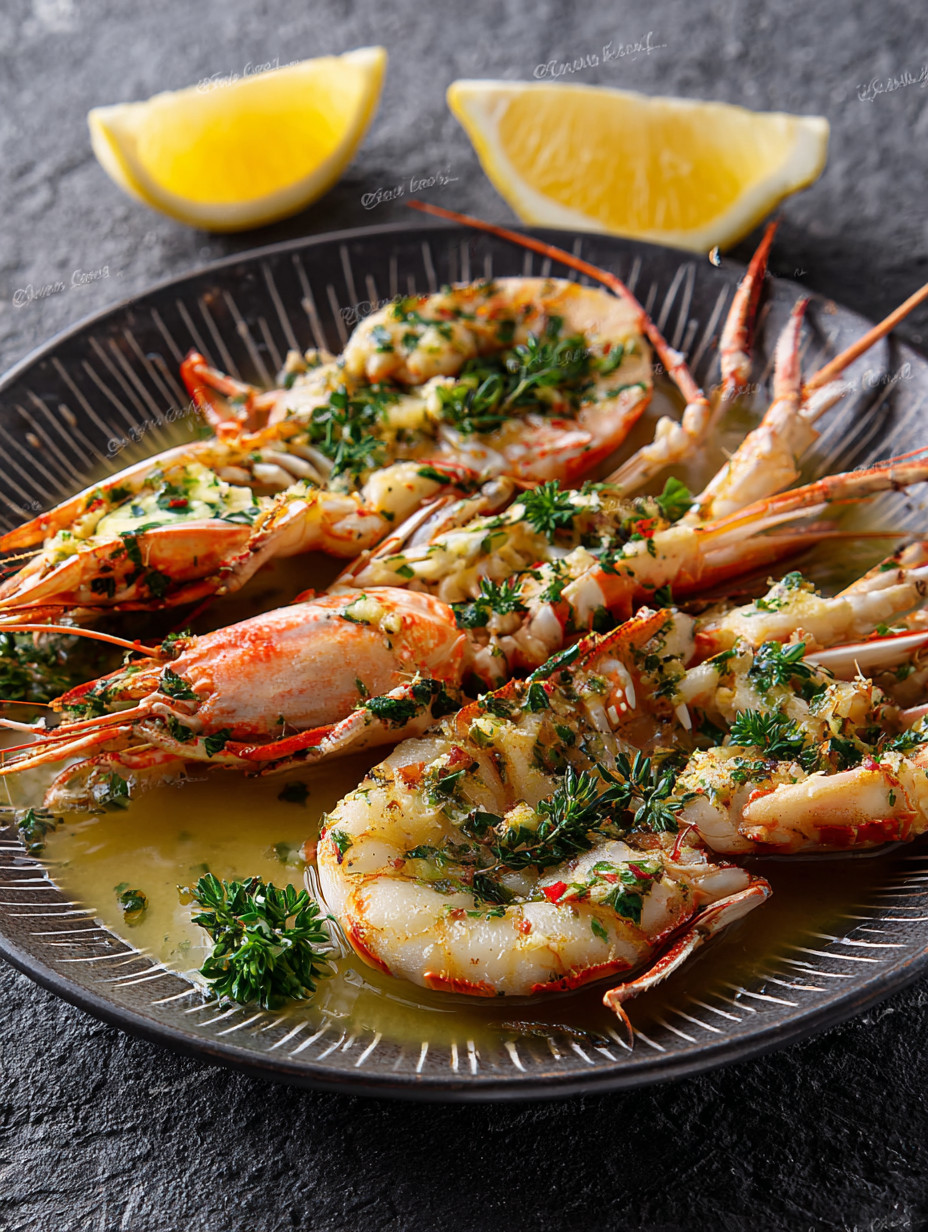
This garlic butter langoustine with lemon and herbs recipe brings a restaurant-quality dish right to your home kitchen. The combination of rich butter, fresh garlic, and bright herbs accentuates the sweet, tender langoustine meat perfectly. It’s an impressive yet uncomplicated meal that’s perfect for special occasions or a lavish weeknight treat.
I first made this on a summer evening with friends and everyone was amazed at how vibrant and flavorful such a simple recipe could be. Since then it has become my go-to when I want to spoil family without hours in the kitchen.
Ingredients
- U7 wild langoustine from Norway lobster: provides sweet, tender shellfish meat look for fresh or well-frozen for best texture
- Isigny French butter Barrate rock salt: the creamy butter with subtle saltiness enriches the sauce quality butter will elevate the dish
- Garlic cloves minced: garlic infuses the butter with aromatic warmth use fresh cloves for best flavor
- Fresh parsley: adds bright, herbal notes and freshness flat-leaf parsley is preferable for better texture
- Fresh thyme: earthy and slightly minty, complements the seafood beautifully
- Lemon: provides zesty acidity that cuts through the richness of butter and enhances the langoustine taste
- White wine: adds subtle depth and acidity to the sauce choose a dry white like Sauvignon Blanc or Pinot Grigio
- Red pepper flakes: a mild heat that balances the rich butter but keep it light to avoid overpowering
- Salt and pepper to taste: essential for seasoning and highlighting the natural flavors
Step-by-Step Instructions
- Slicing the Langoustine:
- Using clean kitchen scissors, carefully split each langoustine lengthwise down the middle to expose the meat while leaving the shell attached. This allows the garlic butter to penetrate and helps the langoustine cook evenly.
- Preparing the Garlic Butter:
- In a small pan, melt the butter over low heat to prevent burning. Add the minced garlic and red pepper flakes, cooking gently until the garlic is fragrant but not browned, about 2 to 3 minutes. This step infuses the butter with those deep, warm flavors.
- Brushing and Cooking the Langoustine:
- Generously brush the prepared garlic butter onto the exposed langoustine meat to ensure every bite is flavorful. Place the langoustines on a grill pan or under the broiler. Cook for 3 to 4 minutes until the meat turns opaque and is cooked through but remains tender and juicy. Watch closely to avoid overcooking.
- Making the Herb Lemon Sauce:
- Return the pan with the leftover butter to medium heat, adding the white wine. Let it simmer gently until the wine reduces slightly, concentrating its flavor. Stir in the chopped fresh parsley and thyme, then squeeze the juice of both lemons into the sauce. This sauce is bright, herbaceous, and perfect for drizzling.
- Serving:
- Pour the warm herb lemon butter sauce over the grilled langoustines and serve immediately while the flavors are fresh and the langoustine still warm.
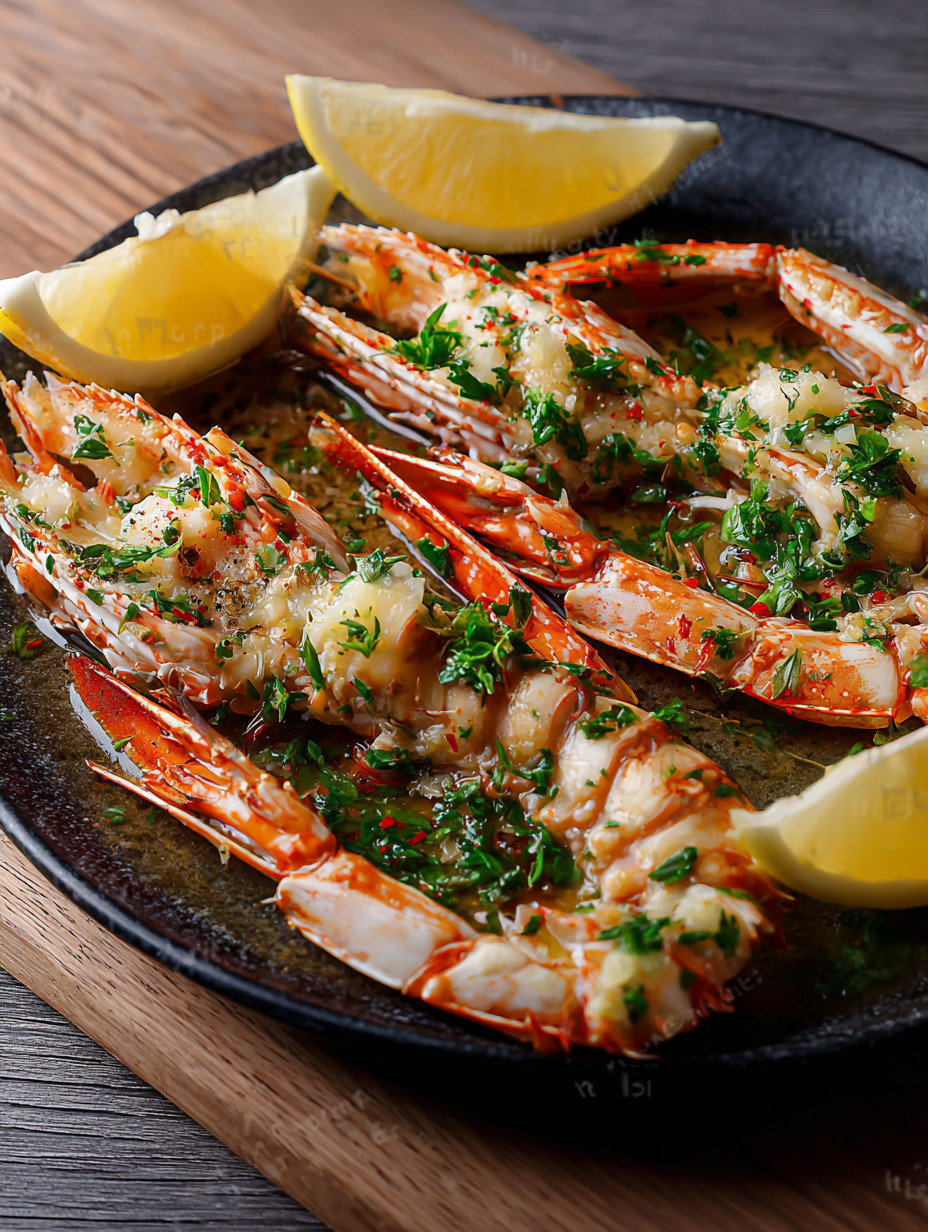
The lemon and fresh herbs brighten the rich butter and seafood while the garlic and pepper flakes add a subtle kick. One of my favorite family memories is serving this dish outdoors on a warm summer night, laughter and the sea breeze mixing with the delicious aroma. It made for an unforgettable meal that’s become a tradition.
Storage Tips
Langoustine is best eaten fresh but if you have leftovers, store them in an airtight container in the refrigerator for up to 24 hours. Reheat gently in a low oven or covered pan to keep the meat tender and avoid drying out. The sauce can separate when stored but giving it a quick whisk helps bring it back together.
Ingredient Substitutions
If you cannot find langoustine, large shrimp or small lobster tails can be a good substitute though the texture and sweetness will differ slightly. Unsalted European butter works nicely if you cannot locate the French butter. If you dislike red pepper flakes, omit them or replace with a small pinch of smoked paprika for a different depth of flavor.
Serving Suggestions
Serve the garlic butter langoustine with a wedge of lemon and a side of garlic bread for mopping up the sauce. A light mixed greens salad dressed simply with olive oil and lemon balances the richness perfectly. For a heartier meal, creamy risotto or buttery new potatoes round out the plate beautifully.
Cultural and Historical Context
Langoustines, also called Norway lobster, are prized in European coastal cuisine, especially in France and Italy. They are caught wild along the Atlantic and North Sea coasts and are known for their delicate sweetness and firm texture. This style of cooking with garlic butter and fresh herbs echoes French coastal traditions, highlighting the purity of the seafood. The use of Isigny butter is a nod to French culinary heritage where butter quality is paramount.
Recipe FAQs
- → What type of langoustine works best for this dish?
U7 wild langoustines or Norway lobsters are ideal due to their sweet, tender meat that cooks quickly and pairs well with buttery sauces.
- → Can I use regular butter instead of Isigny French butter?
Yes, regular unsalted butter can be used, but premium French butter adds a creamier, richer flavor that complements the seafood beautifully.
- → Why is the langoustine split lengthwise before cooking?
Splitting ensures even heat penetration, allowing the meat to cook through quickly while absorbing the garlic butter flavor on both sides.
- → How do the herbs influence the dish's flavor?
Fresh parsley and thyme provide bright, aromatic notes that balance the richness of the butter and add complexity to the lemon sauce.
- → Is grilling or broiling better for cooking the langoustine?
Both methods work well; grilling imparts a slight smokiness while broiling offers quick, even cooking. Choose based on your equipment and preference.