 Save
Eric Dane, the American actor best known to many viewers as Dr. Mark Sloan on Grey's Anatomy and later as Cal Jacobs on Euphoria, has died at 53. The immediate public takeaway is both simple and sad: a familiar television presence is being remembered for two very different kinds of work, the polished network-drama charm that made him a household face and the more bruised, complicated performance that introduced him to a younger audience. Because coverage of his death has also mentioned ALS, this article includes careful, general context from authoritative health sources without turning a remembrance into personal medical guidance.
What Is Confirmed in the Public Record
Reports of Dane's death began circulating with a clear focus on his best-known roles and on the short public period in which he had spoken about ALS. The strongest way to read this kind of news is to keep the core facts separate: Dane was a working actor with a long television career; he was closely associated with Grey's Anatomy, The Last Ship, and Euphoria; and the public discussion after his death has included ALS because he had made that part of his life public. The Los Angeles County Department of Medical Examiner says its office is responsible for investigating and determining circumstances, manner, and cause of deaths that fall within its jurisdiction, and its public site explains that not every death in the county appears in the Medical Examiner case search. That distinction matters when readers are trying to understand what is official, what is reported, and what remains private family information. The county Medical Examiner site is therefore useful for understanding the public-record process, not for turning private grief into speculation.

Why Dane Became So Recognizable
Dane's broad recognition came from a specific television era. Grey's Anatomy was one of the defining network dramas of the 2000s, built around medical crises, romantic tension, workplace loyalty, and a fast-moving ensemble. Dane entered that world as Mark Sloan, a plastic surgeon whose confidence could have remained a one-note device in a less careful performance. Instead, he gave the character warmth, comic timing, and enough vulnerability to make viewers care about him beyond the nickname. Mark Sloan's friendships, especially his ties to Derek Shepherd, Callie Torres, and Lexie Grey, helped turn him into more than an attractive disruption in the show's social order.
That recognition followed Dane beyond one role. For viewers who watched TNT's The Last Ship, he became associated with command presence and action-drama steadiness. For viewers who met him through HBO's Euphoria, he was not a nostalgic network-TV figure but an actor willing to play a deeply flawed parent with restraint and discomfort. That range is part of why his death drew attention across age groups. People were not all remembering the same version of him; some were remembering the doctor, some the naval commander, and some the unsettling father whose silences carried as much weight as his dialogue.
- For longtime network-TV viewers: Dane's name is tied most closely to Grey's Anatomy and the ensemble storytelling that made the show a durable part of popular culture.
- For action-drama fans: The Last Ship placed him at the center of a survival story with a very different rhythm and tone.
- For newer prestige-TV audiences: Euphoria showed a colder, more interior side of his screen work.
- For casual readers seeing the headline: the essential context is that Dane's career crossed genres, generations, and viewing habits.
The ALS Context, Explained Carefully
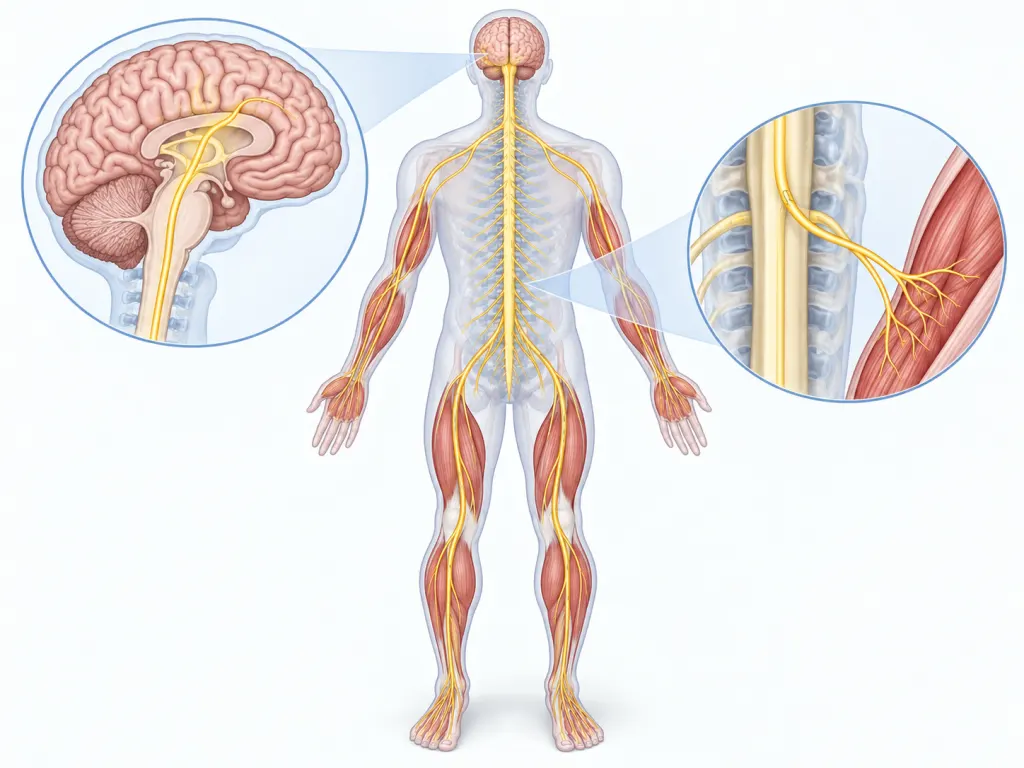
Because ALS appears in much of the public conversation around Dane's final year, it helps to define the term plainly. MedlinePlus, a service of the National Library of Medicine, describes amyotrophic lateral sclerosis as a nervous system disease involving nerve cells in the brain and spinal cord that send messages to voluntary muscles. The CDC's National ALS Registry explains that ALS is a motor neuron disease, is rare, and is slightly more common in men than women. These sources are useful because they describe ALS in general terms rather than through celebrity shorthand.
ALS can affect movement, speech, swallowing, and breathing as motor neurons stop communicating effectively with muscles. Cleveland Clinic notes that symptoms may include muscle weakness, cramps, twitching, stiff muscles, speech challenges, fatigue, and trouble swallowing, while the speed and pattern can vary from person to person. NIH's Genetic and Rare Diseases Information Center similarly describes ALS as progressive and notes that early signs can be subtle. None of this lets a reader infer details about any one person's private health course. It only explains why ALS coverage often mentions changes in movement, communication, and respiratory strength.
For readers who are grieving a public figure, medical context can be helpful only if it stays in its lane. A celebrity's illness is not a template for another person's body, timeline, or choices. Mayo Clinic describes ALS as affecting the nerve cells that control voluntary muscle movement and emphasizes that causes are not fully understood. The CDC also notes that most cases do not have a known single cause. Those points are important because they resist oversimplified narratives. ALS should not be framed as something readers can decode from a few public appearances, and it should not be reduced to a single dramatic image from late in someone's life.

How to Read Celebrity Health Coverage Responsibly
Celebrity death coverage often moves quickly. Headlines compress a life into a name, a famous role, an age, and a cause or condition. That structure can be useful for orientation, but it can also flatten a person. The better reading habit is to separate remembrance, entertainment history, and general health information. Remembrance belongs to family, friends, colleagues, and viewers. Entertainment history belongs to the body of work. General health information belongs to qualified sources that explain the condition without using one person's story as proof of what anyone else should expect.
There is also a privacy issue. Even when an actor has publicly shared a condition, the public is not entitled to every medical detail. A respectful article can say that ALS is part of the context while still avoiding speculation about symptoms, final days, family decisions, or records not made public by appropriate authorities. That restraint is not a lack of curiosity; it is a recognition that public work and private suffering are different things. Dane's performances are available for viewers to revisit. His family's grief is not public property.
What Made His Work Last
Dane's strongest screen roles often depended on contrast. Mark Sloan could enter a room with swagger, then reveal loyalty or hurt in the same scene. Tom Chandler in The Last Ship leaned on discipline and duty, a different mode from the interpersonal chaos of Grey's Anatomy. Cal Jacobs in Euphoria carried menace, shame, and self-deception in a way that made the character difficult to watch but hard to dismiss. That ability to hold charisma and discomfort together gave Dane more range than his early public image sometimes suggested.
His work also shows how television memory changes. In the 2000s, a recurring network character could become widely recognized through weekly viewing, reruns, and fan conversation. By the 2020s, streaming audiences discovered actors through shorter, darker, more fragmented seasons. Dane's career touched both systems. That is why the reaction to his death has not belonged to a single fan base. It belongs to people who watched network television on Thursday nights, people who streamed prestige drama years later, and people who simply recognized a performer who seemed to keep finding new ways to be seen.
A Measured Way to Remember Him
The most useful remembrance does not need to rank roles or turn grief into performance. It can acknowledge that Eric Dane was part of several major television memories and that his death at 53 feels early to many readers. It can also acknowledge that public health context around ALS may prompt questions from people who had never looked up the condition before. For those readers, authoritative sources are a better starting point than social posts, rumor threads, or sensational summaries. MedlinePlus, the CDC, Cleveland Clinic, Mayo Clinic, and NIH's GARD resource all provide general background in clearer, steadier language.
The Bottom Line
Eric Dane's death closes a career that moved through network drama, action television, and intense streaming-era character work. He will be remembered most immediately for Mark Sloan, but his later roles complicate that memory in a meaningful way. The ALS context should be handled with care: it can help readers understand the public discussion, but it should not invite guessing about private medical details. The humane way to read the news is to hold both truths at once: a recognizable actor has died, and the public record of his work remains larger than any single headline.
Wrap-Up
Eric Dane has died at 53, leaving a television legacy shaped by Grey's Anatomy, The Last Ship, and Euphoria. His death has also brought renewed attention to ALS, a rare motor neuron disease described by MedlinePlus, the CDC, Cleveland Clinic, Mayo Clinic, and NIH's GARD program as affecting voluntary muscle control in ways that can involve movement, speech, swallowing, and breathing. A careful remembrance keeps the actor's work, the public health context, and his family's privacy in separate view.
Frequently Asked Questions
- → Who was Eric Dane best known for playing?
Eric Dane was best known to many viewers as Dr. Mark Sloan on Grey's Anatomy. Later audiences also knew him for roles in The Last Ship and Euphoria, where he played Cal Jacobs.
- → Why is ALS mentioned in coverage of Eric Dane's death?
ALS is mentioned because Dane had publicly shared that part of his life before his death. In general terms, ALS is a motor neuron disease that can affect voluntary muscle control, including movement, speech, swallowing, and breathing.
- → Is this article offering medical guidance about ALS?
No. This article gives general background and points readers to authoritative sources. Personal health questions should be discussed with a doctor or another qualified health professional.
- → Where can readers find reliable general information about ALS?
Reliable starting points include MedlinePlus, the CDC's National ALS Registry, Mayo Clinic, Cleveland Clinic, and NIH's Genetic and Rare Diseases Information Center. These sources explain the condition without relying on rumor or celebrity speculation.
References
This content was developed and refined using reliable sources.
- https://me.lacounty.gov
- https://www.medlineplus.gov/amyotrophiclateralsclerosis.html
- https://www.cdc.gov/als/abouttheregistrymain/about-amyotrophic-lateral-sclerosis-als.html
- https://my.clevelandclinic.org/health/diseases/16729-amyotrophic-lateral-sclerosis-als
- https://rarediseases.info.nih.gov/diseases/5786/amyotrophic-lateral-sclerosis
- https://www.mayoclinic.org/diseases-conditions/amyotrophic-lateral-sclerosis/symptoms-causes/syc-20354022