 Save
Intestinal parasites are organisms, including helminths (worms) and single-celled protozoa, that can live in the human digestive tract and produce a range of symptoms. The most recognisable sign of a pinworm infection is intense itching around the anus, especially at night. Giardia, which the Centers for Disease Control and Prevention identifies as the most common intestinal parasite in the United States, typically causes diarrhea, stomach cramps, and bloating. Other parasites may produce fatigue, appetite changes, or visible signs in stool. Because these symptoms closely resemble those of many non-parasitic digestive conditions, a healthcare professional is the appropriate first contact for anyone who suspects a parasite infection. Diagnosis and treatment depend on identifying the specific organism involved.
What Are Intestinal Parasites?
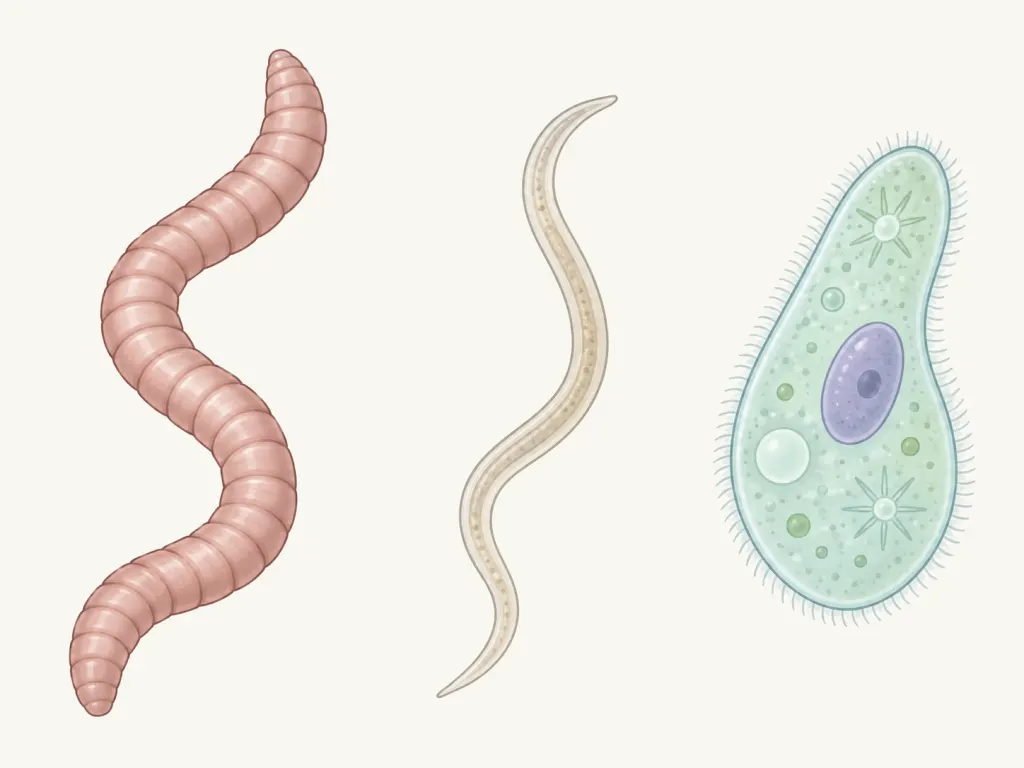
Intestinal parasites fall into two broad categories: helminths (worms) and protozoa (single-celled organisms). The World Health Organization estimates that soil-transmitted helminth infections affect approximately 1.5 billion people globally, making them among the most widespread conditions in the world. Common helminths include roundworms (Ascaris lumbricoides), whipworms (Trichuris trichiura), hookworms, tapeworms, and pinworms (Enterobius vermicularis). Among protozoa, Giardia duodenalis is particularly prevalent: the CDC reports that Giardia causes more intestinal infections in the United States than any other intestinal parasite.
Parasites reach the body through different routes. Pinworms spread through contact with contaminated surfaces, clothing, bedding, or unwashed hands. The CDC explains that Giardia can spread through contaminated water, food, surfaces, or objects, and through contact with infected people or animals. Soil-transmitted worms such as roundworms and hookworms typically enter through ingestion of contaminated soil, or, in the case of hookworms, through bare skin in contact with contaminated ground. These different transmission routes matter because they shape both the risk factors associated with each parasite and the household steps recommended during treatment.
Common Symptoms to Recognise
Symptoms depend on the specific parasite, the number of organisms present, and the affected person's age and overall health. MedlinePlus notes that many people with pinworm infections experience no symptoms at all. When symptoms do appear, the pattern varies by parasite type.
Signs that a healthcare professional may associate with intestinal parasites include:
- Intense itching around the anus or vagina, particularly at night, characteristic of pinworms
- Diarrhea, sometimes with greasy or foul-smelling stools
- Stomach cramps or abdominal pain
- Bloating and excess gas
- Nausea or vomiting
- Unexplained fatigue or persistent tiredness
- Changes in appetite
- Irritability and difficulty sleeping, especially in children
- Unexplained weight loss over time
- Visible worms or unusual material in stool
The NHS notes that threadworm (pinworm) infection in children may cause restless sleep and that small, thin, white worms may be visible near the anus or in stool. For Giardia, the CDC reports that diarrhea two to five times per day and increasing fatigue are typical early signs, with symptoms usually beginning one to two weeks after exposure and often lasting two to six weeks, though some people experience prolonged symptoms.
Why These Symptoms Can Be Confused With Other Conditions
The overlap between intestinal parasite symptoms and other common digestive complaints is one of the main reasons that professional testing matters. Bloating, diarrhea, fatigue, stomach cramps, and appetite changes are also associated with irritable bowel syndrome, food intolerances, bacterial gastroenteritis, inflammatory bowel disease, and medication side effects. Anal itching, the hallmark symptom of pinworms, can also result from skin conditions, haemorrhoids, or localised irritation entirely unrelated to parasites.
This overlap means that a parasite should neither be assumed nor ruled out based on symptoms alone. A healthcare professional can recommend specific diagnostic tests based on the full picture: symptoms, travel history, household contacts, and other relevant factors. Acting on symptoms without a confirmed diagnosis risks both incorrect self-treatment and delayed care for a different underlying condition. A symptom pattern that points toward pinworms in one person might reflect something entirely different in another.

When to Seek Medical Attention
If digestive symptoms persist for more than a few days, if several people in the same household develop similar complaints, or if visible worms appear in stool or around the anus, speaking with a healthcare professional or pharmacist is the appropriate step.
The NHS advises consulting a GP rather than relying on pharmacy treatment if the affected person is under two years old, pregnant, or breastfeeding, as standard antiparasitic medicines are not suitable in all of these situations without additional guidance. The CDC highlights that infants face a particular risk of serious dehydration if diarrhea is caused by Giardia and that a healthcare provider should be consulted for diagnosis and, where indicated, prescription treatment.
Seek same-day or urgent medical care if symptoms include severe or persistent abdominal pain, signs of significant dehydration such as very dark urine or pronounced dizziness, blood in the stool, persistent vomiting, high fever, or marked unexplained weight loss. Anyone with a weakened immune system who develops digestive symptoms should also seek prompt assessment, as some parasites behave differently in immunocompromised individuals.
How Intestinal Parasites Are Diagnosed
Diagnosis depends on the type of parasite suspected. For pinworms, the NHS and MedlinePlus both describe a tape test: a piece of clear adhesive tape is pressed around the anal area early in the morning, before bathing or using the toilet, and the tape is then examined under a microscope for eggs. Observing adult worms near the anus a few hours after the person falls asleep is another recognised method described by MedlinePlus.
For Giardia and other intestinal protozoa or worms, a stool sample examination is the standard diagnostic approach. A healthcare provider may request samples collected on different days, since parasite shedding can be intermittent. The WHO notes that Strongyloides stercoralis requires diagnostic methods different from those used for other soil-transmitted worms, underlining that the choice of test depends on the suspected organism. Home testing kits are available for some parasites in some countries, but a healthcare professional remains the appropriate person to interpret results and advise on next steps.

Treatment Approaches
Treatment is specific to the parasite involved, and different organisms respond to different medicines. For pinworms and threadworms, the NHS recommends mebendazole, available in many countries as a chewable tablet or liquid from pharmacies without a prescription. Because pinworm eggs spread easily within households, the NHS advises treating all household members aged two and over at the same time, even if they have no symptoms. A second dose is typically taken two weeks after the first to address worms that may hatch in the interim. The NHS specifies that children under two, pregnant individuals, and people who are breastfeeding should consult a pharmacist or GP before taking any antiparasitic medicine, as these groups require tailored guidance.
For Giardia, the CDC states that a healthcare provider can prescribe suitable medication when treatment is indicated, but that not all infections require medication, many resolve without it. Staying well hydrated is a priority when diarrhea is present. The WHO identifies albendazole (400 mg) and mebendazole (500 mg) as the primary recommended medicines for the most common soil-transmitted worms globally, describing both as effective and well-established.
It is important not to use leftover or borrowed antiparasitic medications, or to start treatment without a confirmed diagnosis. The wrong medicine for a particular parasite may be ineffective and can delay appropriate care.
Hygiene Habits That Support Household Health
Once an intestinal parasite is identified and treatment begins, thorough and consistent hygiene practices become especially important, particularly for pinworms, whose eggs can survive on household surfaces for several weeks. The NHS recommends maintaining these habits for at least two weeks alongside medication treatment, or for six weeks if no medication is used, to help interrupt the reinfection cycle.
- Wash hands thoroughly with soap and water after using the toilet and before eating
- Shower or bathe every morning, paying attention to the anal area
- Keep fingernails short and clean, and avoid putting fingers in the mouth
- Wash bed linen, pyjamas, underwear, and towels at a high temperature daily during the treatment period
- Avoid shaking bedding when removing it, as this can disperse eggs into the surrounding environment
- Clean surfaces with a damp cloth rather than a dry duster
- Do not share towels or flannels within the household
- Rinse toothbrushes before use during the treatment period
- Wash raw fruits and vegetables thoroughly before eating
The CDC, in its guidance on Giardia, emphasises regular handwashing and avoiding swallowing untreated water from natural sources. These habits are relevant for all household members and are particularly important while any member of the household is being treated for a parasite.
Wrap-Up
Intestinal parasites such as pinworms, Giardia, and soil-transmitted worms can produce symptoms including anal itching, diarrhea, stomach cramps, bloating, fatigue, and appetite changes. These symptoms overlap with many other digestive conditions, which is why diagnosis by a healthcare professional matters before any treatment is started. Treatment is specific to the parasite: pinworms are typically treated with mebendazole, while Giardia may require prescription medication. Consistent household hygiene, including thorough handwashing, regular laundering of bedding, and keeping surfaces clean, is recommended during and after treatment to limit reinfection. Anyone with persistent, severe, or worsening symptoms, or who belongs to a group requiring additional care such as young children, pregnant individuals, or those with a weakened immune system, should seek medical attention promptly.
Frequently Asked Questions
- → How can I tell if itching is from pinworms rather than another cause?
Intense anal itching that is significantly worse at night is the most recognisable feature of a pinworm infection. You may also observe small, thin, white worms near the anus or in stool. However, anal itching can also result from skin conditions, haemorrhoids, or other local causes unrelated to parasites. A healthcare professional or pharmacist can advise on the right diagnostic steps, which for pinworms often involves a simple tape test carried out first thing in the morning.
- → Can adults get pinworms, or is it mainly a condition in children?
Adults can and do get pinworm infections, though they are more common in children. Pinworm eggs spread easily through households via shared surfaces, clothing, and bedding, so when one person is infected, household members of any age can be affected. The NHS recommends treating all household members aged two and over at the same time to limit spread within the home.
- → Does everyone in the household need to be treated at the same time?
For pinworm infections, the NHS advises treating all household members aged two and over simultaneously, even if they have no symptoms, because pinworm eggs spread easily and some people carry the infection without noticeable signs. Children under two, pregnant individuals, and those breastfeeding need separate guidance from a pharmacist or GP before taking any antiparasitic medicine.
- → How long does recovery typically take after treatment?
With medication and consistent hygiene, pinworm infections typically resolve after a standard two-dose course, the second dose taken two weeks after the first. Giardia infections often resolve within two to six weeks, though this can vary. A healthcare provider can advise on what to expect for a specific parasite and whether follow-up is needed if symptoms continue after treatment ends.
- → Can certain foods help clear an intestinal parasite?
Some traditional sources mention foods such as garlic or papaya seeds in connection with intestinal parasites. Evidence for specific health outcomes from these foods in humans is limited, and relying on them may delay effective diagnosis and appropriate treatment. A balanced diet and good hydration support general wellbeing during recovery, but treatment for a confirmed parasite should follow the guidance of a healthcare professional.
- → When should I seek urgent care rather than a routine appointment?
Seek urgent medical care if digestive symptoms are accompanied by severe abdominal pain, signs of significant dehydration such as very dark urine or persistent dizziness, blood in the stool, high fever, or pronounced unexplained weight loss. Young children with persistent diarrhea and vomiting should be seen quickly due to dehydration risk. Anyone with a weakened immune system who develops digestive symptoms should also seek prompt assessment.