 Save
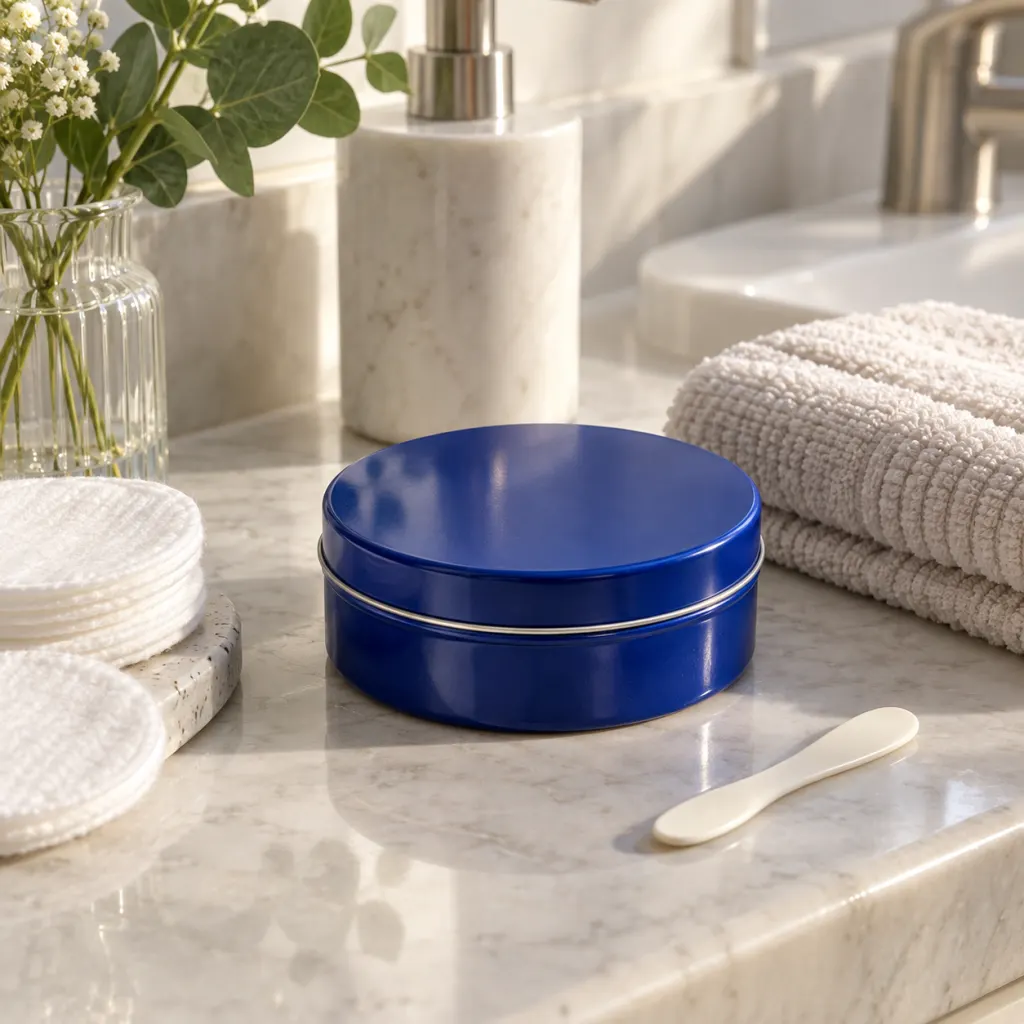
Nivea cream can be useful at home when you use it as what it is: a thick cosmetic moisturizer. The safest, most practical uses are softening dry-feeling hands, elbows, knees, feet, and lips; adding a smoother feel before makeup; helping loosen makeup on a cotton pad; and giving skin glide before a careful shave. It should not be treated as a medical product, used inside the eyes, shared from jar to jar, or kept after its smell, color, or texture changes. The goal is simple: use the cream where a rich moisturizer makes sense, and skip the social-media tricks that ask too much from one jar.
Classic blue-tin cream has a certain household familiarity, which is probably why it attracts long lists of “secret” uses online. Some suggestions are reasonable because they line up with normal moisturizer behavior. Others are too vague, too close to the eye, or too likely to contaminate the product. A better approach is to think in categories: dry-feeling skin, cosmetic glide, makeup cleanup, and small grooming tasks. The guidance below uses public skin-care and cosmetics safety information from the American Academy of Dermatology and the U.S. Food and Drug Administration, then translates it into practical home decisions.
Start With The Safest Use Case: Moisturizing Dry-Feeling Areas
The most straightforward use for Nivea cream is on clean, intact skin that feels dry or rough. The American Academy of Dermatology says creams and ointments generally add more moisture than lotions and lists ingredients such as mineral oil, petrolatum, glycerin, lanolin, and shea butter among common moisturizer ingredients to look for when skin is dry-feeling. It also recommends applying moisturizer after bathing, after washing hands, and when skin feels dry, while the skin is still slightly damp when possible. See the AAD dry skin guidance at https://www.aad.org/public/everyday-care/skin-care-basics/dry/dermatologists-tips-relieve-dry-skin.
At home, that means the cream makes the most sense on areas that often get rubbed, washed, exposed to cold air, or dried by routine tasks: knuckles, cuticles, elbows, knees, shins, and the backs of heels. Use a small amount first. A thick cream can feel protective, but too much can leave a slippery film on floors, socks, phone screens, or kitchen tools. For daytime, a pea-sized amount spread well is usually more practical than a heavy layer. For nighttime, you may prefer a little more on hands or feet, followed by cotton socks or breathable cotton gloves so the cream stays where you put it.
Use It After Handwashing, Dishwashing, Or Cold-Weather Chores
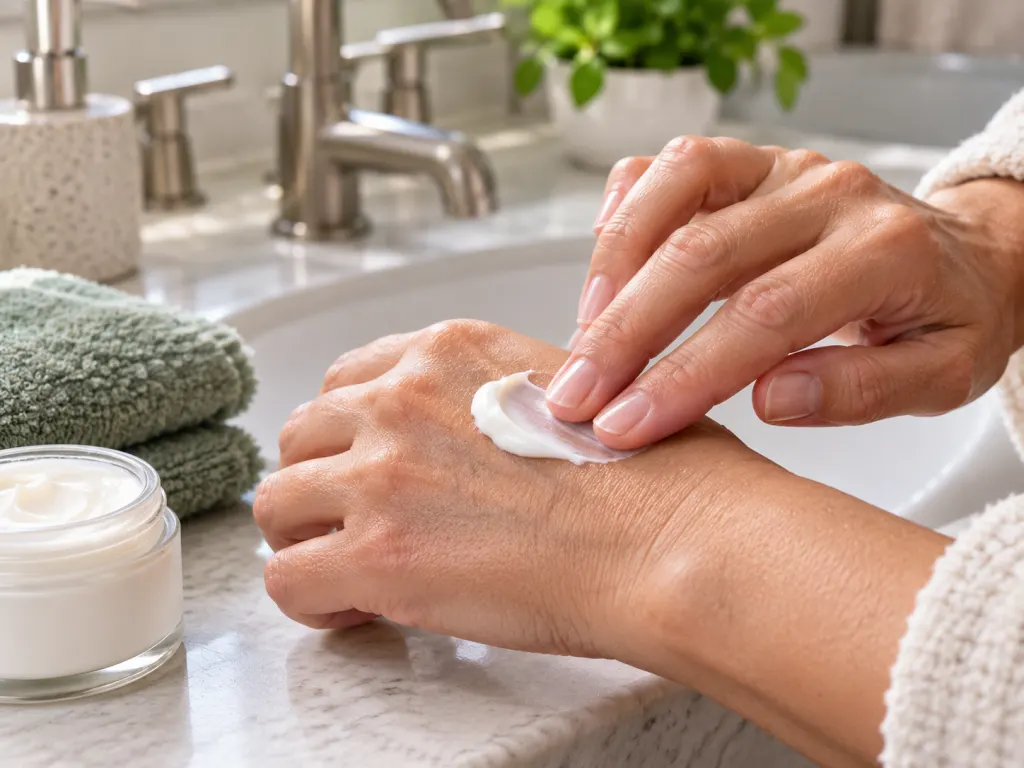
Hands often show dryness sooner than other areas because they are washed, wiped, and exposed throughout the day. A rich cream can be useful near the sink, in a bedside drawer, or beside a workbench, especially when you remember to apply it after drying your hands. The AAD advises wearing gloves for wet tasks such as dishwashing or gardening when dryness is a problem, because repeated water exposure can make skin feel worse. Cream belongs after the task, not as a substitute for gloves.
A practical hand routine looks like this: wash with a gentle cleanser, dry by patting rather than hard rubbing, apply a thin layer of cream to the backs of the hands and around the nails, then wait a minute before touching paper, fabric, or a touchscreen. In the kitchen, apply it after food handling and cleanup, not immediately before handling raw ingredients, knives, or hot pans. The point is comfort and skin feel, while still keeping household tasks clean and safe.
Soften Feet And Heels Without Turning The Floor Into A Skating Rink
Feet and heels are a common reason people reach for a thick cream. It can be a sensible step after a shower, bath, or foot wash because warm water softens the outer surface and a cream helps slow that freshly washed, tight feeling. Dry thoroughly between the toes first, then apply cream mainly to the heels, soles, and tops of the feet. Avoid leaving heavy cream between toes, where moisture can linger. If you plan to walk around, put on clean socks so you do not slip on tile, wood, or stairs.
For an overnight routine, keep it boring: wash, dry, apply a modest layer, add cotton socks, and go to bed. Do not add harsh exfoliating tools, strong acids, or mystery mixtures just because a short video says the result will be faster. If your feet have deep splits, bleeding, swelling, spreading redness, or a pattern that keeps returning, that is outside the scope of a home moisturizer routine and belongs in a personal conversation with a qualified professional.
Use A Small Amount On Lips, But Keep Expectations Modest
The AAD notes that lip balm or petroleum jelly can help keep dry lips hydrated, and also advises switching products if a lip product stings or tingles. A thick cream can be used cautiously around the lips if the product label allows external cosmetic use and if it feels comfortable for you, but it is not the same as a dedicated lip balm. Apply a tiny amount to the outer lip area or corners, avoid licking it, and remove any excess before eating or drinking. If taste, fragrance, or texture bothers you, choose a plain lip product instead.
This is also one of the places where less is better. A visible layer can migrate, collect dust, or feel unpleasant. If you use cream before going outdoors, remember that ordinary moisturizer is not sunscreen. For sun exposure, use appropriate sun protection according to the product label and your own needs.
Quick Home Uses That Usually Make Sense
Think of Nivea cream as a texture tool. It can soften, add slip, and reduce the tight feeling that follows washing, but it cannot do every job in the bathroom cabinet. The most reasonable home uses are the ones that stay close to a moisturizer’s normal purpose:
- Hands: apply after washing, cleaning, gardening, or cold-weather errands.
- Cuticles: massage a pinhead-sized amount around the nail folds after handwashing.
- Elbows and knees: apply after bathing, when skin is dry to the touch but still recently hydrated.
- Feet: use on clean heels and soles, then cover with socks if walking around.
- Makeup prep: smooth a tiny amount over dry-feeling patches, then let it settle before makeup.
- Makeup cleanup: use a small amount on cotton to loosen stubborn non-eye makeup, then cleanse.
- Shaving glide: use only if your skin tolerates it and the razor still rinses cleanly.
Use It Carefully Around Makeup
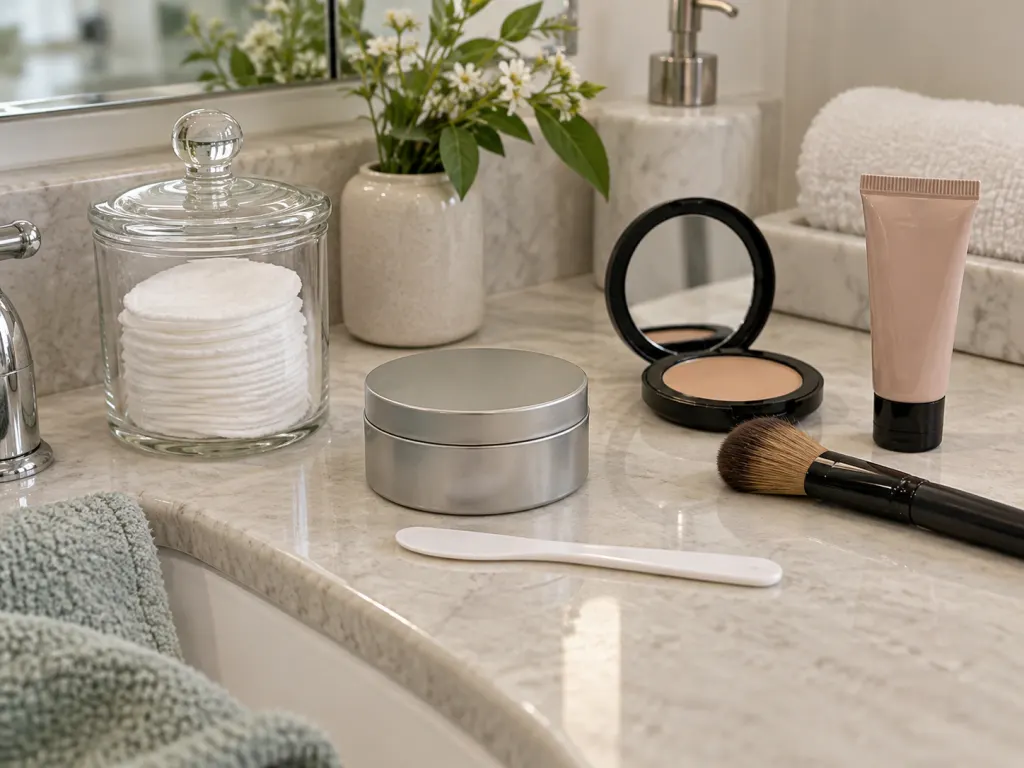
A thick cream can help makeup sit more smoothly on dry-feeling patches, especially around the cheeks or jawline. Use much less than you would at night: warm a tiny amount between your fingers, press it into the driest areas, wait several minutes, and blot any shine before foundation. Too much cream can make makeup slide, separate, or collect in lines. If you wear sunscreen, keep that step separate and follow the sunscreen label, because mixing products in your palm can change how evenly each one spreads.
For makeup removal, the cream may help loosen some long-wear products on the face, but it should not replace a careful cleansing routine. The FDA’s cosmetics safety advice says to read labels, follow directions, wash hands before using cosmetics, keep containers clean and closed, and discard cosmetics if their color or smell changes. That consumer guidance is here: https://www.fda.gov/cosmetics/resources-consumers-cosmetics/using-cosmetics-safely. If you use cream to loosen makeup, scoop with clean hands or a clean spatula, apply it to a cotton pad, wipe gently, and then wash with a gentle cleanser so residue and pigment do not stay on the skin.
Be Extra Conservative Near The Eyes
The eye area deserves stricter boundaries than the rest of the face. The FDA warns that eye cosmetics can become contaminated through misuse and advises people not to share eye cosmetics, not to apply or remove eye products in a moving vehicle, and not to use products near the eyes unless they are intended for that use. Its eye cosmetic safety guidance is available at https://www.fda.gov/cosmetics/cosmetic-products/eye-cosmetic-safety.
For Nivea cream, that means avoid putting the cream into the eye or along the wet inner rim. Do not dip a mascara wand, brush, or shared applicator into the jar. If you use it to loosen makeup near the outer eye area, keep the amount tiny, keep your eye closed, use a clean cotton pad, and cleanse afterward. If any cosmetic causes burning, stinging, redness, or a reaction that does not settle, stop using it and seek appropriate professional guidance for your own situation.
Shaving: Use It For Slip Only If It Works For Your Skin
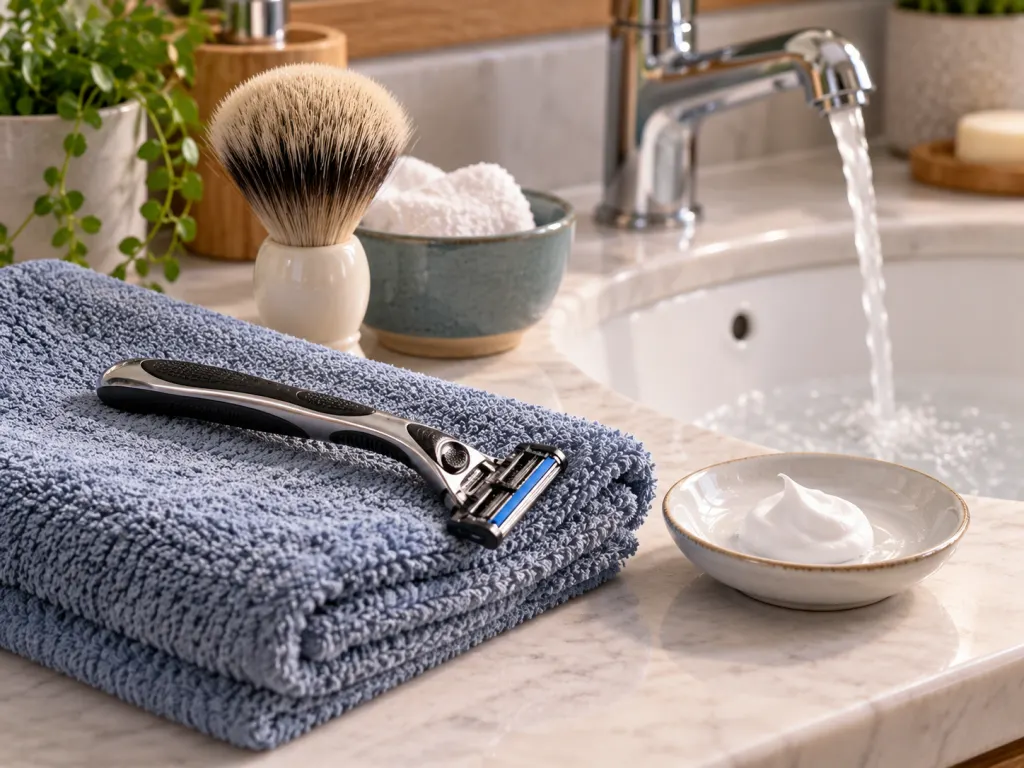
Some people like using a rich cream for shaving because it adds glide. That can be reasonable in a pinch, but it is not automatically better than shaving cream or gel. The AAD recommends wetting skin and hair first, applying shaving cream or gel, shaving in the direction hair grows, rinsing the razor after each swipe, replacing blades regularly, and storing razors dry. The AAD shaving guidance is here: https://www.aad.org/public/everyday-care/skin-care-basics/hair/how-to-shave.
If you try Nivea cream as a shaving aid, keep the area small the first time. Use warm water first, spread a thin layer, shave lightly, rinse the blade often, and clean the skin afterward. Thick cream can clog some razors, which encourages pressing harder; pressing harder is exactly what you want to avoid. If you regularly get bumps, cuts, or burning after shaving, a purpose-made sensitive-skin shave product and a fresh blade may be the more predictable choice.
Do Not Turn The Jar Into A Shared Household Tool
A jar is convenient, but it is also easy to contaminate. Every finger dip can introduce residue from hands, towels, or bathroom surfaces. FDA consumer guidance for cosmetics emphasizes clean hands, clean containers, tight lids, and storage away from temperature extremes. Keep the tin closed between uses, avoid leaving it in a hot car or steamy shower, and do not pass one open jar around as a family makeup remover, foot cream, and shaving product. If several people use the same product, consider a clean cosmetic spatula, or give each person their own container.
Discard the product if its smell, color, or texture changes in a way that seems off. Do not try to refresh an old jar by mixing in water, oils, perfumes, crushed vitamins, or leftover cosmetics. Those mixtures may feel clever, but they also make the product harder to keep clean and harder to understand if your skin dislikes it.
Check The Label And Be Realistic About Sensitive Skin
The FDA notes that cosmetic products can trigger allergic reactions in some people and that the best protection is knowing what you are sensitive to and reading the ingredient panel. It also explains that terms such as “hypoallergenic,” “fragrance-free,” or “for sensitive skin” are not enough by themselves in the United States, because shoppers still need to check the actual product label and manufacturer directions. The FDA cosmetics allergen page is here: https://www.fda.gov/cosmetics/cosmetic-ingredients/allergens-cosmetics.
Before using the cream in a new way, especially on the face, try a small amount on a less visible area and wait to see how it feels. This is not a guarantee, but it is a sensible pause. Avoid applying it over freshly shaved areas if shaving already leaves you uncomfortable, and avoid using it on skin that is broken, actively inflamed, or reacting to another product. A simple rule helps: if the area looks or feels unusual for you, do not use a home cosmetic experiment as the next step.
Uses To Skip
Some popular “hacks” ask a moisturizer to behave like a specialist product. Skip using Nivea cream as sunscreen, acne care, eye drops, a wound product, an ear product, a deodorant, a hair-growth product, or a substitute for a labeled medicine. Skip mixing it with household cleaners, essential oils, bleach, strong acids, or random capsules. Skip applying it to pets, because products made for human cosmetic use are not automatically suitable for animals. Also avoid using it on leather, suede, wood, or electronics unless the manufacturer of that item specifically says a cream product is acceptable; a moisturizer can leave grease marks, attract dust, or damage finishes.
The more a tip sounds like it changes what the product is meant to do, the more cautious you should be. A moisturizer can soften the feel of skin. It can add slip. It can help loosen some makeup. Those are useful enough without turning one jar into a universal solution.
A Practical Routine For One Week
If you want to find out whether Nivea cream belongs in your routine, test it in a limited, tidy way for one week. Choose two uses only: for example, hands after washing and heels at night. Keep the jar clean, apply to clean skin, and note whether the texture suits your day. If that works well, add one more use, such as cuticles or elbows. Avoid changing several products at once, because then it becomes harder to tell what helped or bothered your skin.
By the end of the week, you should know whether the cream is a good fit for your home habits. If it feels too heavy, reserve it for feet and elbows. If it feels comfortable but shiny, use it at night. If it bothers your skin, stop using it and choose a simpler product. The best home use is not the most surprising trick; it is the one you can repeat cleanly, comfortably, and without overcomplicating your routine.
Wrap-Up
Nivea cream is most useful at home as a rich moisturizer and cosmetic texture helper. Use it on clean, intact dry-feeling areas such as hands, elbows, knees, feet, and cuticles; apply only a tiny amount near lips or before makeup; and be especially cautious near eyes. Keep the jar clean, follow the label, avoid sharing applicators, and discard the product if it changes smell, color, or texture. The safest “hack” is simply using the cream where a thick moisturizer belongs.
Frequently Asked Questions
- → Can I use Nivea cream every day?
You can use it daily if the product suits your skin, the area is clean and intact, and you follow the label. A thick cream may feel better at night or on rough-feeling areas rather than across the whole face during the day.
- → Is Nivea cream a good makeup primer?
It can act as a moisturizing prep step for dry-feeling patches, but it is not the same as a dedicated primer. Use a very small amount, let it settle, and blot excess before makeup so foundation does not slide or separate.
- → Can I use it to remove eye makeup?
Be cautious. The FDA advises using products near the eyes only when they are intended for that area and keeping eye cosmetics clean. If you use cream near the outer eye area, keep it out of the eye itself, use clean cotton, and cleanse afterward.
- → Should I mix Nivea cream with oils or vitamins?
It is usually better not to. Mixing products in the jar can affect cleanliness, texture, and how easy it is to know what caused a reaction. If you want a different texture, choose a product made and labeled for that purpose.
- → Can I use Nivea cream before shaving?
Some people use a thin layer for glide, but shaving cream or gel is more predictable. If you try it, wet the area first, shave lightly in the direction hair grows, rinse the razor often, and stop if the texture clogs the blade or bothers your skin.
References
This content was developed and refined using reliable sources.
- https://www.aad.org/public/everyday-care/skin-care-basics/dry/dermatologists-tips-relieve-dry-skin
- https://www.aad.org/public/everyday-care/skin-care-basics/hair/how-to-shave
- https://www.fda.gov/cosmetics/resources-consumers-cosmetics/using-cosmetics-safely
- https://www.fda.gov/cosmetics/cosmetic-ingredients/allergens-cosmetics
- https://www.fda.gov/cosmetics/cosmetic-products/eye-cosmetic-safety