 Save
The honest answer is: wash your hair as often as your scalp needs it, not because a calendar says so. For some people, that means daily or every other day; for others, especially with curly, coily, thick, dry, or protective styles, it may mean once a week or less often. The American Academy of Dermatology says frequency should depend on how oily or dirty the hair gets, and it notes that dry, textured, curly, or thick hair may need shampoo only when needed, sometimes every 2 to 3 weeks as needed according to its healthy hair guidance.
A useful routine balances two needs at once: keeping the scalp comfortable and clean, while avoiding unnecessary dryness or breakage along the hair shaft. That is why a person with fine, straight hair and an oily scalp may feel best after frequent washing, while a person with tightly coiled hair may need a gentler, more spaced-out schedule. The goal is not to meet a universal number; it is to notice oil, odor, flakes, product buildup, exercise habits, and how your hair behaves after washing.
Start With Your Scalp, Not the Calendar
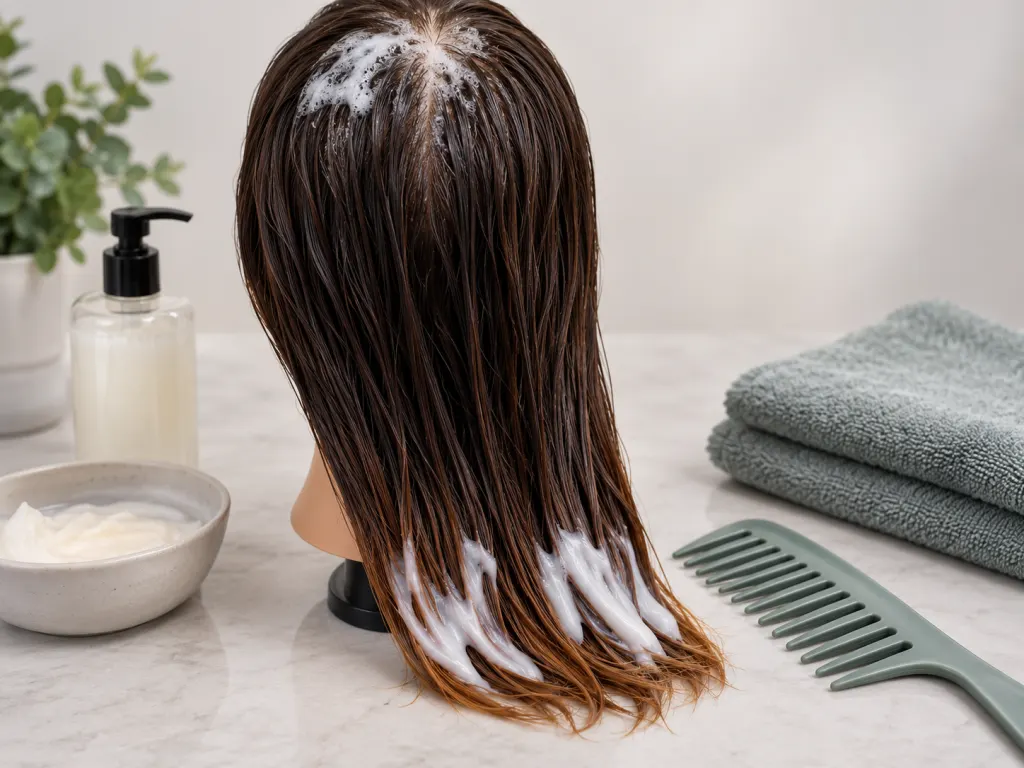
The scalp is skin, and it produces oil called sebum. Shampoo is mainly for the scalp because that is where oil, dead skin cells, sweat residue, and styling products collect. The hair shaft has different needs: the ends are older, drier, and more vulnerable to friction. This is why dermatology guidance commonly recommends applying shampoo at the scalp and conditioner through the lengths or ends, rather than scrubbing shampoo through every inch of hair as the AAD explains.
A practical starting point looks like this:
- Fine or straight hair with an oily scalp: consider daily or every-other-day washing if hair becomes greasy quickly.
- Medium hair that gets moderately oily: try washing every 2 to 4 days, then adjust.
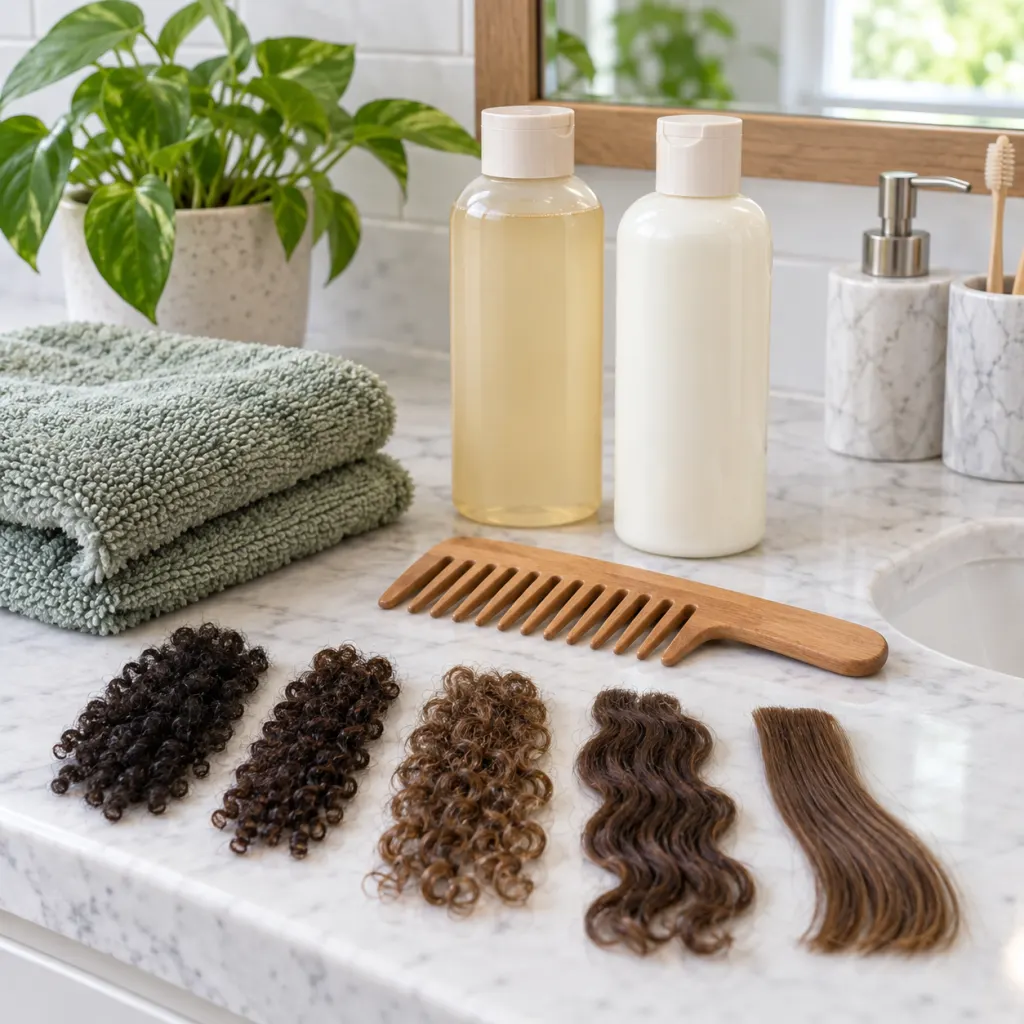
- Thick, curly, coily, textured, or dry hair: wash less often, focusing on scalp comfort and visible buildup.
- Heavy styling product use: wash when roots feel coated, sticky, or dull, even if the lengths still look fine.
- Flakes or persistent itch: review your routine and consider professional guidance if ordinary changes do not help.
These are starting ranges, not rules. Cleveland Clinic similarly notes that frequency depends on hair type, texture, age, oiliness, activity, and styling habits in its dermatologist-reviewed overview.

Why Fine Hair Often Needs More Frequent Washing
Fine or straight hair can look oily sooner because scalp oil travels more easily down a smooth strand. That does not mean the scalp is unhealthy; it simply means the oil is more visible. If your roots look flat by evening, your scalp feels greasy, or your hair separates into shiny sections, washing more often may be reasonable. Cleveland Clinic reports that finer hair may be washed every 1 to 2 days, while oily scalps may tolerate daily washing if it improves comfort according to its guidance.
Frequent washing can still be gentle. Use a shampoo that matches your hair type, focus the lather at the roots, rinse thoroughly, and condition the ends. If daily shampooing makes the lengths feel rough, try alternating a full wash with a lighter scalp-focused wash, using less shampoo, or conditioning more carefully from mid-length to ends. The point is not to force oily hair to wait several days; it is to keep the scalp clean while protecting the drier parts of the strand.
Why Curly, Coily, Thick, or Dry Hair Often Needs Less
Curly and coily strands have bends that make it harder for scalp oil to move evenly from root to tip. The scalp may still produce oil, but the lengths can remain dry. That is why washing too often can leave some textured hair feeling brittle, tangled, or stripped. The AAD says dry, textured, curly, or thick hair can be shampooed when needed, and at least every 2 to 3 weeks as needed, while Cleveland Clinic notes that coarse, coiled, tightly curled hair may need a longer interval than fine hair AAD Cleveland Clinic.
Less frequent washing does not mean ignoring the scalp. It means choosing a routine that respects both scalp cleanliness and strand fragility. Some people with textured hair wash weekly, some every other week, and some adjust around protective styles. A good routine leaves the scalp comfortable, the roots free of heavy buildup, and the lengths manageable after conditioning. If a style makes the scalp hard to reach, pay attention to odor, itch, tightness, and visible buildup around parts or edges.
Sweat, Workouts, and Hot Weather
Sweat can make hair feel damp, salty, or flat, but sweating once does not always require a full shampoo. Cleveland Clinic notes that even with daily exercise, many people can keep a standard wash schedule and adjust based on hair type, texture, and oil production rather than washing automatically after every workout. A rinse with water, a careful scalp massage, or simply letting hair dry fully may be enough between regular wash days for some people.
That said, environment matters. If you work in a smoky, dusty, greasy, or strongly scented setting, shampoo may be needed more often because residue can sit on the scalp and hair. Hot, humid weather can also make oil and product feel heavier. The best test is practical: after a workout or hot day, does your scalp feel comfortable once the hair dries, or does it feel coated and itchy? If it feels coated, move the wash day forward. If the hair feels only slightly flat, a refresh may be enough.

What Flakes May Mean
Flakes do not always mean the same thing. They can appear when the scalp is oily, dry, irritated by a product, or affected by a common scalp condition. MedlinePlus describes dandruff as flaking that may make the scalp itchy and notes that dandruff is often related to seborrheic dermatitis in its scalp conditions overview. NHS guidance adds that dandruff is common, not contagious, and may become more noticeable when hair is not washed regularly on its dandruff page.
If flakes are mild and your scalp otherwise feels comfortable, start by checking the basics: Are you shampooing the scalp, or mostly the hair lengths? Are you rinsing thoroughly? Are oils, creams, gels, or sprays building up at the roots? Are you waiting so long between washes that the scalp feels coated? If flakes persist, are very itchy, or come with redness, swelling, soreness, or patches elsewhere, it is sensible to get personalized advice from a qualified health professional.
Dry Shampoo Can Help, But It Is Not a Full Wash
Dry shampoo can make oily roots look fresher by absorbing oil, but it does not clean the scalp the way water and shampoo do. The AAD says dry shampoo is not meant to replace regular shampoo and water, and dermatologists on that page suggest washing after one or two dry-shampoo uses so residue does not keep accumulating in its dry shampoo advice.
Use dry shampoo as a bridge, not a routine on its own. Spray or apply it to oily roots, let it sit briefly, then brush or work it through gently. Avoid piling it on day after day if your scalp is already itchy or flaky. If you rely on it because washing and drying take too long, consider a simpler wash-day plan: shampoo only the scalp, condition only the areas that need it, use a towel or T-shirt gently, and reduce heat styling when possible.
How to Make Wash Day Gentler
A good wash is less about aggressive scrubbing and more about contact, time, and rinsing. Wet the scalp thoroughly, apply shampoo to the roots, and massage with fingertips rather than nails. Let the lather reach the scalp; the rinse water will carry enough cleanser through the lengths for most people. Then use conditioner where the hair needs slip and softness. The AAD advises conditioner after washing and suggests focusing conditioner on the ends for fine or straight hair, while dry or curly hair may need conditioner along more of the length in its hair care tips.
Water temperature matters too. Very hot water can leave hair feeling rougher, while warm water is usually enough for cleansing. After washing, avoid rough towel rubbing. Press water out gently, use a wide-tooth comb when appropriate for your texture, and be cautious with high heat from dryers or irons. These small details can let you wash as often as your scalp needs without making the ends feel punished.
When Medicated Shampoo Enters the Picture
Some people need a different routine when flakes, itch, or greasy scaling keep returning. Mayo Clinic notes that nonprescription dandruff shampoos may contain ingredients such as zinc pyrithione, selenium sulfide, ketoconazole, tar, or salicylic acid, and that how often they are used depends on grooming practices and symptoms in its seborrheic dermatitis guidance. NHS similarly advises trying anti-dandruff shampoo for dandruff and seeking help if symptoms continue after several weeks or if the scalp is very itchy, red, or swollen according to NHS guidance.
Follow the label or the plan from your clinician or pharmacist, especially because some formulas need contact time before rinsing and some may affect light-colored, bleached, or tinted hair. This is also where hair texture matters. A routine that asks someone with tightly coiled hair to shampoo every day may be unrealistic or drying, so a professional can help fit scalp care into a workable grooming pattern.
A Simple Way to Test Your Best Frequency
If you are unsure, run a two-week observation test. Pick a reasonable starting schedule based on your hair type: daily or every other day for oily fine hair, every 2 to 4 days for moderate oil, weekly or longer for thick, curly, coily, dry, or protective styles. Keep the products simple so you are not confusing product buildup with scalp oil. After each wash, note how long it takes before the roots feel oily, the scalp feels itchy, odor appears, flakes become visible, or the hair becomes hard to style.
Then adjust by one step. If your scalp feels greasy or uncomfortable before the next planned wash, wash sooner. If the lengths feel dry, rough, or fragile after washing, stretch the interval slightly or change how you wash and condition. The best routine is the one that consistently gives you a comfortable scalp and manageable hair, not the one that sounds most disciplined.
Common Mistakes That Throw Off the Routine
Many wash schedules fail because of technique rather than frequency. Scrubbing the lengths with shampoo can dry the oldest parts of the hair. Putting heavy conditioner on an oily scalp can make roots feel greasy faster. Leaving product near the scalp can make hair feel dull even soon after washing. Using dry shampoo repeatedly can hide oil for a while but leave residue behind. And switching shampoos every few days can make it harder to know what is actually helping.
Keep the routine boring for a while: one shampoo, one conditioner, predictable wash days, and clear notes about how your scalp feels. If you color, bleach, relax, heat-style, wear extensions, or keep a protective style for a long period, your schedule may need more tailoring. Hair care is personal, but it should not be mysterious. The scalp gives useful clues if you give the routine enough time to show a pattern.
When to Ask for Help
Most wash-frequency questions can be solved by adjusting timing, product amount, and where shampoo and conditioner go. Get individual guidance if the scalp is persistently itchy, painful, red, swollen, crusted, shedding more than usual, or flaking despite a careful routine. Also ask for help if a new product seems to trigger burning, rash-like irritation, or sudden worsening. NHS advises seeing a GP when dandruff symptoms continue after anti-dandruff shampoo, are severe, or come with a red or swollen scalp on its dandruff guidance page.
For everyday care, though, the answer remains reassuringly flexible. You do not have to wash every two days, every four days, or on any fixed internet schedule. Wash often enough that your scalp feels clean and calm, and gently enough that your hair still feels like itself afterward.
Wrap-Up
The best hair-washing schedule is personal. Fine, straight, or oily hair may need frequent washing, sometimes daily or every other day. Thick, curly, coily, dry, or textured hair often needs more spacing, sometimes weekly or longer, depending on scalp comfort and styling. Wash the scalp rather than scrubbing the lengths, condition where the hair needs softness, use dry shampoo only as a short bridge, and pay attention to flakes, itch, odor, buildup, and breakage. If symptoms persist or the scalp becomes painful, red, swollen, or very itchy, seek individual guidance.
Frequently Asked Questions
- → Is it bad to wash your hair every day?
Not always. Daily washing can make sense for very oily scalps or fine hair that gets greasy quickly. If daily washing leaves the lengths dry, rough, or frizzy, try focusing shampoo only on the scalp, conditioning the ends, or stretching the interval by one day.
- → How long can you go without washing your hair?
It depends on hair texture, oil production, styling products, and scalp comfort. Some dry, curly, coily, thick, or protective styles may go a week or longer. If the scalp feels itchy, coated, oily, or unpleasant, it is probably time to wash or adjust the routine.
- → Should I wash my hair after every workout?
Not necessarily. Sweat alone does not always require a full shampoo. If the scalp feels fine after drying, you may keep your usual schedule. If sweat leaves the scalp itchy, oily, or coated, move wash day earlier or rinse as needed.
- → Can dry shampoo replace regular shampoo?
No. Dry shampoo can absorb oil and refresh the look of roots, but it does not clean the scalp with water. Use it as a short bridge between washes, and wash with shampoo and water before residue builds up.
- → Why does my scalp flake even when I wash often?
Flakes can come from several causes, including product buildup, dryness, irritation, or common scalp conditions. Check that you are washing the scalp, rinsing thoroughly, and not leaving heavy products at the roots. If flakes are persistent, severe, or very itchy, get personalized guidance.
References
This content was developed and refined using reliable sources.
- https://www.aad.org/public/everyday-care/hair-scalp-care/hair/healthy-hair-tips
- https://health.clevelandclinic.org/the-dirty-truth-about-washing-your-hair
- https://www.aad.org/public/everyday-care/hair-scalp-care/hair/dry-shampoo-best-results
- https://www.nhs.uk/conditions/Dandruff
- https://medlineplus.gov/dandruffcradlecapandotherscalpconditions.html
- https://www.mayoclinic.org/diseases-conditions/seborrheic-dermatitis/diagnosis-treatment/drc-20352714