 Save
SSSS on an airline boarding pass usually means Secondary Security Screening Selection: the passenger has been selected for enhanced security screening before boarding. For U.S.-regulated flights, TSA’s Secure Flight rules describe a system in which passenger information is sent for watch-list matching and the government returns a boarding-pass result to the airline. One possible result allows the airline to issue a boarding pass that identifies the passenger for enhanced screening, rather than denying travel outright. That distinction matters. Seeing SSSS is inconvenient and can feel unsettling, but it normally means you should expect extra time and additional screening steps, not that your trip is automatically cancelled.
The most useful response is practical: arrive earlier than usual, keep your documents easy to reach, avoid overpacked carry-on bags, and stay calm while airline and security staff follow their procedures. The exact screening process can vary by airport, route, and security program, and officials generally do not disclose the precise reason a particular traveler was selected. If the pattern repeats across trips, the U.S. Department of Homeland Security has a redress process for people who believe they have been incorrectly or unfairly delayed, denied boarding, or repeatedly sent to additional screening.
What the Code Is Telling the Airline
On a simple level, SSSS is a visible signal that a traveler should receive additional screening before being allowed to board. The public regulations do not need to print the exact four letters in every explanation to make the process clear: TSA’s Secure Flight framework says airlines transmit passenger information, receive a boarding-pass printing result, and may be told to issue a boarding pass indicating that the passenger has been selected for enhanced screening. The current eCFR text also says the airline must place a code on the boarding pass that meets TSA-approved requirements when that result is returned. See the Secure Flight final rule in the Federal Register and the current 49 CFR Part 1560.
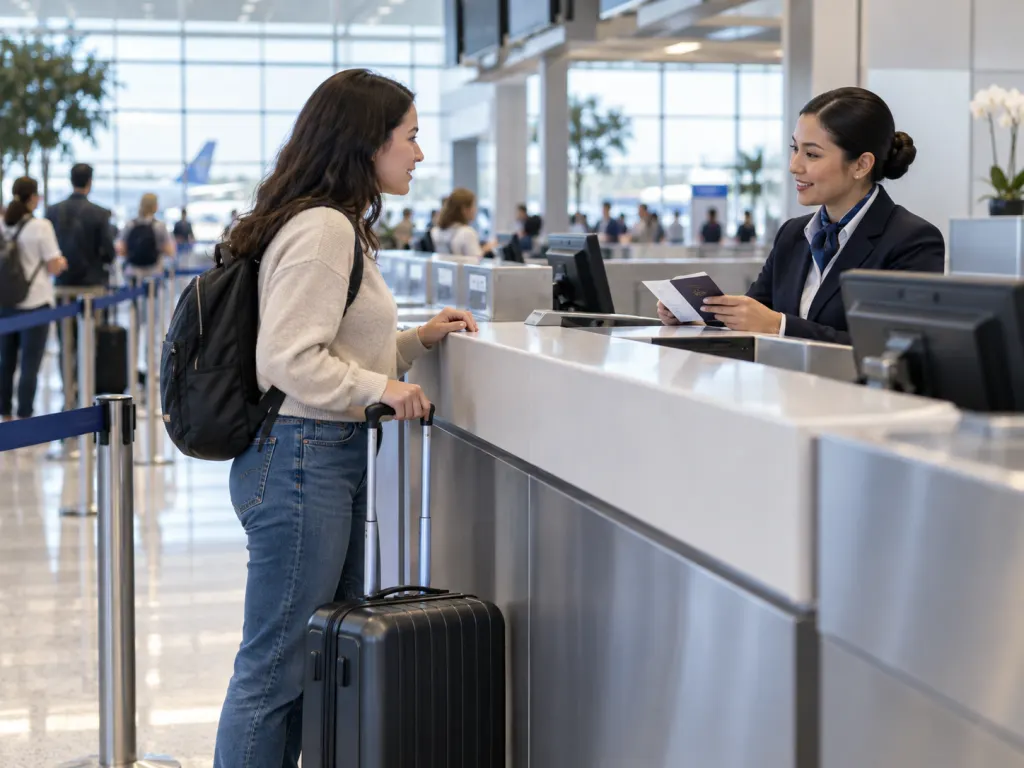
For travelers, the important part is not decoding every internal airline or government system. It is understanding the practical effect. If your boarding pass has SSSS, expect that ordinary check-in, checkpoint, or boarding flow may take longer. You may be directed to an airline counter instead of completing everything online. At security, you may be routed through a more involved process. The code should not be treated as a personal explanation, a public accusation, or proof of a permanent status. It is a screening instruction for that travel moment.
Why SSSS Can Appear Without a Clear Explanation
Passengers often want the one reason the letters appeared. In many cases, they will not get one. Secure Flight was created so TSA, rather than individual airlines, would conduct pre-flight watch-list matching for covered flights and return a boarding-pass result to the airline. The Government Accountability Office summarized the final rule as a program in which TSA receives passenger and certain non-traveler information, compares it to relevant federal watch-list components, and transmits the result back to aircraft operators.
That does not mean everyone with SSSS is on a watch list. Public government materials describe several moving parts: the Secure Flight system, the No Fly and Selectee portions of the federal watch-list framework, traveler identity data, redress numbers, and airline boarding-pass results. Officials also protect details about watch-list status and screening criteria because those details are security-sensitive. The practical takeaway is modest but useful: SSSS tells you what will happen next at the airport, not the full reason it happened.
What Extra Screening Can Involve
The specific steps can vary, but enhanced screening is usually more detailed than the standard checkpoint routine. Under 49 CFR 1560.105, if TSA returns a result selecting a passenger for enhanced screening, the airline may issue the boarding pass and must identify that passenger for enhanced screening under TSA-approved procedures. If a result has not been returned or identity needs to be resolved, the airline may request a verifying identity document at the airport.
- Plan for an in-person document check if online or mobile check-in does not work.
- Keep your passport, driver’s license, or other accepted identification accessible.
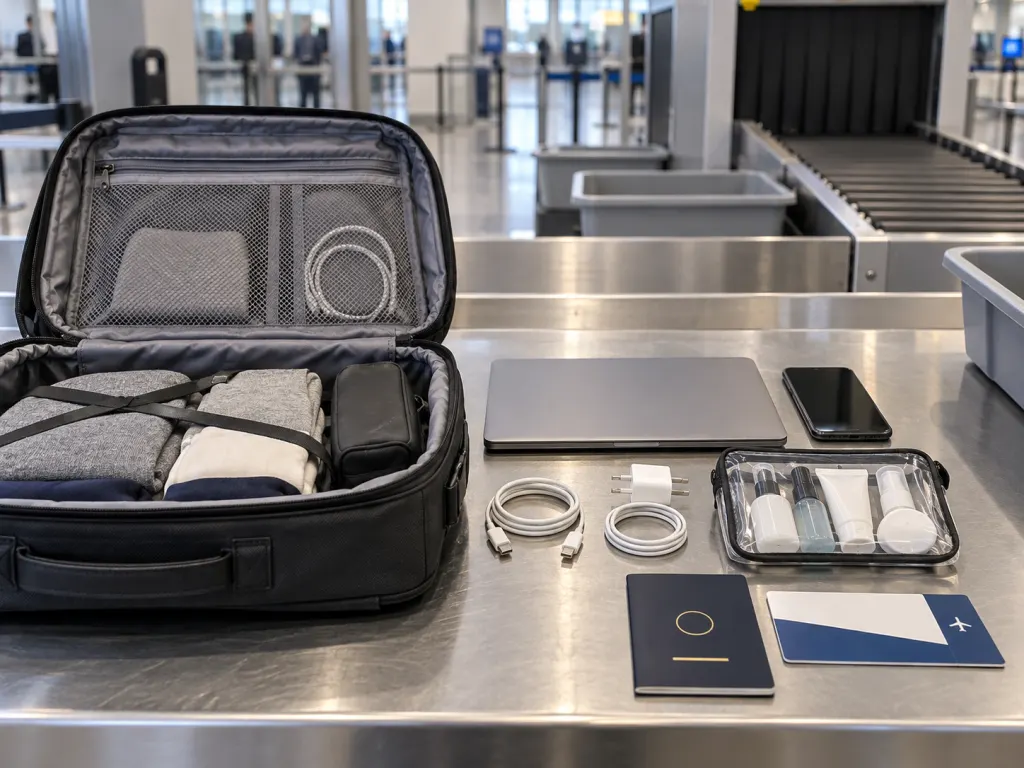
- Pack carry-on bags neatly so electronics, liquids, and dense items can be examined without a full repack.
- Allow extra time for checkpoint screening and possible gate procedures.
- Ask airline or security staff where to go next if the process is unclear.
What to Do Before You Leave for the Airport
If you notice SSSS on a printed boarding pass, or if the airline app refuses to issue a mobile pass without giving a clear reason, shift into a practical airport plan. Leave earlier than you normally would, especially for international flights, tight connections, or small airports where staffing can be limited. Do not rely on the minimum check-in window. Extra screening may be quick, but it can also become slow if a counter agent needs guidance, a supervisor must clear a document question, or the checkpoint is busy.
Bring the same name and identity information you used for the reservation. Small mismatches are common in travel systems, but you do not want to add avoidable confusion. If your reservation uses a middle name, suffix, or hyphenated surname, make sure your document and airline profile are as consistent as possible for future bookings. If you have a Redress Number or Known Traveler Number, place each in its correct field. They are different numbers with different purposes, and mixing them can prevent the reservation from using the information as intended.
If SSSS Keeps Showing Up
One SSSS boarding pass is frustrating, but a repeated pattern is different. The DHS Traveler Redress Inquiry Program, often called DHS TRIP, is the process for travelers who believe they have been delayed or denied boarding because of DHS screening programs, delayed at U.S. ports of entry, or repeatedly identified for additional screening at transportation facilities. That definition appears in the current Secure Flight redress regulations.
Recent oversight work shows why redress exists. A 2025 GAO report on terrorist watchlist nomination and redress processes notes that some U.S. persons have experienced misidentification or continued watch-list issues, including being delayed, denied boarding, or subjected to additional screening. The FBI has also described the Terrorist Screening Center’s redress role, including review of DHS TRIP inquiries that may involve watch-list data and updates when incorrect or outdated information causes travel difficulty; see the FBI’s explanation of the interagency watchlisting and screening process.

How a Redress Number Fits In
A Redress Number is not a shortcut through airport security. It is a number associated with a completed redress process and is meant to help DHS and airlines distinguish a traveler from someone else or connect the traveler’s reservation with redress information. It belongs in the reservation field labeled for redress, not in the Known Traveler Number field. A Known Traveler Number is associated with trusted traveler programs and expedited screening eligibility; it does a different job.
Even with a Redress Number, no government process promises a delay-free trip. Screening can still happen for reasons outside the redress issue, and security procedures can change by route, airport, and current conditions. Still, if you have been repeatedly unable to print a boarding pass, repeatedly sent to secondary screening, or repeatedly delayed in ways that seem tied to identity matching, redress is the formal channel to use rather than trying to solve the issue with a ticket agent at every airport.
International Flights and Connecting Itineraries
SSSS is most commonly discussed in connection with travel involving the United States, including flights departing from, arriving in, or overflying the United States under covered security programs. On international itineraries, the passenger may interact with airline staff, airport security staff, and border officials in more than one country, so the visible process may not look identical at every airport. A traveler may receive the code on one leg but not another, or may discover the issue only when trying to check in for a return flight.
Because airlines must follow government security instructions, a front-line agent may not be able to explain why the code appeared. That can be annoying, but arguing at the counter usually does not help. A better approach is to ask what step is needed next: document verification, counter-issued boarding pass, security screening, gate check, or supervisor review. That keeps the conversation focused on completing travel rather than trying to extract information the agent may not have permission to provide.
Common Misunderstandings About SSSS
It does not always mean you did something wrong. The code is a screening instruction, and public sources do not support treating it as a personal verdict. It does not always mean you will miss your flight. Many travelers complete enhanced screening and board normally, especially when they arrive early. It does not mean TSA PreCheck, Global Entry, or another trusted traveler membership has permanently stopped working. A specific trip can still be routed to enhanced screening even when a traveler usually receives expedited processing.
Another misunderstanding is that deleting an airline account, buying a new ticket, or changing seats will reliably make the code disappear. That is not a sound plan. The screening result is connected to passenger and itinerary information transmitted under Secure Flight procedures, not simply to where you sit on the plane. If there is a recurring identity or redress issue, changing superficial reservation details may create more confusion without addressing the underlying match or process problem.
A Calm Airport Script
If you want a simple script, keep it boring and direct. At the airline counter, you can say: I was unable to get a mobile boarding pass, and I need help completing check-in. At the checkpoint, you can say: My boarding pass shows SSSS; where should I go for screening? If a document question comes up, ask which document is needed and whether a supervisor should review it. If you miss a flight because required screening took too long, ask the airline what rebooking options apply. Those questions are practical, respectful, and focused on the next action.
Bottom Line
SSSS is best understood as a time-management and process signal. It tells you to expect enhanced airport screening, not to panic. Bring reliable identification, arrive earlier, keep your bags easy to inspect, and follow the airport’s directions step by step. If it happens once, it may simply be a one-trip inconvenience. If it happens repeatedly, collect dates, routes, airlines, and what occurred, then consider DHS TRIP as the formal path for review.
Wrap-Up
SSSS on a boarding pass usually means the traveler has been selected for enhanced security screening before boarding. It is tied to the Secure Flight boarding-pass result process, not to a public explanation of why the traveler was selected. The practical response is to leave extra time, keep documents and bags organized, and ask staff for the next required step. If the pattern repeats across trips, DHS TRIP is the official redress route for certain repeated travel-screening problems.
Frequently Asked Questions
- → Does SSSS mean I cannot fly?
Usually, no. SSSS generally means you have been selected for enhanced screening before boarding. A different Secure Flight result can prevent a boarding pass from being issued until resolution steps occur, but the SSSS-style selectee process is commonly about extra screening rather than automatic denial of travel.
- → Why did I get SSSS on this trip?
You may not receive a specific explanation. Secure Flight uses passenger and itinerary information to return boarding-pass results to airlines, and detailed selection criteria are not publicly disclosed. Treat the code as an instruction about what happens next at the airport, not as a complete explanation of why it appeared.
- → Can TSA PreCheck or Global Entry prevent SSSS?
No program can guarantee that a traveler will never receive enhanced screening. Trusted traveler information can support expedited screening when eligible, but a particular trip may still be selected for additional screening. Make sure any Known Traveler Number and Redress Number are entered in their correct reservation fields.
- → What should I do if I cannot check in online?
Arrive earlier than usual and go to the airline counter with your identification documents. Online check-in can fail for many reasons, but if SSSS or another security-related issue is involved, an airline agent may need to issue the boarding pass in person and direct you to the next screening step.
- → When should I consider DHS TRIP?
Consider DHS TRIP if you are repeatedly delayed, repeatedly unable to get a boarding pass, repeatedly identified for additional screening, or believe you have been incorrectly affected by a DHS travel-screening process. Keep a simple record of dates, airports, airlines, flight numbers, and what happened.
References
This content was developed and refined using reliable sources.
- https://www.federalregister.gov/documents/2008/10/28/E8-25432/secure-flight-program
- https://www.ecfr.gov/current/title-49/subtitle-B/chapter-XII/subchapter-C/part-1560
- https://www.ecfr.gov/current/title-49/subtitle-B/chapter-XII/subchapter-C/part-1560/subpart-B/section-1560.105
- https://www.ecfr.gov/current/title-49/subtitle-B/chapter-XII/subchapter-C/part-1560/subpart-C/section-1560.205
- https://www.gao.gov/products/gao-09-169r
- https://www.gao.gov/products/gao-25-108349
- https://www.fbi.gov/news/speeches-and-testimony/tscs-role-in-the-interagency-watchlisting-and-screening-process