 Save
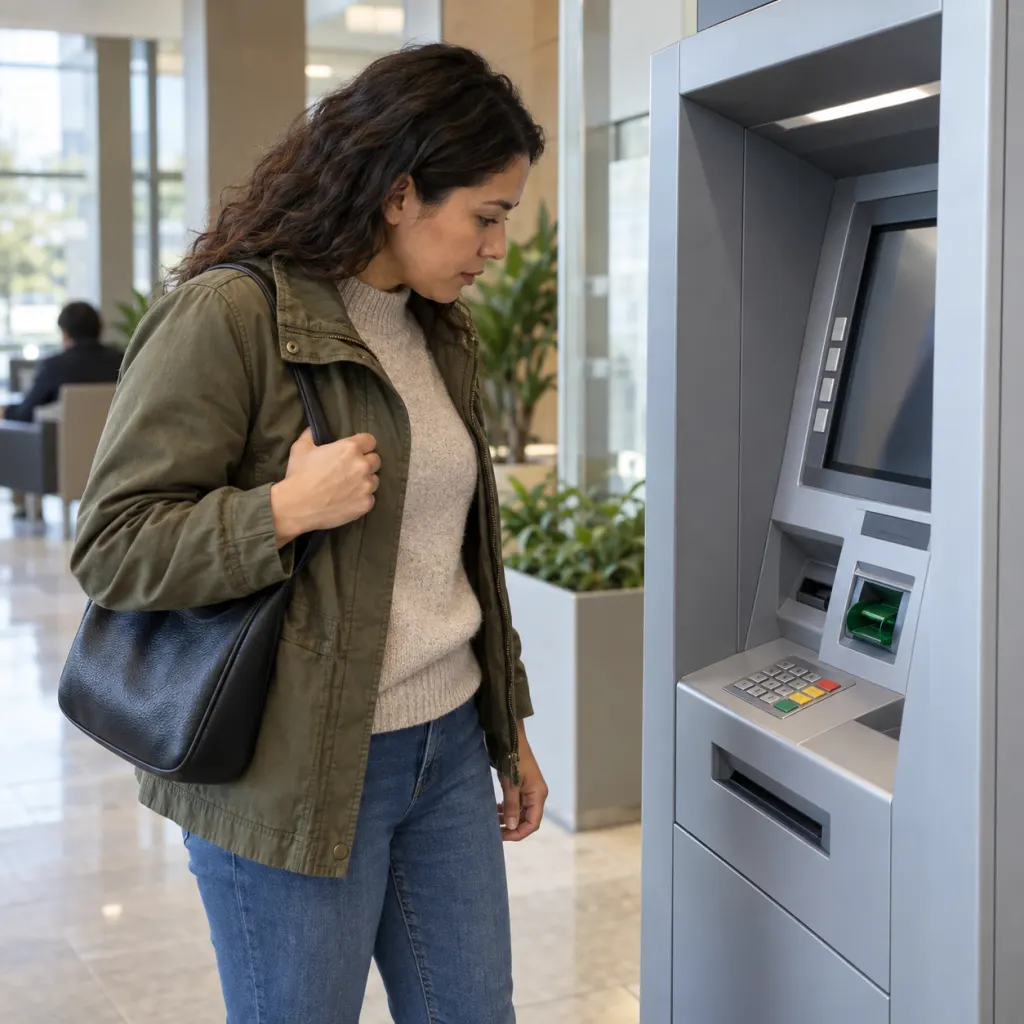
Before using an ATM, do one simple thing first: pause and inspect the machine before your card goes in. Look at the card slot, keypad, screen area, cash dispenser, and the space around you. If anything is loose, crooked, damaged, scratched, or oddly attached, use another machine. The FBI describes ATM skimming as the use of devices that capture card data and PIN entries, and it advises people to inspect machines and block the keypad when entering a PIN https://www.fbi.gov/news/stories/atm-skimming. That short check is not about being fearful. It is a practical reset that gives you time to notice tampering, avoid distraction, and decide whether this is the right place to withdraw cash.
The 20-Second Check Before Your Card Goes In
An ATM visit often feels automatic: card, PIN, amount, receipt, cash. That speed is convenient, but it also makes it easy to miss signs that a machine has been altered. A useful habit is to treat the first few seconds as a small inspection rather than the start of the transaction. Stand where you can see the whole front of the machine. Check whether the card reader looks firmly seated and aligned. Look for tape residue, scratches around seams, extra plastic around the slot, a keypad that sits higher than expected, or a privacy shield that looks newly added or uneven. The Office of the Comptroller of the Currency lists card skimming as one method used in credit and debit card fraud and advises consumers to use ATMs in secure, well-lit places, cover the keypad, and check whether terminal parts are loose or move unexpectedly https://www.occ.gov/topics/consumers-and-communities/consumer-protection/fraud-resources/credit-card-and-debit-card-fraud.html.
What ATM Skimming Actually Targets
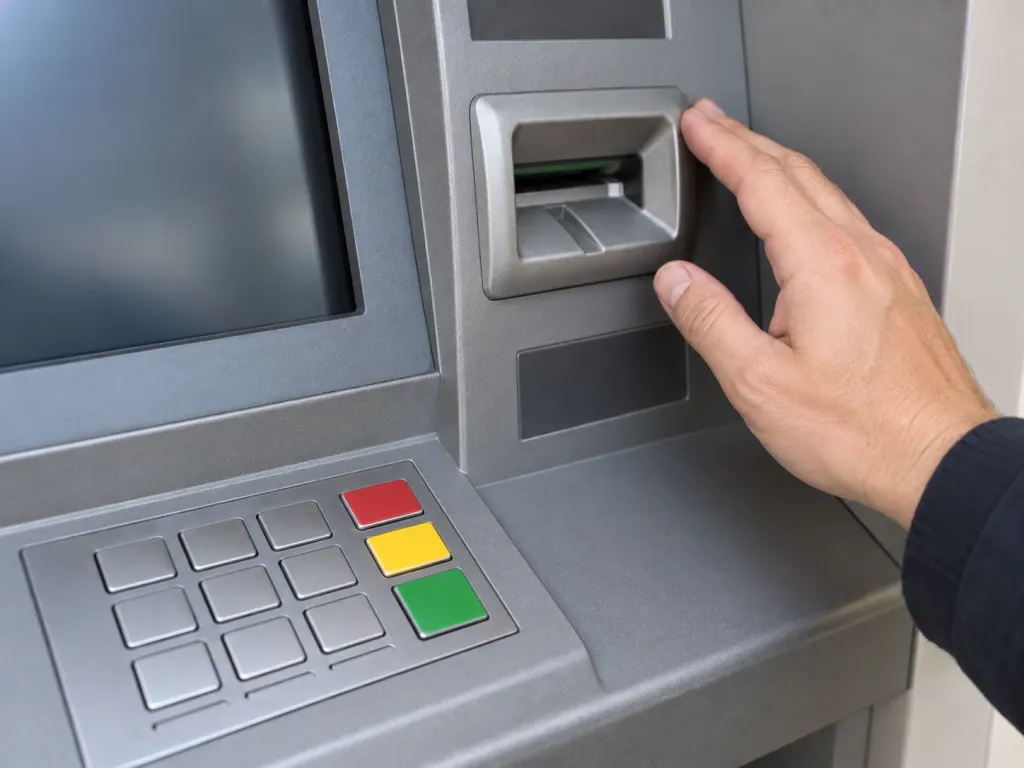
Skimming is not usually a dramatic scene at the machine. It can happen quietly when a device is placed over or inside a card reader to capture information from a card. A second device, such as a small camera or a keypad overlay, may be used to capture a PIN. The FBI explains that skimming schemes can pair a false card reader with a hidden camera or a false keypad, allowing stolen card data and PIN information to be used later https://www.fbi.gov/news/stories/atm-skimming. That is why two checks matter together: inspect the hardware before use, then shield the keypad while entering the PIN. One habit without the other leaves a gap.
Choose The Location Before You Choose The Machine
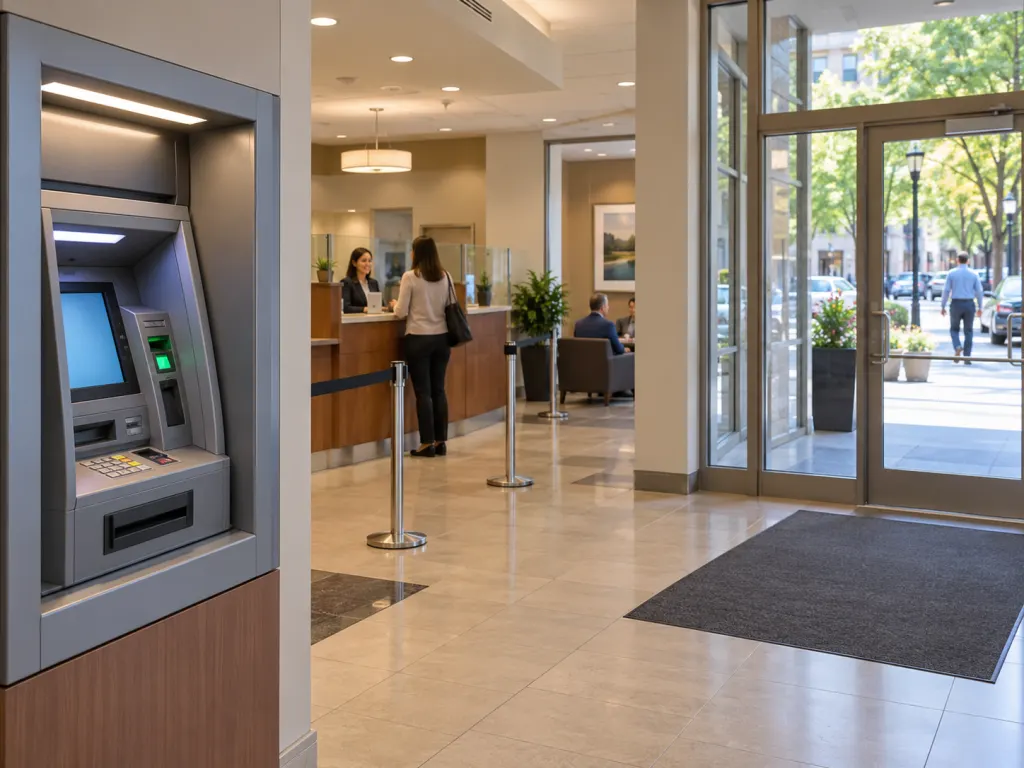
The setting around an ATM can matter as much as the machine itself. Indoor ATMs at bank branches are not automatically perfect, but they are often harder to access casually than isolated outdoor machines. The FBI advises using inside locations when possible because criminals have less access to install skimmers https://www.fbi.gov/news/stories/atm-skimming. When an indoor bank ATM is not available, choose a visible, well-lit machine with steady foot traffic and a clear path to leave. Avoid machines tucked behind buildings, placed in corners where someone can stand close without being noticed, or surrounded by clutter that blocks your view. If someone is hovering, asking for help, pointing at the machine, or trying to rush you, step away and use another ATM later.
Protect Your PIN Without Making A Scene
Covering the keypad is a small movement with a large purpose. Use your free hand, wallet, or body angle to shield the numbers from anyone nearby and from any camera that could be placed around the machine. Do this even when nobody seems to be watching. A camera can be small, and a person behind you does not need to be close for a PIN to be exposed. The habit should feel ordinary, like locking a door or checking a receipt. It is also wise to avoid entering a PIN while talking with a stranger, answering a phone call, or managing bags. If the moment feels distracted, press cancel, take your card, and restart only when you have your attention back.
Use this quick sequence before every withdrawal:
- Look at the card reader, keypad, screen edge, cash slot, and surrounding panels before inserting your card.
- Gently check whether the reader or keypad seems loose, raised, crooked, or inconsistent with the rest of the machine.
- Choose a well-lit, visible ATM, preferably inside a bank or another controlled location.
- Shield the keypad fully while entering your PIN.
- Cancel and leave if the machine keeps your card, behaves unusually, or someone tries to distract you.
- Check account activity afterward and report unfamiliar withdrawals or charges quickly.
Be Careful With Urgent Cash Requests
ATM safety is not only about the machine. It is also about why you are withdrawing cash. Scammers sometimes pressure people by phone, text, pop-up, or message and tell them to withdraw money quickly, keep the situation secret, or deposit cash somewhere else. The Federal Trade Commission has warned that scammers use Bitcoin ATMs as payment points in impersonation and tech-support scams, and it advises people not to withdraw cash in response to an unexpected call or message https://www.ftc.gov/news-events/data-visualizations/data-spotlight/2024/09/bitcoin-atms-payment-portal-scammers. A legitimate bank, business, or government agency should not need you to move cash through secrecy and pressure. If the withdrawal is being driven by panic, stop before the ATM screen becomes the next step.
After The Withdrawal, Finish Deliberately
The transaction is not quite over when the cash appears. Put the money away before walking off, and avoid counting it in a visible way if the setting feels exposed. Take the receipt only if you need it, and store or dispose of it carefully because receipts can contain account clues even when numbers are masked. Make sure the session has ended and the screen has returned to a neutral state. If the machine gives an error, fails to dispense cash after debiting the account, or displays a message that does not make sense, write down the location, time, ATM owner if visible, and transaction details as soon as you are away from the machine. Those notes can help when you contact your bank or credit union.
Watch Your Account, Even If The ATM Looked Normal
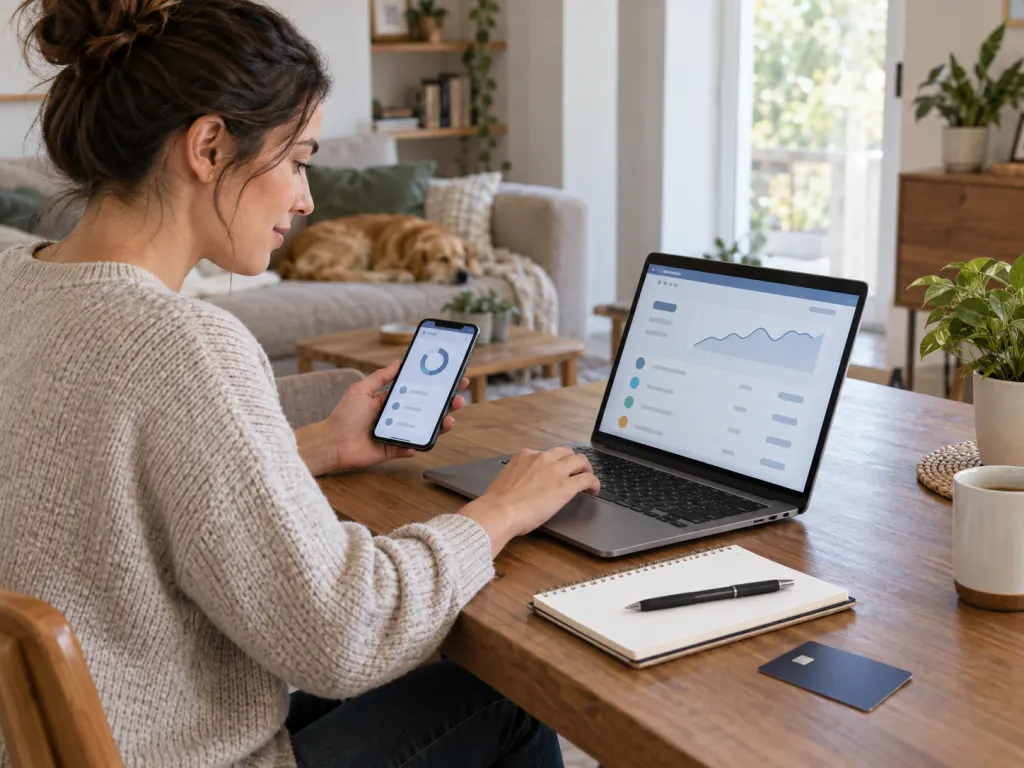
A clean-looking ATM does not guarantee that card information is safe. Some account misuse appears later, and small unfamiliar transactions can be used to test whether an account is active. The CFPB advises consumers to monitor accounts for suspicious activity, including unfamiliar merchant names and small charges, and to alert the card provider immediately if they suspect an unauthorized debit or charge https://www.consumerfinance.gov/consumer-tools/bank-accounts/watch-accounts-closely-when-card-data-is-hacked/. Transaction alerts can make this easier. Consider alerts for ATM withdrawals, card-not-present transactions, international activity, and low balances. Alerts are not a substitute for looking at statements, but they can shorten the time between a problem and your response.
Why Fast Reporting Matters
Federal rules for unauthorized electronic fund transfers depend heavily on timing. CFPB Regulation E explains that consumer liability for unauthorized transfers can fall into tiers, including up to $50, up to $500, or more depending on when the loss or theft is reported and when unauthorized transfers appear on a statement https://www.consumerfinance.gov/rules-policy/regulations/1005/6/. The FTC gives practical consumer guidance for lost or stolen credit, ATM, and debit cards, including reporting loss or theft immediately and continuing to watch accounts for fraudulent activity https://consumer.ftc.gov/articles/lost-or-stolen-credit-atm-and-debit-cards. The exact outcome can depend on card type, account terms, and timing, so the safest response is to contact the issuer as soon as something looks unfamiliar.
What To Do If Something Seems Wrong
If you suspect tampering before using the ATM, do not insert your card. Leave the machine and report the concern to the bank, store manager, ATM owner, or local authorities as appropriate. If you already used the ATM and later notice unfamiliar activity, contact your bank or credit union through a trusted channel. Ask whether the card should be blocked or replaced, whether the PIN should be changed, and how to submit a written dispute or error notice. Keep copies of messages, claim numbers, dates, times, ATM locations, receipts, and screenshots of account activity. If your bank does not resolve a banking or credit issue after you contact it, USAGov directs consumers to complaint options, including the Consumer Financial Protection Bureau complaint process https://www.usa.gov/bank-credit-complaints.
A Calm Routine Is Better Than A Complicated One
The best ATM safety routine is short enough to remember when you are tired, traveling, or in a hurry. Pick a safer location, inspect the machine, shield the PIN, secure the cash, and review the account. That is the whole pattern. You do not need specialized equipment or expert knowledge to make better choices at the machine. You only need a few repeatable habits that interrupt autopilot. The goal is not to suspect every ATM. The goal is to give yourself permission to slow down, notice what is in front of you, and walk away when the setting, machine, or request for cash does not feel right.
Wrap-Up
ATM safety before withdrawal comes down to a few steady habits: inspect the machine before inserting your card, choose a visible and well-lit location, shield your PIN every time, avoid withdrawals driven by unexpected pressure, and monitor your accounts after using your card. If anything looks loose, damaged, unusually attached, or distracting, cancel the transaction and leave. If a card is retained or an unfamiliar withdrawal appears, contact your issuer quickly through a trusted channel and keep records of what happened.
Frequently Asked Questions
- → What is the first thing I should do before using an ATM?
Pause and inspect the machine before inserting your card. Look for loose, crooked, raised, damaged, scratched, or oddly attached parts around the card reader, keypad, screen, and cash slot. If anything seems unusual, use another ATM.
- → Is covering the keypad really necessary if no one is nearby?
Yes. Covering the keypad helps protect your PIN from people nearby and from possible hidden cameras. The habit takes only a moment, and it works best when you do it every time rather than only when the area feels suspicious.
- → Are indoor ATMs always safer than outdoor ATMs?
Indoor machines are not risk-free, but they may be less accessible for tampering than isolated outdoor machines. When possible, choose an ATM in a bank or a visible, well-lit location with a clear exit path.
- → What should I do if the ATM keeps my card?
Contact your card issuer immediately through a trusted phone number, banking app, or official website. Do not rely on a phone number posted on a suspicious machine. Ask whether the card should be blocked or replaced and keep notes about the ATM location and time.
- → How soon should I report an unfamiliar ATM withdrawal?
Report it as soon as you notice it. Federal protections for unauthorized electronic fund transfers can depend on timing, and fast reporting can help limit further account activity. Keep copies of receipts, messages, dates, and claim numbers.
References
This content was developed and refined using reliable sources.
- https://www.fbi.gov/news/stories/atm-skimming
- https://www.occ.gov/topics/consumers-and-communities/consumer-protection/fraud-resources/credit-card-and-debit-card-fraud.html
- https://www.ftc.gov/news-events/data-visualizations/data-spotlight/2024/09/bitcoin-atms-payment-portal-scammers
- https://www.consumerfinance.gov/consumer-tools/bank-accounts/watch-accounts-closely-when-card-data-is-hacked
- https://www.consumerfinance.gov/rules-policy/regulations/1005/6
- https://consumer.ftc.gov/articles/lost-or-stolen-credit-atm-and-debit-cards
- https://www.usa.gov/bank-credit-complaints