 Save
Atorvastatin is a statin medicine used in cardiovascular risk care, and it is commonly taken for long periods. The direct answer is simple: many side effects are mild, such as headache, diarrhea, gas, nausea, constipation, joint pain, or trouble sleeping, but a smaller group of symptoms should be reported promptly, especially unexplained muscle pain or weakness, dark urine, yellowing skin or eyes, severe rash, swelling, breathing trouble, chest pain, or unusual exhaustion. Authoritative patient information from MedlinePlus, FDA-linked labeling on DailyMed, and the FDA cholesterol medicines guide all point to the same practical theme: do not panic, do not ignore serious warning signs, and do not change your medicine plan without professional guidance.
Why This Topic Needs a Calmer Frame
The phrase “hidden dangers” can make atorvastatin sound mysterious, but the better question is more useful: which side effects are common, which are uncommon but important, and which symptoms need urgent attention? Statin side effects are not experienced the same way by everyone. Some people notice no change at all. Others develop symptoms soon after starting, after a change in their prescription plan, or after another medicine is added. The safest approach is to know the recognized patterns and keep a written symptom record rather than guessing.
Atorvastatin belongs to the statin class. Patient information from Cleveland Clinic lists several issues to discuss before and during use, including liver disease, kidney disease, thyroid disease, diabetes, muscle cramps or pain, frequent alcohol use, grapefruit juice, and the full list of prescription medicines, over-the-counter products, vitamins, herbs, and supplements a person takes. That does not mean every person with one of those factors will have a problem. It means those details help a clinician judge risk and monitoring needs.

Fifteen Side Effects and Warning Signs to Recognize
A practical list is easier to use than a frightening one. The following fifteen items combine commonly listed atorvastatin side effects with less common warning signs that deserve attention. They are not a diagnosis checklist, and they do not prove atorvastatin is the cause. They are signals worth tracking and discussing, especially when a symptom is new, persistent, severe, or appears with other warning signs.
- Diarrhea: MedlinePlus lists diarrhea among symptoms that can occur and should be mentioned if severe or persistent.
- Heartburn, gas, or indigestion: stomach discomfort can be bothersome even when it is not dangerous.
- Nausea or appetite change: nausea becomes more concerning when it appears with right upper belly pain, dark urine, unusual bleeding, or yellowing skin or eyes.
- Constipation: bowel changes can affect daily comfort and are worth noting if they continue.
- Headache: headache is listed in FDA consumer material as a common statin side effect.
- Runny or stuffy nose and sore throat symptoms: DailyMed lists nasopharyngitis among common adverse reactions in atorvastatin labeling.
- Joint pain: joint pain appears in patient information from MedlinePlus and FDA consumer guidance.
- Back, arm, or leg pain: pain in the extremities appears in atorvastatin labeling and may overlap with other everyday causes.
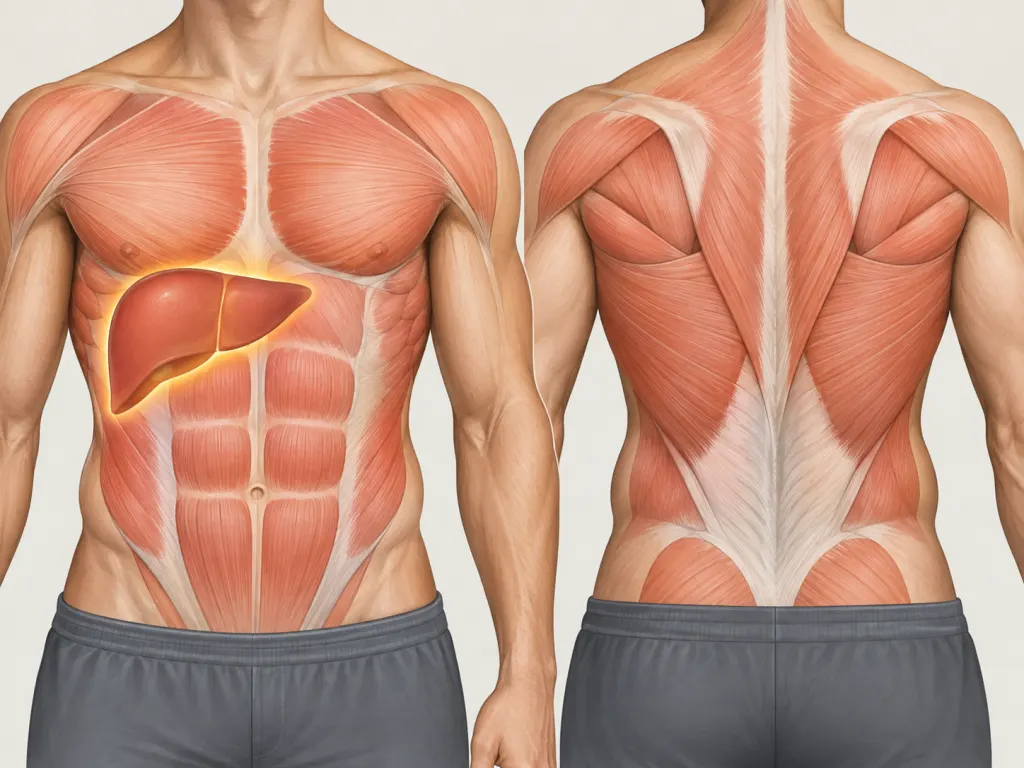
- Muscle pain, tenderness, cramps, or weakness: this is the symptom group clinicians take especially seriously when it is unexplained.
- Dark urine or reduced urination with muscle symptoms: this combination can signal muscle injury that needs prompt care.
- Unusual tiredness or lack of energy: fatigue can be nonspecific, but it matters when severe or paired with muscle or liver-related symptoms.
- Yellowing skin or eyes, pale stool, or right upper belly pain: these can point to liver trouble and should be reported promptly.
- Rash, itching, hives, swelling, or breathing trouble: these can signal an allergic reaction, especially when the face, lips, tongue, or throat are involved.
- Forgetfulness, memory loss, or confusion: MedlinePlus lists these as symptoms to tell a doctor about if they are severe or do not go away.
- Blood sugar changes: FDA and Cleveland Clinic patient materials note that statins may be associated with higher blood sugar in some people, particularly those already at risk.
Muscle Symptoms Are the Ones to Take Seriously
Mild aches happen for many reasons, including exercise, infection, poor sleep, dehydration, or another condition. Still, atorvastatin labeling gives special attention to unexplained muscle pain, tenderness, or weakness, particularly when it comes with malaise, fever, or dark urine. DailyMed describes rare but serious muscle injury, including rhabdomyolysis, and lists risk factors such as age 65 or older, renal impairment, uncontrolled hypothyroidism, certain medicine combinations, and higher prescribed strengths of atorvastatin.
The practical step is not to decide on your own whether the pain is “really” from atorvastatin. Write down where the pain is, whether it affects both sides of the body, whether it is in large muscles such as thighs or shoulders, when it started, whether activity makes it worse, and whether there is weakness, fever, or dark urine. Mayo Clinic notes that muscle pain is one of the most commonly reported statin concerns, while very severe muscle injury is rare. That balance matters: symptoms should be taken seriously without assuming the worst.
Liver-Related Symptoms Are Uncommon but Important
Atorvastatin can be associated with liver test changes. LiverTox, an NIH resource on medicine-related liver injury, describes mild, usually temporary aminotransferase elevations during therapy and says clinically apparent acute liver injury is rare for atorvastatin. The patient-facing takeaway is not to request constant testing on your own schedule, but to know the warning signs that make a call important: unusual fatigue or weakness, loss of appetite, right upper belly pain, dark urine, yellowing skin or eyes, or unusual bleeding or bruising.
DailyMed labeling says liver enzyme testing may be considered before starting atorvastatin and when clinically indicated afterward. That wording leaves room for individual care. Someone with past liver disease, heavy alcohol use, multiple medicines, or new symptoms may be handled differently from someone who has been stable for years. If you are worried, ask your clinician what monitoring plan applies to you and what symptoms should trigger a same-day call.
Digestive, Sleep, Skin, and Memory Changes Can Still Matter
Not every side effect is an emergency. Diarrhea, constipation, gas, heartburn, nausea, upset stomach, headache, joint pain, back pain, rash, and trouble sleeping are all listed in reputable patient materials across MedlinePlus, FDA, Mayo Clinic, and Cleveland Clinic sources. These symptoms may be mild and temporary, but they still matter when they affect eating, sleep, work, exercise, or the ability to keep taking medicine as prescribed. A symptom diary can turn a vague complaint into useful information.
Memory loss, forgetfulness, or confusion can be especially unsettling because they are hard to measure. MedlinePlus includes forgetfulness, memory loss, and confusion in its atorvastatin patient information. Mayo Clinic discusses mental fuzziness among reported statin concerns and emphasizes talking with the healthcare team rather than stopping medication abruptly. If memory changes are sudden, severe, or accompanied by weakness on one side, slurred speech, chest pain, fainting, or severe headache, treat that as urgent rather than waiting for a routine appointment.
What Raises the Chance of Side Effects?
Risk is personal. The FDA advises people to tell their healthcare provider about allergies, liver problems, kidney problems, diabetes, thyroid problems, unexplained muscle aches or weakness, frequent alcohol use, and all medicines and supplements they take. Cleveland Clinic also tells patients not to take atorvastatin with grapefruit juice and to share a full list of medicines, herbs, supplements, smoking, alcohol, and other substance use. This is not busywork. A complete list helps the pharmacist or doctor identify combinations that may increase muscle, liver, or blood sugar concerns.
Age can also matter. DailyMed labeling lists age 65 or older among risk factors for myopathy. Kidney impairment and uncontrolled hypothyroidism are also named risk factors. If you have several risk factors, the question to ask is not “Is atorvastatin safe or unsafe?” but “What should I watch for, what labs do you want, and who should I call if symptoms appear after hours?” That kind of conversation is more useful than relying on social media stories or stopping silently.
When to Call, When to Seek Urgent Help
Call your doctor or pharmacist for symptoms that are persistent, new after starting atorvastatin, or disruptive to daily life. Examples include ongoing diarrhea, nausea, headache, insomnia, joint pain, back pain, mild rash, memory concerns, or muscle aches that do not clearly match exercise or injury. Seek urgent help for trouble breathing or swallowing, swelling of the face or throat, chest pain, severe rash or blistering, dark urine with muscle pain or weakness, yellowing skin or eyes, severe right upper belly pain, fainting, or sudden neurologic symptoms.
MedlinePlus specifically says not to stop atorvastatin without talking to a doctor. That advice is important because stopping, restarting, or changing timing without guidance can make it harder to interpret symptoms and can disrupt a broader care plan. If side effects are suspected, clinicians may review the symptom timeline, check other possible causes, adjust the plan, or consider another option. The exact choice belongs in a medical visit, not in a comment thread or a headline.

How to Prepare for a Better Appointment
Good notes make the conversation easier. Bring the atorvastatin bottle or a photo of the label, a list of every medicine and supplement you use, and a short symptom log. Include the date symptoms started, what they feel like, where they are, whether they are getting better or worse, and what else changed around the same time. Note new exercise, illness, dehydration, alcohol changes, grapefruit intake, recent antibiotics or antifungal medicine, and any missed doses. The point is not to prove blame; it is to give your healthcare professional enough detail to make a safer decision.
You can also ask direct questions: Which symptoms should make me call the same day? Do I need any lab work because of my history? Are any of my other medicines, supplements, or foods a concern with atorvastatin? Should I take it at a particular time, or is consistency the main goal for me? If I develop muscle symptoms, what should I do before the next appointment? These questions keep the visit practical and reduce the chance that a worry gets dismissed or misunderstood.
Bottom Line
Atorvastatin side effects range from everyday discomforts to rare warning signs that need prompt care. The most important symptoms to recognize are unexplained muscle pain or weakness, dark urine, reduced urination, yellowing skin or eyes, right upper belly pain, severe rash, swelling, breathing or swallowing trouble, chest pain, severe fatigue, and sudden confusion or neurologic changes. For milder symptoms, tracking details and contacting your doctor or pharmacist is usually the most useful next step.
Wrap-Up
Atorvastatin is often tolerated well, but it can cause side effects. Commonly discussed issues include digestive upset, headache, joint pain, back or limb pain, runny or stuffy nose symptoms, trouble sleeping, rash, memory changes, and blood sugar changes. More urgent warning signs include unexplained muscle weakness or pain with dark urine, yellowing skin or eyes, severe rash or swelling, breathing trouble, chest pain, and sudden neurologic symptoms. Keep a symptom log, bring a complete medicine and supplement list to appointments, and make changes only with guidance from a doctor or qualified health professional.
Frequently Asked Questions
- → What atorvastatin side effect should I take most seriously?
Unexplained muscle pain, tenderness, cramps, or weakness deserves attention, especially with fever, unusual tiredness, dark urine, or reduced urination. Call a doctor promptly or seek urgent care if symptoms are severe.
- → Can atorvastatin cause stomach problems?
Yes. Patient information sources list diarrhea, nausea, constipation, gas, heartburn, indigestion, and upset stomach among possible side effects. If symptoms are severe, persistent, or paired with yellowing skin or eyes, contact a doctor.
- → Should I stop atorvastatin if I think it is causing side effects?
Do not stop it on your own. Contact your doctor or pharmacist, describe the symptoms and timing, and ask what to do next. A guided plan is safer and easier to interpret than stopping silently.
- → What should I track before calling my doctor?
Write down when the symptom started, where it is, how severe it is, whether it affects daily activity, and whether you also have fever, dark urine, rash, swelling, yellowing skin or eyes, chest pain, or breathing trouble.
- → Why does my doctor ask about grapefruit, supplements, and other medicines?
Some foods, supplements, and medicines can change how atorvastatin is handled by the body or add to side effect risk. A complete list helps your doctor or pharmacist check for concerns specific to you.
References
This content was developed and refined using reliable sources.
- https://medlineplus.gov/druginfo/meds/a600045.html
- https://dailymed.nlm.nih.gov/dailymed/lookup.cfm?setid=17f779f2-48ac-4719-bf37-0ee162f91144
- https://www.fda.gov/consumers/womens-health-topics/cholesterol-medicines-guide
- https://www.ncbi.nlm.nih.gov/books/NBK548236
- https://www.mayoclinic.org/diseases-conditions/high-blood-cholesterol/in-depth/statin-side-effects/art-20046013
- https://my.clevelandclinic.org/health/drugs/19081-atorvastatin-tablets