 Save
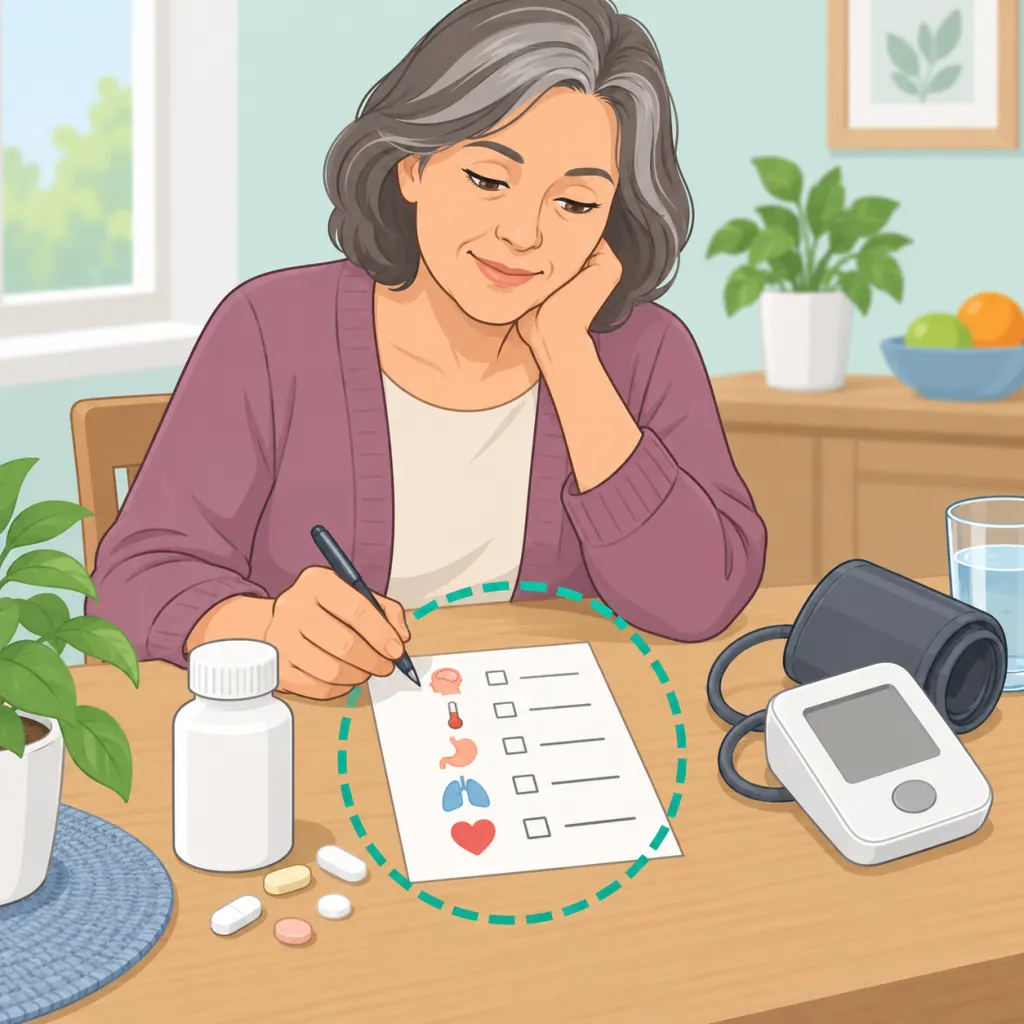
Amlodipine is a calcium channel blocker used for high blood pressure and certain types of chest pain, and it works by relaxing blood vessels so the heart does not have to work as hard. Like all medicines, it can cause side effects, and some are easier to miss than others. This guide explains how to recognize common symptoms, document them clearly, and know when to contact a health professional.
Step 1: Take amlodipine exactly as prescribed
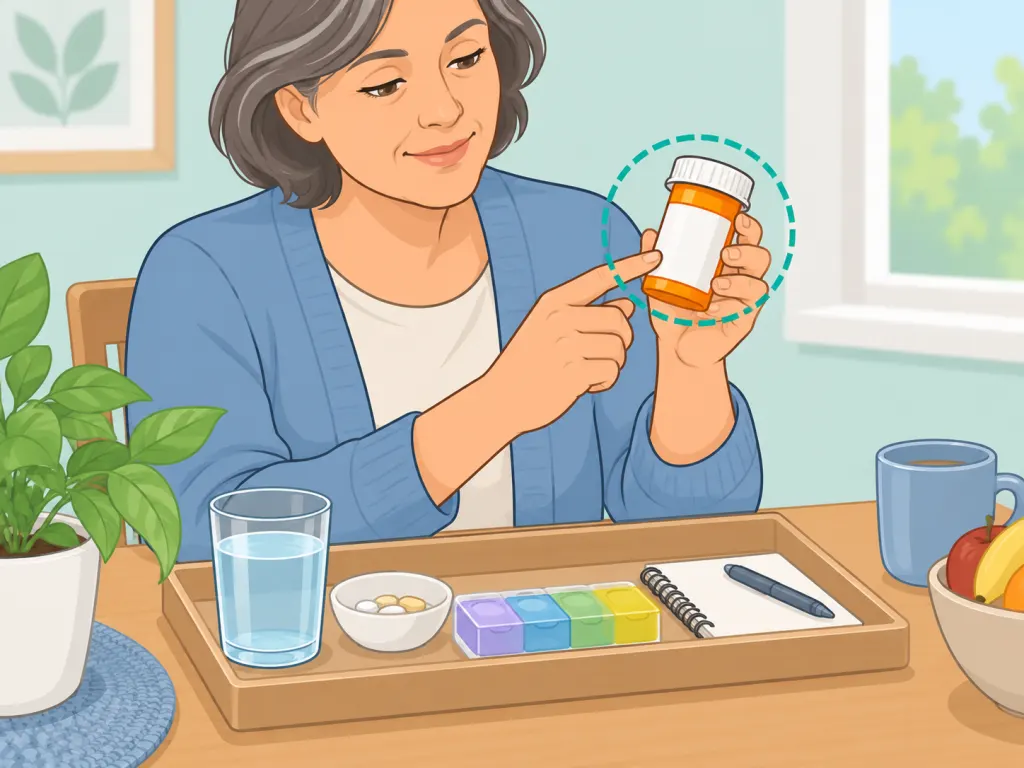
Take amlodipine at the time and in the amount your prescription label says, and do not take more or less unless your clinician tells you to. MedlinePlus says amlodipine is used for high blood pressure, angina, and coronary artery disease, and that people should keep taking it even if they feel well unless their doctor advises a change.
Step 2: Track swelling in your hands, ankles, feet, or legs
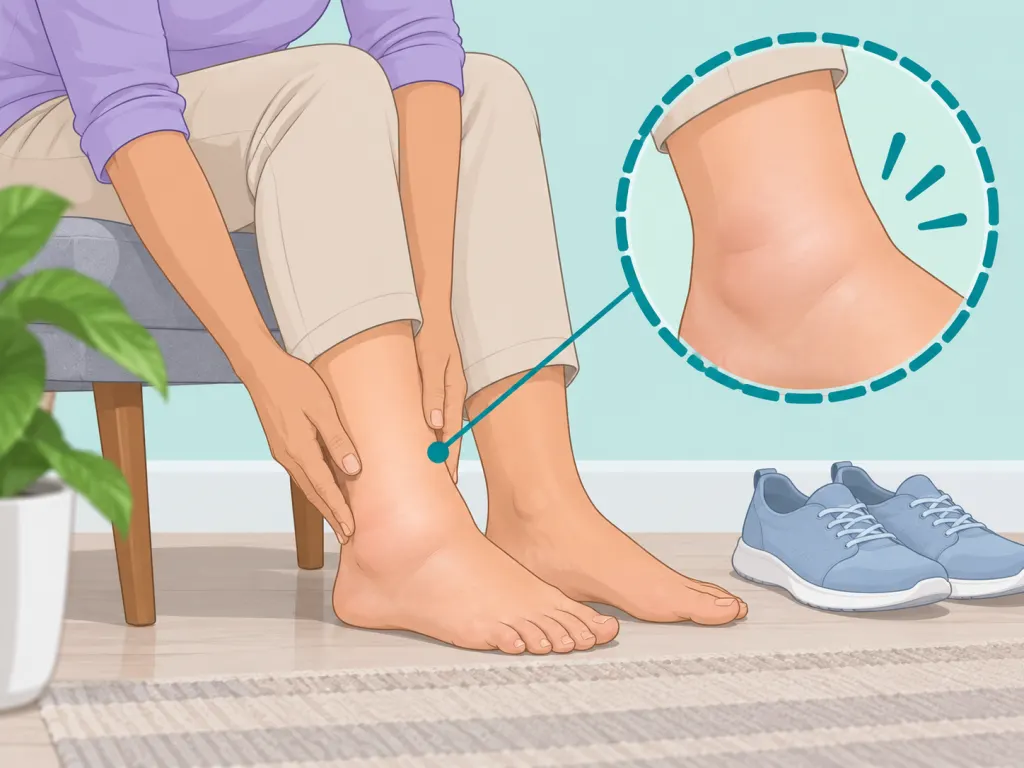
Look for new puffiness, tight shoes or socks, or swelling that is worse at the end of the day. Swelling of the hands, feet, ankles, or lower legs is listed by MedlinePlus, and the NHS lists swelling in the ankles, feet, and legs among common side effects. Tell your doctor if swelling is painful, sudden, worsening, or paired with breathing trouble.
Step 3: Stand up slowly if you feel dizzy or sleepy
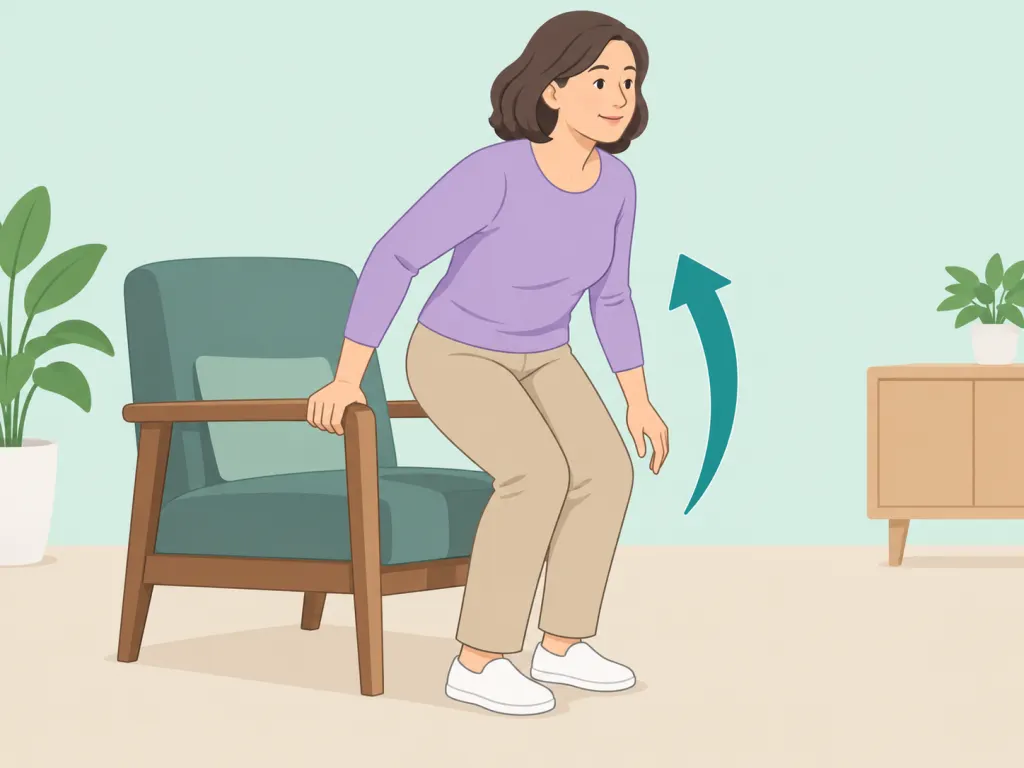
Rise from sitting or lying down in stages, and pause before walking if you feel lightheaded. Cleveland Clinic advises sitting or standing slowly to reduce dizzy or fainting spells and avoiding driving or machinery until you know how amlodipine affects you. The NHS also lists headaches, dizziness, and sleepiness as common side effects.
Step 4: Write down flushing, palpitations, fatigue, and stomach symptoms
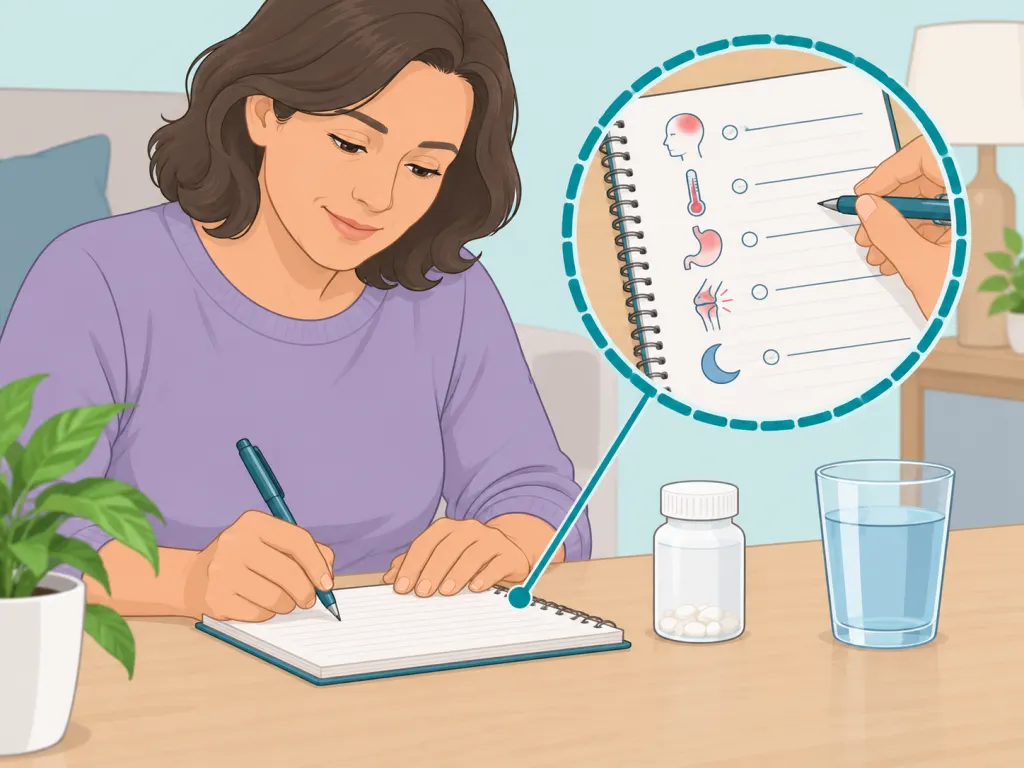
Keep a brief symptom log with the time, what you felt, how long it lasted, and whether it affected normal activities. NHS guidance lists flushing, palpitations, nausea, tummy pain, constipation, diarrhoea, weakness, and fatigue as possible side effects. Bring the list to your next appointment so your clinician can see patterns instead of guessing from memory.
Notice gum tenderness, swelling, bleeding, or mouth irritation when brushing or flossing. Mayo Clinic says gum tenderness, swelling, or bleeding may appear after treatment starts and recommends careful brushing, flossing, gum care, and regular dental cleanings. Contact your doctor or dentist if gum changes persist or interfere with eating or oral care.
Step 6: Review other medicines, alcohol, and grapefruit with a pharmacist

Before adding over-the-counter medicines, supplements, or herbal products, ask a pharmacist or doctor whether they are safe with your prescription. The NHS advises avoiding grapefruit or grapefruit juice while taking amlodipine and limiting alcohol because it can raise the risk of low blood pressure. Cleveland Clinic also recommends giving your care team a full list of medicines, herbs, non-prescription products, and supplements you use.
Step 7: Watch for skin, face, throat, or breathing symptoms

Get medical help quickly for a widespread rash, hives, itching, blistering or peeling skin, swelling of the face, lips, tongue, or throat, or trouble breathing. Cleveland Clinic lists allergic reaction symptoms that should be reported as soon as possible, and the NHS lists rare serious reactions that need urgent advice.
Step 8: Know when to see a doctor or seek emergency help

Call your doctor immediately or seek emergency care for more frequent or more severe chest pain, rapid or irregular heartbeat, fainting, severe dizziness, shortness of breath, or chest pain spreading to the arms, jaw, back, or neck. MedlinePlus lists more frequent or severe chest pain, rapid or irregular heartbeat, and fainting as serious symptoms, while Mayo Clinic advises prompt help for chest discomfort with symptoms such as trouble breathing, sweating, nausea, or pain in nearby areas.
Step 9: Keep follow-up visits and report serious problems
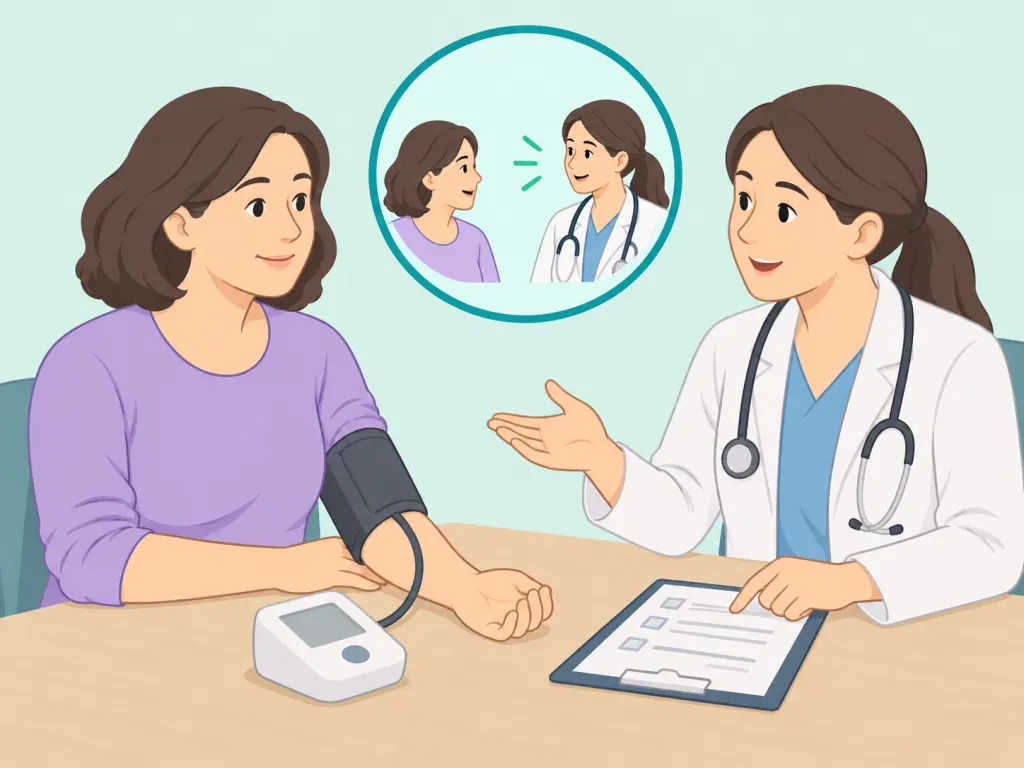
Keep scheduled checkups and blood pressure checks so your clinician can judge whether the medicine is working for you. MedlinePlus recommends keeping appointments and checking blood pressure regularly, and the FDA MedWatch program accepts safety reports from patients, consumers, and health professionals about prescription medicines. Reporting does not replace medical care, so contact your clinician about symptoms that are severe, persistent, or worrying.
Wrap-Up
The bottom line: keep taking amlodipine as directed, track new or bothersome symptoms, and contact a doctor or pharmacist before making changes. Seek urgent help for chest pain that is more frequent or severe, fainting, trouble breathing, or swelling of the face, lips, tongue, or throat.
Frequently Asked Questions
- → Is ankle swelling common with amlodipine?
Yes. Swelling of the ankles, feet, hands, or lower legs is listed as a possible side effect by MedlinePlus and the NHS. Tell your doctor if swelling is new, uncomfortable, worsening, or paired with shortness of breath.
- → Should I stop amlodipine if I get side effects?
No, do not stop it on your own. MedlinePlus says to continue taking amlodipine unless your doctor tells you otherwise, and the NHS advises speaking with a pharmacist or doctor about side effects that bother you or do not go away.
- → Can amlodipine make me dizzy or sleepy?
Yes. Dizziness, lightheadedness, drowsiness, and tiredness are listed possible side effects. Cleveland Clinic advises standing slowly and avoiding driving or machinery until you know how the medicine affects you.
- → What symptoms need urgent medical help?
Seek urgent help for fainting, rapid or irregular heartbeat, more frequent or severe chest pain, trouble breathing, or swelling of the face, lips, tongue, or throat. These warning signs are listed by MedlinePlus, Cleveland Clinic, and the NHS.
- → Can amlodipine affect my gums?
It can. Mayo Clinic notes that gum tenderness, swelling, or bleeding can appear in some people after starting amlodipine. Keep regular dental care and ask your doctor or dentist if you notice changes.
- → Can I report a serious side effect myself?
Yes. The FDA MedWatch program accepts reports from patients, consumers, and health professionals about serious problems with medicines.
References
This content was developed and refined using reliable sources.
- https://medlineplus.gov/druginfo/meds/a692044.html
- https://www.nhs.uk/medicines/amlodipine/side-effects-of-amlodipine
- https://www.mayoclinic.org/drugs-supplements/amlodipine-oral-route/description/drg-20061784
- https://my.clevelandclinic.org/health/drugs/20686-amlodipine-tablets
- https://www.fda.gov/safety/medwatch-fda-safety-information-and-adverse-event-reporting-program