 Save
Swollen legs may signal a health problem when the swelling is sudden, unexplained, mostly on one side, painful, associated with redness or warmth, or paired with shortness of breath, chest discomfort, fainting, or coughing blood. Mild ankle puffiness after a long day, hot weather, or prolonged sitting can happen, but persistent or changing swelling should not be ignored. MedlinePlus describes edema as swelling from fluid in body tissues that often appears in the feet, ankles, and legs, while Mayo Clinic notes that leg swelling can also come from inflammation after injury or disease. The key is the pattern: how fast it appeared, whether one or both legs are involved, what other symptoms come with it, and whether it improves with ordinary movement and rest.
Why Legs Swell In The First Place
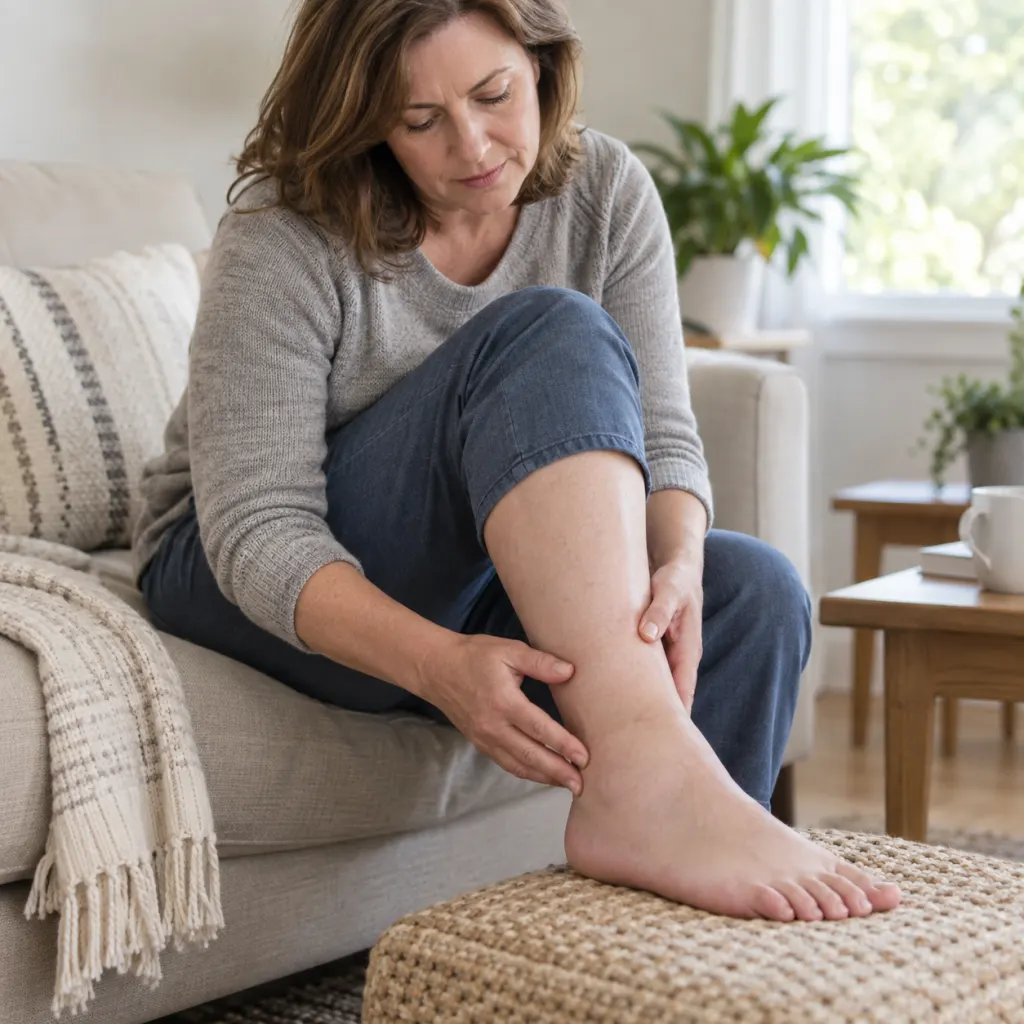
Leg swelling is a visible sign, not a single condition. Fluid can collect in the lower body because gravity makes the legs a common place for extra fluid to settle, especially after sitting or standing for hours. Swelling can also come from inflamed tissues after a sprain, fracture, infection, or joint problem. Mayo Clinic explains that leg swelling may involve the feet, ankles, calves, or thighs, and may result from fluid buildup or inflammation in damaged tissues or joints: Mayo Clinic.
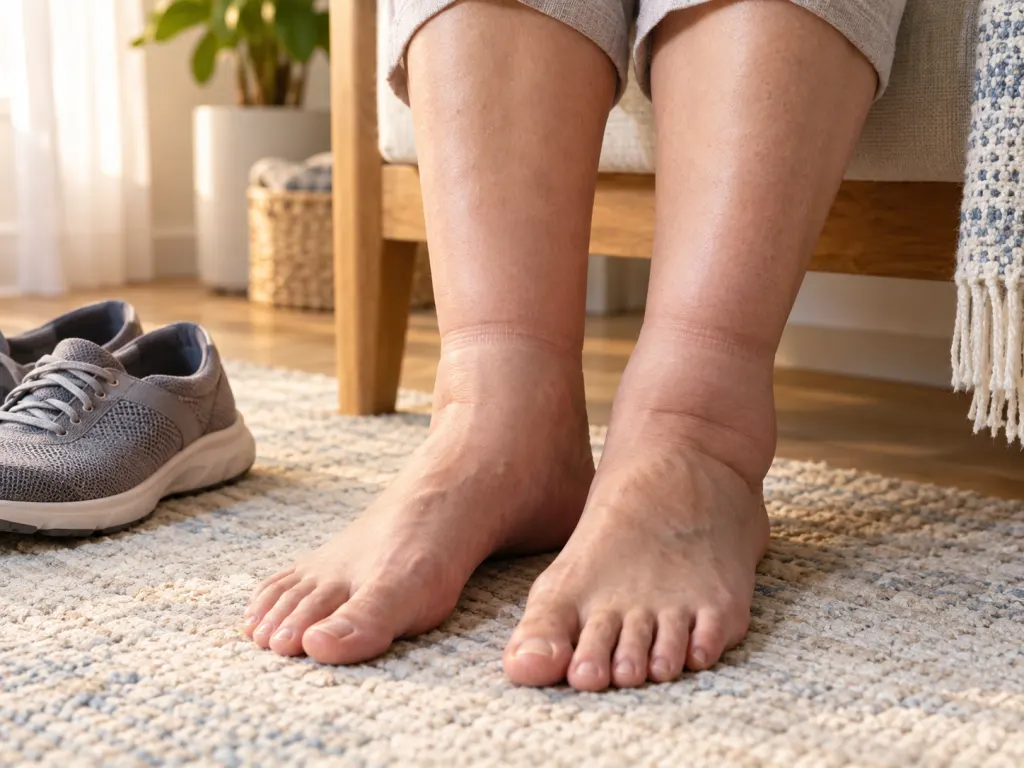
Because the causes vary widely, the most useful first step is to describe the swelling carefully. Notice whether it is in one leg or both, whether it leaves a dent when pressed, whether the skin feels warm or tight, and whether shoes or socks suddenly feel different. Also note timing: swelling that appears after travel, a day on your feet, a salty meal, or a minor injury has a different meaning from swelling that appears overnight with no clear trigger.
Red Flags That Need Urgent Attention
Some combinations of symptoms should be treated as urgent. Seek emergency help for leg swelling with chest discomfort, trouble breathing, shortness of breath when lying down, fainting, dizziness, or coughing blood. Mayo Clinic lists these as signs that may point to a serious heart condition or a blood clot that has traveled to the lungs. Sudden unexplained swelling, swelling after a significant injury, or swelling in one leg with pain, cool skin, or pale color also deserves immediate medical attention.
The Centers for Disease Control and Prevention says deep vein thrombosis, or DVT, can cause swelling, pain or tenderness, warmth, and redness or discoloration in the affected leg or arm, and that about half of people with DVT have no symptoms. The CDC also notes that a pulmonary embolism can occur without obvious DVT symptoms first: CDC. That uncertainty is why new one-sided swelling is worth taking seriously rather than trying to explain it away.
Patterns That Are More Often Temporary
Not every swollen ankle means something severe. MedlinePlus notes that foot, leg, and ankle swelling can occur after long airplane flights or car rides, long periods of standing, injury or surgery involving the leg, ankle, or foot, and other common situations: MedlinePlus Medical Encyclopedia. When swelling is mild, affects both lower legs, follows a clear trigger, and improves after movement, rest, and leg elevation, it is less alarming than swelling that keeps returning or worsens.
Still, “temporary” should not mean “dismissed.” If a pattern repeats often, lasts more than a short period, limits walking, or comes with skin tightness, discomfort, or visible changes, it is reasonable to schedule a medical visit. Swelling that looks simple from the outside can overlap with vein, kidney, heart, liver, lymph, medicine-related, or inflammatory causes. A clinician can compare both legs, review medicines, check circulation, examine the skin, and decide whether tests are needed.
Clues That Veins May Be Involved
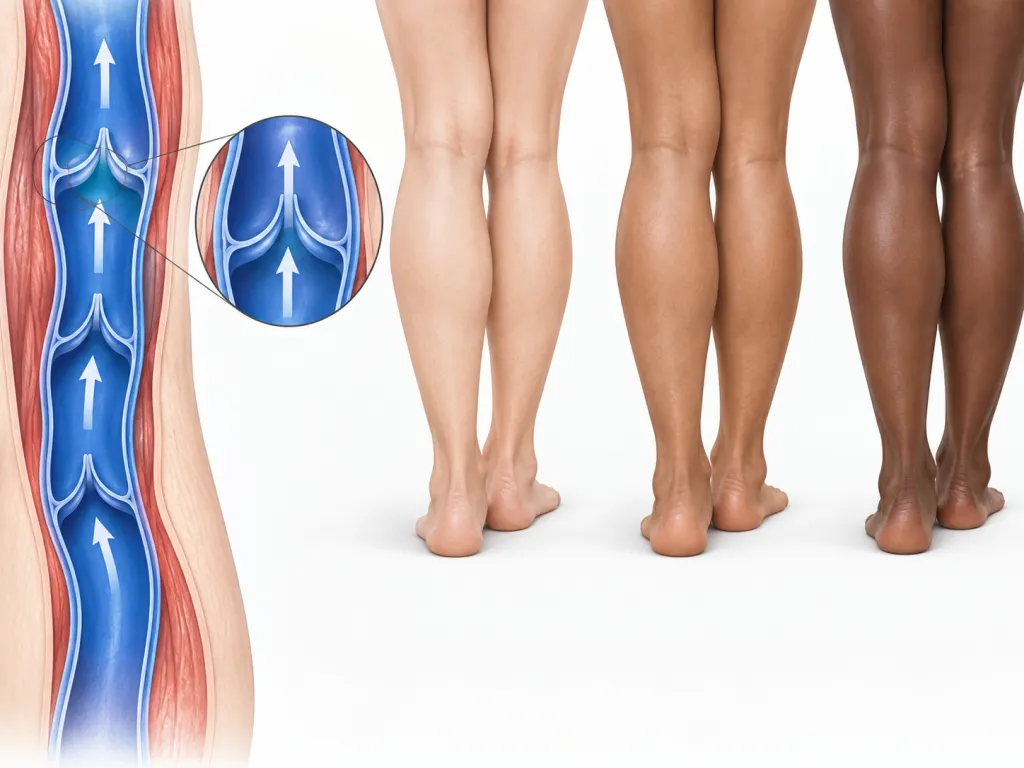
Vein problems are a common reason for swelling that is worse near the ankles or at the end of the day. In chronic venous insufficiency, valves in leg veins do not move blood back toward the heart as well as they should, so blood can pool in the legs and raise pressure inside the veins. Cleveland Clinic describes chronic venous insufficiency as a condition that can cause lower-leg and ankle edema, heaviness, aching, itching, varicose veins, and reddish-brown skin discoloration: Cleveland Clinic.
Vein-related swelling often has a rhythm. It may be lighter in the morning, build during the day, and improve when the legs are elevated. Socks may leave deeper marks. The lower legs may feel heavy rather than sharply painful. Over time, skin around the ankles can look darker, dry, itchy, or firmer. These changes are worth mentioning early because skin under long-standing swelling can become fragile and harder to care for.
When Fluid Balance Points Beyond The Legs
Leg swelling can also reflect how the whole body is handling fluid. MedlinePlus lists heart failure, kidney disease, liver problems from cirrhosis, pregnancy, lymph node problems, some medicines, salt intake, and warm-weather standing or walking among causes of edema: MedlinePlus. That does not mean a swollen ankle identifies one of those causes by itself. It means swelling should be read with other clues: breathlessness, changes in urination, abdominal swelling, fatigue, rapid weight change, or swelling in the hands or face.
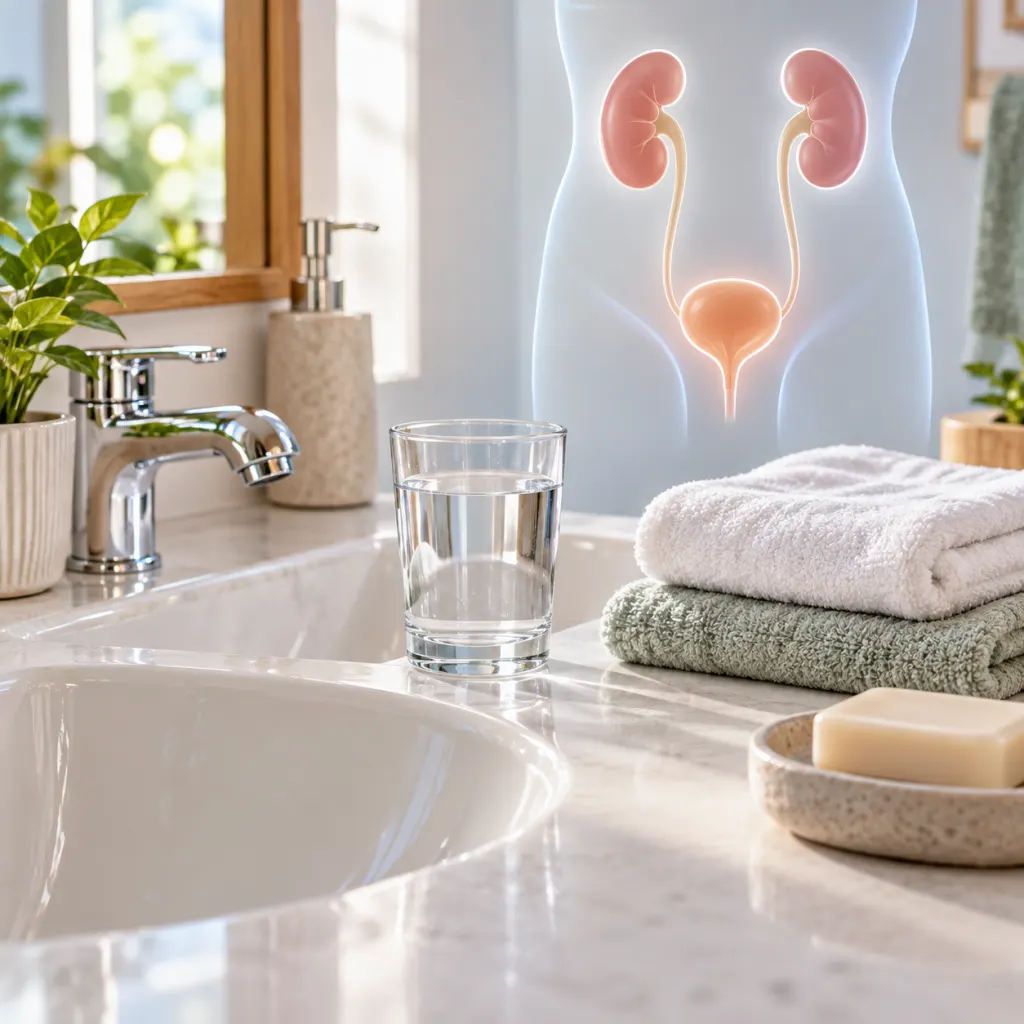
Kidney-related swelling is one example of why context matters. The National Institute of Diabetes and Digestive and Kidney Diseases explains that people with chronic kidney disease may develop edema when the kidneys cannot remove extra fluid and salt from the body, and that swelling can occur in the legs, feet, ankles, hands, or face: NIDDK. Kidney disease may have few symptoms early, so swelling is only one possible piece of the picture.
Medicines, Salt, Heat, And Daily Habits
Some leg swelling begins after a change in medicines or routine. Mayo Clinic notes that prescription medicines, including some used for diabetes and high blood pressure, and pain relievers such as ibuprofen or naproxen may be related to fluid buildup in some people. Do not stop a prescribed medicine on your own, but do write down when swelling began, what changed recently, and whether both legs are affected. That timeline can help a qualified health professional judge whether a medicine review is needed.
Daily factors can amplify swelling even when they are not the root cause. Long sitting slows the calf-muscle pumping action that helps move blood upward. Long standing keeps fluid under the pull of gravity. Warm weather can make vessels widen and make feet feel tighter in shoes. A high-salt eating pattern can make some people retain more fluid. Practical observations matter: whether swelling improves after a walk, whether a tight sock band leaves a mark, and whether elevation makes a visible difference.
A Simple Checklist Before You Call
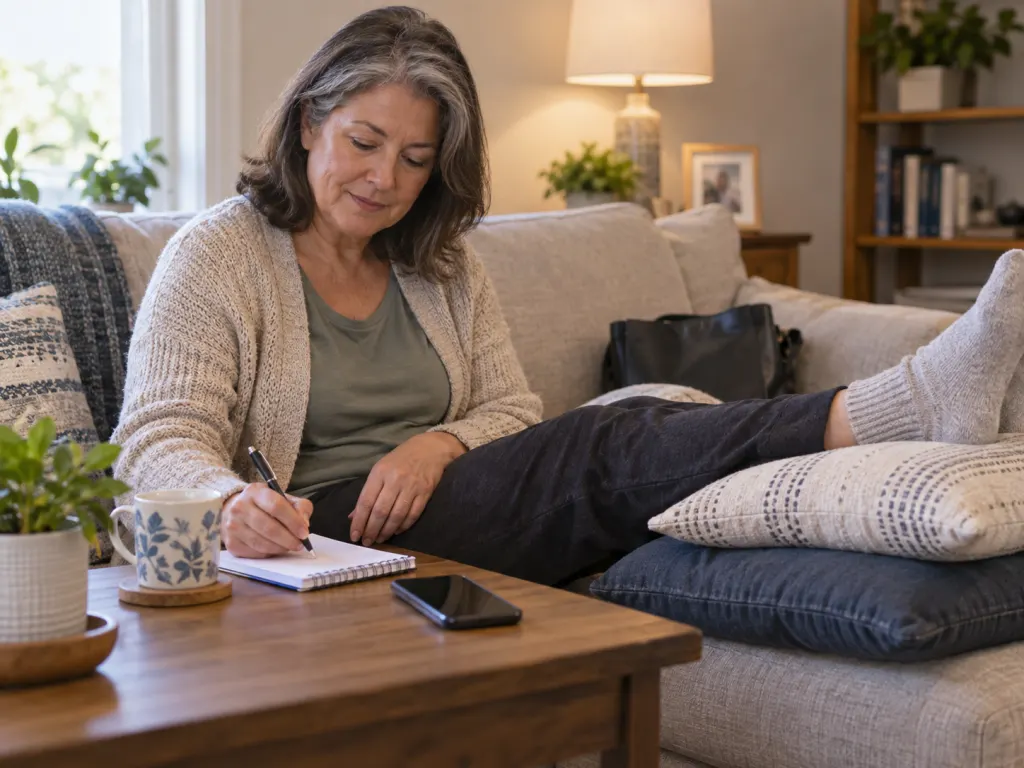
Before a non-emergency appointment, gather details rather than trying to self-diagnose. A clear description can make the visit more useful.
- When did the swelling start, and was it sudden or gradual?
- Is it one-sided, both-sided, or worse on one side?
- Does pressing the swollen area leave a dent?
- Is there pain, tenderness, warmth, redness, color change, itching, or skin cracking?
- Do you also have shortness of breath, chest discomfort, dizziness, fever, injury, or trouble walking?
- Did swelling begin after travel, surgery, reduced activity, a new medicine, or a change in routine?
- Does it improve with walking, rest, leg elevation, or overnight sleep?
Photos can also help if the swelling changes during the day. Take them in similar lighting and from the same angle, but avoid delaying urgent care for documentation. If shoes no longer fit, if one calf looks noticeably larger, or if skin changes are spreading, those details are worth communicating clearly.
What A Clinician May Want To Know
A clinician may examine the legs, compare pulses, check the skin, review medicines, ask about travel and activity, and look for signs that point toward veins, lymph flow, heart function, kidney function, injury, infection, or inflammation. Depending on the situation, they may consider blood tests, urine tests, imaging of leg veins, or other checks. Cleveland Clinic notes that chronic venous insufficiency is commonly evaluated with a physical exam and vascular ultrasound when that condition is suspected.
It is helpful to be honest about the full pattern, even if the swelling seems embarrassing or inconsistent. Mention if swelling improves overnight, if it becomes painful after standing, if compression garments have ever been suggested, or if you have a history of blood clots, vein procedures, heart problems, kidney problems, liver disease, surgery, long travel, or reduced mobility. These details guide risk assessment; they do not automatically point to one answer.
Careful At-Home Steps While Waiting For Non-Urgent Advice
For mild, familiar, two-sided swelling without urgent symptoms, gentle measures may make you more comfortable while you arrange appropriate care. Move your ankles and feet during long sitting, take walking breaks when you can, avoid clothing or sock bands that dig into the legs, and elevate your legs when resting. Mayo Clinic also advises not stopping a prescription medicine without talking to a healthcare professional, even if you suspect it may be related to swelling.
Compression stockings are not a one-size-fits-all solution. They may be useful for some vein-related swelling, but fit and pressure level matter, and some circulation problems require caution. Cleveland Clinic notes that people with peripheral artery disease need careful guidance with compression therapy. If stockings cause new pain, numbness, color change, or deep marks, remove them and seek professional advice.
The Bottom Line
Swollen legs are most concerning when the change is sudden, unexplained, one-sided, painful, associated with warmth or discoloration, or paired with breathing symptoms, chest discomfort, fainting, or coughing blood. Persistent swelling also deserves attention even when it is not dramatic. The safest approach is to match the urgency to the pattern: emergency help for red flags, prompt medical contact for sudden or one-sided swelling, and a scheduled visit for swelling that keeps returning, worsens, or changes the skin.
Wrap-Up
Leg swelling can come from ordinary pressure on the lower body, but it can also be a clue that circulation, fluid balance, inflammation, or a medicine effect needs professional review. Watch the pattern rather than one detail in isolation. New one-sided swelling, pain, warmth, redness, breathing trouble, chest discomfort, fainting, or coughing blood should be treated urgently. Recurrent or persistent swelling, especially with skin changes or limited mobility, should be discussed with a qualified health professional.
Frequently Asked Questions
- → Can both legs swell after sitting for a long time?
Yes. Long sitting or standing can contribute to swelling in the feet, ankles, and lower legs, especially when gravity keeps fluid in the lower body. Swelling that is mild, both-sided, and improves with movement or elevation is less concerning than sudden, one-sided, painful, or worsening swelling.
- → Is one swollen leg more concerning than two swollen legs?
Often, yes. One-sided swelling, especially when sudden or paired with pain, warmth, redness, cool skin, or pale color, should be checked promptly. The CDC lists swelling, pain or tenderness, warmth, and redness or discoloration as possible signs of DVT in the affected leg or arm.
- → When should swollen legs be treated as an emergency?
Seek emergency help if leg swelling occurs with chest discomfort, trouble breathing, shortness of breath when lying down, fainting, dizziness, or coughing blood. Sudden unexplained swelling or swelling after a serious injury also needs urgent attention.
- → Can medicines cause leg swelling?
Some medicines can be associated with leg swelling. Mayo Clinic lists prescription medicines, including some used for diabetes and high blood pressure, and some pain relievers among possible contributors. Do not stop a prescribed medicine on your own; discuss the timing and pattern with a qualified health professional.
- → What details should I track before an appointment?
Track when the swelling started, whether it affects one or both legs, whether it changes during the day, what makes it better or worse, and whether you notice pain, warmth, redness, skin changes, shortness of breath, chest discomfort, travel, injury, surgery, or recent medicine changes.
References
This content was developed and refined using reliable sources.
- https://www.mayoclinic.org/symptoms/leg-swelling/basics/causes/sym-20050910
- https://www.cdc.gov/blood-clots/about
- https://www.medlineplus.gov/ency/article/003104.htm
- https://www.medlineplus.gov/edema.html
- https://my.clevelandclinic.org/health/diseases/16872-chronic-venous-insufficiency-cvi
- https://www.niddk.nih.gov/health-information/kidney-disease/chronic-kidney-disease-ckd/what-is-chronic-kidney-disease