 Save
Bananas can support healthy aging as a simple, nutrient-containing fruit, but they are not a stand-alone answer to nutrition. For many older adults, their main strengths are convenience, soft texture, potassium, fiber, vitamin B6, vitamin C, and easy-to-use carbohydrates. The FDA lists one medium banana as about 110 calories with 450 mg potassium, 3 g fiber, and 15% Daily Value for vitamin C on its raw fruit nutrition poster FDA raw fruits nutrition poster. The most useful way to eat bananas is as part of a varied day that includes protein foods, whole grains, vegetables, fluids, and other fruits.
Why Bananas Fit Older-Adult Nutrition
Older adults often need to be more selective with everyday foods because appetite, chewing comfort, shopping routines, cooking energy, and calorie needs can change over time. MedlinePlus explains that nutrition for older adults still needs to provide vitamins, minerals, protein, carbohydrates, fats, and water, even though some people need fewer calories than they once did MedlinePlus nutrition for older adults. Bananas fit that reality because they require no cooking, travel well, and can be eaten fresh, sliced, mashed, blended, or stirred into familiar meals.
The strongest case for bananas is practical, not dramatic. They are an accessible way to add a whole fruit to breakfast or a snack. They can help someone who wants fruit but dislikes peeling citrus, cutting melon, or managing hard apples. They are also mild in flavor, which can matter when taste preferences shift. That does not make bananas superior to berries, oranges, pears, peaches, or prunes. It means they are one dependable choice in the fruit group, especially when the goal is to make the easier choice the nourishing one.
For a quick nutrition snapshot, a medium banana contributes several useful elements:
- Potassium: a mineral involved in fluid balance and heart, muscle, and nervous system function.
- Fiber: a plant carbohydrate that supports digestive movement and meal satisfaction.
- Vitamin B6: a vitamin involved in many enzyme reactions, especially protein metabolism.
- Vitamin C: a modest contribution from fruit that adds variety to the day.
- Carbohydrates: an easy source of food energy, especially useful around active mornings or between meals.
Potassium: Useful, But Personal
Potassium is one reason bananas are often discussed in healthy-aging articles. The NIH Office of Dietary Supplements describes potassium as an essential nutrient found naturally in many foods and needed for normal cell function, nerve transmission, muscle contraction, and kidney function NIH potassium fact sheet. Bananas are not the highest-potassium food, but they are a familiar source. The NIH table lists a medium banana at 422 mg potassium, while the FDA raw fruit poster lists a medium banana at 450 mg; the difference reflects database and serving assumptions, not a meaningful disagreement for everyday planning.
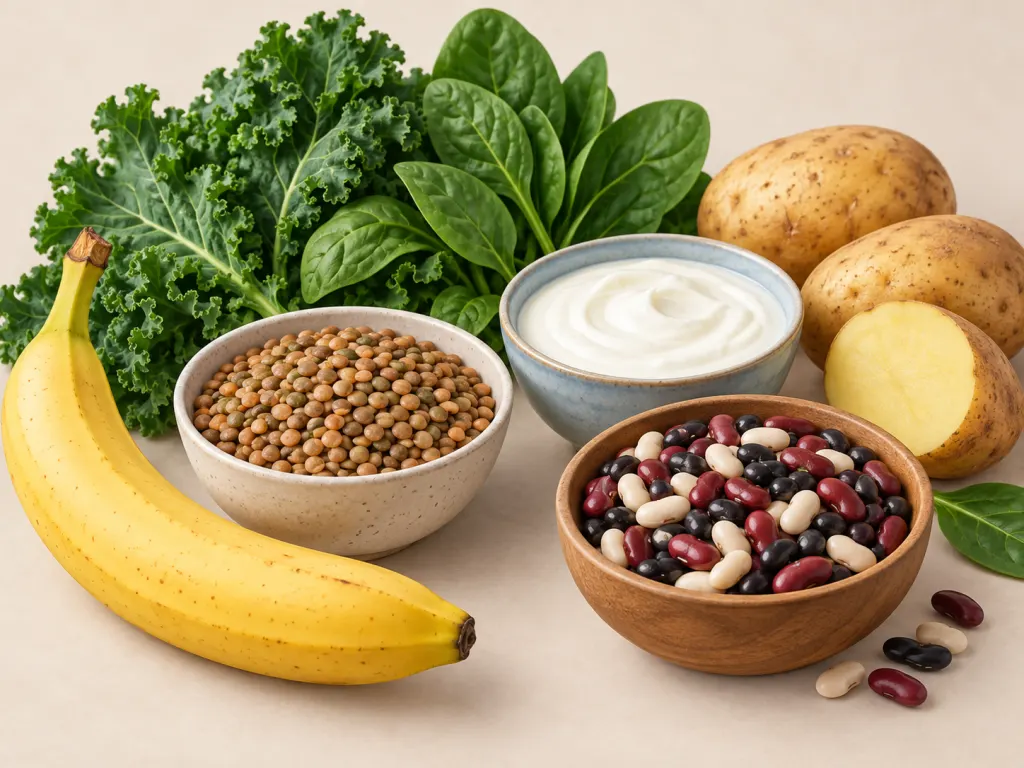
For older adults, the takeaway is not that every person should eat a banana every day. A better takeaway is that bananas can help build a potassium-containing eating pattern when they sit alongside beans, potatoes, leafy greens, yogurt, lentils, squash, tomatoes, and other fruits. The FDA’s older-adult label guide specifically highlights dietary fiber, vitamin D, calcium, and potassium as nutrients many older adults may need to pay attention to when reading labels and comparing foods FDA Nutrition Facts label for older adults. Bananas cover only part of that picture, so they should not crowd out calcium-rich foods, protein foods, or colorful produce.
Fiber and Digestive Regularity
Bananas also provide dietary fiber. MedlinePlus describes fiber as the part of plant foods the body does not digest, found in foods such as fruits, vegetables, grains, beans, nuts, and seeds MedlinePlus fiber overview. Fiber adds bulk to food and supports digestive movement. A medium banana’s 3 g fiber is not huge, but it is meaningful when it becomes part of a day that also includes oatmeal, whole-grain bread, vegetables, lentils, beans, berries, or pears.
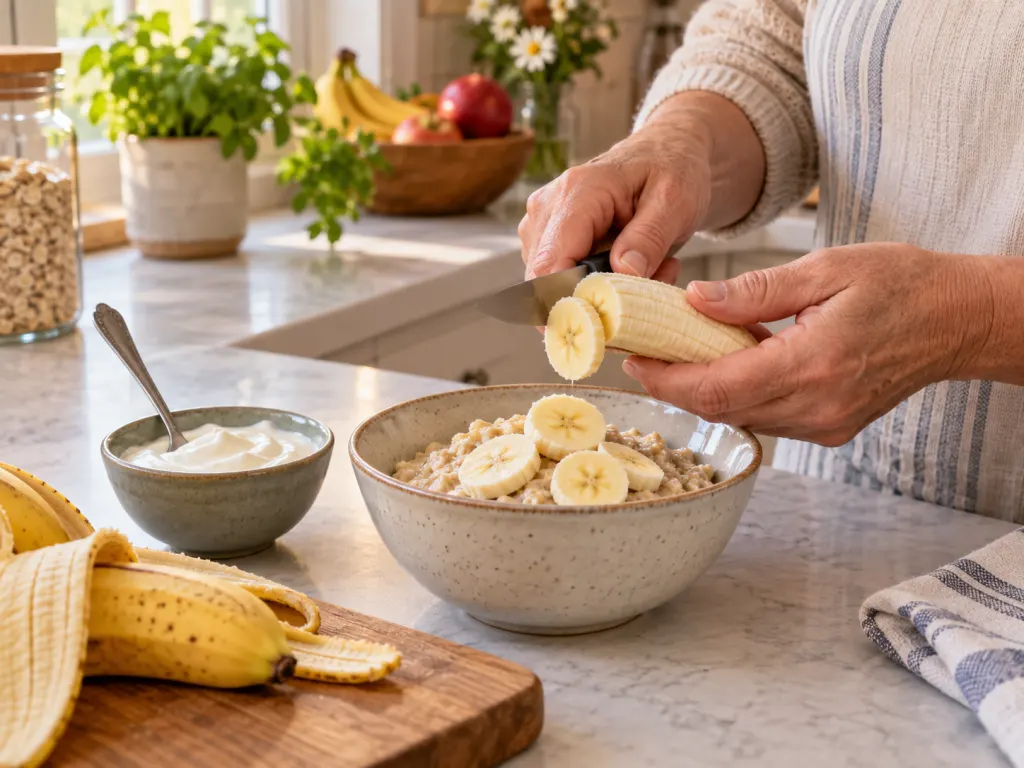
Texture matters here. A ripe banana is soft, which can make it easier to include when chewing is tiring or when a snack needs to be simple. It can be sliced onto oatmeal, mashed onto whole-grain toast, blended into a smoothie, or folded into plain yogurt. For someone who is trying to increase fiber gradually, bananas may feel gentler than jumping suddenly into very large portions of beans or bran. MedlinePlus notes that adding fiber slowly and drinking fluids can make the change easier on the digestive system.
Ripeness Changes Texture and Use
A banana’s ripeness changes the eating experience. A just-yellow banana is firmer and less sweet. A speckled banana is softer, sweeter, and easier to mash. Very ripe bananas can be useful in oatmeal or smoothies, where their sweetness can reduce the urge to add table sugar. None of these stages is automatically best for everyone. The best choice depends on what you tolerate, how you plan to use it, and what else is in the meal.
Energy, Satisfaction, and Pairing
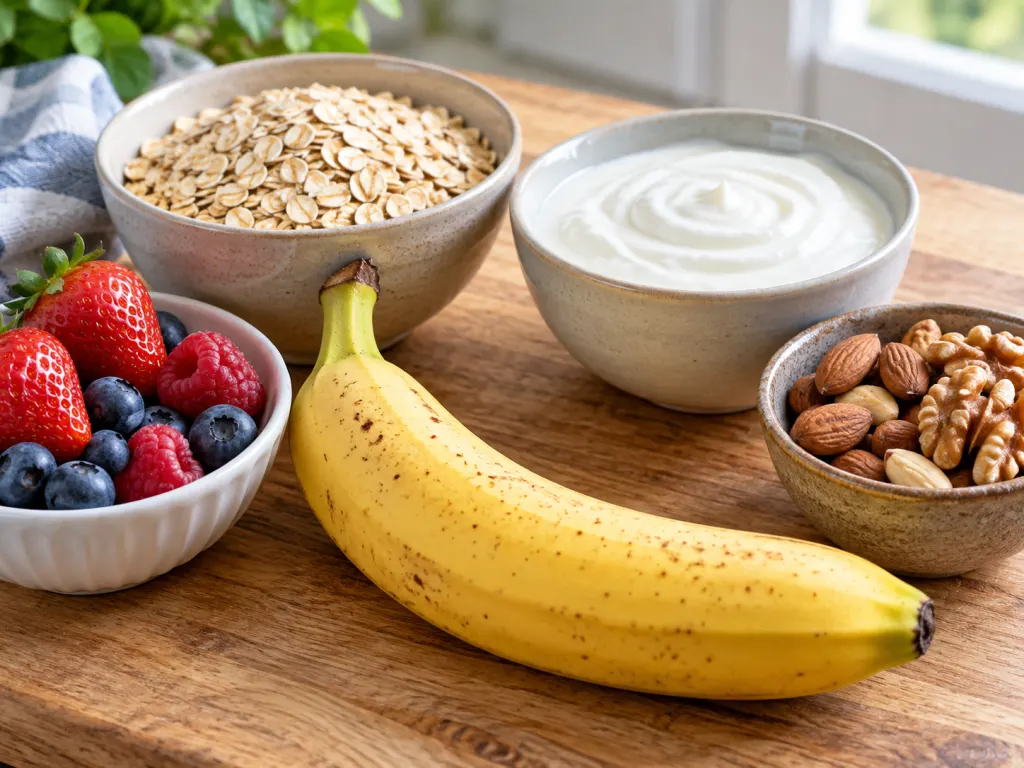
Bananas are mostly carbohydrate, with very little fat and only a small amount of protein. That is helpful to know because it explains why a banana may feel perfect before a walk but too light as a full breakfast. For a more satisfying snack, pair banana slices with a protein or fat-containing food you enjoy. Examples include plain yogurt, cottage cheese, peanut butter, almond butter, chopped nuts, eggs, or a glass of milk or fortified soy beverage. The goal is balance: fruit for carbohydrate, flavor, potassium, and fiber; a companion food for staying power.
This approach also keeps bananas in proportion. Older adults are encouraged to choose nutrient-dense foods, including fruits and vegetables, whole grains, protein foods, dairy or fortified alternatives, beans, nuts, and seeds when tolerated, according to MedlinePlus and federal nutrition resources MedlinePlus nutrition for older adults. A banana can be a small daily habit, but a plate built only around fruit can miss protein, calcium, vitamin D, and other nutrients that matter with age.
Easy Ways to Use Bananas Without Turning Them Into Dessert
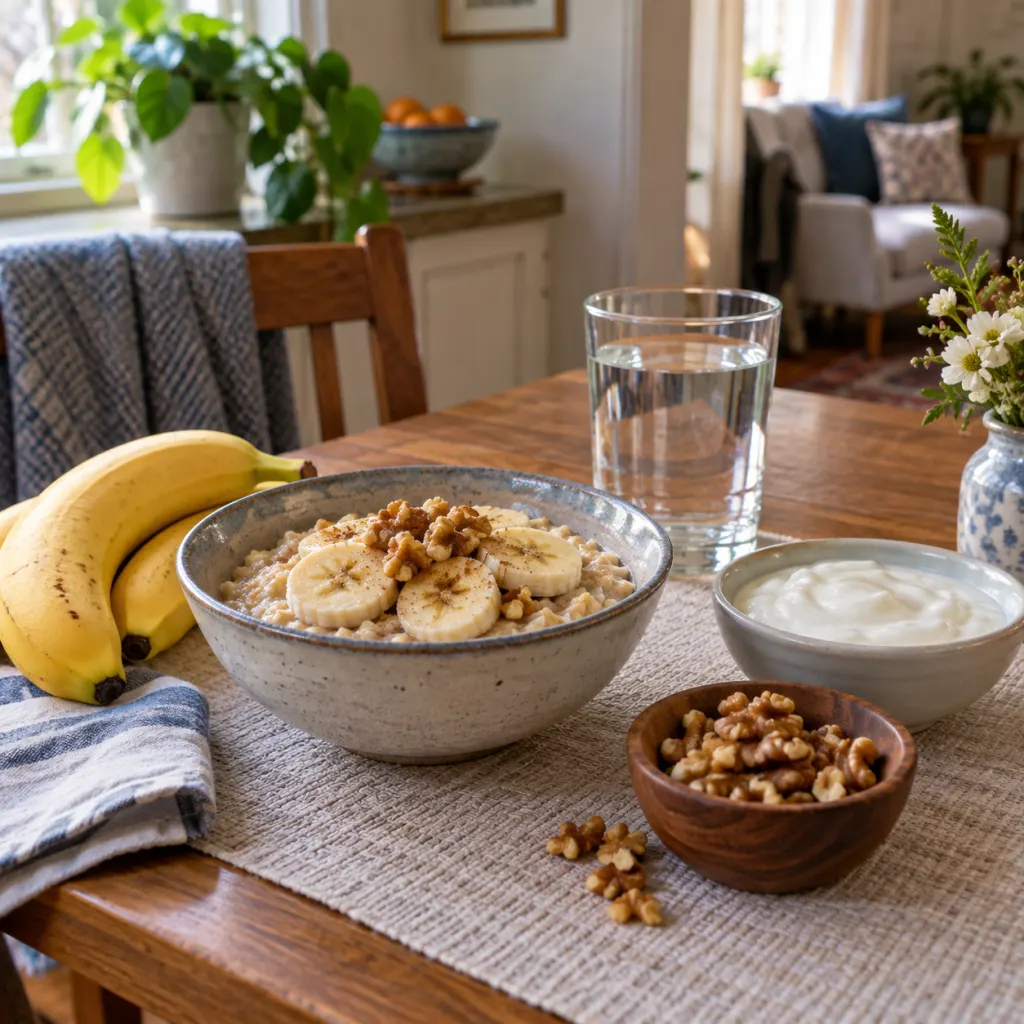
Bananas are naturally sweet, so they can make familiar foods more appealing without needing a complicated recipe. Try half a banana sliced into oatmeal with cinnamon, banana rounds over plain yogurt with walnuts, a small banana with peanut butter on whole-grain toast, or frozen banana pieces blended with milk and unsweetened cocoa for a simple smoothie. If appetite is low, a banana can be paired with a protein food between meals. If appetite is strong, it can be part of a more filling breakfast bowl with oats, seeds, and yogurt.
Shopping and storage are simple. Buy a mix of yellow and slightly green bananas if you want them to last through the week. Keep them on the counter until ripe, then move peeled chunks to the freezer for smoothies or baking. If hand strength is limited, choose bananas with a small split at the stem or ask a family member to separate them from the bunch ahead of time. These small adjustments can make healthy choices easier on ordinary days, which is often where nutrition habits are won.
Where Bananas Fall Short
A balanced article about bananas should also say what they do not provide. Bananas are not a meaningful source of protein, vitamin D, calcium, or iron. They also do not replace vegetables or other fruits with different colors and nutrient profiles. The U.S. Healthy People 2030 objective on fruit intake notes that fruit is a recommended part of a healthy diet and that U.S. intake remains below the national target Healthy People 2030 fruit objective. Bananas can help close a fruit gap, but variety still matters.
It is also worth looking at the whole day. A banana added to oatmeal is different from a banana eaten after a very sweet breakfast. A banana with nuts is different from a banana-only snack that leaves you hungry again soon. A banana in a smoothie can be helpful, but smoothies can become large quickly when several fruits, juice, sweetened yogurt, and syrups are added. The practical question is not whether bananas are good or bad. It is whether the banana helps the meal become more balanced, easier to eat, and more satisfying.
Wrap-Up
Bananas can be a smart, low-effort fruit for many older adults because they are soft, portable, affordable, and easy to pair with other nourishing foods. Their potassium, fiber, vitamin B6, vitamin C, and carbohydrates make them useful, but not complete. The best role for a banana is modest and practical: add it to breakfast, use it as part of a balanced snack, mash it when chewing is tiring, or keep frozen pieces ready for smoothies. Choose variety across the week, pair bananas with protein when you need a more filling snack, and follow any personal nutrition guidance from your health professional.
Frequently Asked Questions
- → Is a banana a good daily snack for older adults?
For many older adults, yes, a banana can be a useful daily snack because it is soft, portable, and provides potassium, fiber, vitamin B6, vitamin C, and carbohydrates. It is more satisfying when paired with a protein food such as yogurt, peanut butter, nuts, milk, fortified soy beverage, or cottage cheese.
- → Are bananas enough for breakfast?
A banana alone may be too light for breakfast because it has very little protein and fat. It works better with oatmeal and yogurt, whole-grain toast with nut butter, eggs, or another protein food. That pairing makes the meal more balanced and helps the fruit play its best role.
- → Do bananas have fiber?
Yes. The FDA lists a medium banana with 3 g dietary fiber. That amount can help, but it is only one part of a higher-fiber day. Older adults can also get fiber from oats, beans, lentils, vegetables, berries, pears, whole-grain bread, nuts, and seeds if those foods fit their needs.
- → What is the best ripeness for older adults?
The best ripeness depends on use and comfort. Firmer yellow bananas hold their shape for slicing. Speckled bananas are sweeter and easier to mash into oatmeal, yogurt, or toast. Very ripe bananas work well in smoothies or baking-style breakfasts where their sweetness can reduce the need for added sugar.
- → Who should ask for personal guidance before eating bananas often?
Anyone who has been given a potassium limit, a specialized eating plan, or individualized nutrition instructions should follow that plan and ask a doctor or qualified health professional how bananas fit. General nutrition information cannot account for every personal health situation.
References
This content was developed and refined using reliable sources.
- https://www.fda.gov/food/nutrition-food-labeling-and-critical-foods/raw-fruits-poster-text-version-accessible-version
- https://ods.od.nih.gov/factsheets/potassium-healthprofessional
- https://ods.od.nih.gov/factsheets/VitaminB6-HealthProfessional
- https://medlineplus.gov/nutritionforolderadults.html
- https://www.medlineplus.gov/ency/article/002470.htm
- https://www.fda.gov/food/new-nutrition-facts-label/using-nutrition-facts-label-older-adults
- https://odphp.health.gov/healthypeople/objectives-and-data/browse-objectives/nutrition-and-healthy-eating/increase-fruit-consumption-people-aged-2-years-and-over-nws-06