 Save
Foot symptoms do not diagnose diabetes by themselves, but some changes in the feet can be early clues that blood sugar, nerves, circulation, or skin health need medical evaluation. Numbness, tingling, burning pain, slow-healing sores, unexplained swelling, color or temperature changes, thickened toenails, dry cracking skin, and new balance problems are all worth taking seriously. The CDC notes that diabetes can affect nerves and blood flow in the feet, while the NIDDK explains that diabetes is confirmed with blood tests, not by symptoms alone.
Why Feet Can Show Diabetes-Related Changes
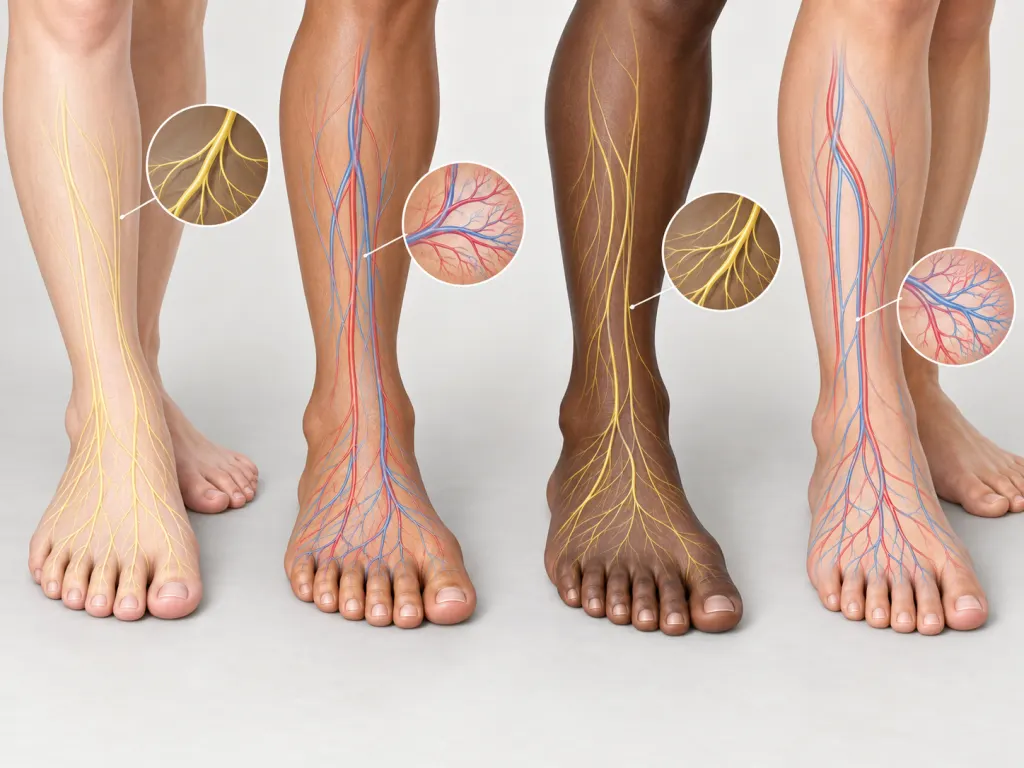
The feet sit far from the heart and depend on healthy small blood vessels, responsive nerves, flexible skin, and well-fitting shoes. Diabetes can disturb more than one of those systems over time. The NIDDK describes peripheral neuropathy as nerve damage that typically affects the feet and legs, causing burning, tingling, numbness, pain, weakness, loss of balance, and trouble sensing temperature. The CDC also links diabetes with reduced sensation and poorer blood flow, which can make small skin problems easier to miss and harder to resolve.
That does not mean every foot change points to diabetes. Footwear, standing for long hours, athlete's foot, aging, thyroid disease, vitamin B12 deficiency, back problems, injuries, and circulation disorders can cause overlapping symptoms. The safer way to read foot changes is as context: a new pattern, symptoms on both feet, symptoms that worsen at night, or foot problems paired with thirst, frequent urination, fatigue, blurred vision, or frequent infections should move diabetes testing higher on the list of questions to discuss with a qualified clinician.
The 12 Foot Symptoms To Notice
These symptoms matter most when they are new, persistent, worsening, recurring, or hard to explain. Several can appear together because nerve changes, skin changes, and circulation changes often overlap in the same foot.
- Numbness or reduced feeling: A foot may feel dull, padded, or less responsive to touch.
- Tingling or pins-and-needles sensations: Tingling can be brief, but repeated episodes deserve attention.
- Burning, stinging, or shooting pain: Nerve pain may feel hot, electric, sharp, or unusually intense.
- Pain from light touch: Socks, sheets, or gentle contact may feel uncomfortable in a way that seems out of proportion.
- Less ability to feel heat or cold: Water, floors, or weather may be harder to judge accurately with the feet.
- Slow-healing cuts, blisters, or sores: Small wounds that linger can reflect pressure, infection risk, or circulation problems.
- Redness, warmth, swelling, or drainage: These can suggest irritation or infection and should not be ignored.
- Dry, cracked, or peeling skin: Nerve changes can affect skin moisture, making cracks more likely.
- Thickened, yellow, brittle, or changed toenails: Nail changes and fungal infections can be more troublesome when foot sensation or circulation is reduced.
- Heavy calluses, corns, or pressure spots: Repeated pressure can hide deeper irritation, especially when sensation is reduced.
- Changes in foot shape, toes, balance, or walking: Nerve and muscle changes can alter how weight lands on the foot.
- Cramping with walking, coldness, color change, or reduced hair growth: These can point toward reduced blood flow and need careful assessment.
Numbness, Tingling, Burning, And Night Pain
Nerve-related symptoms are often the foot changes people notice first. Numbness may feel like walking on folded socks or a thin cushion. Tingling may come and go, especially after sitting, but repeated tingling in both feet is more concerning than one brief episode after a leg falls asleep. Burning or stinging pain may be worse at night, and some people describe discomfort from bed sheets or socks that would not normally hurt. The NIDDK lists burning, tingling, numbness, pain, weakness, extreme sensitivity to touch, balance problems, and difficulty sensing temperature among peripheral neuropathy symptoms.
The key detail is pattern. A single sore toe after new shoes tells a different story from months of tingling that rises from the toes toward the ankles. Symptoms affecting both feet can suggest a body-wide process, while one-sided symptoms may raise other questions such as a local injury, nerve compression, or vascular problem. Either way, persistent sensory change is not something to self-label at home. It is a reason to ask for an evaluation that considers diabetes along with other possible causes.

Skin, Nail, And Wound Changes
Skin and nail changes can be easy to dismiss because they look ordinary at first. Dry, cracked heels may seem cosmetic. A blister may look like a shoe problem. A yellow or thickened toenail may look like a nuisance. Yet the MedlinePlus diabetic foot exam guide explains that clinicians look for skin damage, calluses, blisters, ulcers, nail infection, temperature differences, and signs of blood-flow problems during a foot exam. The concern is not the appearance alone; it is the combination of pressure, reduced feeling, delayed recovery, and infection risk.
A sore that does not begin improving after a few days, a callus with dark or dried blood inside it, or red and warm skin around a break in the skin deserves prompt attention. These changes can appear on the sole, toes, heel, or between the toes. Areas between toes are especially easy to miss after bathing, and trapped moisture can make irritation worse. Checking the bottoms and sides of the feet under good light can help reveal small changes before they become harder to manage.
Circulation Clues: Color, Temperature, Cramping, And Hair Growth
Some foot symptoms are more about blood flow than sensation. The NHLBI describes peripheral artery disease symptoms that may include leg or foot cramping with walking that improves after rest, one foot feeling colder than the other, pale or bluish discoloration, slowed toenail or leg-hair growth, weakness, numbness, and slow-healing sores. Diabetes is one possible contributor to blood-vessel problems, but circulation symptoms can also relate to smoking history, cholesterol, blood pressure, age, or other vascular conditions.
Cramping with activity is especially important to describe clearly. A calf, thigh, buttock, or foot ache that appears during walking and eases with rest is different from a random muscle cramp at bedtime. Coldness or color change on one side is also more concerning than both feet feeling cold in a chilly room. A clinician may compare pulses, skin temperature, sensation, and sometimes ankle and arm blood pressure readings to understand whether blood flow is reduced.

Foot Symptoms Plus Whole-Body Diabetes Symptoms
Foot symptoms become more meaningful when they appear with classic diabetes symptoms. The NIDDK lists increased urination, unusual thirst, unusual hunger, blurred vision, fatigue, sores that do not heal, and frequent infections as common symptoms. MedlinePlus similarly notes that high blood sugar can cause blurry vision, excess thirst, fatigue, frequent urination, hunger, and weight loss, while type 2 diabetes may develop slowly and sometimes causes no noticeable symptoms at first.
That slow development is why foot symptoms should not be treated as a home diagnosis. A person might notice a recurring blister because of shoes, dry skin because of weather, or tingling because of a back problem. Another person might notice the same foot pattern alongside thirst, fatigue, blurred vision, and frequent infections. The second pattern makes medical testing more urgent, but the answer still comes from an exam and appropriate blood tests.
How Clinicians Check The Feet And Blood Sugar
A complete foot exam can include a skin check, toenail check, temperature comparison, pulse check, reflex testing, and simple sensation testing. MedlinePlus describes the monofilament test, in which a soft nylon strand touches parts of the foot and toes to assess sensation, along with vibration, pinprick, ankle reflex, and blood-flow checks. These tests help clinicians separate nerve, skin, muscle, bone, and vascular clues rather than guessing from appearance alone.
Diabetes testing is separate from a foot exam. The NIDDK explains that clinicians diagnose diabetes and prediabetes with blood tests that show whether blood glucose is above a healthy range. Common tests include A1C, fasting plasma glucose, random plasma glucose, and oral glucose tolerance testing. Over-the-counter glucose meters can provide useful information for some people, but they are not used by themselves to diagnose diabetes.
When Foot Symptoms Should Be Checked Promptly
Prompt medical attention is sensible for a foot sore that is spreading, deep, draining, blackened, foul-smelling, increasingly painful, surrounded by redness or warmth, or not beginning to improve after a few days. Sudden weakness, sudden inability to walk normally, a foot that becomes cold or blue, fever with a foot wound, or rapidly spreading red painful skin should be treated as urgent. These boundaries matter because infection and circulation problems can change quickly, regardless of whether diabetes has already been diagnosed.
Wrap-Up
The practical takeaway is simple: foot symptoms are clues, not proof. Numbness, tingling, burning pain, reduced temperature sensation, slow-healing sores, swelling, redness, dry cracking skin, thickened toenails, heavy calluses, shape changes, balance changes, cramping with walking, coldness, and color changes all deserve attention when they persist or appear in a pattern. Diabetes can affect nerves and blood vessels in the feet, but an exam and blood testing are needed to understand what is actually happening.
Frequently Asked Questions
- → Can foot symptoms alone confirm diabetes?
No. Foot symptoms can raise concern, especially when they appear with thirst, frequent urination, fatigue, blurred vision, or slow-healing sores, but diabetes is diagnosed with blood tests and clinical evaluation.
- → Are tingling feet always related to blood sugar?
No. Tingling can come from many causes, including nerve compression, injury, vitamin deficiency, circulation issues, footwear pressure, or other medical conditions. Persistent or worsening tingling deserves professional evaluation.
- → Which foot symptom is most urgent?
A rapidly worsening wound, spreading redness, warmth, drainage, blackened skin, a bad smell, fever with a foot wound, sudden walking trouble, or a cold blue foot should be checked urgently.
- → Why do foot wounds matter in diabetes-related foot problems?
Nerve changes can reduce pain sensation, and blood-flow problems can make tissue recovery harder. That combination means a small blister or cut may be missed until it becomes more serious.
- → What should I expect during a foot exam?
A clinician may inspect the skin and nails, compare temperature and pulses, check reflexes, and test sensation with tools such as a soft monofilament or vibration device. Blood tests are used separately when diabetes is being considered.
References
This content was developed and refined using reliable sources.
- https://www.cdc.gov/diabetes/diabetes-complications/diabetes-and-your-feet.html
- https://www.niddk.nih.gov/health-information/diabetes/overview/preventing-problems/nerve-damage-diabetic-neuropathies/peripheral-neuropathy?bid=bid_dd242a6a451b15c0fbcc562f98876356
- https://www.niddk.nih.gov/health-information/diabetes/overview/tests-diagnosis
- https://medlineplus.gov/lab-tests/diabetic-foot-exam
- https://www.nhlbi.nih.gov/health/peripheral-artery-disease/symptoms
- https://www.niddk.nih.gov/health-information/diabetes/overview/symptoms-causes
- https://medlineplus.gov/ency/article/001214.htm