 Save
Older adults often lose balance because several ordinary risks build up at the same time, not because aging alone makes falling unavoidable. The most common mistakes are moving less, wearing unstable shoes, leaving home hazards in place, ignoring vision or hearing changes, standing too quickly, and failing to review medicines that may cause dizziness or sleepiness. CDC materials note that more than one out of four adults age 65 and older falls each year, and many risk factors can be changed, including lower body weakness, vision problems, foot pain, poor footwear, and home hazards https://www.cdc.gov/falls/data-research/facts-stats/index.html. The goal is not to live carefully in fear. It is to make steady movement easier, more visible, and less surprising.
Why Balance Loss Often Has More Than One Cause
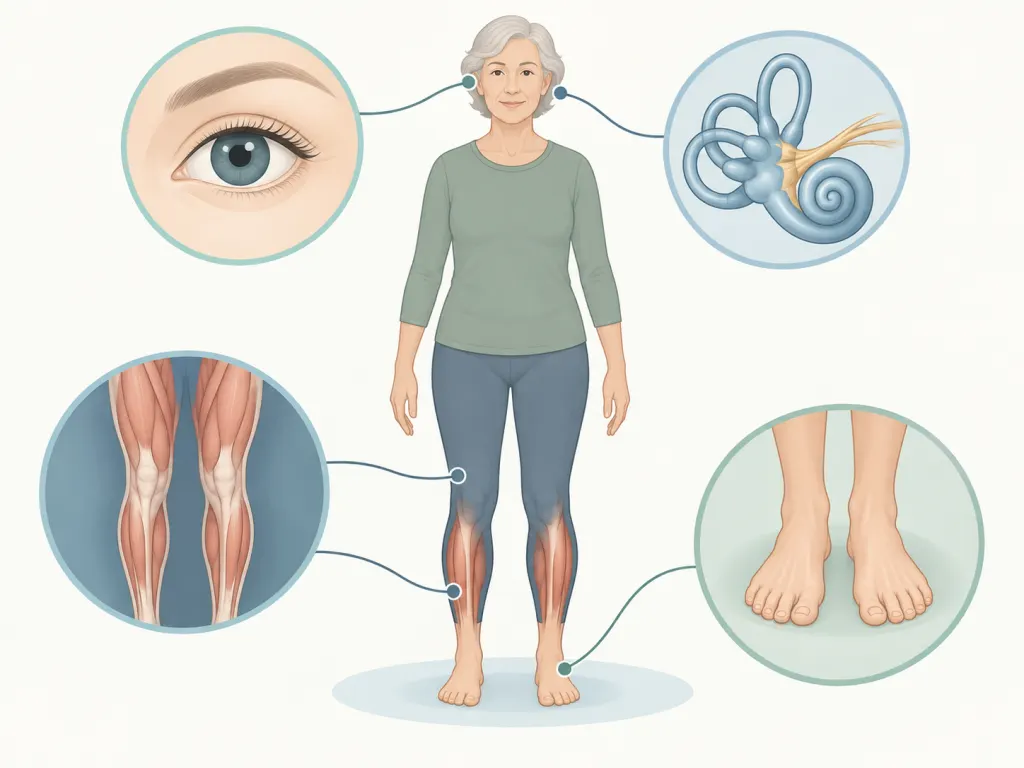
Balance is a team effort. Your eyes help you read the space around you. Your inner ears help your brain sense motion and head position. Your muscles, joints, and touch sensors help you feel where your body is in space. The National Institute on Deafness and Other Communication Disorders explains that these systems work together to keep posture steady during standing and movement; when signals from any part of the system are disrupted, dizziness, vertigo, unsteadiness, or falling can happen https://www.nidcd.nih.gov/health/balance-disorders. That is why a balance problem deserves more curiosity than blame. A rug, a new medicine, weaker leg muscles, blurry vision, and rushing to answer the door may each seem minor alone, but together they can narrow the margin for recovery when someone trips or turns.
Mistake 1: Blaming Age and Ignoring New Symptoms
The first mistake is assuming every wobble is just age. Balance can change with age, but new dizziness, repeated near-falls, sudden unsteadiness, blurred vision, or feeling as if the room is spinning should not be brushed aside. MedlinePlus explains that dizziness and vertigo can become more common with age because people may have more health conditions and take more medicines, and it lists causes such as a sudden drop in blood pressure, dehydration, getting up too quickly, certain medicines, and inner ear problems https://www.medlineplus.gov/dizzinessandvertigo.html. A useful habit is to write down what happened: time of day, position, recent meals or fluids, footwear, lighting, medicine timing, and whether there was spinning, faintness, numbness, weakness, chest discomfort, or confusion. That record helps a qualified professional look for patterns instead of guessing.
Mistake 2: Moving Less Because of Fear
After a stumble, many people understandably move less. The problem is that avoiding normal movement can weaken the very muscles that help with balance. Cochrane reviewed randomized trials of exercise programs for community-dwelling older adults and found high-certainty evidence that exercise reduces the rate of falls, with balance and functional exercises showing particular benefit https://www.cochrane.org/evidence/CD012424_exercise-preventing-falls-older-people-living-community. That does not mean every person should copy an online routine or push through pain. It means balance confidence is built through the right kind of practice: steady, progressive, and matched to the person. A clinician or physical therapist can help someone choose activities that fit arthritis, neuropathy, dizziness, heart concerns, or a recent injury.
Mistake 3: Walking in Shoes That Fight Your Feet
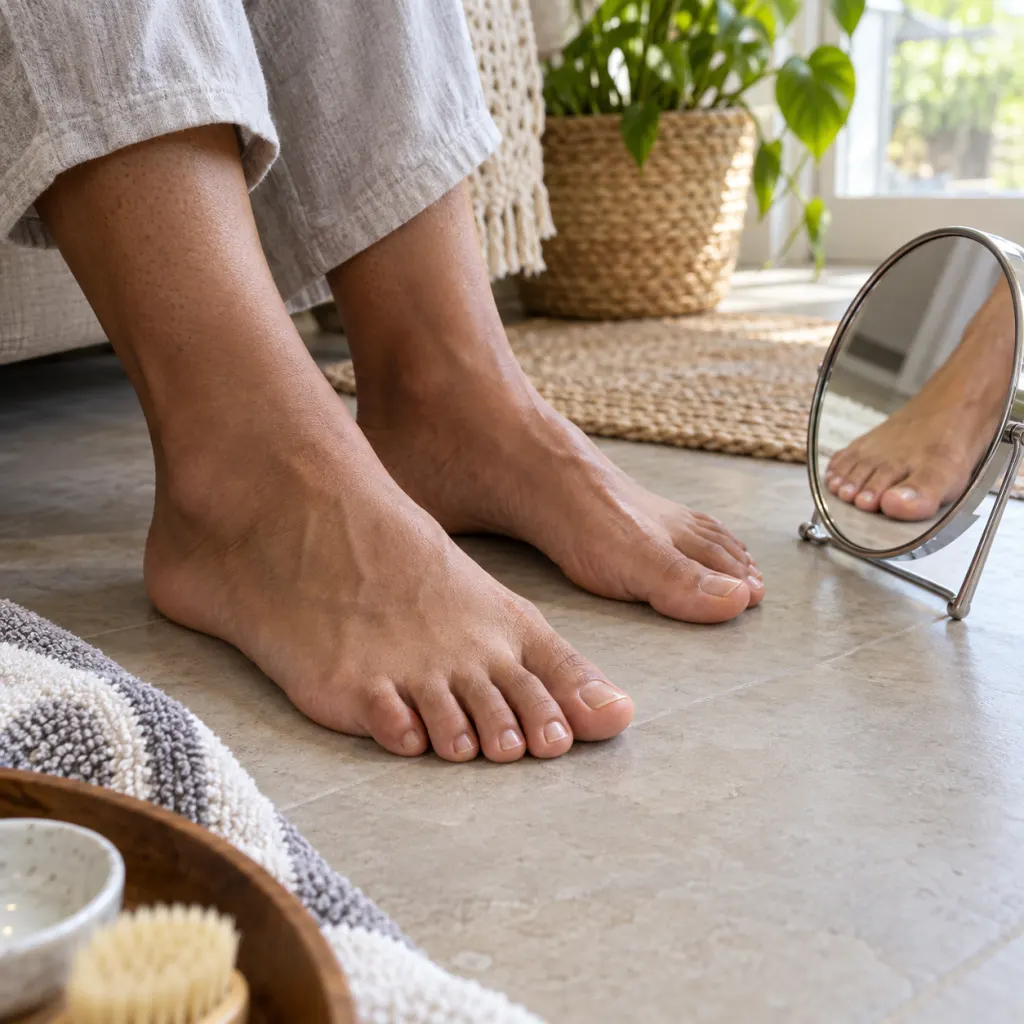
Footwear is easy to underestimate because it feels like a style choice, not a balance tool. But shoes change traction, foot position, step length, and how quickly someone can recover from a misstep. CDC guidance for older adult fall risk includes foot pain and poor footwear among risk factors, and CDC fall guidance recommends sturdy, nonslip footwear that fits correctly https://www.cdc.gov/vision-health/prevention/older-adult-falls.html. Mayo Clinic also cautions that high heels, floppy slippers, slick soles, and walking in stocking feet can contribute to slipping or stumbling, while properly fitting flat shoes with nonskid soles are a better choice for daily movement https://www.mayoclinic.org/healthy-lifestyle/healthy-aging/in-depth/fall-prevention/art-20047358.
A quick footwear check can be surprisingly revealing:
- Choose a closed heel or secure back strap so the shoe stays with the foot.
- Look for a low, broad heel and a sole that grips instead of sliding.
- Replace shoes with worn, uneven, or polished-smooth soles.
- Avoid loose house slippers for stairs, night bathroom trips, and outdoor steps.
- Ask about foot pain, numbness, swelling, or toenail problems that change walking.
The best shoe is not simply the newest one. It is the pair that lets the person feel the ground, turn without wobbling, and walk without foot pain.

Mistake 4: Letting Home Hazards Stay Invisible
People often adapt to hazards they see every day. A cord across a hallway, a curled rug edge, a low coffee table, a dark stair landing, or a slippery bathroom floor can become background scenery until a rushed step turns it into a problem. CDC fall guidance recommends getting rid of trip hazards, adding grab bars by the tub or shower and next to the toilet, putting railings on both sides of stairs, and making sure the home has plenty of light https://www.cdc.gov/falls/prevention/index.html. MedlinePlus offers similar home setup advice, including removing loose wires and throw rugs, fixing uneven flooring, improving lighting from bedroom to bathroom, and using handrails and slip-resistant mats in the bathroom https://www.medlineplus.gov/ency/patientinstructions/000052.htm.
The most useful home review follows the person, not the floor plan. Watch the actual route from bed to bathroom, favorite chair to kitchen, kitchen to trash bin, front door to mailbox, and laundry area to closet. Are there objects to step over? Does the person reach for furniture instead of a rail? Are switches easy to reach before entering a dark space? Is a phone available after a fall? Good home safety work is not about making a house look clinical. It is about clearing predictable paths so ordinary movement takes less effort and fewer split-second corrections.
Mistake 5: Skipping Vision, Hearing, and Medication Reviews
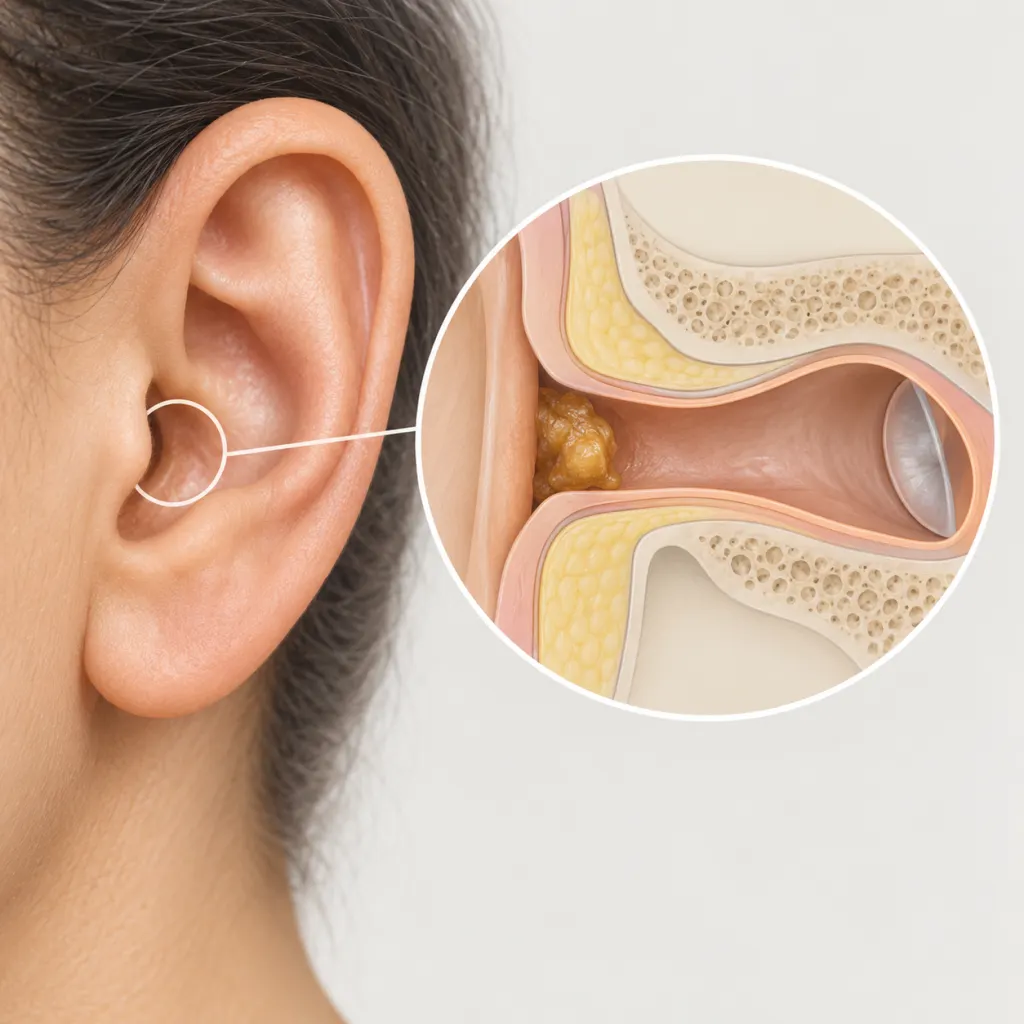
Vision and hearing are part of balance because they help the brain map the environment and respond to movement. CDC notes that exercise, sturdy nonslip footwear, yearly dilated eye exams, medicine review, better lighting, handrails, and bathroom grab bars are practical strategies for older adults with vision impairment or fall risk https://www.cdc.gov/vision-health/prevention/older-adult-falls.html. New glasses can also take adjustment, especially multifocal lenses that may make steps or curbs harder to judge. Hearing changes can matter too: a well-fitting hearing aid, when prescribed, may help someone stay oriented to people, pets, appliances, and movement around them.
Medicines deserve the same attention. Mayo Clinic lists several side effects that can raise fall risk, including confusion, fatigue, low sodium, changes in heart rate or rhythm, orthostatic hypotension, sedation, and balance trouble https://www.mayoclinic.org/healthy-lifestyle/healthy-aging/in-depth/fall-risk/art-20572713. The mistake is not taking prescribed medicine; the mistake is never revisiting whether the full list still fits the person. Bring prescription medicines, over-the-counter products, sleep aids, allergy medicines, pain relievers, vitamins, and supplements to a clinician or pharmacist review. Do not stop or change medicines on your own. The safer question is, “Could anything here be making me sleepy, lightheaded, confused, or unsteady?”

Mistake 6: Standing Up Too Fast and Rushing Through Transitions
Many balance losses happen during transitions: getting out of bed, rising from a chair, turning quickly, stepping into a shower, reaching for a high shelf, or hurrying to the bathroom. These moments ask the body to coordinate strength, blood pressure, vision, and foot placement at once. MedlinePlus notes that dizziness and vertigo may be linked with getting up too quickly, sudden drops in blood pressure, dehydration, and certain medicines https://www.medlineplus.gov/dizzinessandvertigo.html. A practical routine is to pause before standing, place both feet flat, use chair arms or a stable surface, stand, wait a few seconds, and then walk. If lightheadedness is frequent, sudden, severe, or paired with weakness, slurred speech, new vision problems, chest discomfort, fainting, or injury, urgent medical help is appropriate.
How to Build a Safer Weekly Routine
A good balance routine is boring in the best way: repeated, visible, and easy to maintain. Once a week, choose one small area to improve rather than trying to redesign the entire home in one afternoon. Monday might be footwear. Tuesday might be hallway lighting. Wednesday might be a medicine list. Thursday might be a short supervised walk. Friday might be checking whether grab bars, rails, and phones are where they are actually needed. Small changes work because fall risk is usually layered. Removing one layer may not solve everything, but removing several layers can make daily life feel less precarious.
Consider these weekly check-in questions:
- Have I had a fall, near-fall, new dizziness, or a change in walking confidence?
- Did I avoid an activity because I was afraid of falling?
- Are my shoes secure, supportive, and easy to walk in?
- Are the main walking routes bright and free of clutter, cords, and loose rugs?
- Have my glasses, hearing aids, cane, walker, or other supports been checked for fit?
- Have I asked a clinician or pharmacist whether any medicine might affect steadiness?
For caregivers, the most respectful approach is collaborative. Ask what feels difficult instead of taking over. The older adult may know exactly which doorway, step, bathroom motion, or outdoor surface feels unsafe.
Wrap-Up
Balance loss in older adults is often practical before it is dramatic. The common mistakes are assuming unsteadiness is inevitable, moving less because of fear, wearing unstable shoes, leaving familiar hazards in place, skipping vision or hearing checks, overlooking medicine side effects, and rushing through position changes. The better response is layered: keep strength and balance practice in the week, make walking routes clear and bright, choose secure footwear, review medicines with a qualified professional, and speak up after any fall or near-fall. A steadier life is usually built from several modest changes, repeated consistently.
Frequently Asked Questions
- → Is balance loss a normal part of aging?
Some balance-related systems can change with age, but repeated unsteadiness should not be dismissed as normal. Balance depends on vision, inner-ear signals, muscle strength, foot sensation, medicines, blood pressure, and the home environment. New dizziness, falls, near-falls, or trouble walking are good reasons to talk with a qualified health professional.
- → What is the most common everyday mistake that raises fall risk?
There is rarely just one. The most common pattern is stacking small risks: less movement, loose slippers, dim lighting, a throw rug, rushing to stand, and medicines that cause sleepiness or lightheadedness. Removing several small risks usually works better than looking for one dramatic cause.
- → Can walking alone improve balance?
Walking is useful for general activity, but balance often needs more specific practice. Evidence reviews give stronger support to programs that include balance and functional exercises, often with strength work. People with pain, dizziness, recent falls, or medical concerns should ask a clinician or physical therapist what kind of activity fits them.
- → When should an older adult seek help after a fall?
Tell a doctor about any fall or repeated near-fall, even if there is no obvious injury. Seek urgent help after a fall with head impact, fainting, severe dizziness, new weakness, slurred speech, new vision trouble, chest discomfort, confusion, or significant pain. People taking blood thinners should be especially cautious after head impact.
- → Are canes and walkers always safer?
They can help when they are the right type, height, and fit for the person. A poorly fitted device or one used without instruction can create new problems. A doctor, physical therapist, or occupational therapist can help choose and adjust a cane or walker and teach safe use on stairs, turns, doorways, and outdoor surfaces.
References
This content was developed and refined using reliable sources.
- https://www.cdc.gov/falls/data-research/facts-stats/index.html
- https://www.cdc.gov/falls/prevention/index.html
- https://www.cdc.gov/vision-health/prevention/older-adult-falls.html
- https://www.nidcd.nih.gov/health/balance-disorders
- https://www.cochrane.org/evidence/CD012424_exercise-preventing-falls-older-people-living-community
- https://www.mayoclinic.org/healthy-lifestyle/healthy-aging/in-depth/fall-prevention/art-20047358
- https://www.mayoclinic.org/healthy-lifestyle/healthy-aging/in-depth/fall-risk/art-20572713
- https://www.medlineplus.gov/ency/patientinstructions/000052.htm
- https://www.medlineplus.gov/dizzinessandvertigo.html