 Save
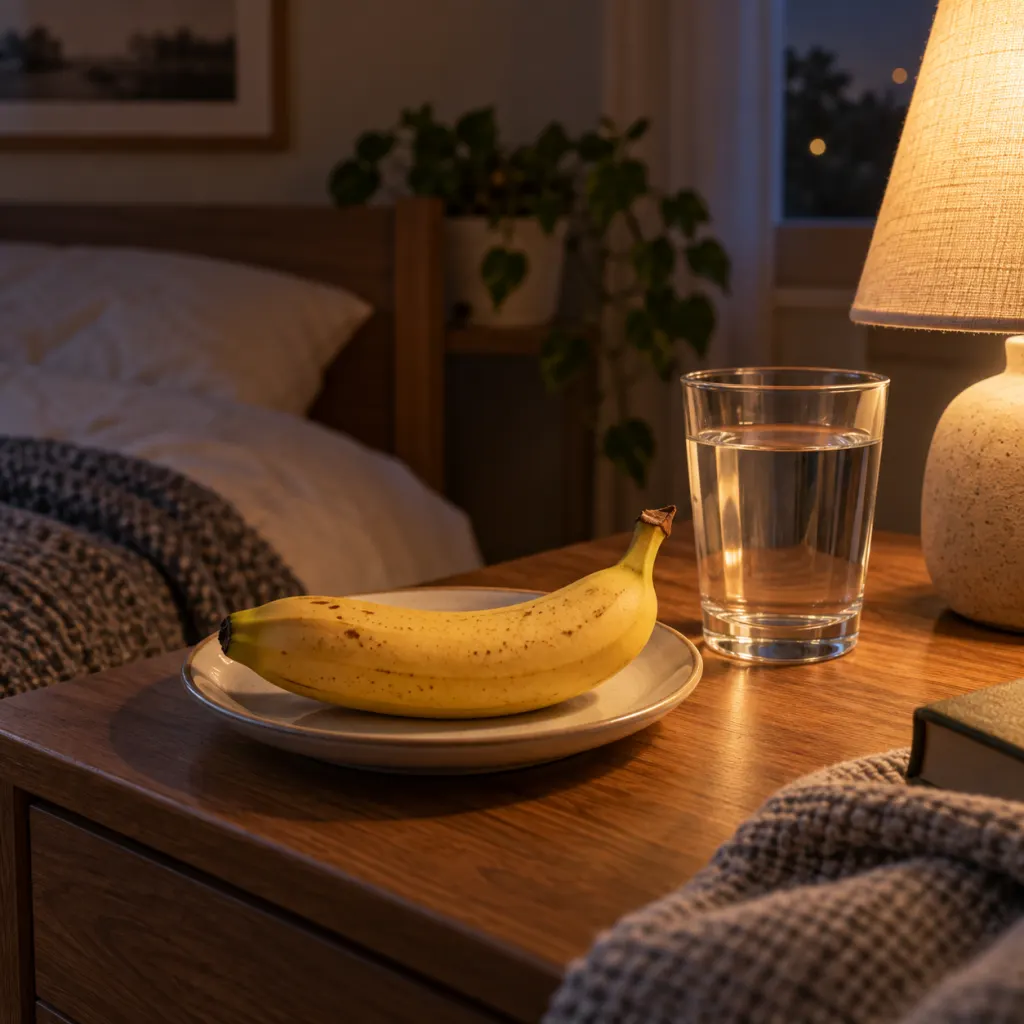
If you eat a banana at night, the most realistic thing you increase is your intake of several ordinary nutrients, not a guaranteed overnight health result. A banana can be a practical evening snack because it is portable, naturally sweet, and usually lighter than a heavy late meal. It provides potassium, magnesium, vitamin B6, carbohydrate, and fiber in food form, but the evidence does not support treating it as a sleep cure. The better question is whether a banana fits your evening routine, hunger level, and personal tolerance.
The viral version of this topic often sounds as if one fruit can unlock a dramatic body change after dark. A more useful view is quieter: bananas can help some people avoid going to bed hungry, while others may feel better finishing food earlier. Sleep quality depends on many habits, including a consistent schedule, a calm wind-down, the sleep environment, caffeine timing, alcohol choices, screen distractions, and underlying sleep conditions. Food is only one piece of that picture.
What a Night Banana Actually Adds
A medium banana is best understood as a small fruit snack, not a supplement. It contributes carbohydrate for energy, some dietary fiber, and several micronutrients. The National Institutes of Health Office of Dietary Supplements lists bananas among fruits that provide potassium, a mineral needed for normal kidney and heart function, muscle contraction, and nerve transmission: https://ods.od.nih.gov/factsheets/Potassium-Consumer/. The same NIH source notes that many people in the United States consume less potassium than recommended, but that does not mean one banana at bedtime corrects a whole eating pattern.
Bananas also provide a modest amount of magnesium. NIH describes magnesium as a mineral involved in hundreds of enzyme systems, including processes related to muscle and nerve function, energy production, and normal rhythm in the body: https://ods.od.nih.gov/factsheets/magnesium-healthProfessional/. Importantly, the food table on that page lists one medium banana at 32 milligrams of magnesium, about 8 percent of the Daily Value. That is useful, but it is not a high-dose magnesium intervention.
Why the Timing Question Matters
Eating at night is not automatically bad, and fruit does not become nutritionally strange after sunset. Timing matters because the same food can feel different depending on how close it is to bed, what else you ate, and whether you are truly hungry. MedlinePlus includes avoiding large meals and drinks late at night among healthy sleep habits: https://medlineplus.gov/healthysleep.html. That guidance points toward moderation rather than fear. A banana is small compared with a heavy meal, but adding nut butter, milk, cereal, honey, or a large smoothie can turn a light snack into something more filling than intended.
For many people, the best window is earlier in the evening rather than moments before lying down. If you are hungry after an early dinner, a banana an hour or two before bed may feel more comfortable than eating it while already in bed. If you are not hungry, there is no special reason to add a banana simply because a social post promised a dramatic benefit. A bedtime snack should solve a real problem, such as distracting hunger, not create a new routine you do not need.
Sleep Claims Need Careful Wording
Bananas are often linked online with relaxation because they contain nutrients involved in normal body processes. Vitamin B6 is one example. NIH explains that vitamin B6 is involved in more than 100 enzyme reactions and plays a role in brain development and immune function: https://ods.od.nih.gov/factsheets/VitaminB6-Consumer/. That does not prove that eating a banana at night will reliably make a person sleepy. Nutrient function is not the same thing as a predictable bedtime effect from one food.
Sleep itself is shaped by behavior, biology, stress, light exposure, and medical factors. MedlinePlus notes that healthy sleep habits include keeping a regular schedule, avoiding caffeine especially in the afternoon and evening, relaxing before bed, keeping the bedroom cool, dark, and quiet, and removing screens and other distractions: https://medlineplus.gov/healthysleep.html. Against that background, a banana can be part of an evening routine, but it should not be presented as the main lever for sleep.
When a Banana May Be a Good Evening Snack
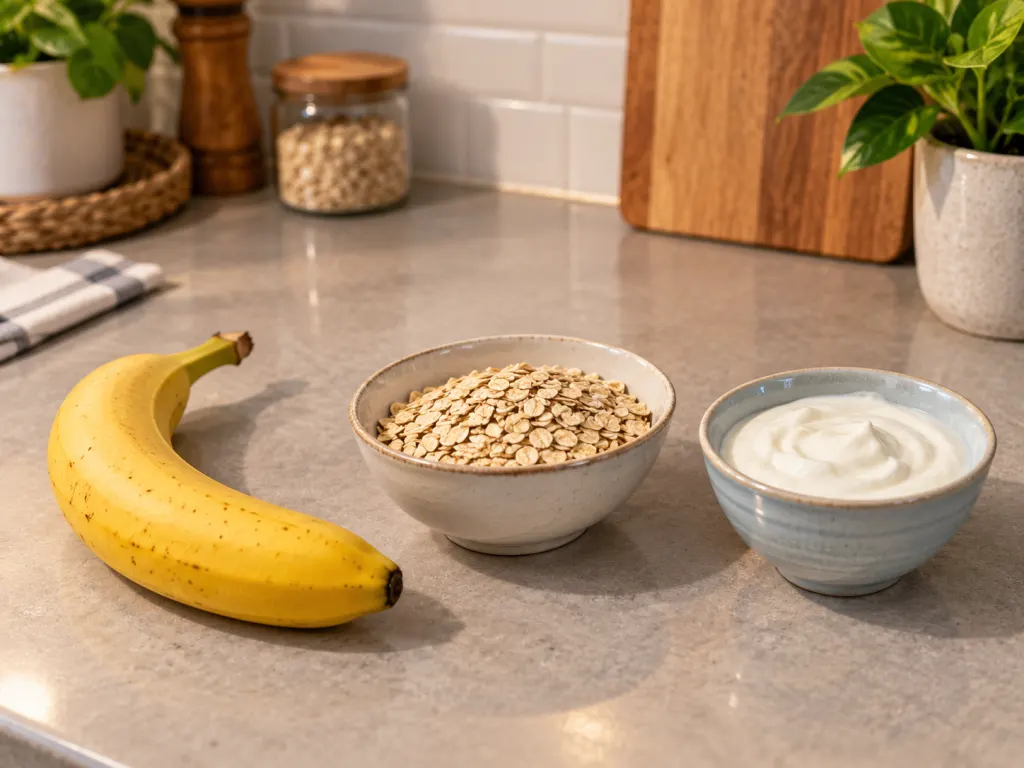
A banana may make sense at night when it is replacing a snack that is much heavier, more caffeinated, or less satisfying. It is soft, requires no cooking, and pairs well with simple foods such as plain yogurt, oats, or whole-grain toast if you need something more filling. It may also be helpful for people who wake up hungry because dinner was very early or unusually light. In those cases, the point is comfort and consistency, not a guaranteed health outcome.
Use the snack as a decision, not a superstition. A practical checklist looks like this:
- Choose it for hunger: eat a banana at night if you are genuinely hungry, not because you feel required to.
- Keep it modest: one banana is usually enough for a light snack; extras can make it feel like a second meal.
- Watch the pairings: a little protein or fat can add staying power, but large rich toppings may feel heavy close to bed.
- Notice your pattern: if late fruit feels comfortable, fine; if it feels too filling, move it earlier.
- Protect the bigger routine: a banana cannot make up for late caffeine, bright screens, or an irregular sleep schedule.
When You Might Skip It or Eat It Earlier
Some people simply do not like eating close to bedtime. Others may notice fullness, reflux-like discomfort, or restlessness after any late snack. The answer is not to label bananas as good or bad; it is to adjust timing and portion size. If you already ate a balanced dinner and feel comfortable, skipping food before bed is reasonable. If you enjoy bananas but dislike late eating, have one with dinner or as an afternoon snack instead.
Potassium deserves a special note for people with potassium restrictions. NIH says potassium from food has not been shown to cause harm in healthy people with normal kidney function, but people with chronic kidney disease or certain medication situations can develop high potassium levels and should talk with health care providers about safe intake from foods, drinks, and supplements: https://ods.od.nih.gov/factsheets/Potassium-Consumer/. That does not make bananas dangerous for everyone; it means personal medical context matters.
How to Think About Sugar in a Night Banana
Bananas contain natural sugars along with water, fiber, and micronutrients. That is different from treating them like candy, but it also does not make them magic. If a banana satisfies a sweet craving that would otherwise turn into a much larger dessert late at night, it can be a useful choice. If you add sweet spreads, sweetened cereal, syrup, or a large sweet drink, the overall snack changes. The fruit itself is only one part of what you actually eat.
People who track carbohydrate intake for personal medical reasons should count bananas the same way they count other fruit. This article cannot set an individual target. The sensible kitchen approach is to keep the portion recognizable, pair it thoughtfully if needed, and watch how you feel the next morning. If you notice a pattern of poor sleep, morning discomfort, or late-night hunger that keeps returning, the answer may involve the whole day of meals, stress, caffeine, alcohol, and schedule rather than the banana alone.
Bananas Versus Other Bedtime Snacks
A banana is neither the only smart evening snack nor a required one. Other options may work better depending on appetite and preference: plain yogurt, a small bowl of oatmeal, a slice of whole-grain toast, a few nuts, or another piece of fruit. The common thread is modest size and personal comfort. Very spicy, very fatty, very large, or highly caffeinated choices are more likely to interfere with settling down, especially if eaten close to bedtime.
Think of the banana as a low-prep default. It is useful when you want something simple and predictable. It is less useful if you are expecting a specific body change from it, forcing yourself to eat when you are not hungry, or using it to compensate for an evening routine that keeps pushing sleep later. The strongest evidence-supported sleep habits remain behavioral: regular timing, a restful room, caffeine awareness, and a wind-down that helps your body recognize bedtime.
The Bottom Line for Everyday Kitchens
Eating a banana at night mainly increases your intake of a few familiar nutrients and gives you a light snack option. It may help if hunger is what is keeping you alert, but it is not a reliable stand-alone sleep strategy. The most practical plan is to keep the portion simple, eat it early enough to feel comfortable, and judge it by your own pattern over several nights. If the habit helps you feel settled without heaviness, it can stay. If it does nothing or makes you uncomfortable, there is no need to keep it.
When Sleep Trouble Deserves More Attention
A snack can address ordinary hunger, but it cannot explain every sleep problem. MedlinePlus describes insomnia as trouble falling asleep, staying asleep, or both, and notes that ongoing sleep trouble can have many causes, including stress, substances such as caffeine, medicines, and other sleep disorders: https://www.medlineplus.gov/insomnia.html. If difficulty sleeping continues, or if poor sleep affects daily functioning, it is better to look beyond any single food and discuss the pattern with a qualified professional.
That perspective keeps bananas in their proper place. They are a nourishing fruit and often a reasonable snack. They are not a diagnosis, a treatment plan, or proof that your body needs one specific nutrient at night. A calm routine, enough time in bed, and attention to personal comfort will usually matter more than the exact fruit in the bowl.
Wrap-Up
A banana at night is best treated as a simple snack, not a promise. It can add potassium, magnesium, vitamin B6, carbohydrate, and fiber, and it may be useful when hunger would otherwise keep you awake. Keep it modest, avoid turning it into a heavy late meal, and pay attention to how your body responds. For continuing sleep problems or potassium-related medical concerns, use professional guidance rather than social-media rules.
Frequently Asked Questions
- → Will eating a banana at night make me sleep better?
Not reliably by itself. A banana may help if hunger is keeping you awake, but sleep is influenced by schedule, caffeine timing, stress, light exposure, the bedroom environment, and health factors. Treat it as a light snack, not a guaranteed sleep strategy.
- → How close to bedtime should I eat a banana?
Many people feel better eating it earlier in the evening, such as an hour or two before bed, rather than immediately before lying down. If it feels too filling, move it earlier or skip the bedtime snack.
- → Is a banana too sugary for night?
A banana contains natural sugars along with fiber, water, and micronutrients. For many people, one banana is a modest snack. The overall choice changes if it is blended into a large sweet drink or topped with several sweet extras.
- → Can I eat a banana every night?
If it fits your overall eating pattern and feels comfortable, a nightly banana can be reasonable. Variety still matters, so rotate in other fruits, yogurt, oats, nuts, or whole-grain snacks when they suit your needs and preferences.
- → Who should be more careful with bananas because of potassium?
People who have been told to limit potassium, especially because of kidney-related medical concerns or specific medication situations, should follow personalized guidance from a qualified health professional. For most healthy people with normal kidney function, potassium from foods is handled differently than high-dose supplements or salt substitutes.