 Save
Many people ages 65 to 85 can still do five important things independently: move around the home, run familiar errands, prepare simple meals, keep learning and conversing, and maintain relationships. These everyday abilities matter because independence is usually built from routine tasks, not dramatic tests of strength. Public health guidance for older adults emphasizes a mix of aerobic, strength, and balance activity, while social connection and safer food habits also support day-to-day living CDC CDC FoodSafety.gov.
Independence Is Not All-or-Nothing
Independence after 65 is best understood as a spectrum. One person may drive, cook full meals, volunteer, and manage a busy calendar. Another may live alone but use delivery services, grab bars, a pill organizer, or rides from family. Both can still be practicing independence. The real question is not whether someone does every task without help; it is whether they can make decisions, complete meaningful routines, and use support wisely when support makes life safer or easier.
Age alone is a poor measure of ability. A 66-year-old recovering from surgery may need temporary help with stairs, while an 84-year-old may still garden, shop, cook, and manage appointments. The five abilities below are useful because they combine physical function, planning, memory, judgment, and social confidence. They also show where small adjustments can preserve autonomy without turning everyday life into a risky endurance test.
1. Getting Up, Walking Around, and Moving Through the Home
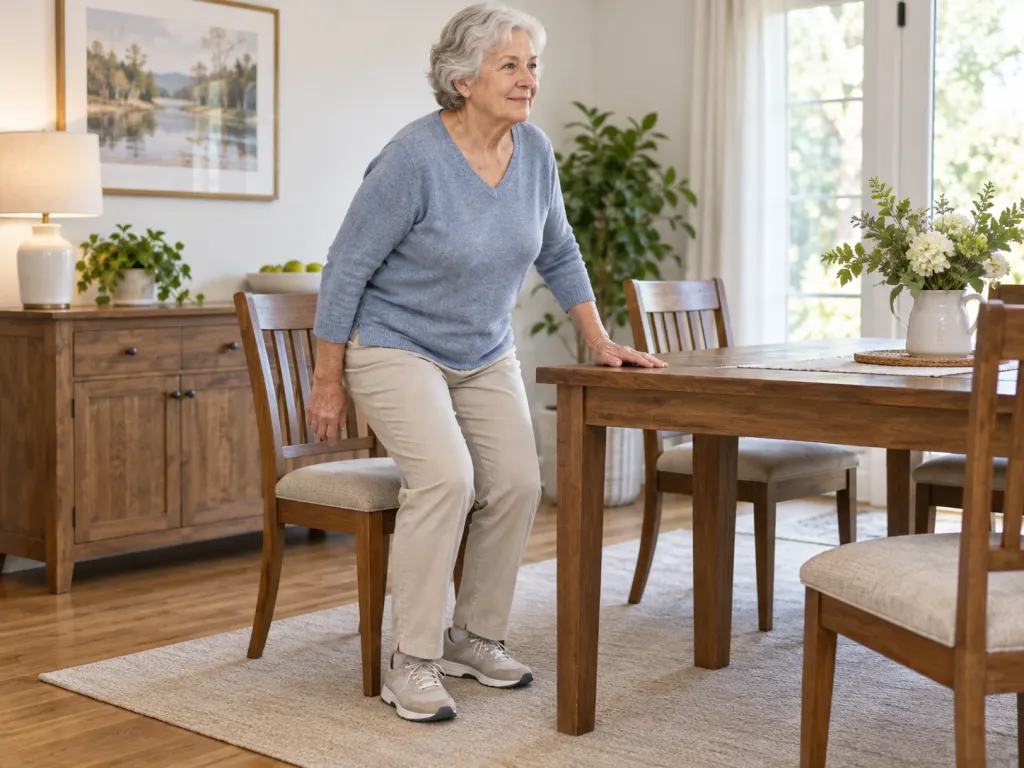
Standing from a chair, walking to another room, carrying a light item, reaching a shelf, and using stairs require coordination, leg strength, balance, vision, and attention. The CDC says adults 65 and older need a weekly mix of aerobic, muscle-strengthening, and balance activities; it also notes that activities such as walking, gardening, yoga, tai chi, and other multicomponent movement can count when they match a person’s ability CDC. MedlinePlus similarly describes endurance, strength, balance, and flexibility as the four main kinds of activity for older adults MedlinePlus.
The practical sign of independence is not speed. It is whether movement is controlled enough for ordinary life: getting out of bed, reaching the bathroom, making tea, answering the door, or stepping outside. A person who pauses before standing, uses a handrail, wears stable shoes, or keeps pathways clear is not being less independent. They are making movement more dependable. Good independence often looks boring: steady routines, fewer hazards, and enough confidence to move without rushing.
2. Running Familiar Errands and Navigating the Neighborhood
Going to a nearby store, pharmacy, library, place of worship, mailbox, or community center involves more than transportation. It calls on route memory, timing, awareness of surroundings, money handling, communication, and the ability to adjust when something changes. CDC guidance for older adults links mobility with staying independent longer, and its safety materials encourage planning ahead, choosing safer conditions, and considering alternatives such as rides from friends, family, public transportation, or ride services when driving is not the best option CDC.
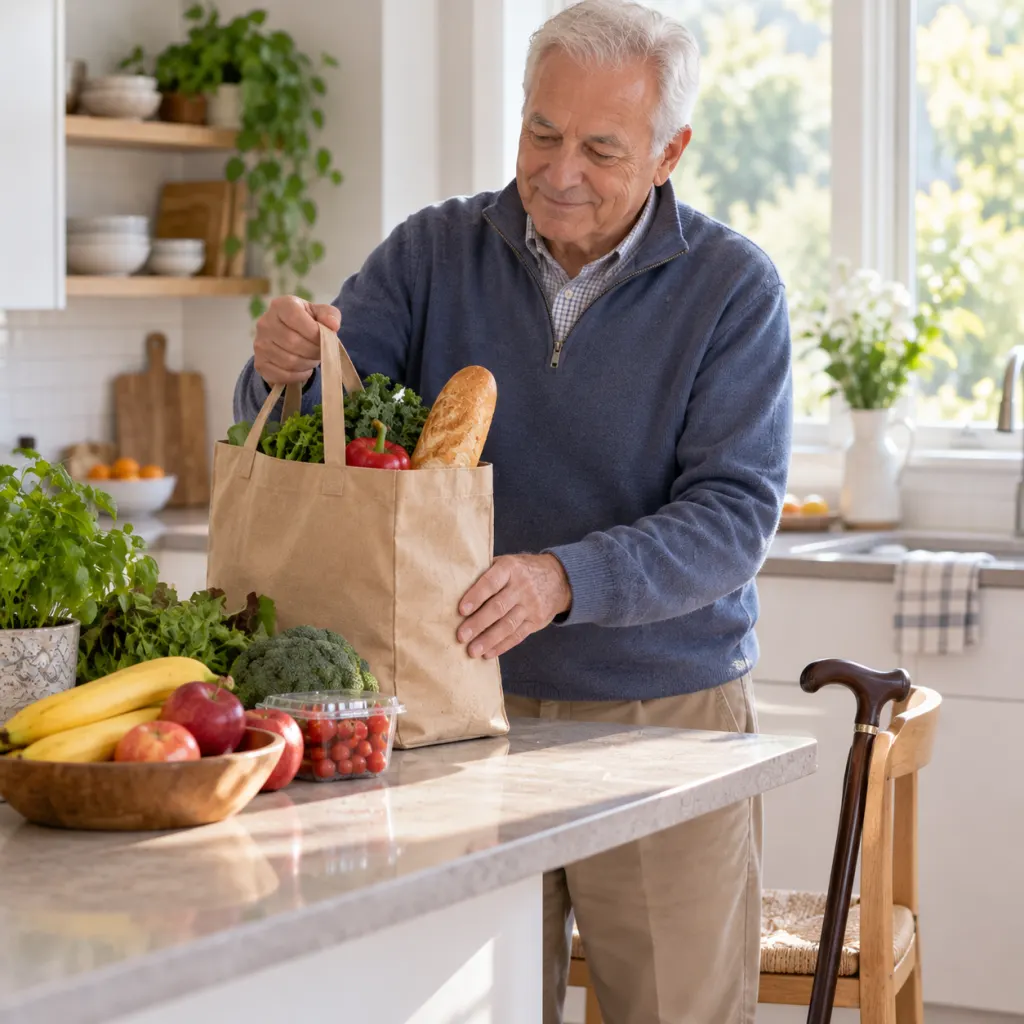
For many people ages 65 to 85, independent errands may become more selective rather than disappear. A person may shop in daylight, avoid icy sidewalks, use a smaller grocery cart, split errands across two days, or order bulky items while still choosing their own food and managing their own list. That still counts. The independent skill is the ability to plan the errand, recognize limits, and choose the safest method available.
3. Preparing Simple Meals Safely
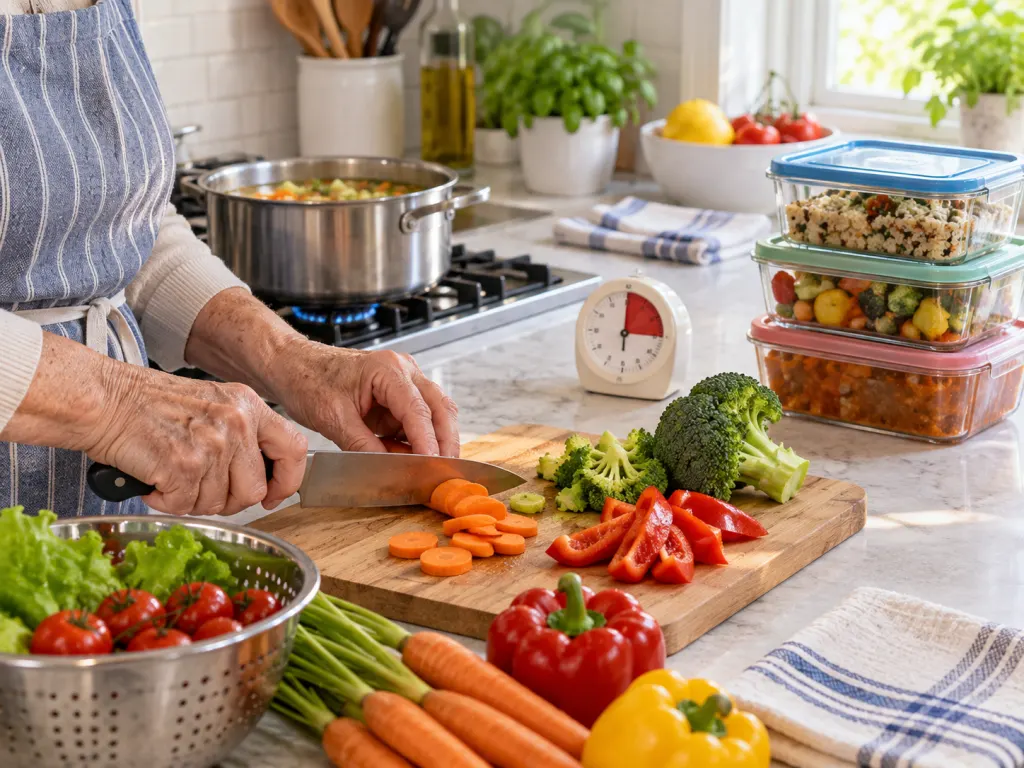
Cooking is a strong example of practical independence because it blends memory, sequencing, hand coordination, timing, cleanup, and judgment. A person does not need to prepare complicated dinners to show this ability. Making oatmeal, soup, eggs, a sandwich, roasted vegetables, or reheated leftovers can still require useful planning: checking dates, washing produce, turning appliances off, storing food promptly, and noticing when a pan, knife, or container is awkward to handle.
Food safety deserves special attention because FoodSafety.gov lists adults age 65 and older among groups more likely to get sick from contaminated food, and it recommends the basic steps of clean, separate, cook, and chill. It also advises refrigerating groceries promptly, keeping raw meat or seafood away from ready-to-eat foods, using leftovers within four days, and reheating leftovers to 165°F FoodSafety.gov. These habits are not meant to make cooking feel clinical; they simply turn cooking independence into a safer routine.
Useful meal independence can include:
- Keeping often-used pans, bowls, and spices at waist or shoulder height.
- Using good lighting, a stable cutting board, and easy-grip tools.
- Choosing meals with fewer steps on low-energy days.
- Labeling leftovers with the date before putting them away.
- Setting a timer when the oven, stovetop, or kettle is on.
4. Holding Conversations, Making Choices, and Learning New Things
Conversation and learning are easy to underestimate because they may not look physically demanding. Yet they show attention, language, memory, emotional flexibility, and the ability to follow new information. NIH News in Health notes that experts recommend regular aerobic activity and strength training, and it discusses research connecting physical activity with brain health and memory while also encouraging people to start small when a full routine feels overwhelming NIH News in Health. The point is not that one habit guarantees sharpness. The point is that mental engagement, movement, and curiosity can remain part of later life.
Independent learning might mean using a smartphone more confidently, reading about a new topic, joining a class, practicing a language, playing music, learning a recipe, or asking better questions at an appointment. A person who writes things down, repeats instructions, or asks someone to explain a new device twice is still learning. Those strategies are signs of self-management, not failure.
5. Maintaining Relationships and Choosing Support
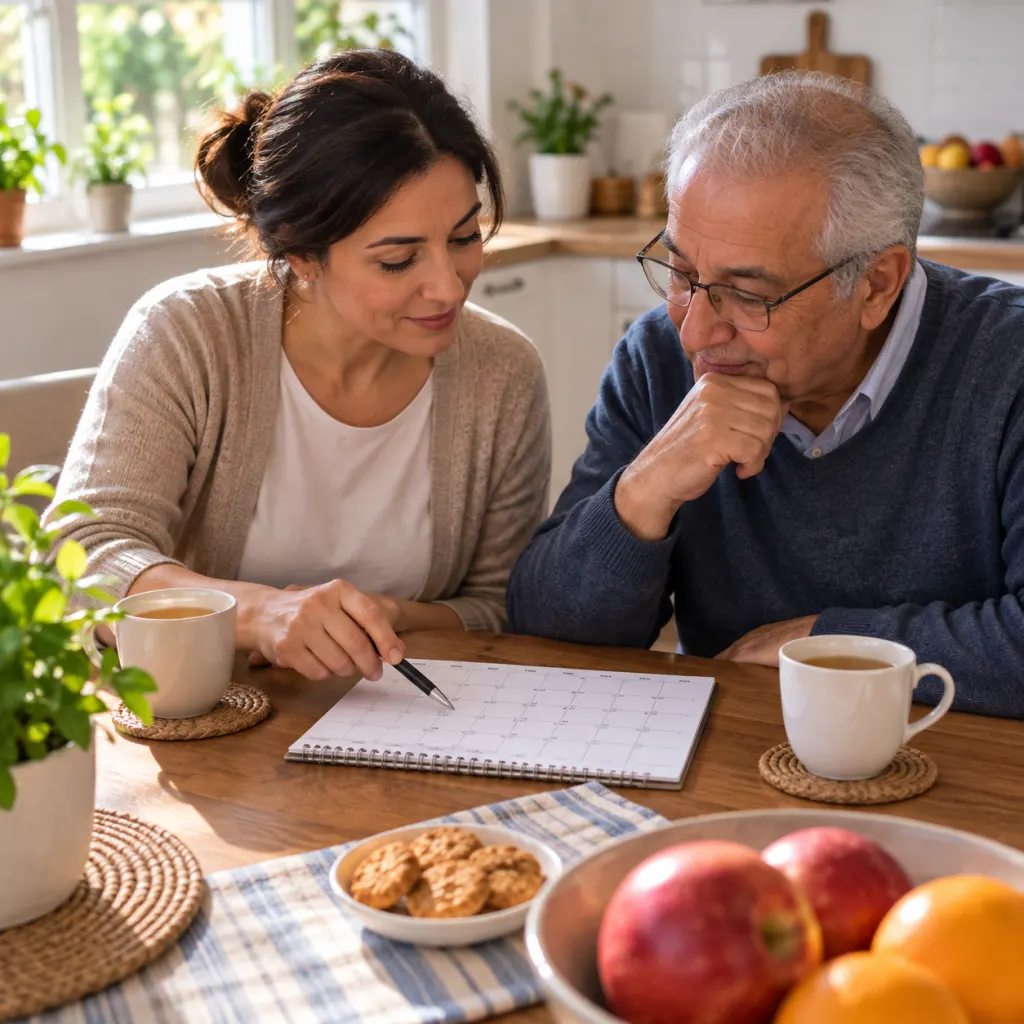
Strong independence includes connection. CDC describes social connection as the size, quality, and variety of relationships people have, and says supportive connections help people feel they belong and have care when they need it CDC. For older adults, that might mean regular phone calls, meals with neighbors, a faith community, volunteering, hobby groups, online video chats, or simply having two or three trusted people who can be called when plans change.
Asking for help can be part of independence rather than the opposite of it. Someone who asks a neighbor to carry a heavy bag, schedules a ride after dark, or invites a family member to review a complicated form is making a choice. The goal is not to do everything alone. The goal is to stay involved in decisions, protect dignity, and keep the routines that make life feel like one’s own.

What These Five Abilities Can and Cannot Tell You
These five abilities are encouraging signs, but they are not a medical scorecard. A person may manage meals beautifully and still need help with balance. Another may walk daily but feel overwhelmed by bills or new technology. Independence is also shaped by housing, income, transportation, neighborhood design, hearing, vision, culture, and family support. That is why comparisons between people can be misleading.
A better approach is to look for changes from a person’s own baseline. Is the usual walk becoming much harder? Are errands being abandoned because the route feels confusing? Is cooking avoided because lifting, timing, or cleanup has become stressful? Are social invitations being refused because of transportation, hearing, or confidence? These observations can start a practical conversation before a small barrier becomes a larger one.
How to Support Independence Without Taking Over
The most respectful support usually keeps the older adult in the decision-making seat. Instead of replacing the task, simplify the task. Instead of saying, “You cannot do that,” ask, “What would make this easier?” That may lead to better lighting, a shower chair, a lighter pan, a grocery list template, a walking route with benches, a balance class, or a weekly check-in call. HHS MyHealthfinder encourages older adults to start slowly with activity, build strength and balance, and talk with a doctor when questions or health concerns affect what activities are right for them HHS MyHealthfinder.
The Real Meaning of Staying Independent
For people ages 65 to 85, independence is often quieter than the culture around aging suggests. It can be a steady walk to the kitchen, a planned trip to the store, a safe bowl of soup, a new skill learned slowly, or a regular call with a friend. These are not small things. They are the routines that keep identity, choice, and confidence alive. When those routines are supported with sensible safety habits and respectful help, many older adults can continue shaping their own days in meaningful ways.
Wrap-Up
The five independent abilities that often matter most from ages 65 to 85 are safe movement, familiar errands, simple meal preparation, continued learning and conversation, and social connection. None of them requires perfection, speed, or doing everything alone. The strongest version of independence is flexible: it uses planning, tools, community, and professional guidance when needed while preserving choice and dignity.
Frequently Asked Questions
- → Do these five abilities prove that someone can live alone safely?
No. They are useful signs of day-to-day independence, but they do not prove that living alone is the right setup. Housing layout, falls risk, transportation, hearing, vision, memory, finances, and reliable support all matter. A person can be very capable and still benefit from practical adjustments.
- → Is using a cane, walker, delivery service, or ride service a loss of independence?
Not necessarily. Tools and services can protect independence when they help someone keep making choices and participating in daily life. The key question is whether the support expands safe options rather than taking over decisions unnecessarily.
- → What if an older adult can do some of these things but not all five?
That is common. Independence is not a pass-fail test. Someone may cook well but avoid driving, or stay socially active but need help with stairs. The useful next step is to identify which routines matter most and what changes could make those routines easier.
- → When should families pay closer attention to changing independence?
Pay attention when there is a clear change from the person’s usual pattern, such as avoiding normal errands, repeated kitchen mishaps, new trouble following familiar routes, increasing isolation, or difficulty getting up from chairs. The conversation should be calm, specific, and focused on support rather than blame.
References
This content was developed and refined using reliable sources.
- https://www.cdc.gov/physical-activity-basics/adding-older-adults/what-counts.html
- https://medlineplus.gov/exerciseforolderadults.html
- https://www.cdc.gov/still-going-strong/older-adults/index.html
- https://www.foodsafety.gov/people-at-risk
- https://newsinhealth.nih.gov/2025/01/working-out-stay-sharp
- https://www.cdc.gov/social-connectedness/about/index.html
- https://odphp.health.gov/myhealthfinder/health-conditions/obesity/stay-active-you-get-older-quick-tips