 Save
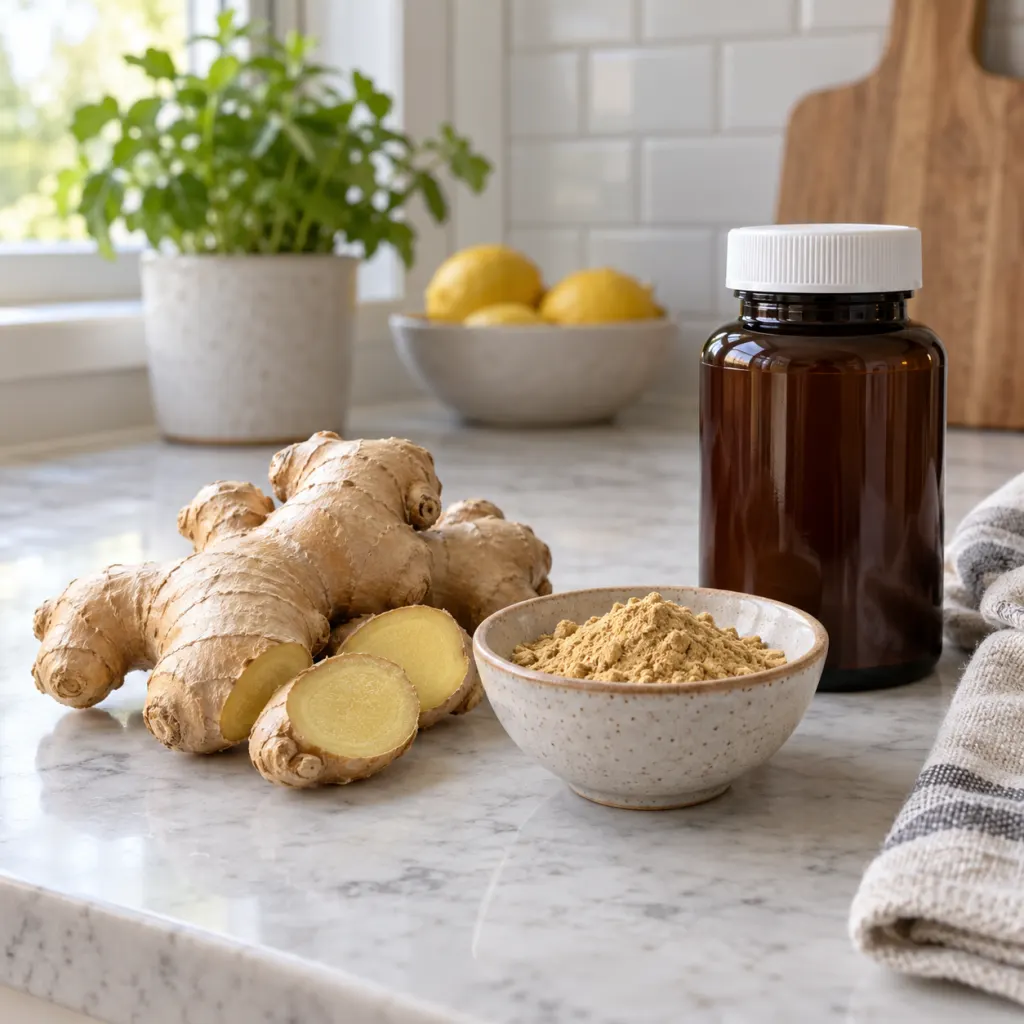
For most adults, ginger in normal food amounts is not the issue; concentrated ginger supplements are the version to pause before using if you take blood-thinning medicine, are preparing for surgery, are pregnant or breastfeeding, have gallstone disease, or have recurring heartburn or diarrhea. Ginger is a rhizome used both as a food and in health products, and the National Center for Complementary and Integrative Health notes that many studies have looked at ginger supplements rather than ginger used simply as an ingredient in meals https://www.nccih.nih.gov/health/ginger. That distinction matters. A few slices in soup, tea, or stir-fry are not the same as a capsule, extract, shot, or strong daily powder routine. This guide focuses on when ginger deserves caution, what questions to ask, and how to keep the conversation practical instead of alarmist.
Start With the Form: Food Ginger Is Different From Supplements
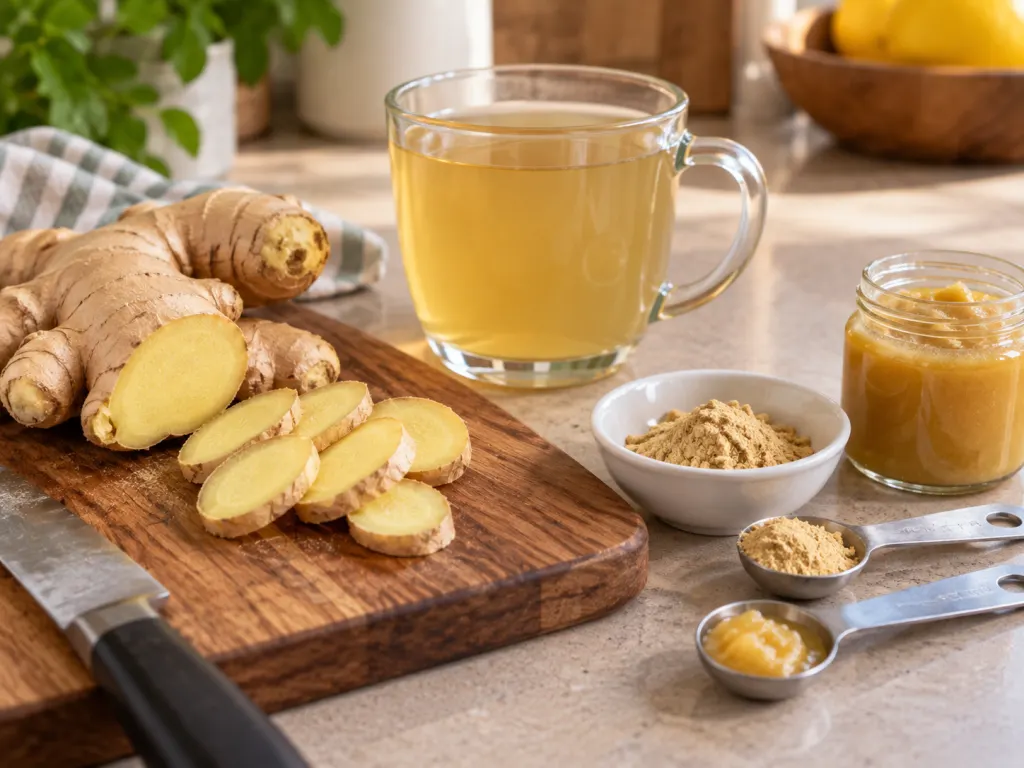
Ginger appears in kitchens as fresh root, dried powder, paste, pickled slices, tea, candy, syrups, and bottled shots. It also appears as capsules, extracts, gummies, and other dietary supplements. The difference is not just packaging. A recipe usually spreads a modest amount across several servings, while a supplement is designed to deliver a concentrated product in a repeatable serving. The FDA explains that dietary supplements can include herbs such as ginger and that supplements are regulated differently from conventional foods and medicines https://www.fda.gov/consumers/consumer-updates/fda-101-dietary-supplements. That is why the safest first question is not simply, “Is ginger good or bad?” It is, “What form am I using, how often, and what else is going on with my health?”
Be More Careful If You Take Blood-Thinning Medicine
If you take a blood thinner or an antiplatelet medicine, do not treat concentrated ginger products as harmless background food. MedlinePlus says blood thinners can interact with foods, medicines, vitamins, alcohol, and supplements, and that your health care provider should know all medicines and supplements you use https://medlineplus.gov/bloodthinners.html. NCCIH also advises people who take any type of medicine to talk with a health care provider before using ginger or other herbal products because some combinations can be harmful https://www.nccih.nih.gov/health/ginger. The practical takeaway is simple: if your medicine requires careful monitoring, or if bleeding risk has ever been part of your care plan, bring ginger supplements into that same conversation.
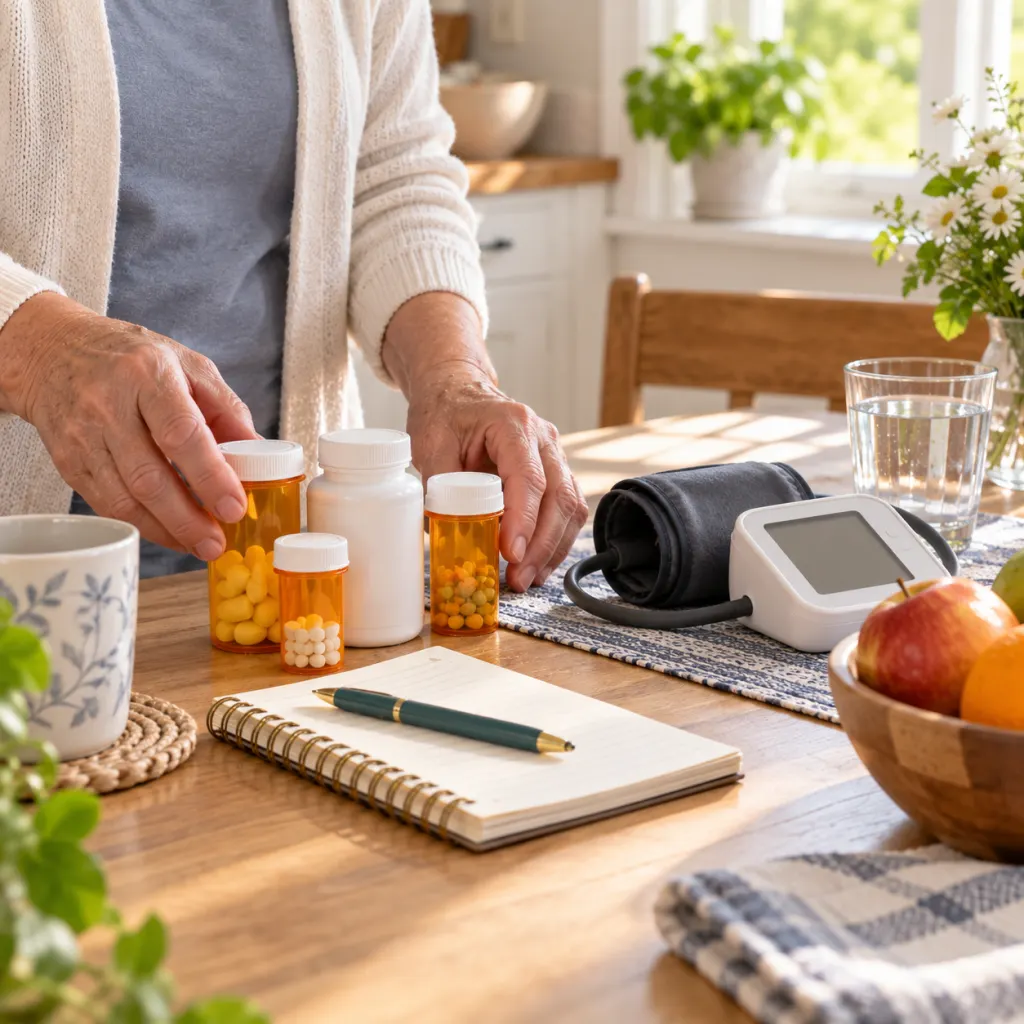
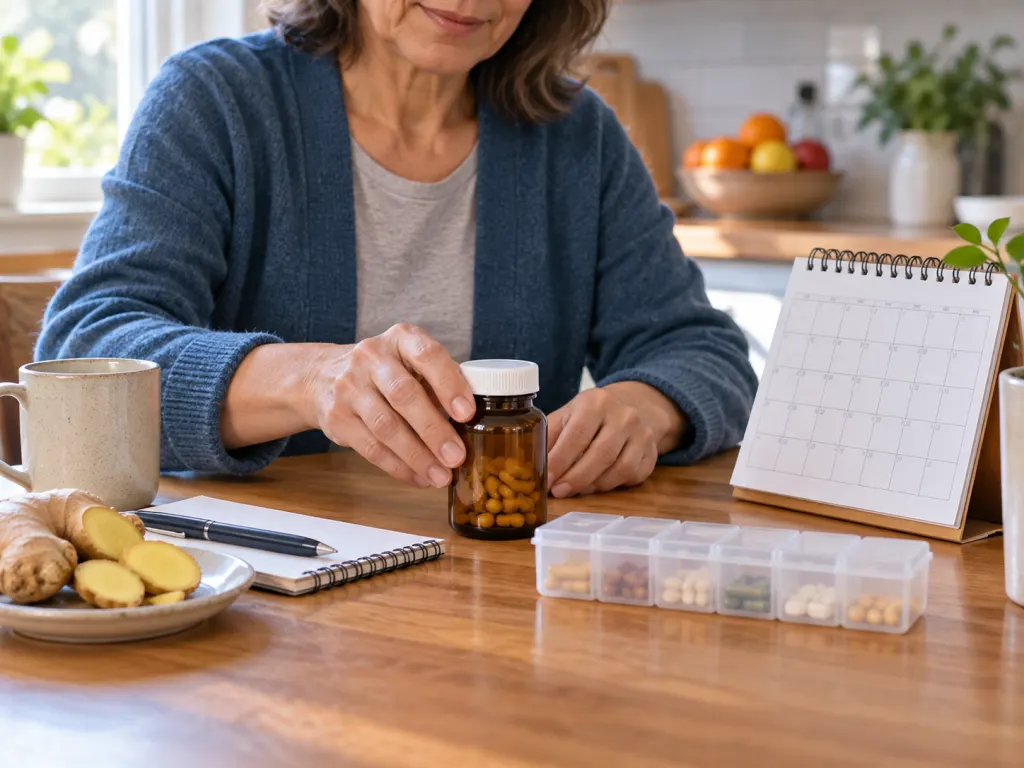
A useful medication review is specific. Bring the product bottle or a photo of the Supplement Facts label. Mention capsules, powders, strong teas, ginger shots, and homemade preparations you use regularly. Include over-the-counter pain relievers and aspirin if you use them. Do not rely on the word “natural” as a safety screen; MedlinePlus cautions that natural products can still have side effects and can affect medicines https://medlineplus.gov/ency/patientinstructions/000868.htm. For everyday cooking, your clinician may simply note it in your record. For concentrated products, they may want a more careful plan.
- Pause before starting a ginger capsule, extract, or daily shot if you use blood-thinning medicine.
- Ask before stacking products, such as ginger plus other herbal supplements.
- Keep labels so your pharmacist can see the exact ingredients.
- Report unusual bleeding or bruising promptly, especially if you already have a bleeding-risk plan.
Pause Before Surgery or a Procedure
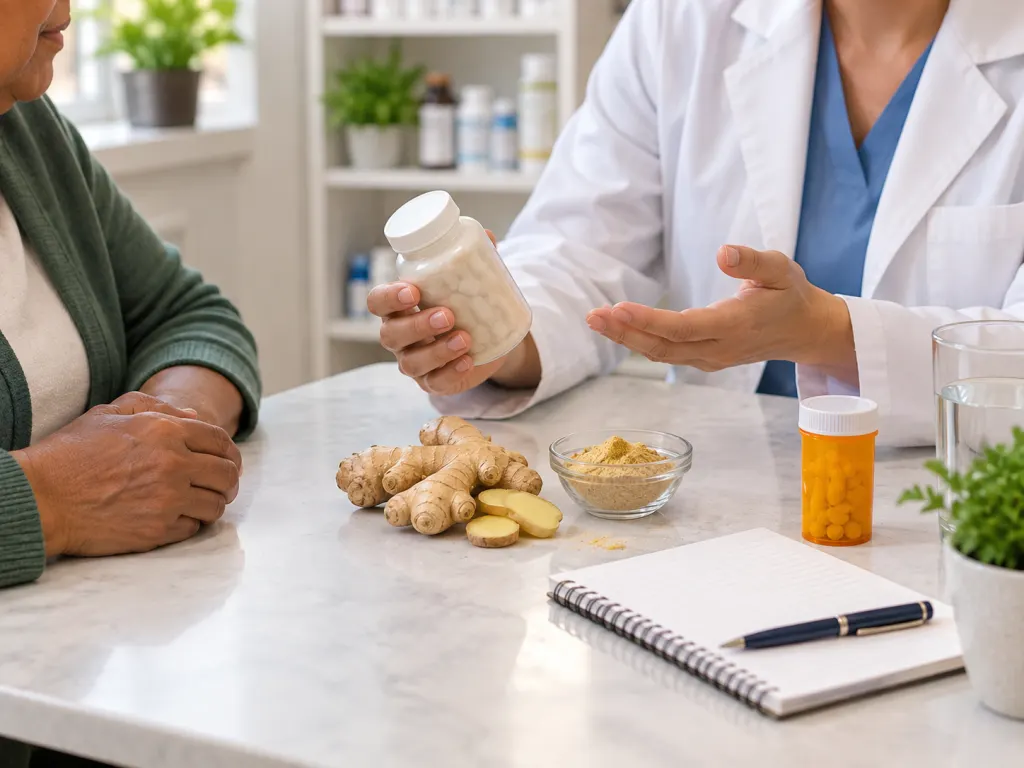
Before surgery, the key safety issue is that your surgical team needs a complete list of what you take, including vitamins, herbs, minerals, and natural products. MedlinePlus advises people not to take supplements, herbs, vitamins, or minerals before surgery unless the surgeon says it is okay, and it specifically tells patients to bring a list of medicines to the hospital https://www.medlineplus.gov/ency/patientinstructions/000371.htm. That advice applies even when the product feels ordinary because it came from the kitchen aisle or health-food shelf. A ginger supplement is still worth naming at a preoperative visit.
Pregnancy and Breastfeeding Call for Personal Guidance
Ginger is often discussed in pregnancy because it has been studied for nausea and vomiting, but that does not mean every ginger product is right for every person at every point. NCCIH says ginger dietary supplements during pregnancy may be safe, while also advising anyone considering ginger while pregnant to consult a health care provider; it also notes that little is known about safety while breastfeeding https://www.nccih.nih.gov/health/ginger. MedlinePlus gives the broader rule for pregnancy: check with a provider before taking prescription medicines, over-the-counter medicines, herbs, or supplements, and do not stop or start medicine without that guidance https://medlineplus.gov/pregnancyandmedicines.html. This is not a reason to panic over ginger in a meal. It is a reason to avoid self-managing concentrated products during pregnancy or breastfeeding.
Gallstone Disease Is a Specific Caution
Gallstone disease is one of the clearest “ask first” situations. In a travel-health page discussing complementary approaches for pregnancy-related nausea, NCCIH states that people with gallstone disease should avoid ginger and notes that concerns have been raised about ginger with blood thinners https://www.nccih.nih.gov/health/complementary-health-approaches-for-travelers. If you have been told you have gallstones, gallbladder inflammation, or a gallbladder plan under review, do not use ginger supplements as a casual experiment. Ask the clinician who knows your history whether food-level ginger is acceptable for you and whether supplements should stay off your list.
Heartburn, Diarrhea, and Mouth Irritation Are Reasons To Scale Back
Ginger can bother the digestive tract in some people. NCCIH lists abdominal discomfort, heartburn, diarrhea, and mouth or throat irritation as possible side effects when ginger is taken orally https://www.nccih.nih.gov/health/ginger. Johns Hopkins Medicine similarly notes that ginger is safe for most people to eat in normal amounts, while concentrated supplements raise more caution and are not necessary for everyone https://www.hopkinsmedicine.org/health/wellness-and-prevention/ginger-benefits. If ginger tea, candies, shots, or capsules reliably leave you with burning, loose stools, throat irritation, or nausea, the answer is not to push through. Stop the concentrated product, simplify your intake, and ask a qualified professional if symptoms are severe, persistent, or unusual for you.
Children, Older Adults, and People Taking Several Medicines Need a Lower-Risk Approach
Some readers do not fit neatly into one “condition,” yet still need more caution. MedlinePlus advises people to talk with a provider before giving herbal supplements to children or using them in adults older than 65, and to avoid herbal products without provider input if they take medicines, are pregnant or breastfeeding, or are having surgery https://medlineplus.gov/ency/patientinstructions/000868.htm. This is especially relevant in households where one person buys a ginger product and several family members try it. A shared kitchen ingredient is one thing; a shared supplement routine is another. Children, older relatives, and people managing several prescriptions deserve individual advice.
How To Read a Ginger Product Label
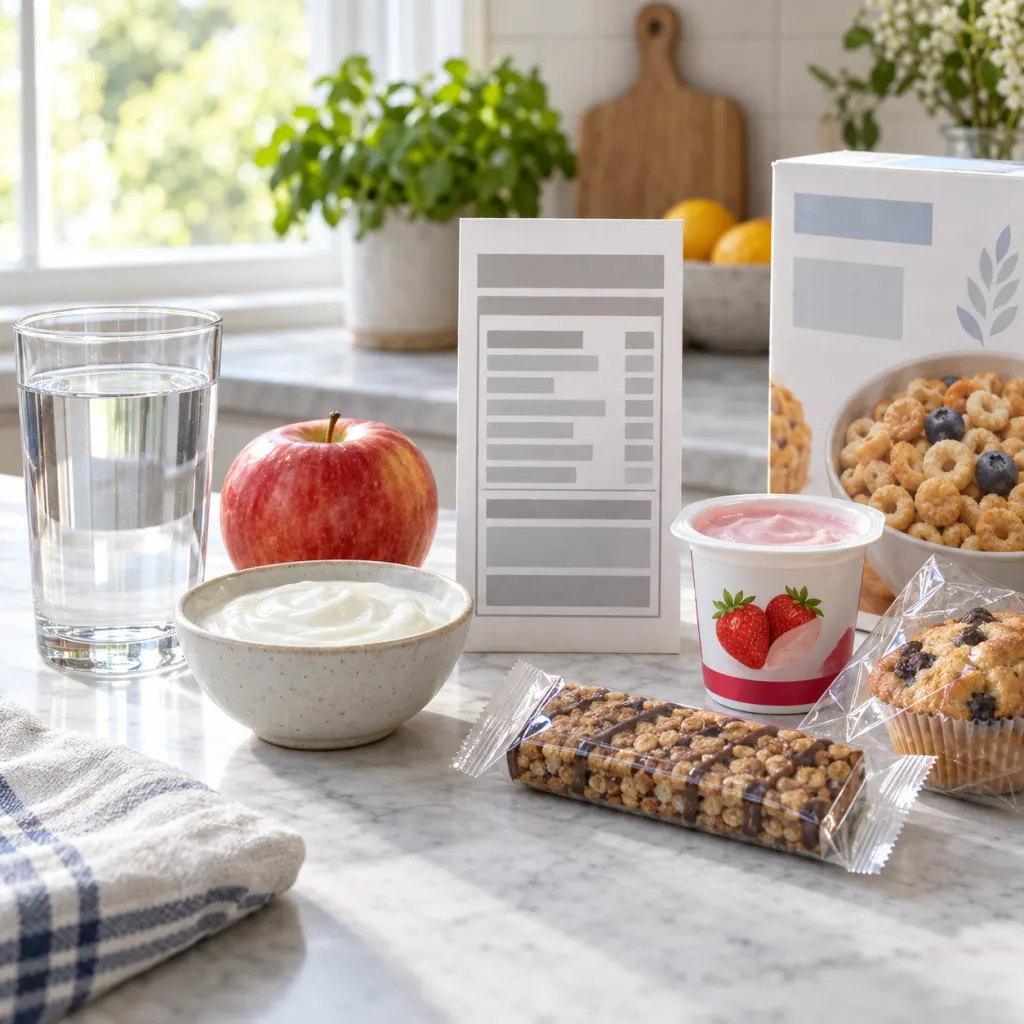
Label reading is a practical defense against confusion. The front of a bottle may say “ginger,” but the back label may reveal a blend that includes other botanicals, caffeine, sweeteners, acids, or extracts. NCCIH’s medication-and-supplement guidance explains that taking supplements with prescription or over-the-counter medicines can sometimes increase or decrease medicine effects or create harmful unintended effects https://www.nccih.nih.gov/health/know-science/how-medications-and-supplements-can-interact/introduction. The FDA also advises consumers to talk with a health care professional before using dietary supplements and not to assume that a supplement is automatically safe because it is sold openly https://www.fda.gov/consumers/consumer-updates/fda-101-dietary-supplements.
Look for the product name, serving size, all active ingredients, other ingredients, warnings, manufacturer details, and third-party quality marks if present. Be extra cautious with products that hide amounts inside proprietary blends, make dramatic claims, or encourage frequent use without explaining who should avoid the product. A simple label does not guarantee safety, but a vague label makes it harder for your clinician or pharmacist to give useful advice.
A Sensible Decision Rule
Use ginger as a flavorful ingredient if it agrees with you and your clinician has not told you otherwise. Pause before concentrated products when you have a medical condition, use prescription or regular over-the-counter medicines, are pregnant or breastfeeding, have gallstone disease, are preparing for surgery, or have had unpleasant reactions to ginger before. If you are unsure, make the question concrete: “Is this ginger supplement appropriate with my medicines and health history?” That question invites a safer answer than “Is ginger healthy?” because it includes the details that matter.
When To Get Help Quickly
Seek prompt medical advice if a ginger product seems connected with heavy or unusual bleeding, black or red stools, vomiting blood, swelling of the face or throat, trouble breathing, faintness, or a severe reaction that feels alarming. MedlinePlus explains that reactions involving medicines, foods, supplements, or medical conditions can change how products work or cause side effects, and it advises people to talk with a health care provider or pharmacist when they have questions about medicines https://medlineplus.gov/drugreactions.html. Do not wait for an article to settle an urgent question. Use professional care when symptoms are severe or out of character.
Wrap-Up
Ginger does not need to be treated like a forbidden ingredient for everyone. The calmer and more accurate rule is this: ginger in food is usually a different matter from concentrated supplements, and certain situations call for professional guidance before using those stronger products. Be especially cautious if you take blood-thinning medicine, have gallstone disease, are pregnant or breastfeeding, are preparing for surgery, are buying ginger for a child or older adult, or already notice heartburn, diarrhea, or irritation after ginger. Keep labels, tell your care team what you use, and choose ordinary culinary ginger when that fits your situation better than a supplement.
Frequently Asked Questions
- → Is ginger in food the same as taking a ginger supplement?
No. Ginger in a recipe is usually spread across food servings, while a supplement may be a concentrated capsule, extract, powder, shot, or blend. The more concentrated and regular the product is, the more important it is to ask whether it fits your medicines and health history.
- → Should I stop cooking with ginger if I take medicine?
Not automatically. Ordinary culinary use may be fine for many people, but you should tell your clinician or pharmacist if you use ginger supplements, strong daily ginger drinks, or any concentrated product. They can judge the product in the context of your specific medicines.
- → Why is gallstone disease mentioned with ginger?
NCCIH specifically notes that people with gallstone disease should avoid ginger. If you have gallstones or a gallbladder care plan, ask your clinician whether any ginger product is appropriate for you.
- → Can ginger cause stomach problems?
Yes, some people experience abdominal discomfort, heartburn, diarrhea, or mouth and throat irritation after taking ginger orally. If that happens repeatedly, reduce or stop the concentrated product and ask a qualified professional if symptoms are severe or persistent.
- → What should I bring to a clinician or pharmacist?
Bring the bottle, package, or a clear photo of the Supplement Facts label. Include how often you use it and any other supplements, teas, powders, over-the-counter medicines, and prescriptions you take.
References
This content was developed and refined using reliable sources.
- https://www.nccih.nih.gov/health/ginger
- https://www.nccih.nih.gov/health/know-science/how-medications-and-supplements-can-interact/introduction
- https://www.fda.gov/consumers/consumer-updates/fda-101-dietary-supplements
- https://medlineplus.gov/ency/patientinstructions/000868.htm
- https://www.nccih.nih.gov/health/complementary-health-approaches-for-travelers
- https://medlineplus.gov/pregnancyandmedicines.html
- https://www.medlineplus.gov/ency/patientinstructions/000371.htm
- https://www.hopkinsmedicine.org/health/wellness-and-prevention/ginger-benefits
- https://medlineplus.gov/drugreactions.html
- https://medlineplus.gov/bloodthinners.html