 Save
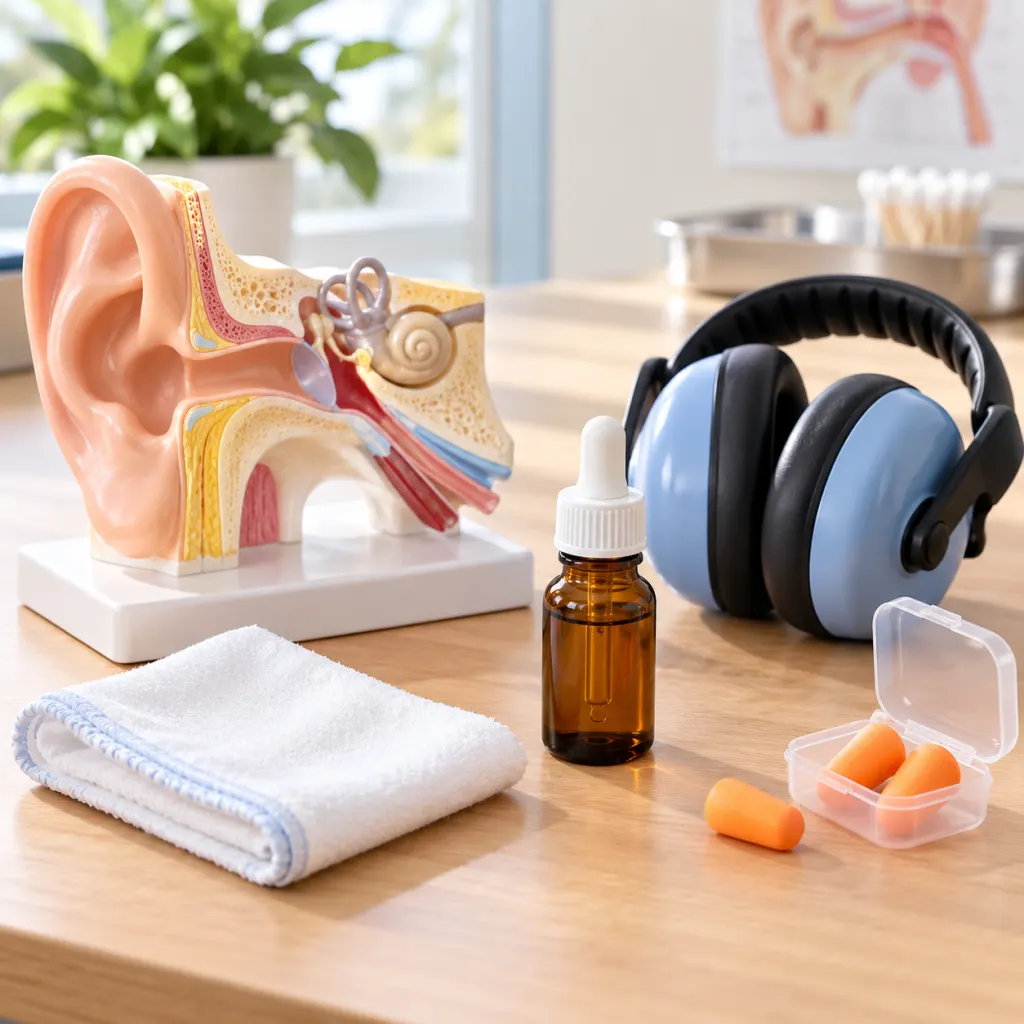
If your hearing suddenly seems muffled, the safest first answer is not to put random liquid in your ear. Earwax can block the ear canal and make hearing feel reduced, and wax-softening drops may be useful for that specific situation. But hearing changes can also come from middle-ear fluid, eardrum trouble, noise-related inner-ear injury, infection, or sudden sensorineural hearing loss. MedlinePlus notes that wax blockage is a common cause of hearing loss, while the National Institute on Deafness and Other Communication Disorders says sudden sensorineural hearing loss should be treated as a medical emergency and checked immediately by a doctor MedlinePlus NIDCD.
Why Ear Drops Sometimes Seem to Help
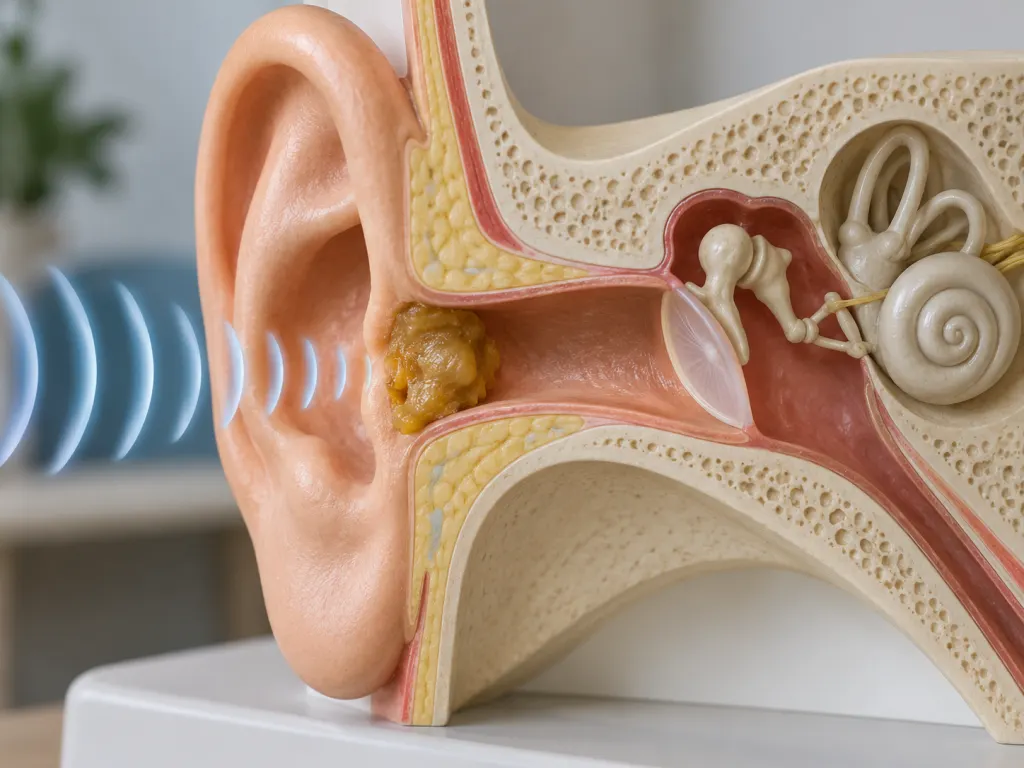
Ear drops can seem dramatic when the real issue is simple blockage. Earwax, also called cerumen, is normal. It helps protect the ear canal by trapping dust and small particles. Usually, it moves outward on its own and is washed away from the outer ear. Trouble starts when wax builds up, hardens, or is pushed deeper into the canal. That can create a plugged feeling, ringing, itching, earache, dizziness, or partial hearing loss, according to MedlinePlus MedlinePlus.
For wax-related muffling, some products soften wax so it can leave the ear more easily. Mayo Clinic describes options a clinician may recommend, including saline, mineral oil, olive oil, diluted hydrogen peroxide, or carbamide peroxide products, and it cautions that drops can irritate delicate ear-canal skin if they are not used as directed Mayo Clinic. The key point is narrow: drops may help loosen wax. They are not a way to identify why your hearing changed.
What Earwax Can and Cannot Explain
Earwax is a good suspect when the ear feels full or plugged and the change has built gradually. It is also more likely in people who use hearing aids, earbuds, or earplugs often, because these can interfere with the ear canal’s natural clearing process. But signs overlap. A blocked sensation does not prove wax is the only issue. NIDCD specifically notes that people with sudden sensorineural hearing loss sometimes mistake it for allergies, sinus issues, or wax, which is one reason sudden change deserves urgency NIDCD.
A practical way to think about it is this: wax care is reasonable only when the situation is low-risk and consistent with wax. It is not the right first step when warning signs are present. Be more cautious if you have:
- Hearing that changed suddenly, especially in one ear.
- Ear pain, drainage, bleeding, fever, strong dizziness, or a spinning feeling.
- A known hole in the eardrum, ear tubes, recent ear surgery, or a history of serious ear problems.
- Hearing that remains changed after wax seems to clear.
- A child with hearing trouble, because children need direct assessment rather than guesswork.
Why Cotton Swabs Often Make the Problem Worse
Many people reach for cotton swabs because the ear feels dirty, but the ear canal is not built for digging. MedlinePlus explains that trying to clean inside the ear can push wax deeper and block the canal. Mayo Clinic gives the same caution for cotton swabs, hairpins, paper clips, and similar objects because they can injure the canal or eardrum MedlinePlus Mayo Clinic.
The outer ear can be cleaned gently with a washcloth. The inner canal is different. If wax is causing repeated trouble, the safer long-term move is to ask a clinician how your ears should be managed. Some people simply make more wax, have narrower canals, or wear devices that make buildup more likely. That pattern is better handled with a personal plan than with repeated scraping at home.
Home Liquids Are Not All the Same
There is an important difference between a labeled earwax-softening product and an improvised mixture. Mayo Clinic states that ear candling is not recommended and that essential oils, including tea tree oil or garlic oil, are not proven for earwax blockage and lack evidence showing that they are safe or effective for wax removal Mayo Clinic. That matters because the ear canal is delicate, and irritation can make a small problem more uncomfortable.

When a Hearing Change Needs Prompt Attention
Sudden hearing change is the biggest reason not to assume wax. NIDCD defines sudden sensorineural hearing loss as a rapid loss of hearing that happens all at once or over a few days, often in one ear. It may come with fullness, dizziness, or ringing. NIDCD says these symptoms should be considered a medical emergency and evaluated immediately by a doctor NIDCD.
The reason is simple: the outer ear, middle ear, inner ear, and hearing nerve can all affect what you hear. A home product can reach only the ear canal. It cannot tell whether sound is being blocked by wax, whether the eardrum is involved, whether there is fluid behind the eardrum, or whether the inner ear is affected. A clinician can look into the ear with an otoscope, and an audiologist can measure hearing across tones and speech patterns.
Noise-Related Hearing Changes Are Different
Ear drops also do not address hearing changes caused by loud sound exposure. CDC explains that hearing risk depends on how loud the sound is and how long it lasts, and it recommends turning volume down, moving away from loud noise, taking breaks, and using hearing protection when loud sound cannot be avoided CDC. If you need to shout to be heard, the environment is loud enough to treat seriously.
After a concert, sports event, power-tool session, or other loud exposure, people may notice ringing or muffled sound. Sometimes that sensation eases, but repeated exposure is not harmless. The better habit is to protect your hearing before the next loud event rather than trying to fix the feeling afterward. Well-fitting earplugs or earmuffs can be part of ordinary life, especially for yard work, workshops, music events, and loud jobs.

What a Professional Check Can Clarify
A professional ear check is not only for severe cases. It can quickly separate likely wax from other causes. Mayo Clinic notes that a healthcare professional can see wax blockage by looking in the ear with an otoscope and can remove excess wax with tools, suction, or flushing when appropriate Mayo Clinic. That matters if your ear canal is narrow, your wax is hard, you use hearing aids, or earlier home attempts have not helped.
For longer-lasting hearing difficulty, the question may move beyond wax. MedlinePlus describes two broad patterns: conductive hearing loss, where sound has trouble reaching the inner ear, and sensorineural hearing loss, where the inner ear or auditory nerve is affected. Causes can include wax, fluid, a punctured eardrum, aging, loud noise, trauma, certain illnesses, and other factors MedlinePlus. That range is why a hearing test can be more useful than guessing from symptoms alone.
If Hearing Aids Enter the Conversation
If hearing difficulty is persistent, hearing aids may be discussed after the cause and pattern are better understood. The FDA says over-the-counter hearing aids are intended for adults 18 and older with perceived mild to moderate hearing loss, while more severe hearing loss, children’s hearing needs, sudden changes, pain, drainage, dizziness, or one-sided symptoms call for professional help FDA. This is separate from earwax care: a hearing aid amplifies sound, while wax management addresses a physical blockage in the canal.
People often delay hearing support because they expect an easy fix or worry that testing will be complicated. In practice, a hearing check gives you more information and more choices. You may learn that wax is present, that hearing is within an expected range, that a device could help in noisy places, or that a medical evaluation is needed. The goal is not to label you; it is to understand what is actually happening.
Safer Everyday Ear Habits
Good ear habits are quiet and boring in the best way. Clean the outside of the ear with a cloth. Avoid putting objects into the canal. Use earwax products only as directed and avoid them if you have ear pain, drainage, a suspected eardrum opening, recent ear surgery, or a clinician has told you not to use them. Keep loud listening levels moderate, take breaks from noisy environments, and use hearing protection for power tools, concerts, firearms, motors, and other loud settings.
It also helps to track the story of the change. Did it happen suddenly or gradually? Is it one ear or both? Is there ringing, fullness, dizziness, drainage, or pain? Did it start after swimming, a cold, travel, a loud event, or new earbuds? Those details help a clinician or audiologist sort possibilities more quickly. A short note on your phone is often enough.
The Bottom Line
Ear drops may help with muffled hearing when wax is the real cause and the product is appropriate for your ear. They are not a universal fix, and they are not a reliable way to evaluate a new hearing change. The safest approach is to treat sudden or concerning symptoms as time-sensitive, avoid digging in the ear canal, protect your hearing from loud sound, and ask for a professional check when the cause is uncertain.
Wrap-Up
Earwax-softening drops have a limited role: they may loosen wax when wax is blocking the ear canal. They should not be used as a shortcut for sudden hearing change, ear pain, drainage, dizziness, one-sided ringing, or symptoms that persist. Hearing can change for many reasons, so the most useful step is identifying the cause before putting anything into the ear.
Frequently Asked Questions
- → Can earwax make hearing seem muffled?
Yes. Earwax can block the ear canal and make sound seem reduced or plugged. That does not prove wax is the cause, especially if the change is sudden, one-sided, painful, or linked with dizziness or drainage.
- → Are cotton swabs safe for cleaning inside the ear?
No. Cotton swabs can push wax deeper and may injure the ear canal or eardrum. Cleaning the outer ear with a washcloth is usually the safer routine.
- → Should I use ear drops if my ear hurts?
Do not guess. Ear pain can point to irritation, infection, eardrum trouble, or another issue. A doctor or qualified health professional can check the ear and advise what is appropriate.
- → What should I do if hearing changes suddenly?
Sudden hearing change should be checked immediately, especially if it affects one ear or comes with fullness, ringing, or dizziness. NIDCD describes sudden sensorineural hearing loss as a medical emergency.
- → Do hearing aids and ear drops solve the same problem?
No. Ear drops may be used for wax in the ear canal. Hearing aids amplify sound for people with certain hearing patterns. Persistent hearing difficulty is best guided by an ear exam and hearing test.
References
This content was developed and refined using reliable sources.
- https://medlineplus.gov/ency/article/000979.htm
- https://www.mayoclinic.org/diseases-conditions/earwax-blockage/diagnosis-treatment/drc-20353007?p=1
- https://www.nidcd.nih.gov/health/sudden-deafness
- https://www.cdc.gov/hearing-loss/prevention/index.html
- https://medlineplus.gov/hearingdisordersanddeafness.html
- https://www.fda.gov/medical-devices/hearing-aids/otc-hearing-aids-what-you-should-know