 Save
The short answer is this: many people do not thrive far beyond 80 because aging is shaped by more than the birthday itself. Purpose, social connection, mobility, and everyday food and fluid habits can all change quickly in later life. Still, the idea that life simply stops around 80 is too blunt. In the CDC's 2023 U.S. life tables, a person at exact age 80 had an average remaining life expectancy of about 9.3 years in that period table, so the better question is not whether 80 is an endpoint, but why life after 80 looks so different from one person to another CDC life tables.
First, 80 Is A Turning Point, Not A Deadline
Average life expectancy can be easy to misunderstand. Life expectancy at birth describes a population average from birth under the death rates of a given year. It is not a personal forecast, and it is not the same as remaining life expectancy for someone who has already reached an older age. The CDC's 2023 life table estimated that 57.8% of a hypothetical cohort would survive to exact age 80 under that year's mortality conditions, and the same table estimated about 9.3 remaining years at age 80 for the total population CDC. That does not mean every 80-year-old has nine healthy years ahead. It means averages hide a large spread.
That spread is the heart of the issue. Two people may both be 80, yet one is still shopping, cooking, walking, volunteering, and keeping appointments, while another is coping with weakness, isolation, appetite loss, or repeated falls. The difference is not only willpower. It reflects long-running biology, living conditions, medical history, money, neighborhood safety, transportation, family support, and access to care. MedlinePlus Genetics explains that longevity is influenced by genetics, environment, and lifestyle, and estimates that genetics accounts for about a quarter of variation in human life span, while lifestyle appears especially important through the first seven or eight decades MedlinePlus Genetics.
Reason 1: Purpose Can Shrink When Daily Roles Disappear
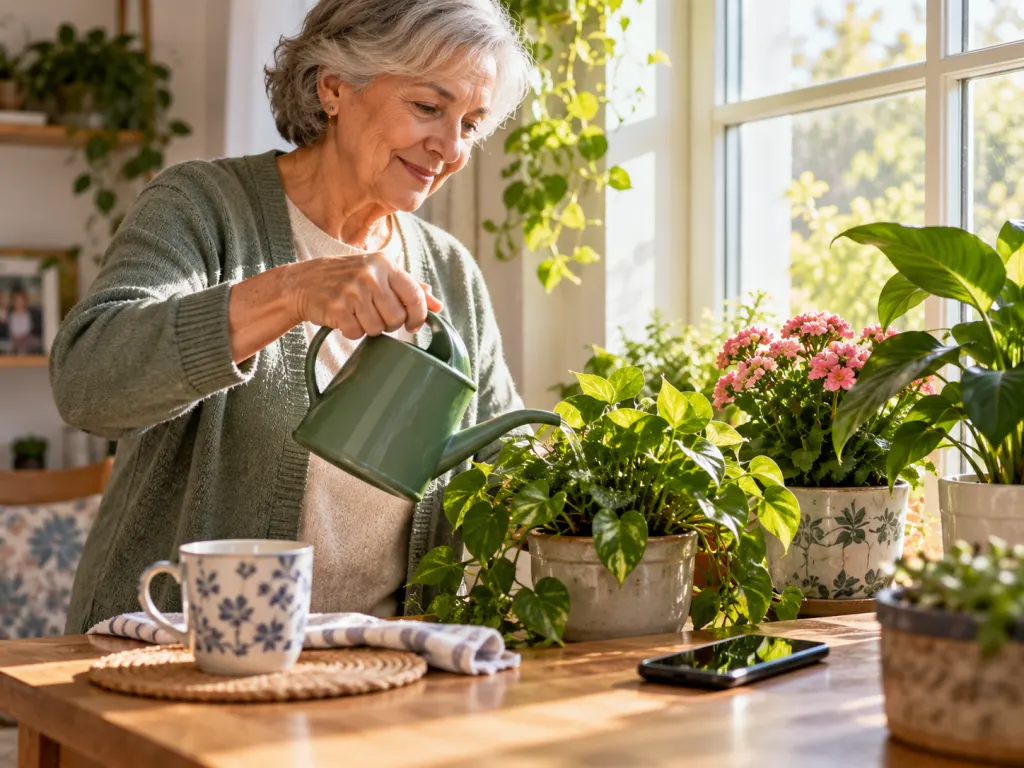
Purpose sounds abstract, but in later life it often shows up in very ordinary ways: a garden to water, a meal to prepare, a neighbor to call, a class to attend, a pet to care for, a grandchild to text, or a weekly place where someone expects you. After retirement, bereavement, disability, or a move away from familiar routines, those small anchors can fall away. When that happens, days may become passive. Meals are skipped because no one is coming over. Walks are missed because there is no errand. Appointments slide because no one is checking in.
Researchers increasingly treat purpose, social connectedness, isolation, and stress as part of the larger aging picture rather than soft extras. The National Institute on Aging describes work on biological aging that considers lifestyle, environment, social connectedness, isolation, and a sense of purpose as pieces of why people age differently NIA. The practical takeaway is modest but important: purpose should not be treated as a luxury. It can organize the day in ways that support movement, connection, meals, sleep routines, and follow-through with care.
For an older adult, a useful purpose does not need to be grand. It should be specific enough to create motion. Examples include:
- Calling one person every morning or evening.
- Keeping a small balcony garden or indoor plant routine.
- Helping a family member sort photos, recipes, or records.
- Joining a faith, library, senior center, or neighborhood activity once a week.
- Doing a simple home task at the same time each day, such as preparing breakfast or setting out tomorrow's clothes.
Reason 2: Social Connection Often Becomes Too Thin
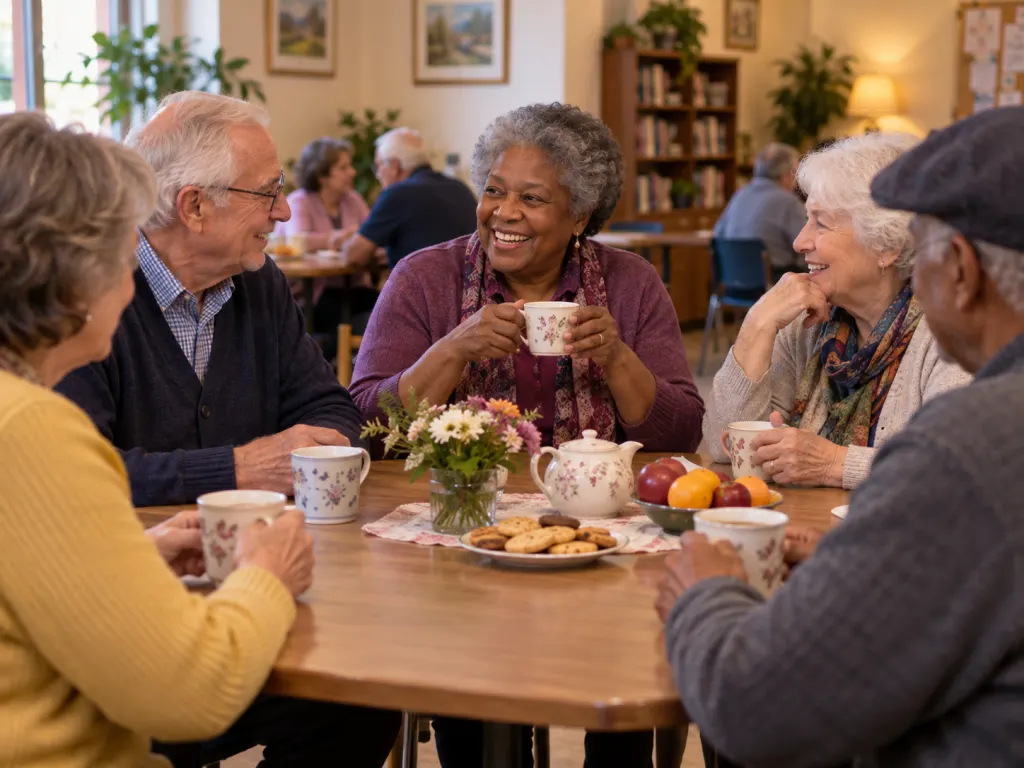
Social life can narrow quietly after 80. Friends die or move. Hearing and vision changes make groups tiring. Driving may stop. Adult children may live far away. Stairs, weather, unsafe sidewalks, or lack of transportation can turn a simple visit into a major event. Social isolation and loneliness are not identical; a person can live alone and feel connected, or live with others and feel deeply lonely. But both matter because regular contact often carries practical support: someone notices a missed meal, a change in walking, a new confusion, an unpaid bill, or a mood shift.
The World Health Organization's Commission on Social Connection describes social isolation and loneliness as widespread issues with serious effects on health and well-being, and calls for stronger social bonds as part of healthier societies WHO. For families, the lesson is not to assume that a holiday visit is enough. The stronger pattern is repeated, low-pressure contact. Short calls, shared meals, standing rides, hobby groups, and predictable check-ins are more useful than occasional dramatic efforts.
Connection also protects dignity. Many older adults resist asking for help because they do not want to feel managed. A better approach is to build reciprocal routines: the older person shares advice, stories, child care by phone, family recipes, language practice, or neighborhood knowledge, while others provide rides, tech help, or companionship. That keeps the relationship from becoming only a care arrangement. It also makes it easier to notice when something has changed.
Reason 3: Mobility Loss Can Start A Cascade
Mobility after 80 is not just about exercise. It is about whether a person can get out of a chair, cross a room safely, manage steps, carry groceries, stand long enough to cook, bathe without fear, and leave home without feeling trapped. Once movement becomes frightening, people often move less. Less movement can mean weaker legs, poorer balance, less confidence, fewer outings, and more dependence. That cycle can narrow life very quickly.
CDC guidance for older adults emphasizes a weekly mix of aerobic activity, muscle-strengthening activity, and balance activity. The same guidance notes that adults 65 and older need activity that fits their abilities, and that activities such as walking, gardening, water aerobics, resistance work, yoga, and balance practice can all play different roles CDC physical activity guidance. The point is not athletic performance. It is maintaining enough capacity for daily life.
Falls are one reason mobility deserves special attention. In 2023, CDC data showed that unintentional fall death rates among U.S. adults 65 and older rose sharply with age, with the rate highest among adults 85 and older CDC NCHS. Fear of falling is understandable, but complete avoidance can backfire if it leads to more weakness. A safer approach is to match activity to the person's current ability, improve lighting and footwear, remove obvious trip hazards, review assistive devices when needed, and ask a qualified professional about balance or strength work when there are concerns.
Reason 4: Food And Fluids Become Harder To Maintain
Food can become complicated after 80 for reasons that have nothing to do with discipline. Appetite may fall. Taste and smell can change. Chewing, swallowing, shopping, cooking, money, loneliness, grief, fatigue, and medications can all affect eating. Someone who once cooked full meals may drift toward toast, crackers, sweets, or tea because they are easy. Another person may avoid drinking because getting to the bathroom is difficult. These patterns can lower energy and make daily function harder.
MedlinePlus notes that older adults may need fewer calories while still needing enough nutrients, and that some older adults need more protein. It also explains that home life, health, medicines, income, taste, smell, chewing, and swallowing can make healthy eating harder with age MedlinePlus. The goal is not a perfect menu. It is a realistic pattern that keeps meals and fluids from becoming accidental afterthoughts.
Practical changes are often small: keeping easy protein foods available, using frozen vegetables, choosing softer foods when chewing is hard, eating with someone when possible, keeping water within reach, and using prepared or community meals when cooking is too much. If swallowing, chewing, appetite, or unplanned weight changes become persistent problems, that is a reason to involve a qualified health professional rather than treating it as normal aging.

How Families Can Use The Four Factors
The four factors overlap. Purpose gets a person out of bed. Social connection makes the day less invisible. Mobility makes it possible to leave the house, prepare food, and accept invitations. Food and fluids support the energy needed to keep moving. When one factor slips, the others often slip with it. That is why a useful family conversation is not, "Are you okay?" but, "What has become harder this month?" The second question is more specific and less likely to produce an automatic answer.
A simple monthly check can cover the basics without turning life into an inspection. Ask whether the person has left home recently, whether meals feel manageable, whether they have had a fall or near-fall, whether they are seeing or hearing well enough for conversations, and whether there is something they look forward to this week. If the answer to several questions is no, the issue may be less about age itself and more about supports that have become too thin.
A Better Way To Think About Life After 80
The fairest way to read the evidence is this: age raises vulnerability, but it does not erase individuality. Some people reach 80 with long-standing disadvantages, chronic conditions, fewer resources, or limited support. Others reach 80 with more reserve, safer homes, stronger networks, and routines that still pull them into life. Many people are somewhere in between. The goal is not to blame older adults for aging, or to promise that habits can control everything. The goal is to notice the modifiable pieces early enough to preserve comfort, choice, and participation.
For the older adult, that may mean choosing one routine that creates contact, one movement habit that feels safe, and one meal plan that is easy enough to repeat. For relatives and caregivers, it may mean replacing vague worry with practical support: rides, repaired lighting, a standing lunch, help with groceries, a hearing check, or a community program. Life after 80 is rarely shaped by one dramatic decision. More often, it is shaped by small supports that keep daily life from shrinking.
Wrap-Up
Life after 80 varies because aging is biological, social, practical, and environmental all at once. The four most useful factors to watch are purpose, connection, mobility, and food and fluids. None of them guarantees a longer life, and none should be used to blame someone for illness or frailty. But each one can affect independence and quality of life. A person who has a reason to get up, people who notice them, safe ways to move, and realistic meals and fluids is usually better supported than someone facing old age with those pieces missing.
Frequently Asked Questions
- → Is it true that most people do not live much past 80?
That statement is too broad. Population averages are often confused with personal forecasts. In the CDC's 2023 period life table, people at exact age 80 had an average remaining life expectancy of about 9.3 years, but individual outcomes vary widely by health, support, environment, and circumstances.
- → Are genes the main reason some people live longer?
Genes matter, especially at very advanced ages, but they are not the whole story. MedlinePlus Genetics estimates that genetics explains about 25% of variation in human life span, while environment and lifestyle also contribute. Access to care, safety, income, stress, and social support can all shape aging.
- → What is the most practical first step for someone over 80 who feels weaker?
Start with a safety-minded conversation, not a demanding exercise goal. Ask what daily task has become harder, whether there has been a fall or near-fall, and what movement feels comfortable. A qualified health professional can help match activity to the person's ability and health status.
- → Can loneliness affect life after 80 even if someone has family?
Yes. Loneliness is about felt connection, not only the number of relatives. A person may have family and still spend most days without meaningful contact. Predictable calls, visits, shared meals, rides, group activities, or community programs can make support more real and easier to accept.
- → What food issues should families notice in older adults?
Watch for skipped meals, empty refrigerators, difficulty chewing, trouble swallowing, low appetite, relying only on snack foods, or avoiding fluids. These issues can have practical causes, such as shopping difficulty or eating alone, and persistent concerns should be discussed with a qualified health professional.
References
This content was developed and refined using reliable sources.
- https://www.cdc.gov/nchs/data/nvsr/nvsr74/nvsr74-06.pdf
- https://medlineplus.gov/genetics/understanding/traits/longevity
- https://www.nia.nih.gov/news/epigenetics-aging-what-bodys-hands-time-tell-us
- https://www.who.int/groups/commission-on-social-connection/report
- https://www.cdc.gov/physical-activity-basics/adding-older-adults/what-counts.html
- https://www.cdc.gov/nchs/products/databriefs/db532.htm
- https://medlineplus.gov/nutritionforolderadults.html