 Save
A banana a day after 60 can be a sensible habit because it is easy to chew, easy to carry, naturally sweet, and nutritionally useful. A medium ripe banana provides about 105 calories, 3 grams of fiber, 422 milligrams of potassium, 0.43 milligrams of vitamin B6, and 32 milligrams of magnesium, according to Cleveland Clinic’s nutrition overview of bananas, https://health.clevelandclinic.org/benefits-of-bananas. The honest answer is not that bananas change everything. The better answer is that they can help older adults fill common fruit and fiber gaps in a simple, pleasant way.
The Short Answer: Useful, Not Magical
For adults over 60, the best case for eating bananas regularly is practical. Bananas are soft, inexpensive in many grocery stores, shelf-stable for several days, and compatible with breakfast, snacks, smoothies, and baking. That matters because nutrition habits that are easy to repeat often do more good than complicated plans that fade after a week. The National Institute on Aging notes that smart food choices are part of healthy aging and that older adults should understand food groups and build a pattern over time, rather than rely on one food by itself, https://www.nia.nih.gov/health/healthy-eating-nutrition-and-diet/healthy-eating-you-age-know-your-food-groups.
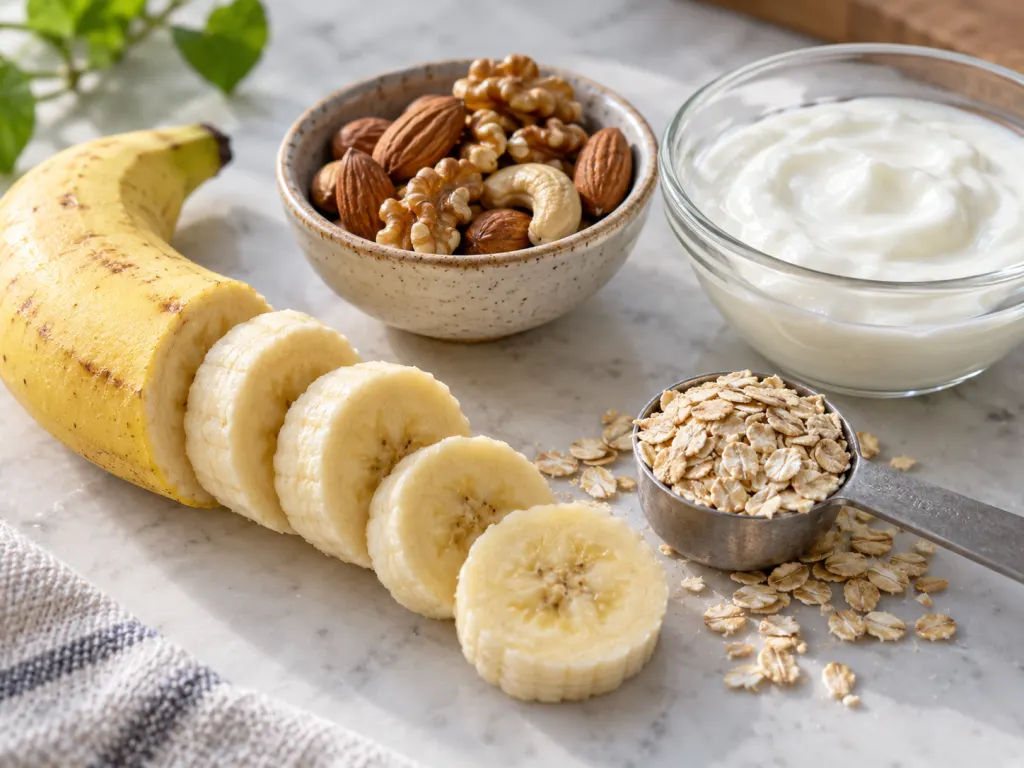
A banana fits especially well when the goal is to add whole fruit without much preparation. It can be sliced over oatmeal, paired with yogurt, mashed into whole-grain pancakes, blended with milk or fortified soy beverage, or eaten with a small handful of nuts. Those pairings matter because a banana is mostly carbohydrate, while foods such as yogurt, nuts, seeds, or eggs can add protein and fat for a more rounded meal or snack.
What One Medium Banana Adds
A medium banana is not a huge source of every nutrient, but it offers a useful package. Cleveland Clinic lists a medium ripe banana as providing 105 calories, 28 grams of carbohydrate, 3 grams of fiber, 422 milligrams of potassium, vitamin C, vitamin B6, and magnesium, https://health.clevelandclinic.org/benefits-of-bananas. That combination helps explain why bananas feel more satisfying than many candies or sweet baked snacks even though they taste sweet: they come with water, fiber, and micronutrients instead of only added sugar.
The potassium is often the nutrient people notice first, and for good reason. The NIH Office of Dietary Supplements explains that potassium is needed for normal muscle contraction, nerve transmission, and proper kidney and heart function, and it lists bananas among fruit sources of potassium, https://ods.od.nih.gov/factsheets/Potassium-Consumer/. A banana is not the only potassium-rich food, and it is not even the highest; lentils, potatoes, dried fruit, leafy greens, milk, yogurt, and beans can also contribute. The advantage of bananas is convenience.
Why This Habit Can Be Helpful After 60
After 60, many people become more intentional about routines: breakfast that is quick but nourishing, snacks that do not require much cooking, and foods that are easy to keep on hand. Bananas solve several ordinary problems at once. They require no knife, produce no dishes beyond the peel, travel well, and can rescue a meal that is short on fruit. That is a small thing, but small dependable choices are often where a better eating pattern begins.
The National Institute on Aging says older Americans generally do not eat enough fruit and that fruits provide color, flavor, carbohydrates, and fiber, https://www.nia.nih.gov/health/healthy-eating-nutrition-and-diet/healthy-eating-you-age-know-your-food-groups. A banana can help close that gap, especially for someone who finds apples too firm, citrus too acidic, or berries too perishable. It is also easy to portion: one medium banana is a familiar serving for many people, while half a banana can be enough when it is part of a larger meal.
Fiber: The Quiet Advantage
Bananas provide about 3 grams of dietary fiber per medium fruit. MedlinePlus explains that dietary fiber is found in plant foods, helps digestion, and should be added gradually if someone is increasing intake, https://medlineplus.gov/dietaryfiber.html. For an older adult who is trying to make meals more regular and satisfying, that 3 grams is meaningful, especially when the banana is paired with other fiber-containing foods such as oats, whole-grain toast, beans, vegetables, or nuts.
Fiber works best as part of an overall pattern. A banana in the morning does more when the rest of the day includes vegetables, legumes, whole grains, and enough fluid. The gentleness of bananas is another practical point: they are soft and familiar, so they may feel more approachable than raw vegetables or dense whole grains for someone easing back into higher-fiber eating. The key is gradual change. Jumping from a low-fiber pattern to a very high-fiber pattern overnight can be uncomfortable.
Vitamin B6 and Everyday Metabolism
Bananas also contribute vitamin B6. The NIH Office of Dietary Supplements explains that vitamin B6 is involved in more than 100 enzyme reactions related to metabolism, and that adults age 51 and older have recommended intakes of 1.7 milligrams for men and 1.5 milligrams for women, https://ods.od.nih.gov/factsheets/VitaminB6-Consumer/. A medium banana is not the whole answer, but it can be a useful contributor alongside poultry, fish, potatoes, starchy vegetables, fortified cereals, and other noncitrus fruits.
This is where realistic language matters. It is fair to say bananas contribute nutrients involved in normal body functions. It is not fair to promise dramatic changes from one fruit. Food patterns work through repetition, variety, and overall balance. A banana can be one reliable piece of that pattern, especially when it replaces a less nourishing sweet snack or helps someone actually eat fruit on a busy day.
Smart Ways To Eat Bananas Without Making Them the Whole Plan
Bananas are versatile, but they are most useful when they are paired thoughtfully. The goal is not to make every meal taste like banana; it is to use the fruit where it naturally improves the meal. Good options include:
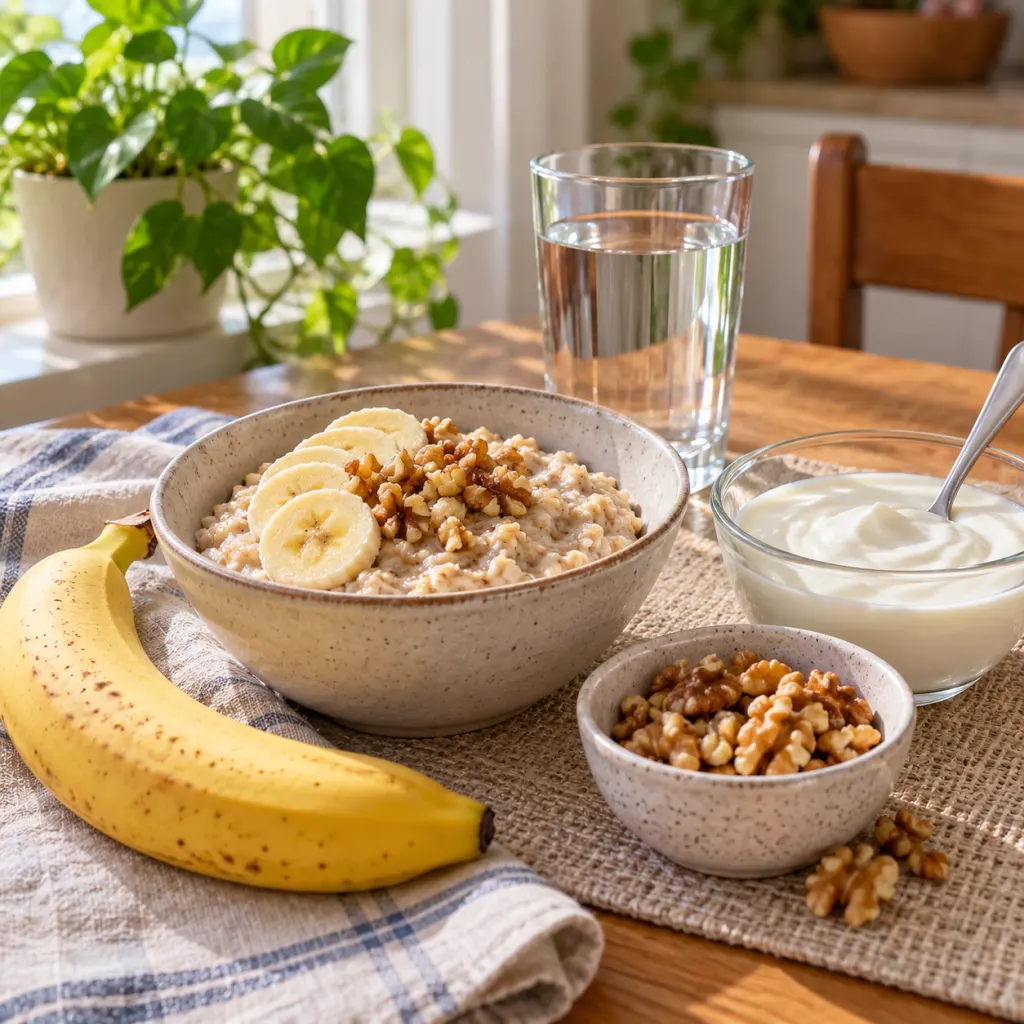
- Breakfast: slice half or one whole banana over oatmeal, whole-grain cereal, or plain yogurt.
- Snack: pair banana slices with peanut butter, almond butter, cottage cheese, or a handful of nuts.
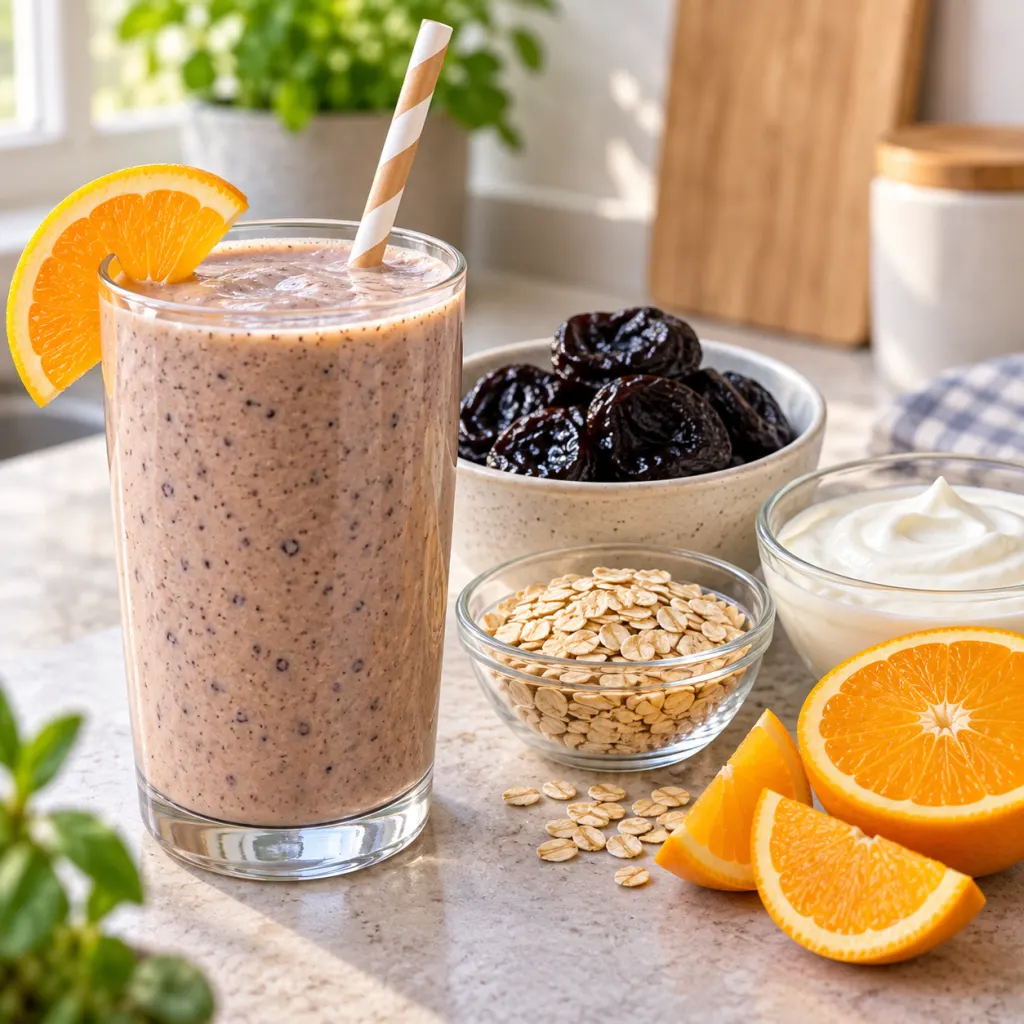
- Smoothie: blend banana with milk, fortified soy beverage, plain yogurt, spinach, or berries.
- Baking: mash ripe banana into muffins, pancakes, or quick breads to add moisture and sweetness.
- Simple dessert: freeze banana slices and blend them into a creamy fruit-based bowl.
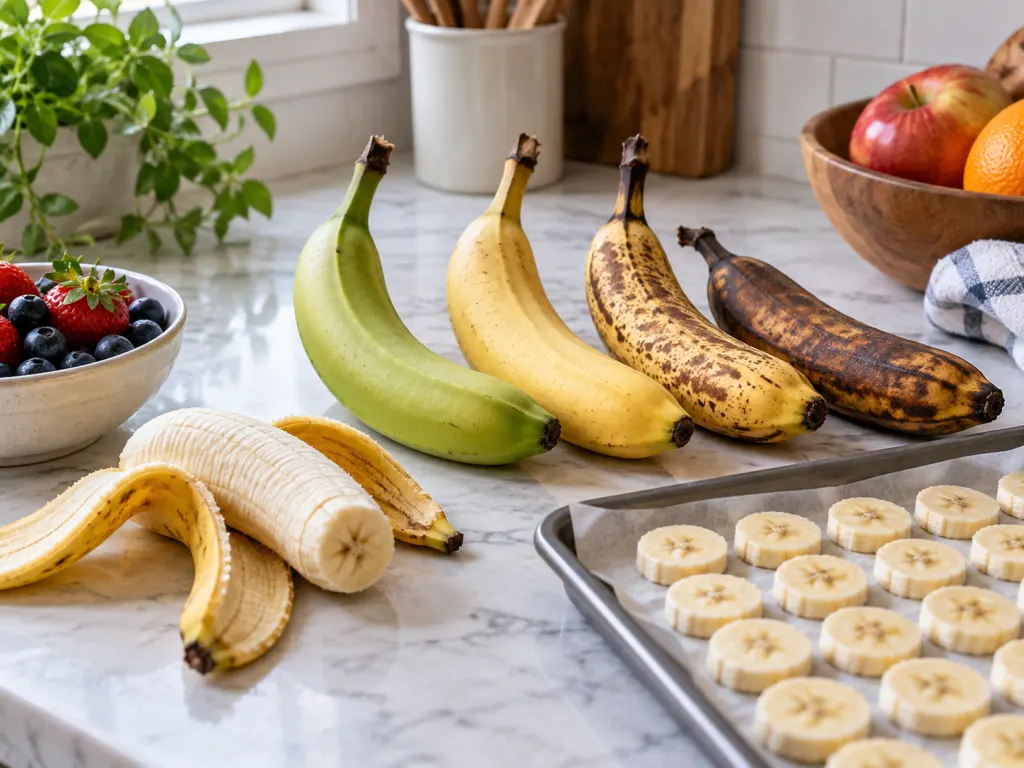
Ripeness changes texture and flavor. A just-yellow banana tastes mild and firmer. A banana with brown speckles is sweeter, softer, and better for mashing. A very ripe banana can be peeled, frozen, and saved for smoothies or baking. If bananas ripen faster than you can eat them, freezing is often better than letting them sit until they are no longer appealing.
When A Daily Banana May Need Personal Adjustment
A banana is a normal food, but personal context still matters. Some people have been given individualized guidance about potassium, carbohydrate distribution, chewing or swallowing, or total calorie needs. Others may simply prefer smaller portions. In those cases, the habit can be adjusted: choose half a banana, pair it with protein, rotate it with berries or citrus, or use it only on days when it fits the meal.
It is also worth keeping variety in view. Bananas are convenient, but no single fruit offers everything. Berries bring a different texture and color; oranges and kiwi offer bright acidity; apples and pears bring crunch; prunes and dried apricots offer concentrated sweetness. A banana can be the dependable fruit, while other fruits rotate in when they are affordable, seasonal, or appealing.
A Balanced Takeaway After 60
The strongest argument for bananas after 60 is not hype. It is steadiness. One medium banana can add fruit, fiber, potassium, vitamin B6, and an easy source of carbohydrate to the day. It can make oatmeal more appealing, turn plain yogurt into a snack, or stand in for a sweet packaged food. It is soft enough for many older adults, portable enough for errands, and familiar enough that it does not require learning a new cooking technique.
The best daily banana habit is flexible. Eat one if it fits your meals, half if that works better, or rotate bananas with other fruits if you like variety. Pair it with protein or whole grains when you want a more filling meal. Keep the claim modest: bananas are not a complete plan, but they can be a very practical piece of one.
Wrap-Up
For adults over 60, a daily banana can be a realistic way to add whole fruit, fiber, potassium, vitamin B6, and natural sweetness. Its biggest strength is convenience: it is soft, portable, affordable for many households, and easy to pair with oatmeal, yogurt, nuts, or smoothies. The right approach is flexible and personal, with bananas used as one useful fruit among many.
Frequently Asked Questions
- → Is one banana a day too much after 60?
For many adults, one medium banana can fit comfortably into a varied eating pattern. Personal needs differ, especially if a clinician has given guidance about potassium, carbohydrate intake, or portion sizes.
- → Is it better to eat a banana in the morning or evening?
Either can work. Morning is convenient with oatmeal, cereal, or yogurt. Evening can work as a simple snack if it fits your usual meals. The bigger issue is what you pair it with and how it fits the whole day.
- → Should bananas replace other fruits?
No. Bananas are useful, but variety is better. Rotate them with berries, citrus, apples, pears, melon, or other fruits you enjoy so your meals include different textures, flavors, and nutrients.
- → What is the best way to make a banana snack more filling?
Pair it with protein or healthy fats, such as plain yogurt, cottage cheese, nut butter, nuts, seeds, or a boiled egg. That turns the banana from a quick fruit into a more complete snack.
- → Are ripe bananas and less-ripe bananas different?
Yes. Less-ripe bananas are firmer and less sweet, while speckled bananas are softer and sweeter. Both can fit, but very ripe bananas are especially useful for smoothies and baking.
References
This content was developed and refined using reliable sources.
- https://health.clevelandclinic.org/benefits-of-bananas
- https://ods.od.nih.gov/factsheets/Potassium-Consumer
- https://medlineplus.gov/dietaryfiber.html
- https://www.nia.nih.gov/health/healthy-eating-nutrition-and-diet/healthy-eating-you-age-know-your-food-groups
- https://ods.od.nih.gov/factsheets/VitaminB6-Consumer