 Save
The practical answer is simple: drinking water on an empty stomach is usually a safe, reasonable morning habit, but it is not a special requirement for health. Water supports ordinary body functions, and starting the day with it may help people who wake up thirsty, forget to drink later, or want a calmer alternative to sweet drinks. What matters most is not whether the stomach is empty; it is whether your overall fluid intake fits your body, activity, climate, and day-to-day needs. Public health guidance from the CDC, MedlinePlus, Mayo Clinic, and Harvard T.H. Chan School of Public Health points toward steady hydration throughout the day rather than a single best moment.
What the Morning Glass Can and Cannot Do
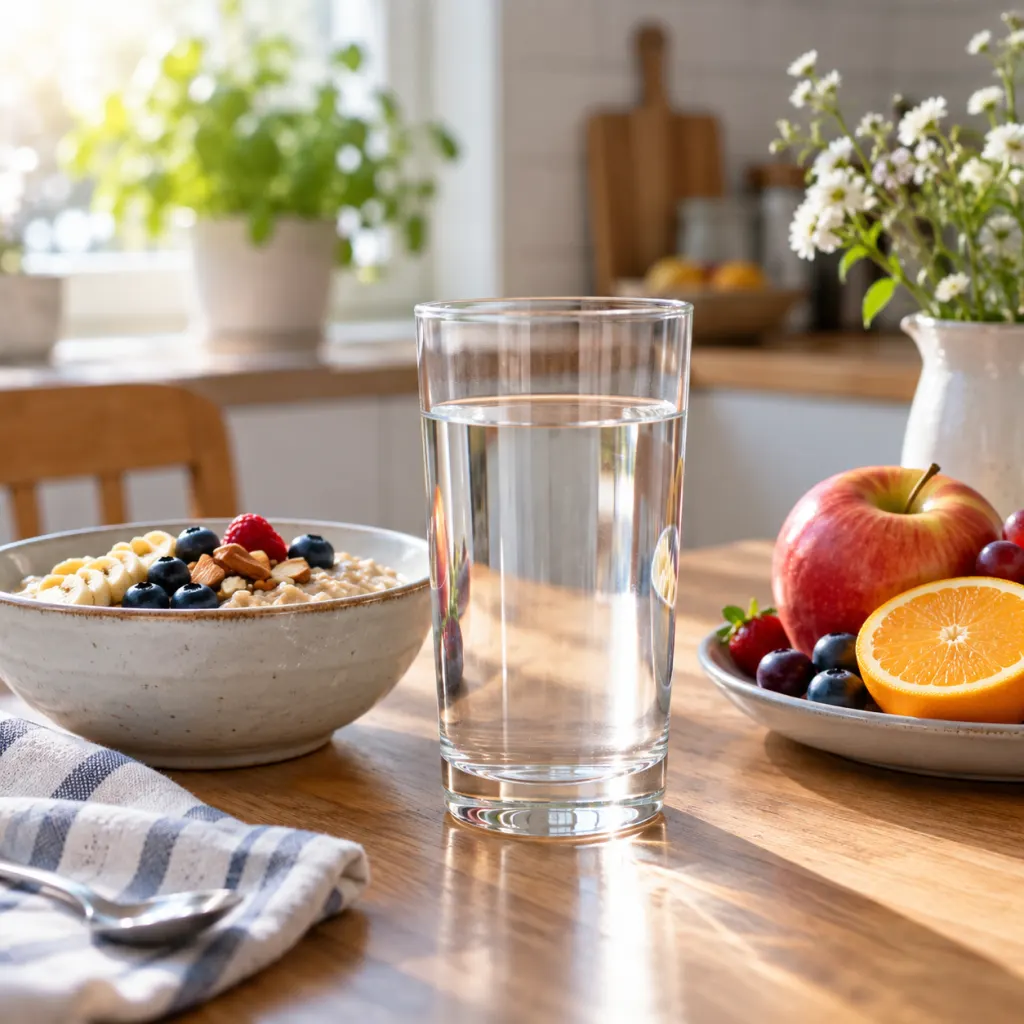
A glass of water before breakfast can be useful because it is easy, plain, and repeatable. Many people wake after several hours without drinking, so the habit gives the day a gentle starting point. It may also slow the automatic reach for a sweetened beverage, especially if a pitcher, bottle, or clean glass is already waiting in the kitchen. Those are practical advantages, not dramatic body-changing claims. The stomach being empty may change how quickly the water feels noticeable, and it may feel more refreshing before coffee or food, but current public guidance does not treat empty-stomach timing as the key factor in hydration.
Water is involved in ordinary functions such as temperature regulation, saliva, sweat, urine, cushioning tissues, and moving waste through the body. MedlinePlus describes water as the basis for body fluids, while the CDC notes that plain drinking water counts toward total daily water intake. That framing is important: water at breakfast, water with lunch, water from soups, and water-rich foods all contribute. A morning glass can be a useful anchor, but it should not be treated as a stand-alone wellness test or a promise of a specific result.
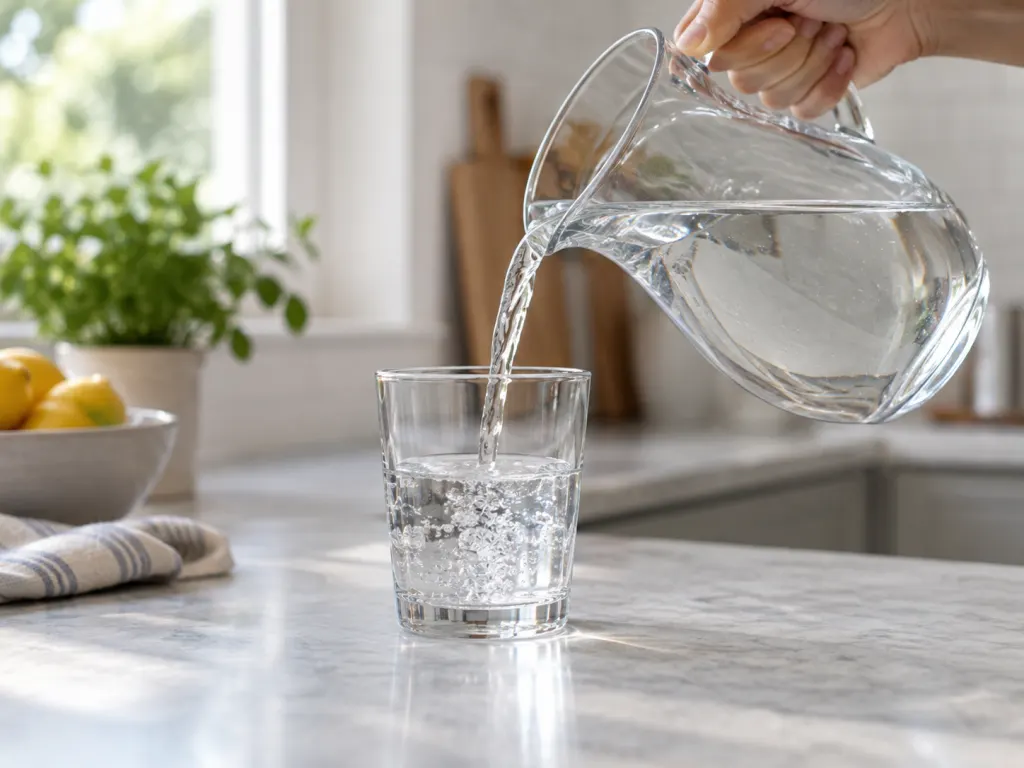
An Empty Stomach Changes the Experience, Not the Basic Requirement
The phrase empty stomach sounds precise, but in everyday life it usually means before breakfast or before the first substantial food of the day. From a comfort perspective, that timing can matter. Some people like plain room-temperature water first thing because it feels gentle. Others feel sloshy, chilled, or mildly nauseated if they drink too much too fast before eating. Both experiences are ordinary reasons to adjust the routine. The better question is not whether everyone should copy one timing rule, but whether the habit helps you drink comfortably and consistently.
Hydration needs shift with activity, weather, body size, sweating, illness, and the amount of fluid coming from foods and other drinks. Mayo Clinic explains that there is no single easy answer for daily water needs because they vary from person to person. Harvard's Nutrition Source also emphasizes that common fixed targets are general guides, not exact personal requirements. This is why a rigid morning quota can be less useful than a flexible pattern: drink when thirsty, keep water available, and notice whether your routine leaves you feeling steady rather than forced.
How to Make Morning Water Comfortable
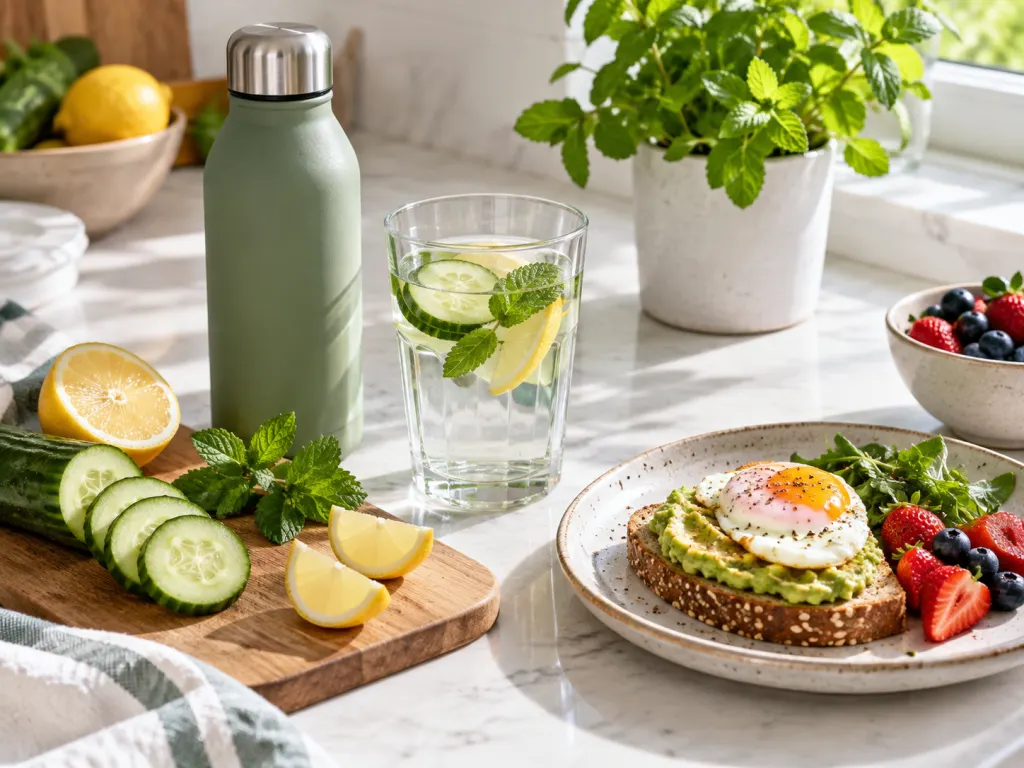
If you want to try water before breakfast, keep it boring in the best possible way. Use clean, safe drinking water. Choose a temperature you actually like. Sit down if you tend to rush in the morning. Pair the habit with something already established, such as feeding a pet, starting the kettle, packing lunch, or setting breakfast on the counter. A habit that fits naturally into the kitchen is easier to keep than one that feels like a challenge.
- Start with comfort: sip at a pace that feels easy instead of forcing a large amount quickly.
- Use taste wisely: plain water is enough, but lemon, cucumber, berries, or mint can make it more appealing when tolerated.
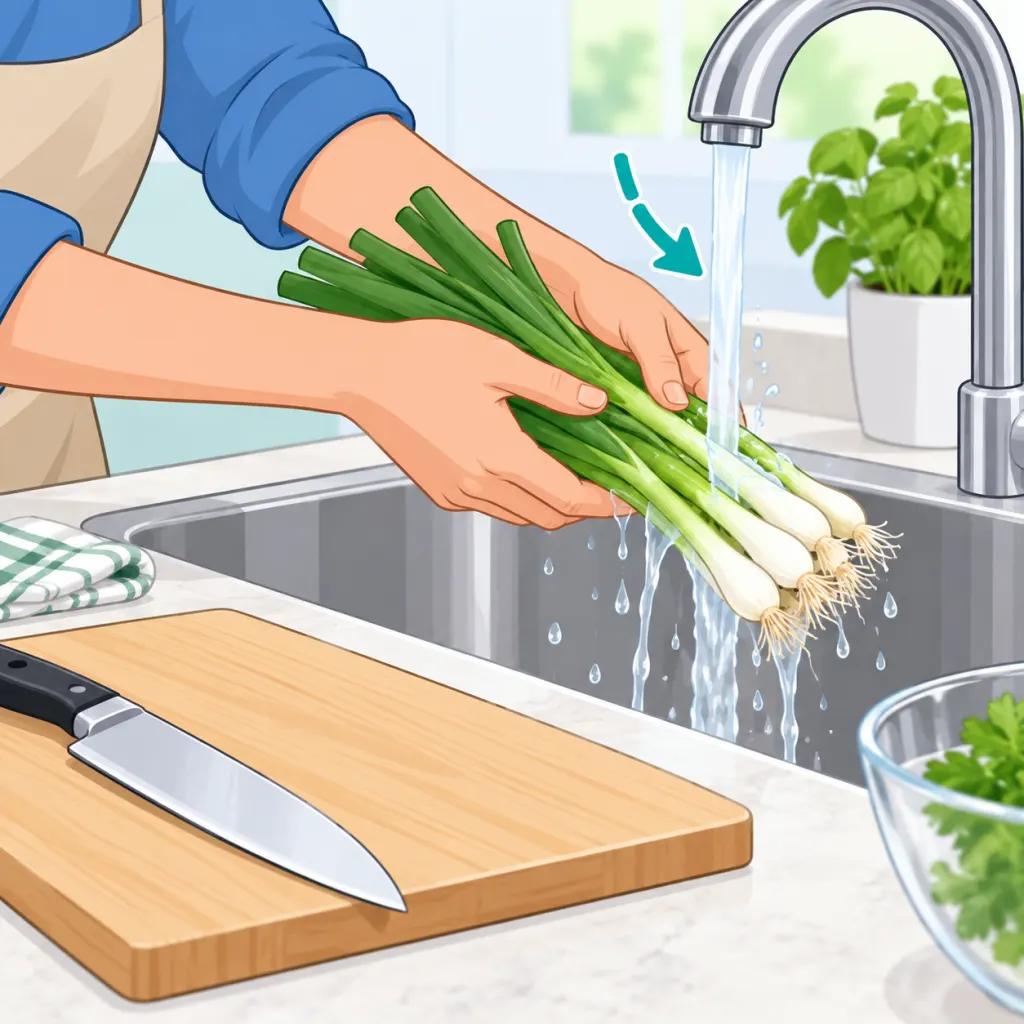
- Keep it visible: a washed bottle near the coffee maker or sink can act as a quiet reminder.
- Think beyond breakfast: water with meals and snacks can matter as much as the first glass of the day.
- Respect your body: if water before food consistently feels unpleasant, drink later or pair it with breakfast.
Food and Other Drinks Still Count
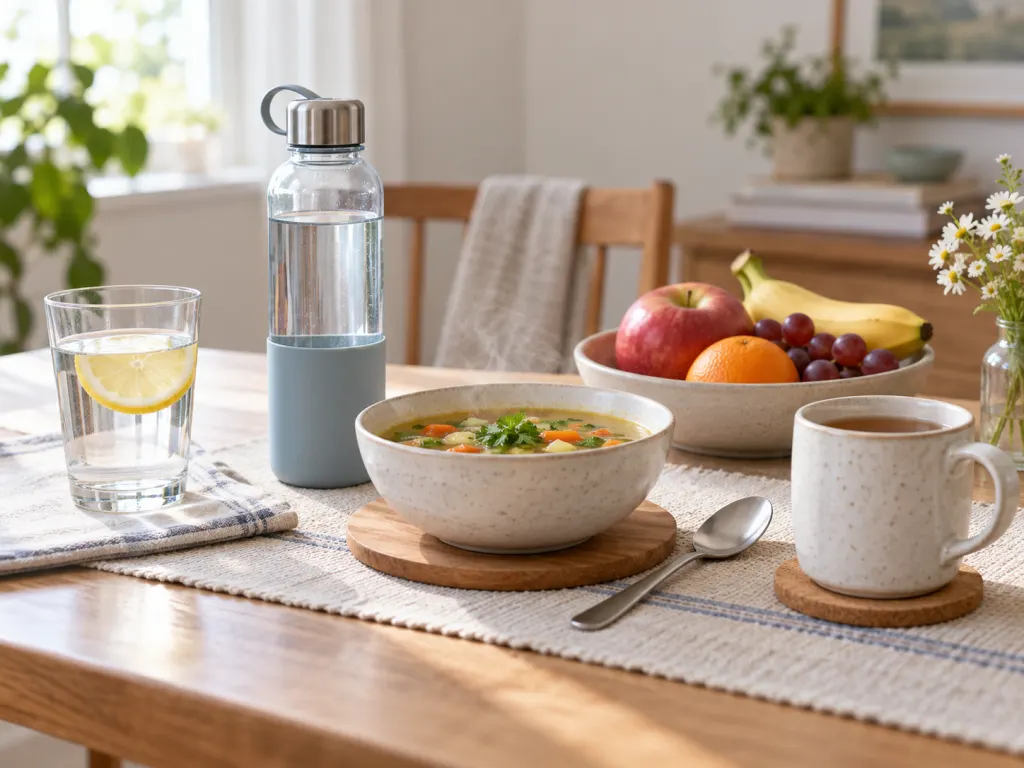
Morning hydration is not limited to plain water. The CDC notes that daily water intake comes from water, other beverages, and foods with high water content. MedlinePlus similarly describes fluids from soups, milk, tea, coffee, juice, and foods as part of total intake. Plain water remains a strong default because it has no sugar or alcohol and is widely available, but a person who eats fruit, soup, yogurt, or oatmeal at breakfast is also taking in fluid. The practical aim is a day that includes enough fluid sources, not a ritual that treats food as irrelevant.
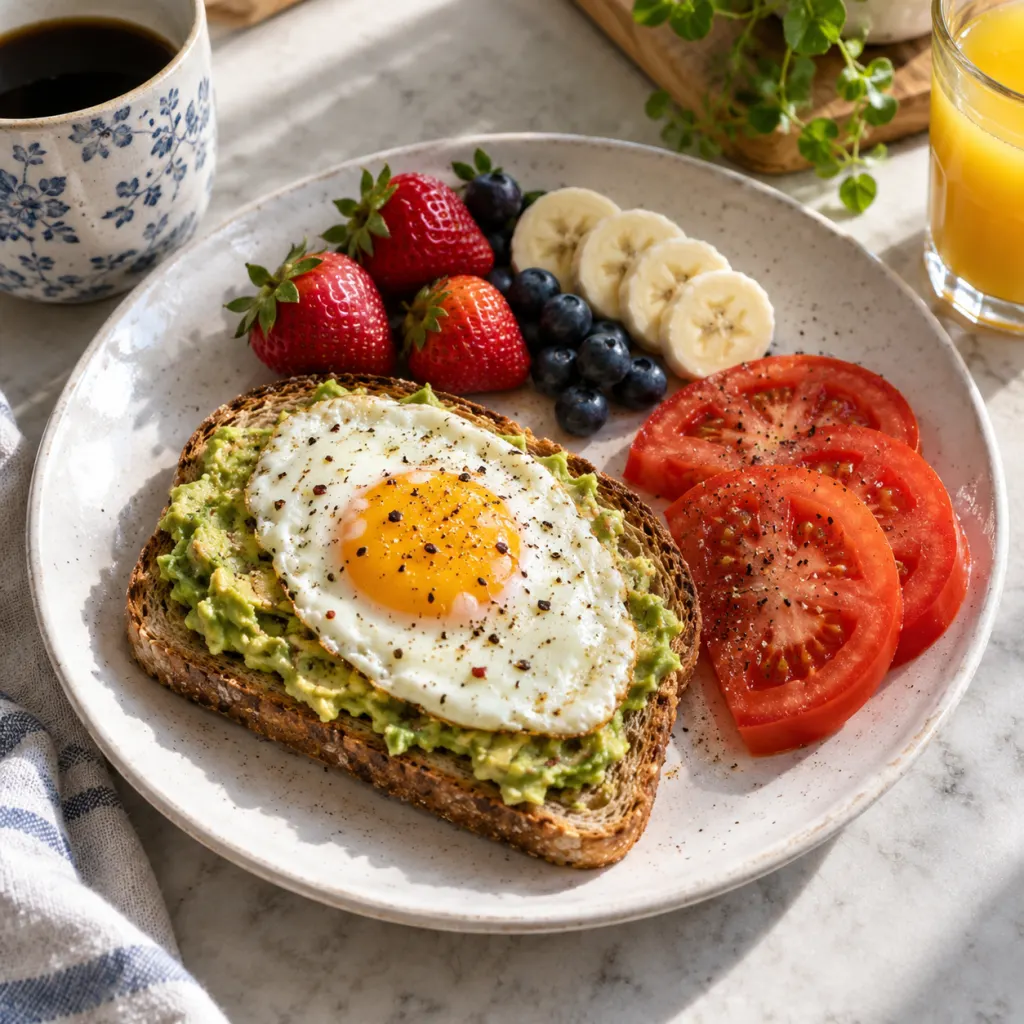
This matters for home cooks because breakfast habits are often built around what is already on the table. A bowl of oatmeal made with milk, a piece of melon, or a smoothie contributes fluid differently from dry toast eaten on the run. If you are trying to build a steadier morning, think of water as one part of the plate-and-glass picture. A glass beside breakfast can make the meal feel complete, but it does not need to compete with the food itself.
When More Water Is Not Better
More is not automatically better. Drinking a very large amount of water in a short period can be dangerous, especially around endurance activity, heavy sweating, or situations where the body is already under strain. Mayo Clinic's overview of low blood sodium notes that serious warning signs after excessive fluid intake can include vomiting, confusion, seizures, or loss of consciousness. Those situations are not ordinary morning hydration; they are reasons to seek emergency care. The everyday lesson is simple: sip comfortably, spread fluids across the day, and avoid turning hydration into a contest.
There are also times when a personal plan matters. People with health conditions that affect fluid balance, people who have been told to limit fluids, and anyone recovering from significant vomiting, diarrhea, fever, or heat exposure should use advice from their own clinician rather than a general kitchen habit. MedlinePlus notes that fluid needs can differ and that severe dehydration can be life-threatening. A morning glass is not a substitute for individualized care when symptoms are significant or persistent.
A Better Way to Judge the Habit
The best test for drinking water on an empty stomach is ordinary and practical: does it make your day easier? If it helps you wake gently, choose fewer sweet drinks, remember your bottle, or feel ready for breakfast, it is a useful routine. If it makes you uncomfortable, there is no need to force it. Drink with breakfast, after breakfast, or throughout the morning instead. Evidence-based hydration advice leaves room for personal preference because the body receives water across the whole day.
It can help to look for patterns rather than chase perfect timing. Are you often thirsty by late morning? Do you go many hours without any drink because the kitchen is busy or work begins quickly? Do you rely on sweet drinks because plain water is never cold, clean, or nearby? These are solvable routine problems. Keep a glass where you will see it, refill a bottle when you clean up breakfast, or set water on the table with meals. The habit succeeds when it becomes easy enough to repeat without drama.
Wrap-Up
Drinking water on an empty stomach can be a calm, sensible morning ritual, especially if it helps you remember to hydrate and choose plain water more often. The evidence does not support treating the empty stomach itself as a special requirement. Reliable sources focus on total fluid intake, thirst, activity, climate, food moisture, and individual needs. Keep the habit comfortable, avoid forcing large amounts quickly, and use professional guidance when personal health factors make fluid advice more complicated.
Frequently Asked Questions
- → Is drinking water before breakfast better than drinking it with breakfast?
For most people, the timing is a matter of comfort and habit. Drinking before breakfast can be convenient if you wake thirsty or want an easy routine, but water with breakfast also contributes to your daily fluid intake. The main goal is steady hydration across the day.
- → Should the water be warm, room temperature, or cold?
Choose the temperature that feels easiest to drink. Some people prefer room-temperature water first thing in the morning, while others like it chilled. Reliable guidance focuses on getting enough fluid from safe sources, not on one required temperature.
- → Can food replace the need for a morning glass of water?
Food can contribute fluid, especially water-rich foods such as fruit, vegetables, soups, yogurt, and cooked cereals. Plain water is still a simple option, but breakfast foods and other beverages are part of the broader hydration picture.
- → What if water on an empty stomach makes me feel uncomfortable?
Do not force the habit. Try sipping more slowly, changing the temperature, drinking with breakfast, or waiting until later in the morning. A useful hydration routine should feel sustainable, not unpleasant.
- → Is it possible to drink too much water in the morning?
Yes, drinking a very large amount quickly can be unsafe. Morning hydration should be comfortable and spread naturally into the rest of the day. If serious symptoms occur after heavy fluid intake, during heat exposure, or during illness, seek urgent medical help.
References
This content was developed and refined using reliable sources.
- https://www.cdc.gov/healthy-weight-growth/water-healthy-drinks/index.html
- https://www.medlineplus.gov/ency/article/002471.htm
- https://www.mayoclinic.org/healthy-lifestyle/nutrition-and-healthy-eating/in-depth/water/art-20044256?os=mfbj8
- https://nutritionsource.hsph.harvard.edu/water
- https://www.medlineplus.gov/dehydration.html
- https://www.mayoclinic.org/diseases-conditions/hyponatremia/symptoms-causes/syc-20373711?p=1