 Save
Creamy marinated chicken is an easy main dish built around a tangy dairy marinade, garlic, herbs, paprika, and gentle oven heat. This guide walks you through making it safely and clearly, from preparing the chicken to checking doneness with a thermometer. Because raw poultry is involved, the food-safety steps matter just as much as the flavor.
Step 1: Flatten the chicken to an even thickness
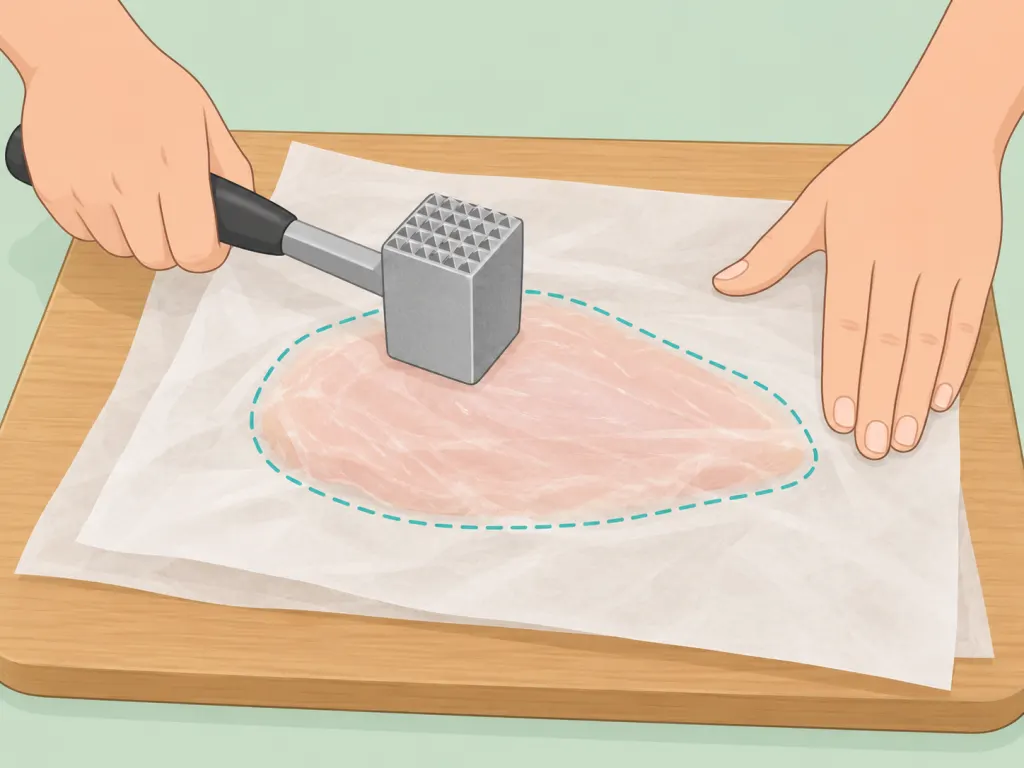
Pat 1 1/2 to 2 pounds of boneless chicken breasts dry with paper towels, then lightly pound or slice thick pieces so they cook evenly. Do not rinse raw chicken, since the USDA notes that washing poultry can spread raw juices to nearby surfaces and foods; instead, keep raw poultry separate and clean surfaces well after prep using safe chicken handling guidance.
Step 2: Mix the creamy herb marinade
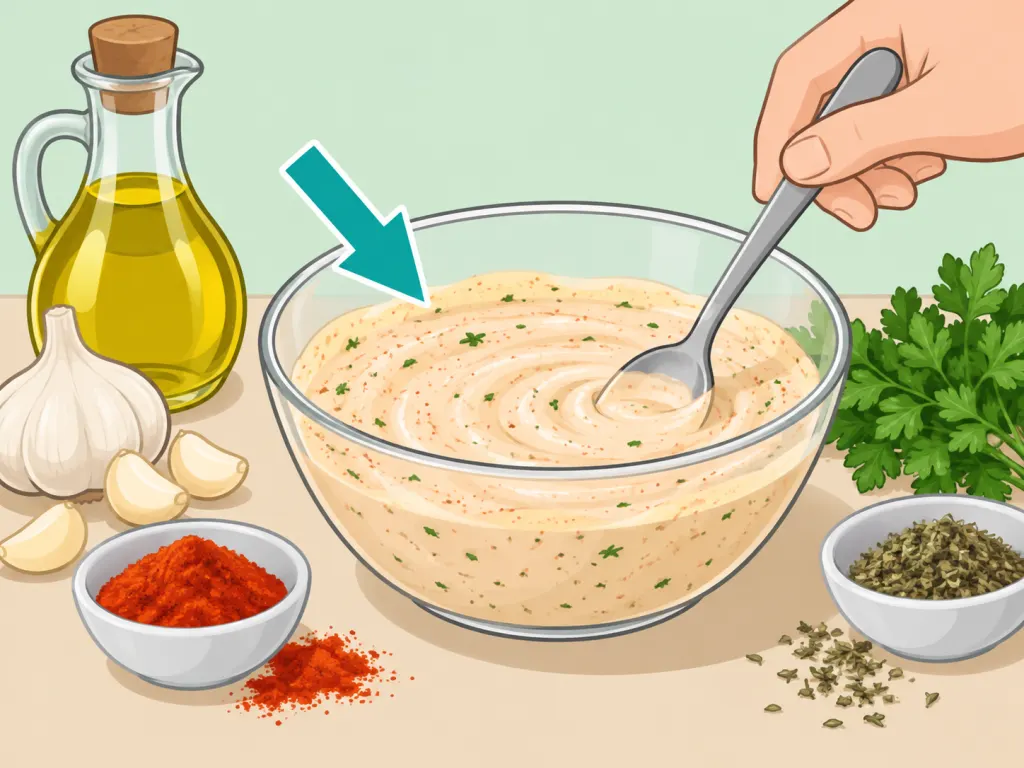
In a bowl, stir together 3/4 cup creme fraiche or sour cream, 2 tablespoons olive oil, 2 minced garlic cloves, 1 teaspoon paprika, 1 teaspoon dried thyme or oregano, 1/2 teaspoon kosher salt, 1/4 teaspoon black pepper, and a small pinch of chili flakes if you like heat. Because this marinade is dairy-based, check labels and ask guests about allergies; the FDA lists milk among the major food allergens.
Step 3: Coat and chill the chicken
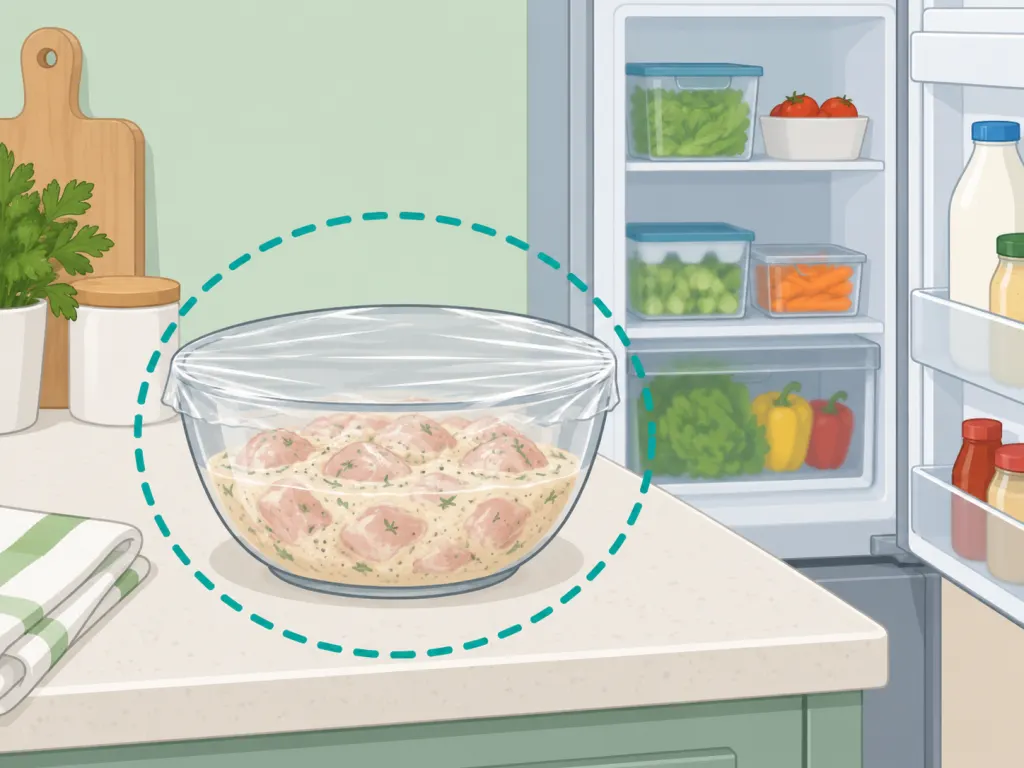
Add the chicken to the marinade and turn each piece until fully coated, then cover the bowl or seal everything in a food-grade bag. Refrigerate for at least 30 minutes and up to overnight; USDA guidance says poultry should be marinated in the refrigerator, not on the counter, and poultry can stay in marinade for up to 2 days under proper refrigeration in its poultry marinating guidance.
Step 4: Heat the oven and prepare the baking dish
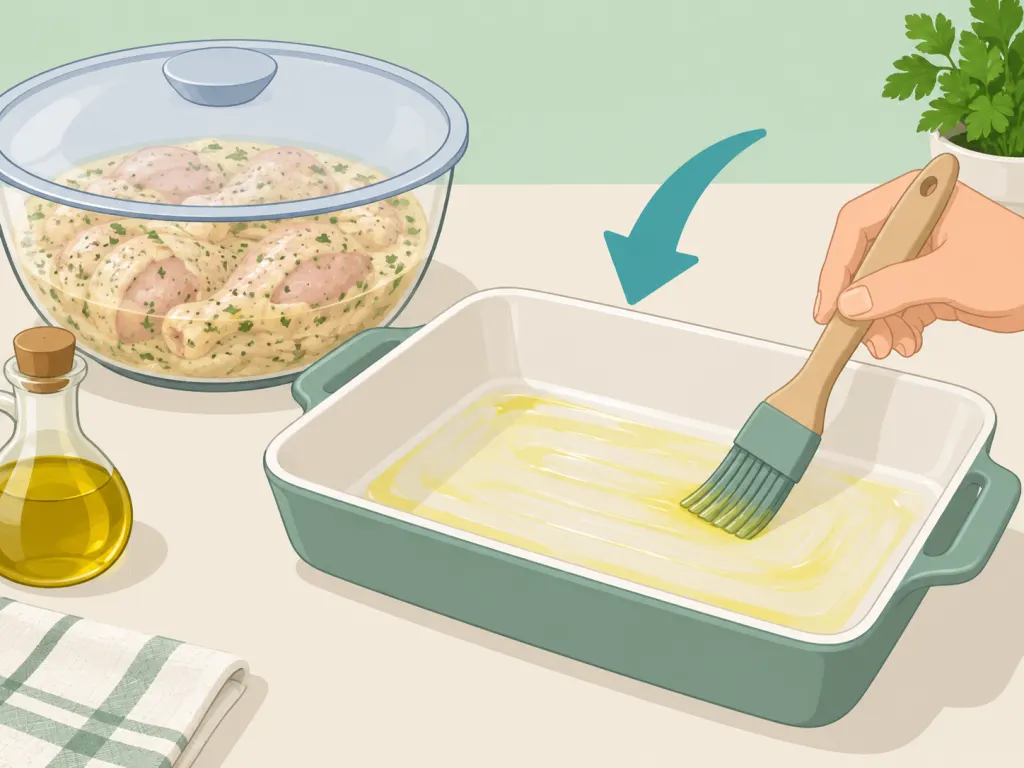
Heat the oven to 400°F and lightly oil a baking dish large enough to hold the chicken in a single layer. Keep the marinated chicken refrigerated until the oven is ready, since FoodSafety.gov advises keeping perishable foods cold and following the clean, separate, cook, and chill food-safety steps.
Transfer the chicken and its coating to the baking dish, spreading the pieces out so heat can circulate. Bake until the sauce is bubbling and the chicken is nearly done, usually 20 to 30 minutes depending on thickness. If you want a lightly browned top, sprinkle on a small handful of grated cheese during the last 5 minutes.
Step 6: Check the thickest part with a thermometer
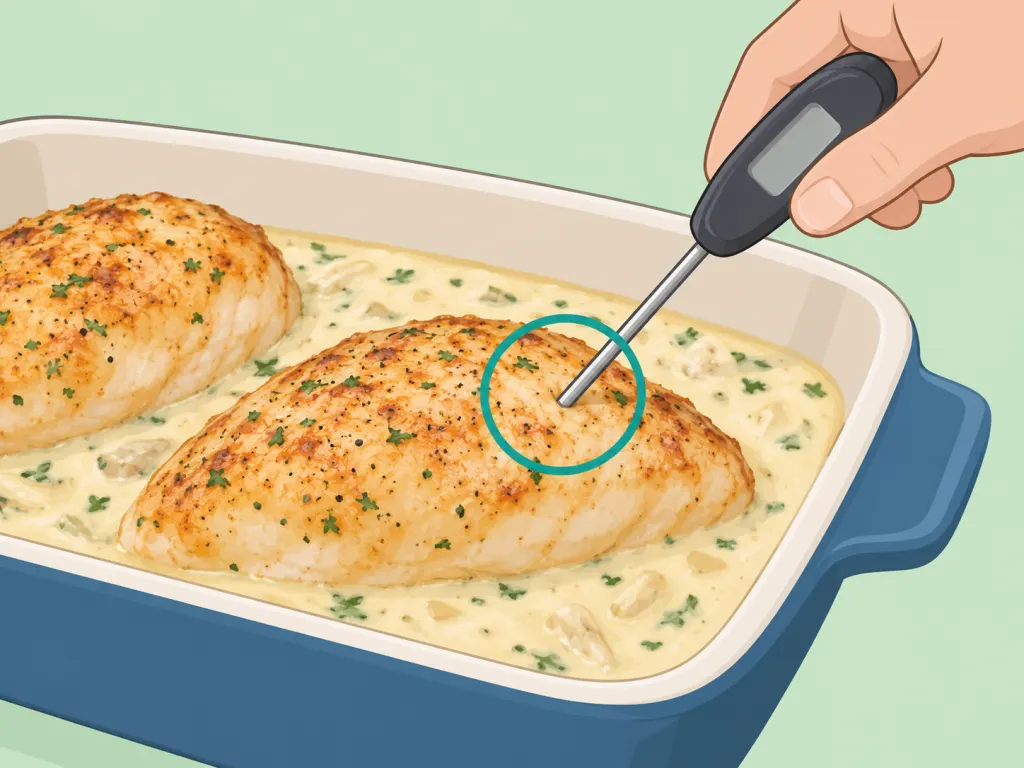
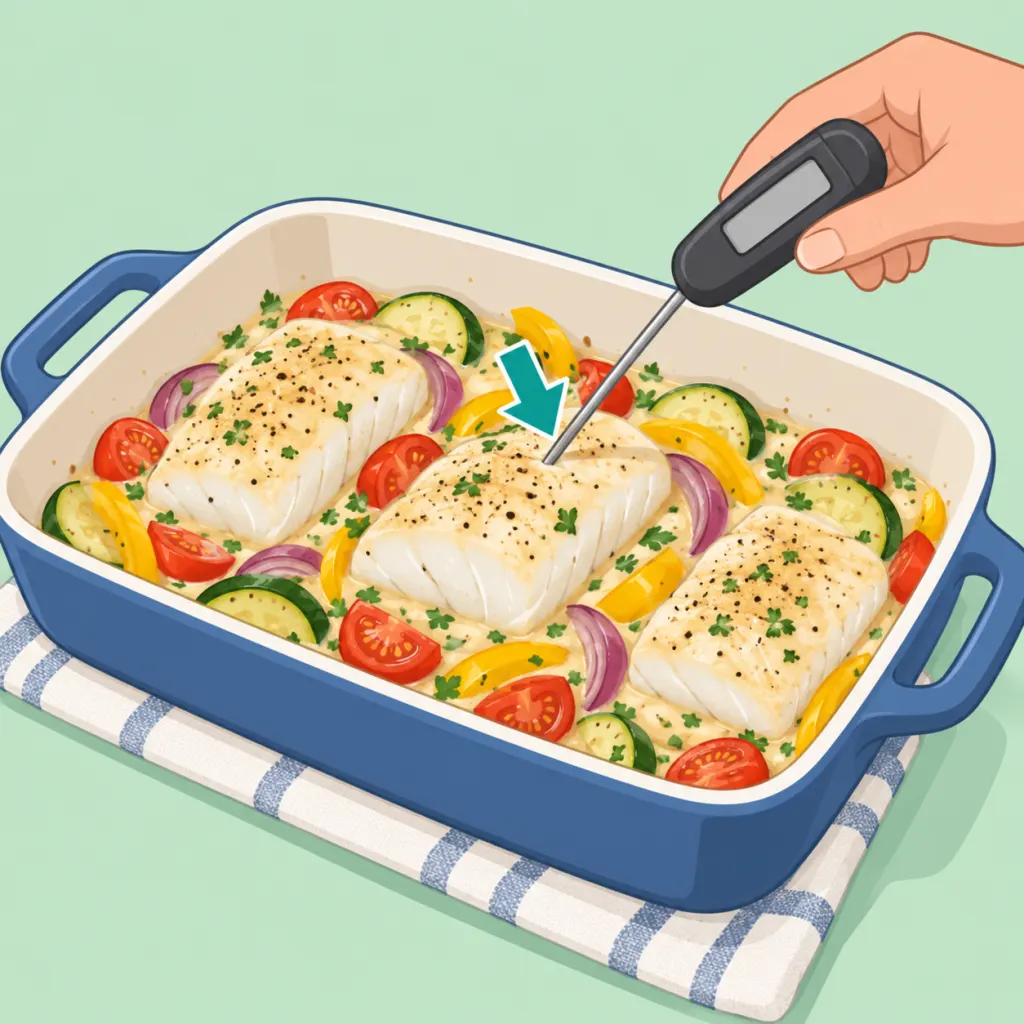
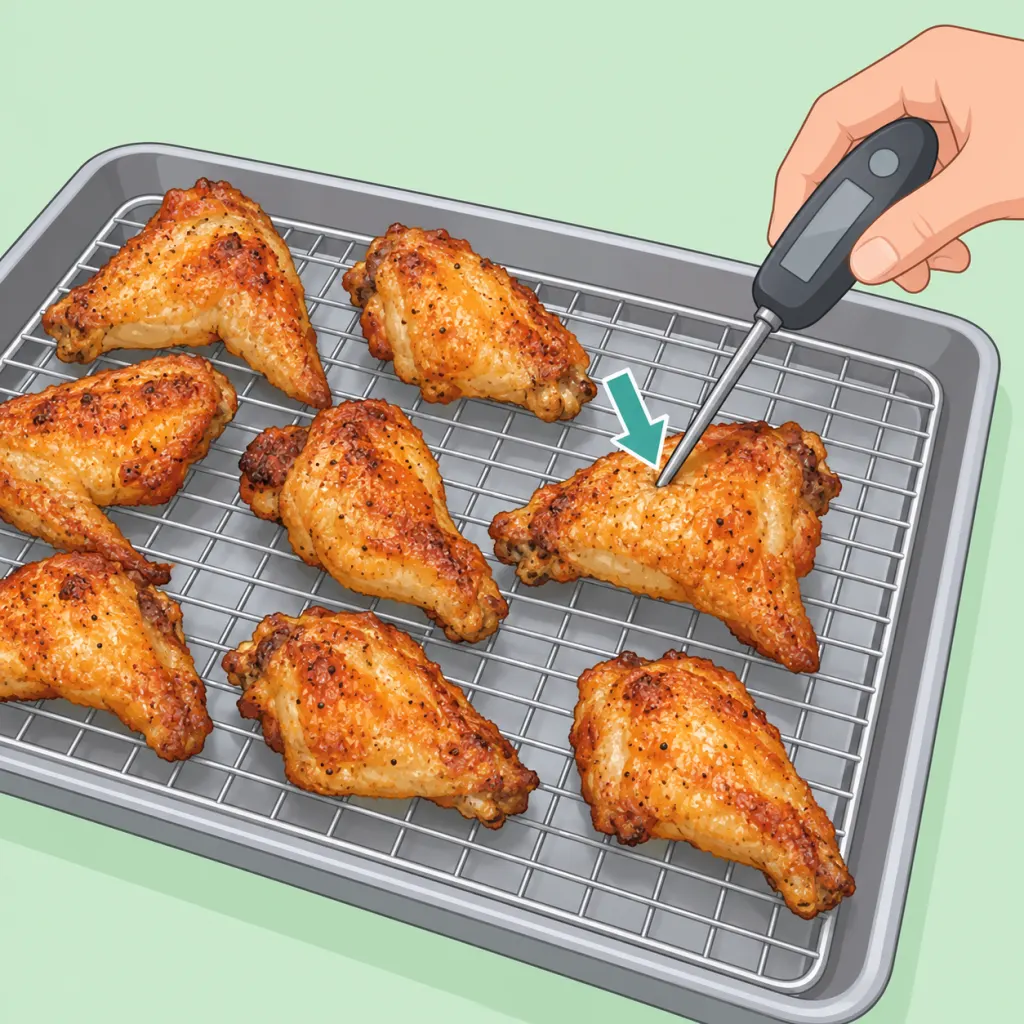
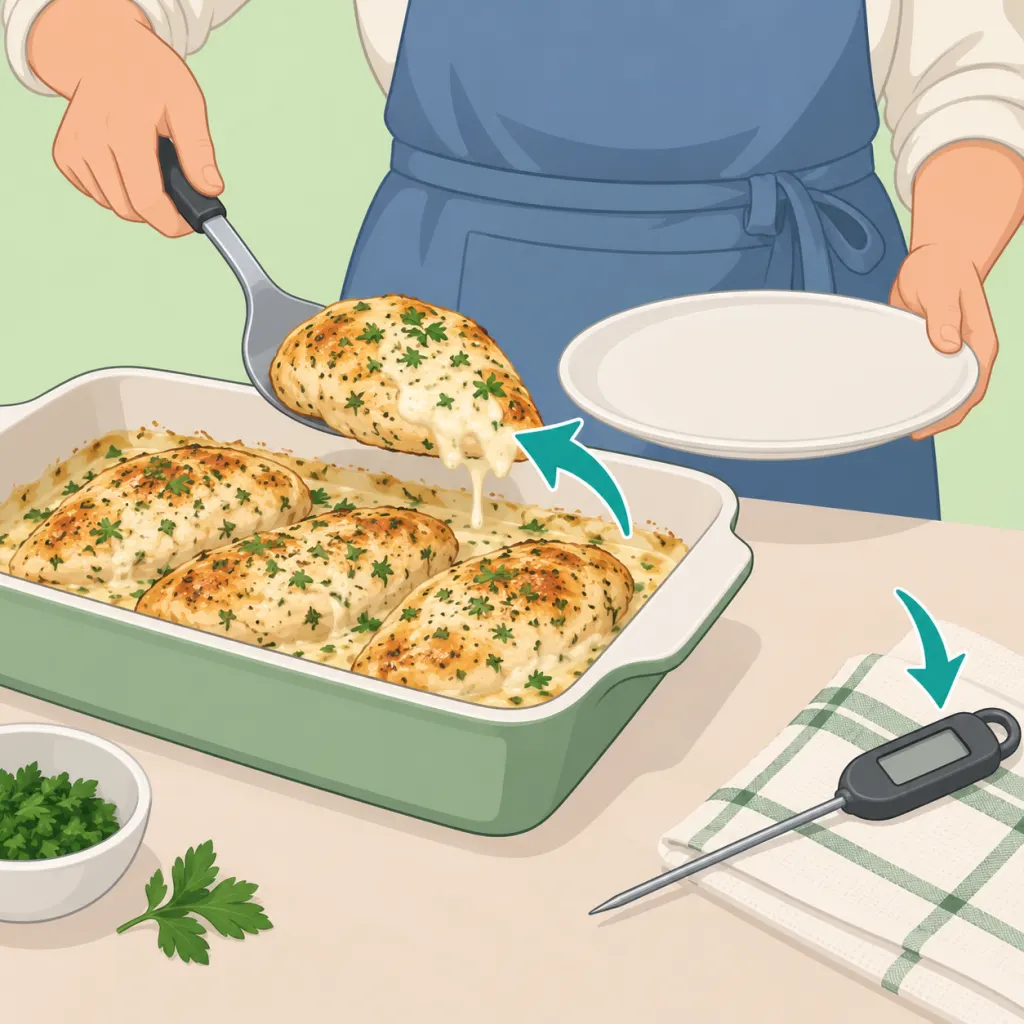
Insert a food thermometer into the thickest part of each piece without touching the pan. Poultry should reach 165°F, according to the USDA safe minimum internal temperature chart, and the USDA also explains that color alone is not a reliable doneness check in its food thermometer guidance.
Step 7: Rest, serve, and refrigerate leftovers
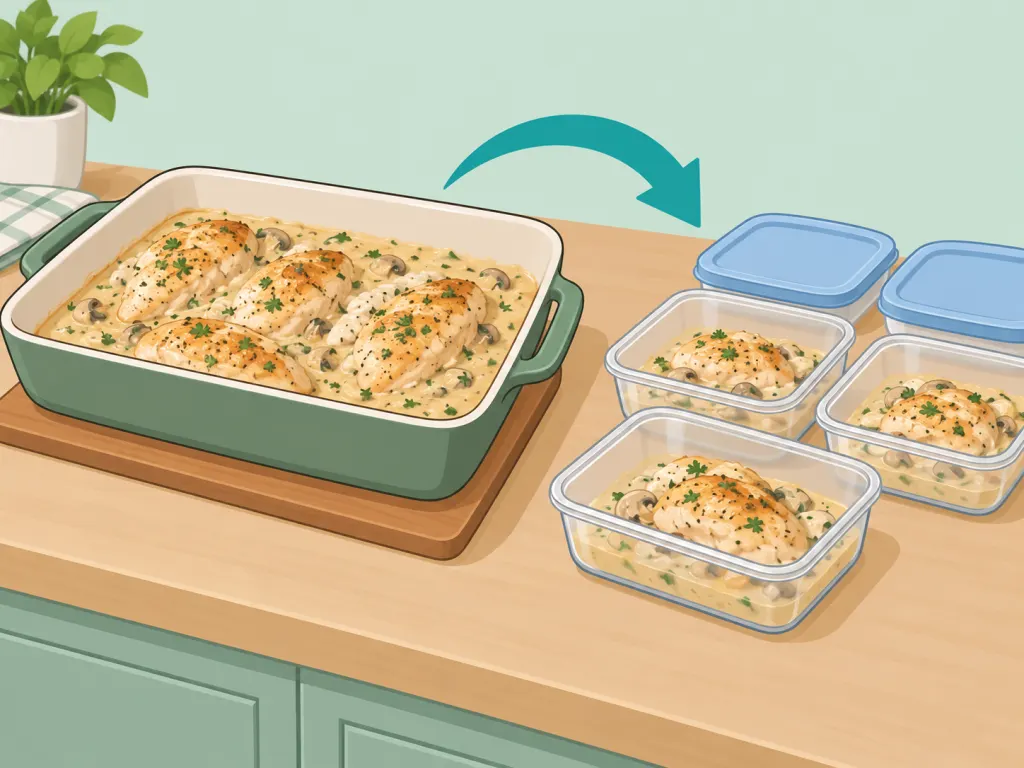
Let the chicken rest for about 5 minutes so the creamy sauce settles, then serve it with rice, potatoes, pasta, or vegetables. Refrigerate leftovers in shallow containers within 2 hours, or within 1 hour in temperatures above 90°F, and use cooked chicken leftovers within 3 to 4 days as described in USDA chicken storage guidance.
Step 8: Seek help for severe symptoms after eating

If someone develops severe symptoms after eating, contact a doctor or qualified health professional. CDC guidance says to seek medical help for symptoms such as bloody diarrhea, diarrhea lasting more than 3 days, fever over 102°F, frequent vomiting that prevents keeping liquids down, or signs of dehydration, as listed on its food poisoning symptoms page.
Wrap-Up
The bottom line: keep raw chicken cold, season it well, bake it in its creamy marinade, and rely on a thermometer instead of color. Once it reaches 165°F, rest it briefly and refrigerate leftovers promptly.
Frequently Asked Questions
- → Can I marinate the chicken overnight?
Yes, as long as it stays covered in the refrigerator. The USDA says poultry may be marinated in the refrigerator for up to 2 days, but 4 to 12 hours is usually enough for this creamy style.
- → Can I use chicken thighs instead of chicken breasts?
Yes. Boneless chicken thighs work well, but the cooking time may change. Check the thickest part with a thermometer and cook poultry to 165°F.
- → Can I use Greek yogurt instead of creme fraiche or sour cream?
Yes, plain full-fat Greek yogurt can work, though it may look slightly less smooth after baking. Stirring it with olive oil and avoiding very high heat helps the sauce stay creamier.
- → Is it safe to use the leftover marinade as a sauce?
Only if it cooks fully with the chicken or is brought to a full boil first. Marinade that touched raw poultry should not be spooned onto cooked food unless it has been boiled.
- → Why should I use a thermometer if the chicken looks done?
Color is not a reliable safety check for poultry. The USDA recommends using a food thermometer to confirm that chicken reaches 165°F in the thickest part.
- → How long can I keep leftovers?
Refrigerate leftovers in shallow containers within 2 hours, or within 1 hour if the food has been in temperatures above 90°F. Use cooked chicken leftovers within 3 to 4 days.
References
This content was developed and refined using reliable sources.
- https://www.fsis.usda.gov/food-safety/safe-food-handling-and-preparation/poultry/chicken-farm-table
- https://www.fsis.usda.gov/food-safety/safe-food-handling-and-preparation/poultry/poultry-basting-brining-and-marinating
- https://www.foodsafety.gov/keep-food-safe/4-steps-to-food-safety
- https://www.fsis.usda.gov/food-safety/safe-food-handling-and-preparation/food-safety-basics/safe-temperature-chart
- https://www.fsis.usda.gov/food-safety/safe-food-handling-and-preparation/food-safety-basics/food-thermometers
- https://www.cdc.gov/food-safety/signs-symptoms/index.html
- https://www.fda.gov/food/buy-store-serve-safe-food/food-allergies-what-you-need-know