 Save
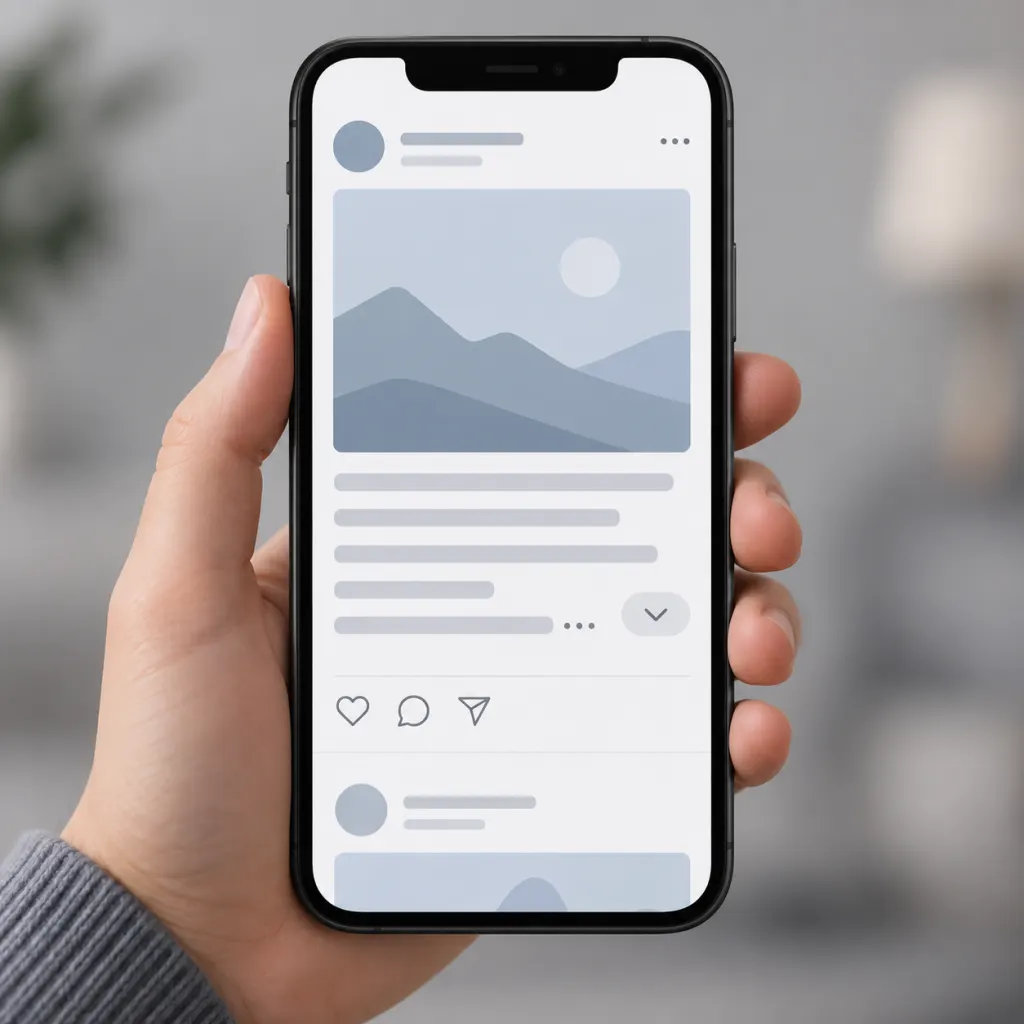
When a headline reads something like "[Person] admits that she tested positive for..." and then cuts off, the missing detail is not an accident. The truncation is the product, deliberately engineered to generate a click rather than to inform the reader. That structure, widely known as a curiosity-gap headline, is among the most common techniques used in social-media-driven content, and understanding how it works is a foundational skill of digital news literacy.
This article examines what incomplete viral headlines are, why they spread so effectively, and what practical steps you can take to assess any claim before accepting or sharing it. It also places a specific viral example in context: the documented record of what was actually reported about members of the Obama family and COVID-19 testing in the spring of 2022, an event whose facts were systematically stripped away by later viral posts to produce an incomplete, misleading frame.
The Anatomy of an Incomplete Headline
A headline that ends with an ellipsis or a "...See more" prompt makes a structural promise it has no obligation to keep. In traditional journalism, a headline summarizes the most important detail in the story. The curiosity-gap approach inverts that convention: it withholds the most important detail and uses the reader's desire to fill that gap as the engine of engagement. Because publishers and social-media pages that depend on advertising revenue benefit from every page view, the incentive to generate clicks through incomplete framing is strong and constant.
Monmouth University Library's media literacy guide distinguishes between misinformation, false or inaccurate content spread without deliberate intent to deceive, and disinformation, false information spread with deliberate intent to mislead. Many viral posts occupy a gray zone between the two: they may not state outright falsehoods, but they frame partial or ambiguous information in ways that reliably lead readers toward incorrect conclusions. The truncated headline is a textbook example of that gray zone, making a structural implication without technically asserting anything verifiable.

Why Misleading Headlines Go Viral
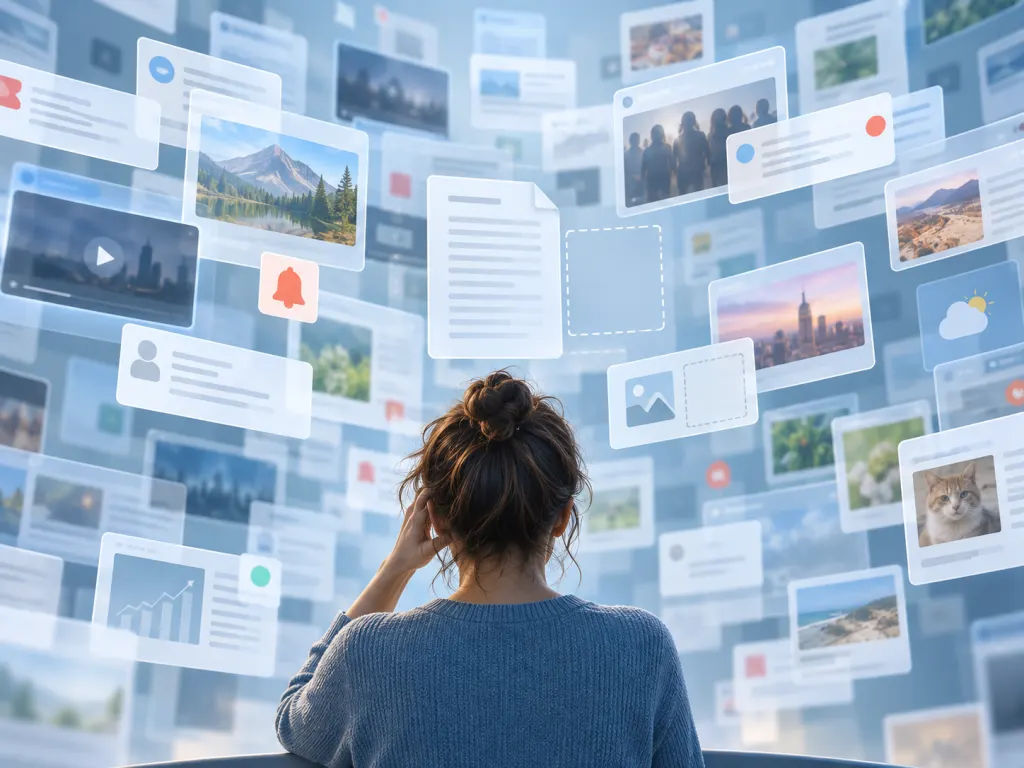
The World Health Organization uses the term infodemic to describe the overabundance of information, including false or misleading information, that spreads rapidly across digital environments, particularly during public-health events. According to WHO's infodemic resources, these information cascades "cause confusion and risk-taking behaviours" and "lead to mistrust in health authorities and undermine the public health response." While the concept was developed in the context of disease outbreaks, the underlying mechanics apply to any high-interest story: when people are emotionally engaged with a subject, they process information less carefully and are more likely to share content before verifying it.
A study from MIT Sloan School of Management found a striking paradox: people with higher digital literacy are better at recognizing false information, yet they are not more likely to avoid sharing it. Researchers concluded that people often fail to consider accuracy when deciding what to share, regardless of their education or online experience. The only factor reliably associated with sharing higher-quality information was procedural news knowledge, the practical understanding of how journalism works: how sources are verified, what distinguishes a primary account from a secondary report, and how editorial standards function in a professional newsroom.
Incomplete headlines are especially effective at bypassing critical thinking because they do not make a falsifiable claim. A headline that reads "[Name] admits she tested positive for, " has not technically stated anything false. It has created a framing that primes readers to assume the missing words are alarming, when in reality those words are either innocuous, absent from any authoritative record, or entirely invented by the reader's own imagination. That strategic ambiguity is a deliberate feature of the format, not an oversight by the author.
A Real-World Case Study: Parsing the Obama Headlines
The specific viral phrase that prompted this article appears to exploit public memory of a genuine, documented event, but one that did not involve the person the headline implies. In March 2022, former President Barack Obama publicly announced on social media that he had tested positive for COVID-19. He reported mild symptoms including a scratchy throat, described himself as feeling fine otherwise, and specifically stated that Michelle Obama had tested negative at the time. Both acknowledged they were vaccinated and boosted, and Barack Obama used the announcement to encourage others to consider vaccination.
Contemporary reporting confirmed the same detail: the COVID-19 positive test in that story belonged to Barack Obama, not Michelle Obama. That distinction matters considerably because viral headlines can produce false impressions through omission rather than fabrication, stripping verifiable context from a real event and then reassembling the fragments to imply something that was never reported. The WHO's guidance on immunizing the public against misinformation specifically identifies selective framing, presenting incomplete information in a way that produces a misleading impression, as one of the most common manipulation techniques in online content.
No credible reporting from any authoritative source has established that Michelle Obama tested positive for any medical condition in connection with this viral headline. Readers who encounter the truncated phrase should treat the missing words as genuinely unknown, not as implied confirmation of a diagnosis, a disclosure, or any other health event. The documented public record points clearly in the opposite direction.
How to Evaluate a Viral Claim
Media literacy organizations and public health authorities converge on a consistent set of practical steps for evaluating any incomplete or surprising claim about a public figure. The following checklist reflects guidance from the WHO and academic media literacy resources:
- Pause before sharing. The WHO's "Pause. Take care before you share" campaign encourages a deliberate delay before engaging with or forwarding content. That pause disrupts the automatic reflex that drives misinformation spread.
- Look for the complete sentence. If a headline ends in "..." or uses a "See more" prompt, search for the full claim on a reliable outlet or the subject's own verified official channels before drawing conclusions.
- Check the source, not just the headline. Does the page hosting the story have clear editorial standards? Are claims attributed to named journalists backed by on-the-record sources?
- Search independently. Use a general search engine to check whether established news organizations are covering the same story. Significant disclosures about public figures will be reported consistently by multiple independent newsrooms.
- Consult dedicated fact-checking resources. Organizations such as the WHO maintain active mythbusters sections for health-related claims. National public health agencies in many countries also publish misinformation-response pages.
- Report suspicious content. Most social-media platforms have built-in reporting mechanisms for misleading posts. Using them reduces the chance that others encounter the same content without critical context.

Why Digital Literacy Alone Is Not Enough
The MIT Sloan study finding deserves additional attention because it challenges a broadly held assumption about media literacy education: that better-informed people will automatically behave more carefully online. The research showed that digital literacy, understanding how algorithms work, recognizing platform design, and being familiar with online concepts, genuinely improves people's ability to identify false information in the moment. However, that improved recognition did not produce more cautious sharing behavior. The gap between knowing that a claim is dubious and choosing not to amplify it is wide, and it is not reliably closed by awareness campaigns or general literacy education alone.
What did close that gap, according to the same research, was procedural news knowledge, the practical understanding of how journalism works at a technical level. People who understood how reporters verify sources, how editorial oversight functions, and what distinguishes a primary source from a downstream aggregation were meaningfully more likely to share higher-quality information. This suggests that the most effective media literacy programs are not those that simply teach people to recognize red flags in isolation, but those that build genuine familiarity with how credible reporting is actually produced and evaluated.
Building Reliable News Habits Over Time
Building better news habits is not about consuming less information or treating everything online with blanket suspicion. It is about developing a consistent practice of distinguishing between a headline that summarizes a verified story and one that uses curiosity and emotional response as its primary mechanism. The WHO's "Go Viral!" educational resource demonstrated that a single brief session explaining how common misinformation techniques operate reduced participants' perceived reliability of misleading content by an average of 21 percent, a measurable effect from a short intervention, indicating that awareness of how manipulation works has a genuine protective effect over time.
For stories involving well-known public figures in particular, a useful practical rule is that significant disclosures, health announcements, legal developments, major professional changes, will be communicated through the subject's own verified channels and then reported consistently by established newsrooms with named journalists. A truncated headline on an unfamiliar aggregator page, with no named author and no linked primary source, is not evidence of the event the headline implies. It is evidence only of the headline writer's skill at generating engagement without accountability.
Wrap-Up
Incomplete or truncated headlines are a deliberate engagement technique, not an information format. When a headline about a public figure ends in "..." or withholds a central detail, the structure itself is a signal to pause and verify rather than click and accept. The documented record for the 2022 Obama family story is unambiguous: Barack Obama announced publicly that he had tested positive for COVID-19, and Michelle Obama tested negative. No authoritative reporting has substantiated any other claim about Michelle Obama in connection with this viral phrase. Media literacy researchers and public health organizations agree that pausing to verify a claim before sharing it, using primary sources, official channels, and established newsrooms, is the most reliable first step toward reducing the spread of misleading content online.
Frequently Asked Questions
- → What is a curiosity-gap headline?
A curiosity-gap headline deliberately withholds the most important detail of a story to compel the reader to click through. The format exploits the natural human discomfort with incomplete information. It is widely used on content-farm and social-media aggregator sites because it reliably increases click-through rates, regardless of whether the implied story is true or significant.
- → How can I tell whether a viral claim about a public figure is accurate?
Check whether the claim is reported by established news organizations with named journalists and editorial standards. Then look for a primary source: the subject's own verified social-media account, an official press statement, or a public record. Significant real disclosures about public figures will be covered consistently by multiple independent newsrooms. If only one obscure page is carrying a story, treat it as unverified.
- → What actually happened with Barack Obama and COVID-19 in 2022?
In March 2022, Barack Obama publicly announced on social media that he had tested positive for COVID-19. He reported mild symptoms including a scratchy throat, described himself as feeling fine, and specifically noted that Michelle Obama had tested negative. Both were vaccinated and boosted at the time. Michelle Obama's negative result was part of the same original announcement, though it was later omitted by some viral posts.
- → What is an infodemic, and how does it relate to misleading headlines?
The World Health Organization defines an infodemic as "too much information including false or misleading information in digital and physical environments during a disease outbreak." Misleading or incomplete headlines are a key driver of infodemics: they spread rapidly because of the curiosity gap they exploit and can create widespread false impressions even when they contain no outright fabrications. The WHO tracks infodemics as a public health concern alongside the events that trigger them.
- → Does improving digital literacy prevent people from sharing misinformation?
Not reliably, according to MIT Sloan research. Higher digital literacy helps people identify false information more accurately, but it does not automatically produce more cautious sharing behavior. The factor most closely linked to sharing higher-quality information was procedural news knowledge, understanding practically how journalism works. Targeted prompts reminding users to consider accuracy before posting have also shown measurable effectiveness at reducing the spread of misleading content.
- → Where can I find authoritative fact-checking resources for health-related claims?
The World Health Organization maintains a mythbusters section at who.int for health-related claims and provides broader infodemic management guidance for evaluating online health information. Many national public health agencies also publish active misinformation-response pages. For general news claims, university library media literacy guides and independent fact-checking organizations are reliable starting points.
References
This content was developed and refined using reliable sources.
- https://guides.monmouth.edu/media_literacy
- https://mitsloan.mit.edu/ideas-made-to-matter/study-digital-literacy-doesnt-stop-spread-misinformation
- https://www.who.int/health-topics/infodemic
- https://www.who.int/news-room/feature-stories/detail/immunizing-the-public-against-misinformation
- https://www.who.int/news-room/feature-stories/detail/fighting-misinformation-in-the-time-of-covid-19-one-click-at-a-time