 Save
Earwax, known medically as cerumen, is a normal, healthy substance that your ear canal produces to protect itself, it is not a sign of poor hygiene, and in most people it never needs to be actively removed. The color and texture of earwax vary widely between people because of genetics, and mild variation from day to day is normal. What matters more than color alone is whether earwax is joined by pain, sudden hearing loss, dizziness, foul-smelling discharge, or blood, which are the signals worth telling a doctor about. This article explains what earwax is made of, why its appearance differs from person to person, when buildup becomes a blockage, which home approaches are considered reasonably safe, and which popular remedies, including cotton swabs and ear candles, are discouraged by health authorities because they can cause harm.
What Is Earwax and Why Does the Ear Make It?
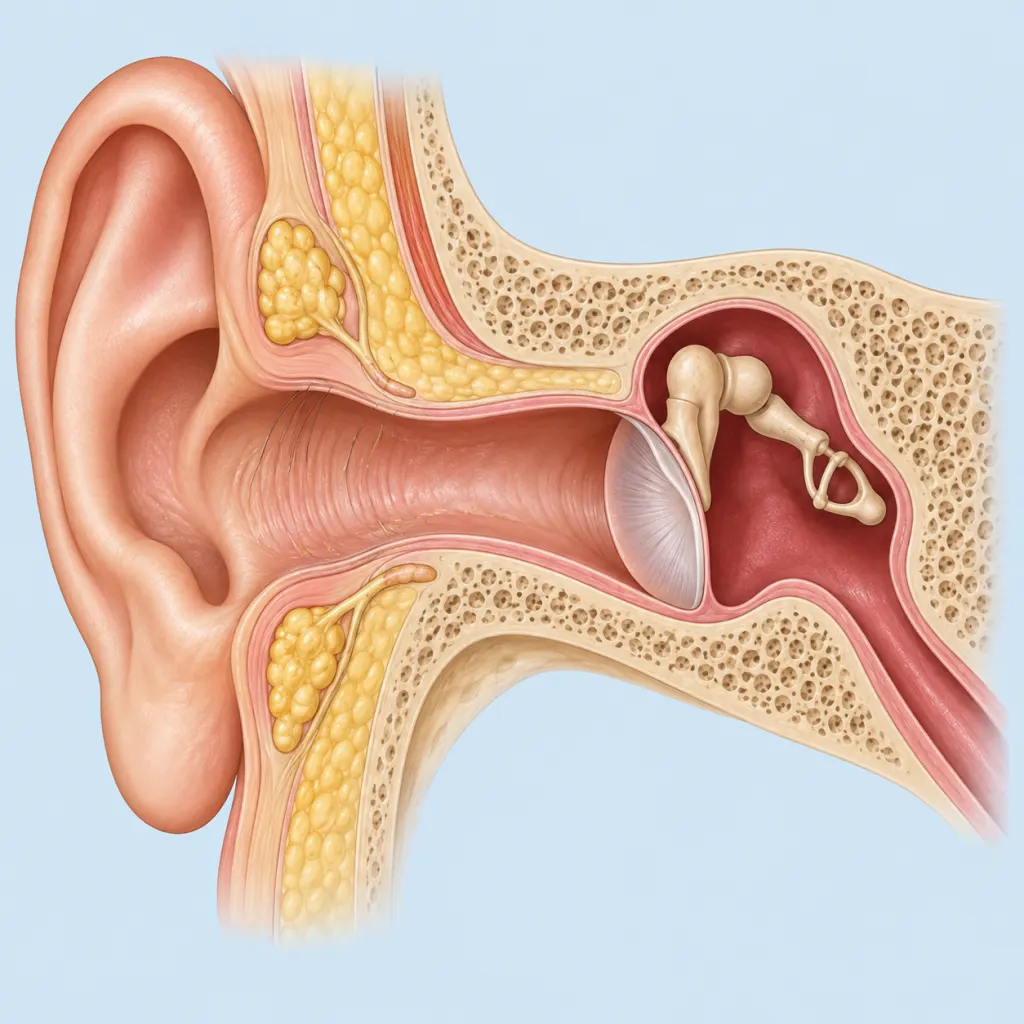
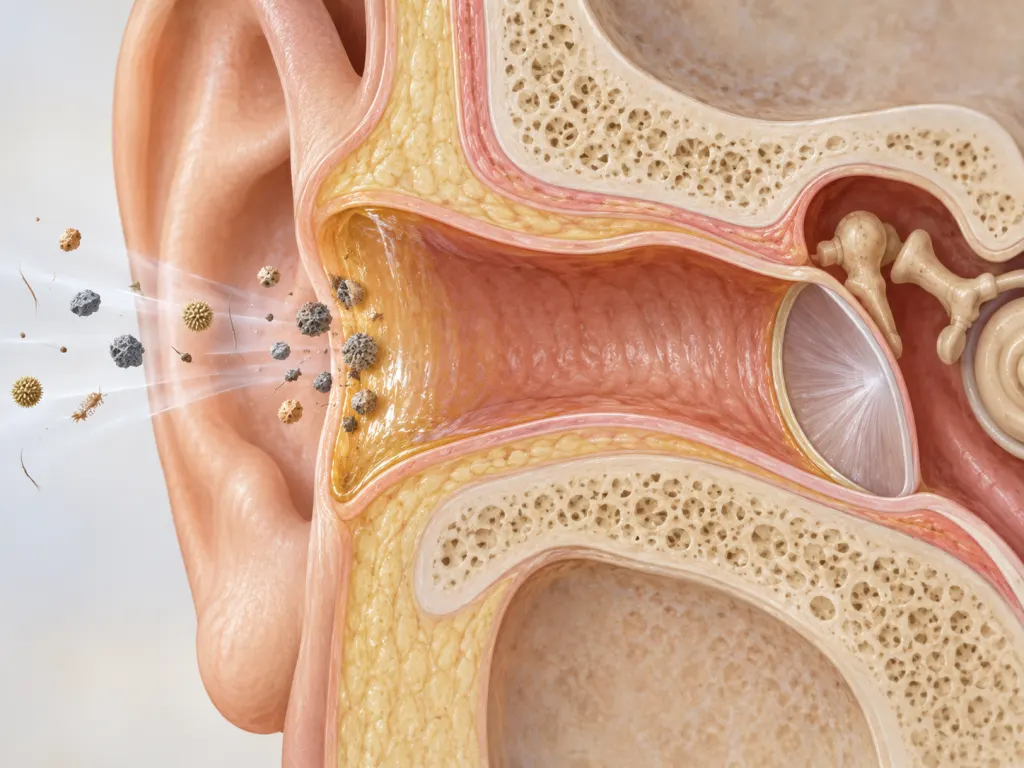
Cerumen, the medical term for earwax, is produced by glands lining the outer third of the ear canal. It is not dirt or a waste product; it is a mixture of sebum (an oily secretion), shed skin cells, and compounds such as keratin, cholesterol, fatty acids, and squalene. This mixture forms a slightly acidic, water-repellent coating that keeps the ear canal moisturized, traps dust and small debris before it can reach the eardrum, and has antimicrobial properties that help limit the growth of bacteria and fungi on the skin of the canal. In most people, chewing and jaw movement gradually carry old earwax toward the ear opening, where it dries, flakes, and falls away without any help, a natural, ongoing self-cleaning process.
Wet or Dry: Why Earwax Type Differs Between People
Earwax comes in two broad types, and which one a person has is largely determined by a single gene, ABCC11. Wet earwax is yellow-brown, sticky, and is the more common type among people of European and African ancestry. Dry earwax is gray or tan and flaky, and it predominates among people of East Asian and Indigenous American ancestry. Neither type is healthier than the other; the difference is a normal inherited trait, similar to eye color. Earwax also tends to darken and thicken the longer it sits in the canal, simply because it has had more time to pick up dust, skin cells, and air exposure, a normal change in the wax itself, not a sign that something is wrong.
What Color and Texture Changes May Suggest
Because earwax is genetically variable and changes naturally as it ages, color alone is a weak signal and should not be used to self-diagnose a condition. Health resources generally describe color and texture only as rough patterns worth being aware of, not as a stand-alone test:
- Light yellow to golden brown: Typically fresh, recently produced wax; considered a normal finding.
- Dark brown to black: Usually older wax that has accumulated more debris and dried out; on its own, this is usually not concerning.
- Gray, flaky, or dry: Often reflects the genetically dry earwax type, or in some cases dust exposure; not typically a medical concern by itself.
- Green or foul-smelling: May accompany an outer ear infection, particularly if there is also pain, itching, or discharge.
- Blood-tinged or streaked with red: Can follow vigorous cleaning or minor trauma to the delicate skin of the canal, but can also reflect an infection or an eardrum injury, and deserves prompt evaluation.
None of these patterns replace an examination. A clinician who looks inside the ear with an otoscope can distinguish normal cerumen from infection, injury, or a foreign object far more reliably than color alone.
When Buildup Becomes a Blockage (Cerumen Impaction)
Most ears clear excess wax on their own, but in some people it accumulates faster than it can be shed, leading to a blockage called cerumen impaction. Factors that raise the likelihood of buildup include regular use of hearing aids or earplugs, naturally narrow or hairy ear canals, skin conditions such as eczema affecting the canal, increasing age, and repeated use of cotton swabs, which tend to push wax deeper rather than remove it. A blockage can cause a feeling of fullness or pressure in the ear, partial hearing loss, ringing (tinnitus), itching, mild dizziness, or drainage. Left untreated, impacted wax can make it harder for a clinician to examine or treat other ear problems and, in some cases, can contribute to outer ear infections.

Safe Ways to Manage Earwax at Home
For mild buildup without signs of infection or a perforated eardrum, a few approaches are generally considered reasonably safe when done gently. Softening the wax first is usually recommended before any attempt to remove it: a few drops of warm water, saline, mineral oil, glycerin, or a commercial softening solution can be placed in the ear canal for several days, which loosens hardened wax and often allows it to work its way out on its own.
Afterward, some people follow up with gentle irrigation, tilting the head upright, gently pulling the outer ear up and back to straighten the canal, and using a soft bulb syringe with body-temperature water directed along the canal wall rather than straight at the eardrum. Irrigation should not be attempted if there is any chance of a perforated eardrum, ear tubes, recent ear surgery, or an active infection. If softening and gentle irrigation do not clear the blockage, or the wax is deeply impacted, a doctor, nurse, or audiologist can remove it safely using specialized suction, instruments, or controlled irrigation.
Why Cotton Swabs and Ear Candles Are Discouraged
Inserting cotton swabs, bobby pins, or other objects into the ear canal is discouraged by hearing health authorities because the canal is narrow and the eardrum is delicate; these objects tend to push wax further inward, compact it against the eardrum, and can scratch the canal or perforate the eardrum. They can also stimulate the canal's glands, which may trigger extra wax production over time.
Ear candling, burning a hollow, wax-coated cone with one end placed at the ear opening, is marketed as a way to draw out earwax through suction. Regulatory review has found no validated evidence that ear candles create any meaningful suction or remove wax, and the practice has caused burns to the face, ear canal, and eardrum, as well as candle wax dripping into the canal and, in some cases, eardrum perforation. Because of these documented risks and the lack of any demonstrated benefit, ear candling is not recommended as a wax-removal method.

When to Contact a Doctor
It's reasonable to schedule an appointment if a suspected blockage causes persistent fullness, hearing changes, or ringing that doesn't improve after a few days of gentle softening drops. Seek prompt medical attention for ear pain accompanied by fever, discharge that is foul-smelling, yellow, green, or blood-tinged, sudden or significant hearing loss, notable dizziness, or any suspicion of a perforated eardrum. Children with ear symptoms, and anyone with diabetes, a weakened immune system, or a history of ear surgery, should generally involve a clinician earlier rather than attempting removal at home first.
Wrap-Up
Earwax is a normal, protective substance made by glands in the ear canal, and its color and texture vary naturally from person to person based on genetics and how long the wax has been in the canal. Mild color variation on its own is rarely a cause for concern, but pain, foul-smelling or blood-tinged discharge, sudden hearing loss, or dizziness are signals to have the ear examined. When buildup does cause a blockage, gentle softening drops and, if needed, professional removal are the approaches supported by current guidance, cotton swabs and ear candles are discouraged because they are more likely to cause injury than to help.
Frequently Asked Questions
- → Is it normal for earwax color to change from week to week?
Yes. Earwax naturally darkens and thickens the longer it stays in the ear canal, so color can shift simply based on how recently it was produced. Consistent, mild color variation on its own is not usually a health concern.
- → Should I clean my ears with cotton swabs?
Hearing health guidance advises against inserting cotton swabs into the ear canal, since they tend to push wax deeper and can injure the canal or eardrum. The outer ear can be wiped with a cloth; the canal itself usually cleans itself.
- → Are ear candles a safe way to remove earwax?
No. Regulatory review has found no evidence that ear candles remove earwax, and they have caused burns and eardrum injuries even when used as directed. They are not recommended.
- → What does dark or black earwax mean?
Dark or black earwax is usually just older wax that has picked up more dust and skin cells over time, or it may reflect a genetically dry earwax type. It is not, by itself, a sign of infection.
- → When should a child's earwax be checked by a doctor?
A child should be seen if earwax is accompanied by ear pain, fever, discharge, a foul odor, or a noticeable drop in hearing, or if a parent suspects an object may be lodged in the canal.
- → Can earwax buildup cause dizziness?
Significant earwax impaction can sometimes contribute to a feeling of imbalance or mild dizziness, especially if it presses on the eardrum. Persistent or severe dizziness should be evaluated by a clinician rather than assumed to be earwax.