 Save
The main answer is simple: after 50, walking is usually most helpful when it is regular, gradual, upright, well supported, and safe enough that you can keep doing it. The mistakes that matter most are not dramatic. They are ordinary habits, such as rushing the first five minutes, staring at a phone, wearing worn-out shoes, or assuming one long weekend walk can replace a routine. Public health guidance supports walking as a practical aerobic activity, and older adults are also encouraged to include muscle-strengthening and balance activities during the week CDC. The goal is not a perfect stride or a rigid step count. It is a walking habit that fits your current ability, builds slowly, and helps you move through daily life with more confidence.
Why Walking Habits Matter More After Midlife
Walking is accessible because it does not require a gym, special athletic background, or complicated equipment. That simplicity is also why people sometimes overlook technique, route safety, and recovery. The CDC describes weekly activity for adults 65 and older as a mix of aerobic activity, muscle-strengthening work, and balance activities; brisk walking is one common way to get moderate-intensity aerobic activity CDC. MedlinePlus, from the National Library of Medicine, similarly explains that older adults benefit from endurance, strength, balance, and flexibility activities, and that people who have not been active can start slowly and work toward a goal MedlinePlus.
For readers in their 50s and beyond, the useful question is not only whether to walk, but how to make walking repeatable. A good routine protects motivation. It reduces avoidable strain. It gives you a way to notice changes in stamina, steadiness, footwear comfort, and route safety before they become bigger barriers. A practical walking check includes:
- Pace: begin easy, then build toward a brisk but talkable effort.
- Posture: look ahead, keep shoulders relaxed, and avoid folding over the phone.
- Support: use comfortable shoes that fit the activity and the route.
- Consistency: favor several manageable walks over rare all-or-nothing efforts.
- Safety: choose lighting, surfaces, traffic patterns, and weather conditions with care.
Mistake 1: Starting Too Fast
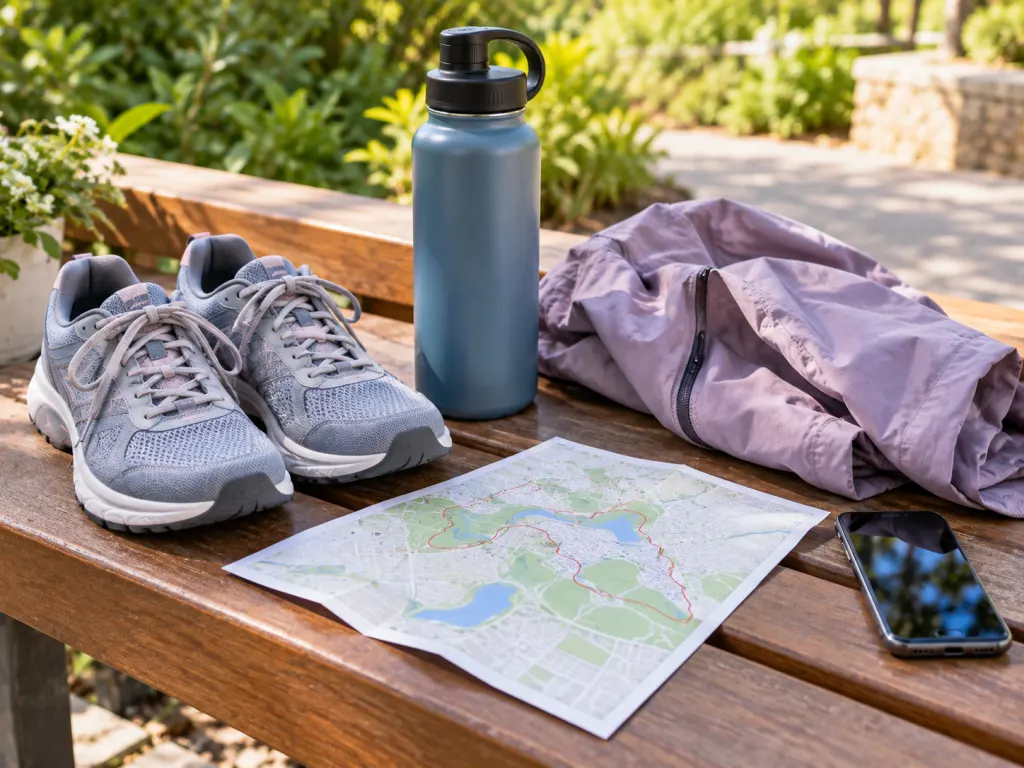
The first mistake is turning the opening minutes into a test. A cold start can make an ordinary walk feel harder than it needs to be. Mayo Clinic recommends walking slowly for the first few minutes, then picking up the pace, and slowing down again near the end of the walk Mayo Clinic. That advice is especially useful if you have been sitting, driving, cooking, or working at a desk before heading out.
A better pattern is to treat the first block, driveway, hallway, or treadmill minute as the warm-up. Let your breathing rise gradually. Notice whether your shoes feel secure and whether the route is clear. After a few minutes, move into a pace that feels purposeful but controlled. Many people use the talk test: you should be able to speak in short sentences, even if singing would feel difficult. If the first five minutes always feel unpleasant, shorten the walk, lower the pace, or choose a flatter route while you rebuild the habit.
Mistake 2: Walking Only Once in a While
A single heroic walk once a week is not the same as a reliable routine. For older adults, the CDC lists 150 minutes a week of moderate-intensity aerobic activity as one standard target, often described as 30 minutes on five days, along with strengthening activities and balance work CDC. Not everyone will start there, and the same CDC page notes that some activity is better than none. The mistake is believing that consistency does not matter.
If 30 minutes is not realistic, use smaller walks as building blocks. Ten minutes after breakfast, ten minutes after lunch, and ten minutes in the evening may be easier than one uninterrupted session. A person who has been inactive might begin with five to ten minutes several days a week. The point is to make walking normal, not punishing. A steady routine also makes it easier to spot patterns: which shoes feel best, which routes feel safest, and which time of day gives you the most energy.
Mistake 3: Ignoring Posture and Arm Swing
Walking posture does not need to be stiff or theatrical. It should simply help you move smoothly. Mayo Clinic advises keeping the head up, looking forward, relaxing the neck and shoulders, swinging the arms freely with a slight bend in the elbows, keeping the back straight, and rolling each foot from heel to toe Mayo Clinic. Cleveland Clinic adds an important caution: posture can play a role in symptoms such as back or neck discomfort, but it is rarely the whole story, and movement, stretching, and activity habits also matter Cleveland Clinic.
That means the correction is gentle awareness, not self-scolding. Look several yards ahead rather than straight down. Let your shoulders drop away from your ears. Let your arms swing naturally instead of pinning them to your sides or gripping a phone. If you use poles, a cane, or a walker, fit and technique matter; ask a qualified professional for personal guidance if the device feels awkward, unstable, or too low or high. Walking should feel coordinated, not like you are fighting your own equipment.

Mistake 4: Wearing Shoes That No Longer Support the Walk
Shoes are easy to underestimate until a short walk starts feeling surprisingly tiring. Mayo Clinic recommends comfortable, supportive shoes that fit well for a walking routine Mayo Clinic. The right shoe does not have to be expensive or trendy, but it should match your foot, your surface, and your walking pattern. A shoe that was comfortable for errands may not work for longer neighborhood walks. A pair that looks fine on top may have worn tread or compressed cushioning underneath.
Check shoes the unglamorous way: place them on a flat surface and see whether they lean; inspect the outsole for uneven wear; feel inside for rough seams; and note whether your toes have room without sliding. For outdoor routes, traction matters. For indoor mall or treadmill walking, fit and comfort may matter more than rugged soles. If foot shape has changed, if one shoe wears down much faster than the other, or if walking regularly brings new discomfort, a clinician, podiatrist, or physical therapist can help connect footwear choices with gait and support needs.
Mistake 5: Letting the Phone Control the Walk
A phone can make walking safer when it is available for directions or emergencies. It becomes a problem when it pulls your gaze down and your attention away from the surface, traffic, curbs, pets, bicycles, or other people. Route awareness is part of fall-risk reduction. CDC fall guidance encourages older adults to address risk factors, use strength and balance activities, keep vision checked, and make environments safer CDC. Looking down at a screen while moving works against that idea.
Before you begin, set the playlist, map, or timer. If you need to read or answer something, step fully out of the path and stop first. On unfamiliar sidewalks, parking lots, trails, stairs, or curbs, keep your eyes available for the surface ahead. This is not only about avoiding trips. It also makes the walk more useful as a body check: you can notice stride length, breathing, arm swing, fatigue, and whether your route still feels appropriate for the day.
Mistake 6: Treating Walking as the Whole Plan
Walking is valuable, but it should not be asked to do every job. MedlinePlus describes four broad categories of activity for older adults: endurance, strength, balance, and flexibility MedlinePlus. The CDC also pairs aerobic activity with muscle-strengthening days and balance activities for older adults CDC. If every movement goal is poured into walking alone, gaps can remain.
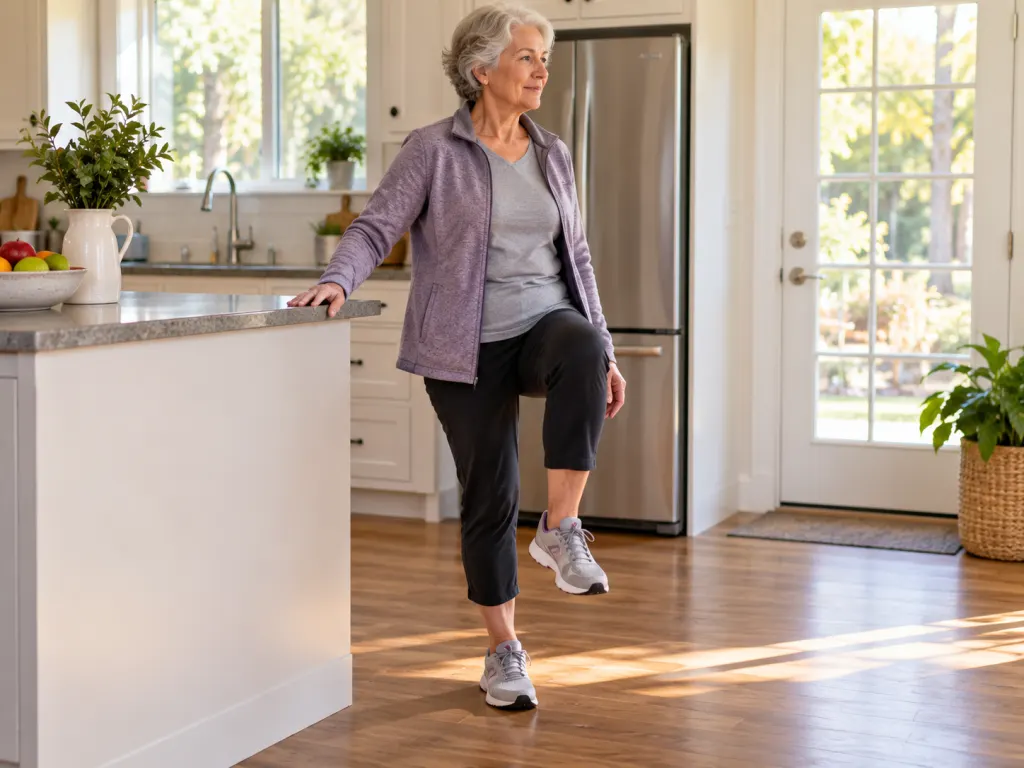
The fix can be modest. Add two brief strength sessions a week using sit-to-stand practice, wall pushups, resistance bands, or light weights if those are appropriate for you. Add balance work near a counter or sturdy chair, such as standing with feet closer together or practicing heel-to-toe walking under safe conditions. Add gentle flexibility work after walking, when the body is already warm. These additions do not need to turn your life into a fitness project. They simply make walking part of a wider movement routine.
Mistake 7: Pushing Through Warning Signs Instead of Adjusting
Determination is useful; ignoring feedback is not. A walk may feel challenging, especially when you are building stamina, but it should not require you to dismiss severe breathlessness, chest pressure, faintness, sudden weakness, or a fall. Mayo Clinic suggests checking with a healthcare professional before beginning a walking program if you have a long-term condition or recent injury Mayo Clinic. CDC fall guidance also recommends talking with a doctor or health care provider about fall risk and personal steps that may help CDC.
Less urgent signals deserve attention too. If one route always leaves you drained, choose a flatter loop. If evening walks feel unsteady, try daylight. If a hill is too much right now, save it for later. If a new pair of shoes changes your stride, rotate gradually or reassess the fit. Progress after 50 is often best measured by repeatability: can you walk again tomorrow or the next day without feeling wiped out? The most useful routine is the one your body can recover from and your schedule can sustain.
A Simple Walking Reset for the Next Two Weeks
If your current routine feels scattered, use a two-week reset. Pick three to five walking days each week. Begin each walk with three to five easy minutes, continue at a comfortable pace, then slow down near the end. Choose one route that is familiar, well lit, and predictable. Wear the shoes you trust most. Keep the phone available but not in your hand. On two nonconsecutive days, add a short strength or balance session that matches your ability. Track only a few useful details: minutes walked, route, shoes, energy level, and anything that felt awkward.
At the end of two weeks, look for patterns rather than perfection. Maybe morning walks feel better than evening walks. Maybe a 15-minute walk repeated often beats an occasional 45-minute push. Maybe a certain sidewalk is too uneven, or one pair of shoes is ready to retire. This kind of review makes walking more personal and less moralized. You are not trying to win at walking. You are learning how to move in a way that supports daily life.
When Personal Guidance Is Worth It
Personal guidance is useful when walking brings new, persistent, or worsening symptoms; when you have fallen; when balance feels uncertain; when a walking aid does not feel properly fitted; or when a long-term condition changes what feels safe. A doctor, qualified health professional, physical therapist, or podiatrist can help tailor the plan. That does not mean walking is off limits for everyone with medical history. It means the plan should fit the person, not the other way around.
Wrap-Up
Walking after 50 is less about chasing a perfect step count and more about building a routine that is gradual, alert, supported, and repeatable. Start easier than you think you need to, walk often enough for the habit to become normal, keep your gaze and posture available for the route, wear shoes that fit the job, and add strength and balance work so walking is not carrying the whole plan alone. If symptoms, falls, or medical history make the right approach unclear, get personal guidance before pushing harder.
Frequently Asked Questions
- → How often should someone over 50 walk?
Many adults aim for regular walks across the week rather than one very long session. CDC guidance for older adults uses 150 minutes a week of moderate-intensity aerobic activity as one standard target, but people can start below that and build gradually.
- → Is a slow walk still worthwhile?
Yes. A slower walk can be a useful starting point, a warm-up, a recovery day, or the right choice for a difficult route or low-energy day. The best pace is one you can repeat safely and comfortably while building over time.
- → What is the easiest walking mistake to fix first?
Start with the first five minutes. Walk easily at the beginning, then increase your pace gradually. This small change often makes the rest of the walk feel smoother and helps you notice shoes, surface, and balance before you are moving quickly.
- → Should walking be enough exercise after 50?
Walking is a strong aerobic habit, but public health guidance also emphasizes strength, balance, and flexibility activities. Simple add-ons such as sit-to-stand practice, resistance bands, safe balance drills, and gentle stretching can round out the routine.
- → When should a walking problem be checked by a professional?
Get personal guidance if walking brings new or worsening symptoms, if you have fallen, if balance feels unreliable, if footwear or a walking aid feels wrong, or if a medical condition makes activity decisions unclear.
References
This content was developed and refined using reliable sources.
- https://www.cdc.gov/physical-activity-basics/guidelines/older-adults.html?CDC_AAref_Val=https://www.cdc.gov/physicalactivity/basics/older_adults/index.htm&linkId=100000278884074
- https://www.cdc.gov/physical-activity-basics/health-benefits/older-adults.html
- https://medlineplus.gov/exerciseforolderadults.html
- https://www.cdc.gov/falls/prevention/index.html
- https://www.mayoclinic.org/healthy-lifestyle/fitness/in-depth/walking/art-20046261?p=1
- https://my.clevelandclinic.org/health/articles/posture