 Save
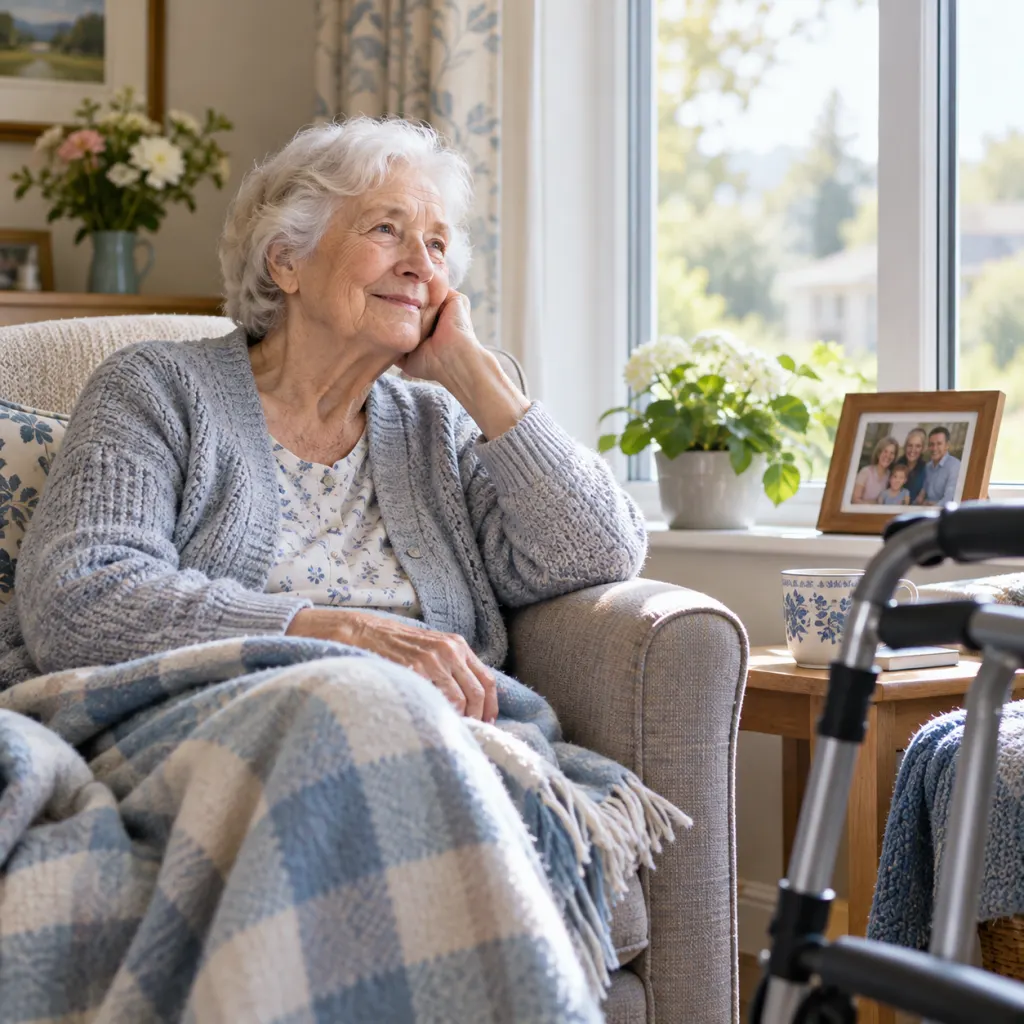
A fulfilling life at 73 is usually built from ordinary habits, not dramatic reinvention. Four matter most: daily movement, dependable social connection, meaningful activity, and a steady rhythm for rest and self-care. These habits work best when they are small enough to repeat, flexible enough for changing energy, and personal enough to feel like your life rather than someone else's checklist. They also fit people who live with a partner, live alone, care for others, or are rebuilding routines after retirement, loss, relocation, or a quieter season.
Start With Fulfillment, Not Perfection
At 73, the word fulfilling deserves a practical definition. It does not have to mean constant busyness, travel, or a calendar packed with obligations. It can mean waking with a reason to get dressed, having people who would notice if you were absent, feeling capable in your home and neighborhood, and still having something to learn or contribute. The World Health Organization notes that there is no single pattern of older age; people of the same age can have very different capacities, environments, and needs. That is why the best habits are adaptable rather than rigid https://www.who.int/news-room/fact-sheets/detail/ageing-and-health.
A useful way to think about these habits is as anchors. An anchor is not a rule that controls the whole day. It is a dependable point you can return to when life gets scattered. A morning walk, a weekly call, a volunteer shift, or a consistent bedtime may look small from the outside, yet each one protects a different part of daily life: strength, belonging, purpose, or recovery.
Habit 1: Move Every Day, With Variety
Movement is the first habit because it touches so many ordinary freedoms: carrying groceries, climbing steps, gardening, cooking, meeting a friend, or walking safely through a parking lot. The Centers for Disease Control and Prevention says adults 65 and older need a mix of aerobic activity, muscle-strengthening activity, and balance work each week, with a common target of at least 150 minutes of moderate-intensity aerobic activity, two days of muscle-strengthening activity, and balance activities https://cdc.gov/physical-activity-basics/guidelines/older-adults.html. That recommendation can sound formal, but the habit itself can be homely and human.
The point is not to train like an athlete. It is to keep movement present in the day. A brisk walk counts. So can water exercise, dancing, yard work, chair-supported strength exercises, tai chi, carrying laundry, or walking with a neighbor. Variety matters because walking, lifting, reaching, turning, and steadying yourself are different skills. A life that includes several kinds of motion is often more resilient than one built around a single activity.
- Aerobic movement: walking, swimming, cycling, dancing, or active chores that raise your breathing a little.
- Strength work: sit-to-stand practice, wall pushups, resistance bands, carrying groceries, or supervised classes.
- Balance practice: heel-to-toe walking, tai chi, supported single-leg stands, or slow direction changes near a stable surface.
- Flexibility and ease: gentle stretching, gardening movements, or mobility routines that help daily tasks feel less stiff.

Habit 2: Put Connection on the Calendar
Connection is not a luxury habit. It is part of how people stay oriented, supported, and emotionally alive. The CDC describes social isolation as limited relationships or support, while loneliness is the feeling of being disconnected or lacking meaningful closeness; a person can have many contacts and still feel lonely, or live alone without feeling isolated https://www.cdc.gov/social-connectedness/risk-factors/index.html. That distinction matters because the solution is not simply more noise or more names in a phone. It is more reliable, more satisfying contact.
A fulfilling connection habit often starts with scheduling. Waiting until you feel lonely can make reaching out harder. Instead, place connection into the week before it becomes urgent: Tuesday coffee with a neighbor, Sunday calls with grandchildren, a standing library group, a walking partner, a faith community meal, a card game, or a short daily message to someone you trust. The National Institute on Aging suggests that meaningful social and productive activities, such as hobbies, volunteering, classes, and time with family or friends, can support well-being and independence as people age https://www.nia.nih.gov/health/healthy-aging/participating-activities-you-enjoy-you-age.
For People Who Live Alone, Small Systems Help
Living alone can be peaceful, dignified, and deeply satisfying. It can also require more deliberate structure because no one else automatically creates social friction in the house. A simple system can help: one person you check in with daily or every other day, one weekly outing that is not optional unless you are truly unwell, and one local place where staff or neighbors recognize you. That place might be a library, garden club, walking path, coffee counter, community center, class, or place of worship. The emotional value is not only companionship; it is being part of a pattern beyond your front door.

Habit 3: Keep a Purpose You Can Touch
Purpose does not have to be grand to be real. It can be as concrete as caring for houseplants, teaching a child to bake, writing family memories, volunteering twice a month, keeping a garden alive, organizing photographs, mentoring a younger neighbor, or showing up for a civic group. NIA emphasizes that an active lifestyle includes activities that are meaningful to the person, not just physical steps or errands https://www.nia.nih.gov/health/healthy-aging/participating-activities-you-enjoy-you-age.
The best purpose habit has three qualities. First, it is specific enough to do this week. Second, it connects you with either mastery, service, creativity, or care. Third, it can survive imperfect energy. For example, 'be more creative' is vague; 'paint for 30 minutes after lunch on Wednesdays' is usable. 'Help people' is admirable; 'drive a neighbor to the grocery store twice a month' is tangible. 'Stay useful' can feel heavy; 'teach my grandson one family recipe this month' has warmth and shape.
Purpose also changes. A person who once found meaning in full-time work may need a new role after retirement. Someone who cared for a spouse may need time before new commitments feel welcome. Someone with limited mobility may need purpose that travels through phone calls, writing, online classes, or home-based projects. The habit is not to cling to an old identity. It is to keep asking, gently and honestly, 'What can I care for now?'
Habit 4: Protect Restorative Daily Rhythms
Fulfillment is harder when the day has no rhythm. Sleep, morning light, meals, movement, quiet, and social contact help the week feel less blurry. MedlinePlus notes that adults generally need seven to nine hours of sleep, and that older adults do not need less sleep simply because they are older, even though sleep may become lighter or more interrupted https://medlineplus.gov/healthysleep.html. A restorative rhythm is not a strict schedule. It is a repeated pattern that tells the body and mind what kind of day this is.
For many people in their seventies, mornings are the easiest place to begin. Open curtains, drink water, take medications or supplements only as personally directed by a clinician, eat something nourishing if that is your usual pattern, and move before the day fills with excuses. Evenings matter too: dim the house a little, reduce stimulating screens, set out clothes or walking shoes, and choose a bedtime routine that does not depend on exhaustion. A person who lives alone might also add a closing ritual: lock doors, place the phone to charge, clear one surface, and note the next day's first pleasant task.

How to Make the Four Habits Stick
The science of behavior change is humbling: knowing what helps is not the same as doing it consistently. NIA describes behavior change as shaped by environment, relationships, self-regulation, stress, and support, not simply willpower https://www.nia.nih.gov/news/adopting-healthy-habits-what-do-we-know-about-science-behavior-change. That is good news. It means you can design the habit instead of scolding yourself.
Start smaller than pride prefers. If 30 minutes of walking sounds too much, begin with five. If a weekly club feels intimidating, attend once and sit near the exit. If calling someone feels emotionally loaded, send a short message first. Attach the new habit to something already stable: stretch after brushing your teeth, call a friend after Sunday breakfast, read after lunch, tidy the kitchen while the kettle heats. Keep the tools visible. Shoes by the door, a book on the table, a phone list on the refrigerator, and a class schedule near the calendar are not trivial details; they lower the effort needed to begin.
A Simple Week Built Around the Four Habits
A fulfilling week at 73 might be modest and still rich. Monday could include a walk and a phone call. Tuesday might be errands plus a library stop. Wednesday could be strength exercises and a creative project. Thursday might bring lunch with a friend or a community class. Friday could be a home reset: laundry, bills, plants, and a favorite film. Saturday might be a market, garden, religious service, or family visit. Sunday can hold reflection: what felt good, what felt draining, and what deserves a place on next week's calendar?
The measure is not whether every box was checked. The measure is whether the week contained movement, connection, purpose, and recovery in some recognizable form. These habits do not remove grief, uncertainty, physical limits, or ordinary frustration. They do something quieter: they keep life from becoming too small. At 73, that quiet protection can be profoundly valuable.
Wrap-Up
The four habits for a fulfilling life at 73 are steady movement, planned connection, meaningful activity, and restorative daily rhythms. Each one supports a different part of independence and belonging. Keep them small, visible, and repeatable. A good habit should make the next good choice easier, not make life feel like a test.
Frequently Asked Questions
- → Do these habits still matter if I already feel content at 73?
Yes. The point is not to fix a life that is already satisfying. These habits help protect what is working: mobility, connection, purpose, and rest. They can be kept light, such as a daily walk, a standing call, a meaningful hobby, and a steady bedtime routine.
- → What if I live alone and do not want a crowded social life?
Connection does not have to mean constant company. A smaller pattern can work well: one or two trusted people, a regular public place where you are recognized, and a weekly activity with others. Quality and reliability matter more than a busy calendar.
- → How much movement is enough to start?
Start with what you can repeat safely. Even a short walk, gentle chair exercise, or a few supported sit-to-stand movements can become the base for a larger routine. The broader weekly goal is to include aerobic, strength, and balance activities in forms that fit your abilities.
- → What counts as purpose after retirement?
Purpose can be service, creativity, learning, care, or stewardship. Volunteering, gardening, writing memories, helping family, joining a class, mentoring someone, or maintaining a home project can all count when they give the week meaning and shape.
- → What should I do if a habit keeps slipping?
Make it smaller and easier to begin. Pair it with an existing routine, place reminders where you will see them, and invite another person when support would help. A habit that survives an ordinary week is more useful than an ambitious plan that disappears after two days.
References
This content was developed and refined using reliable sources.
- https://www.who.int/news-room/fact-sheets/detail/ageing-and-health
- https://cdc.gov/physical-activity-basics/guidelines/older-adults.html
- https://www.cdc.gov/social-connectedness/risk-factors/index.html
- https://www.nia.nih.gov/health/healthy-aging/participating-activities-you-enjoy-you-age
- https://medlineplus.gov/healthysleep.html
- https://www.nia.nih.gov/news/adopting-healthy-habits-what-do-we-know-about-science-behavior-change