 Save
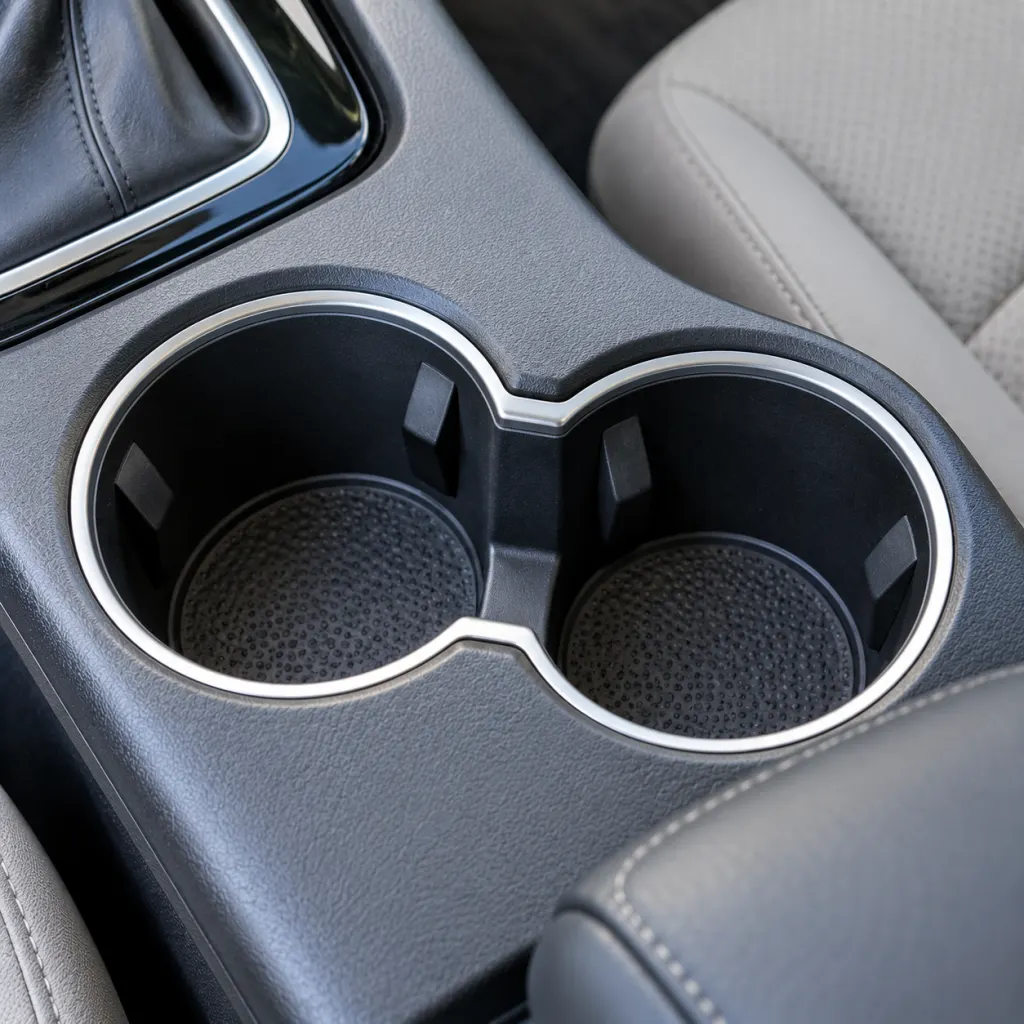
A glass of salt in a car is meant to act as a simple moisture absorber, but it is only a small helper, not a reliable cure for fogged windows or a damp cabin. Salt can take up water under humid conditions, which is why the trick sounds believable. The practical problem is scale: a car cabin holds air, wet mats, fabric, carpeting, shoes, coats, and sometimes hidden water, while a cup of salt has limited capacity and can create a mess if it spills. If you try it, use a secured breathable pouch while the vehicle is parked, and focus first on clearing the windshield, drying wet materials, using the defroster, and checking for water entry.
What The Salt Trick Is Really Trying To Do
The trick starts with a real household observation: dry salts and other drying materials can affect moisture in enclosed spaces. Drivers who try it usually want less overnight dampness, less morning fog on the inside of the windshield, and a cabin that does not feel clammy after rain or snow. In that limited sense, the idea is understandable. A small amount of dry salt has surface area exposed to cabin air, and under humid conditions it can pull in some water. Research summaries from university chemistry departments describe soluble salts as hygroscopic materials that can undergo a solid-to-liquid transition as relative humidity rises, a process called deliquescence https://experts.umn.edu/en/publications/hygroscopic-particle-behavior-studied-by-interdigitated-array-mic/.
The important word is some. A cup of table salt is not an electric dehumidifier, and it is not connected to the car's airflow. It cannot remove water trapped deep in carpet padding, stop a leaking door seal, dry a soaked floor mat, or clear glass quickly while you are preparing to drive. At best, it may slightly help in a small, parked, mildly damp space. The more useful version of the idea is not, "put a glass on the dashboard." It is, "control moisture sources, keep the windshield clear, and only use a contained absorber as a minor backup."
Why Car Windows Fog In The First Place
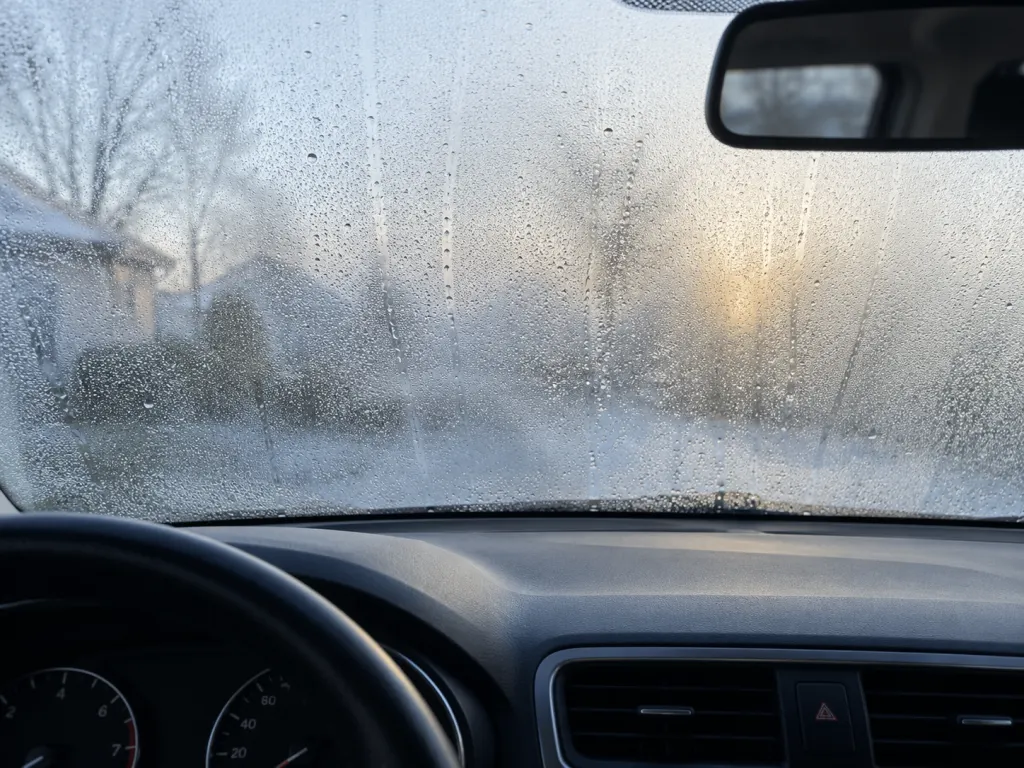
Fogged car glass is mostly a humidity and temperature problem. NOAA explains that relative humidity compares the water vapor in air with the amount that air can hold at its current temperature, and that dew point is the temperature at which water vapor condenses into liquid droplets https://www.nesdis.noaa.gov/about/k-12-education/atmosphere/what-humidity. In a car, the inside glass can be much colder than the cabin air, especially on a rainy, frosty, or winter morning. When damp cabin air touches that cold glass, tiny droplets form on the inside surface. Those droplets scatter light and make the windshield look cloudy.
This is why a car may fog even when there is no dramatic leak. People bring in water on shoes, umbrellas, coats, bags, and snow-covered floor mats. Several passengers breathing in a closed cabin add water vapor too. When the car sits overnight, damp fabric and mats can release moisture back into the air. If the glass temperature then drops below the dew point of that cabin air, condensation appears. NHTSA's winter driving guidance tells drivers to make sure defrosters and windshield wipers work before winter weather, because seeing through the glass is basic vehicle preparation https://www.nhtsa.gov/winter-driving-tips.
Where Cabin Moisture Usually Comes From
Before relying on salt, look for the source. The most effective moisture control is usually not absorbing water after the fact; it is preventing extra water from staying in the cabin. Common sources include:
- Wet rubber mats or carpet mats left in place after rain or snow.
- Water tracked in by shoes, sports gear, umbrellas, or reusable bags.
- Spilled drinks that soaked under a mat or seat.
- A blocked cabin drain, sunroof drain, or air-conditioning drain.
- A worn door, trunk, hatch, or window seal.
- Recirculation mode left on too long, trapping damp air inside.
- Dirty interior glass, which can make fog look worse and clear more slowly.
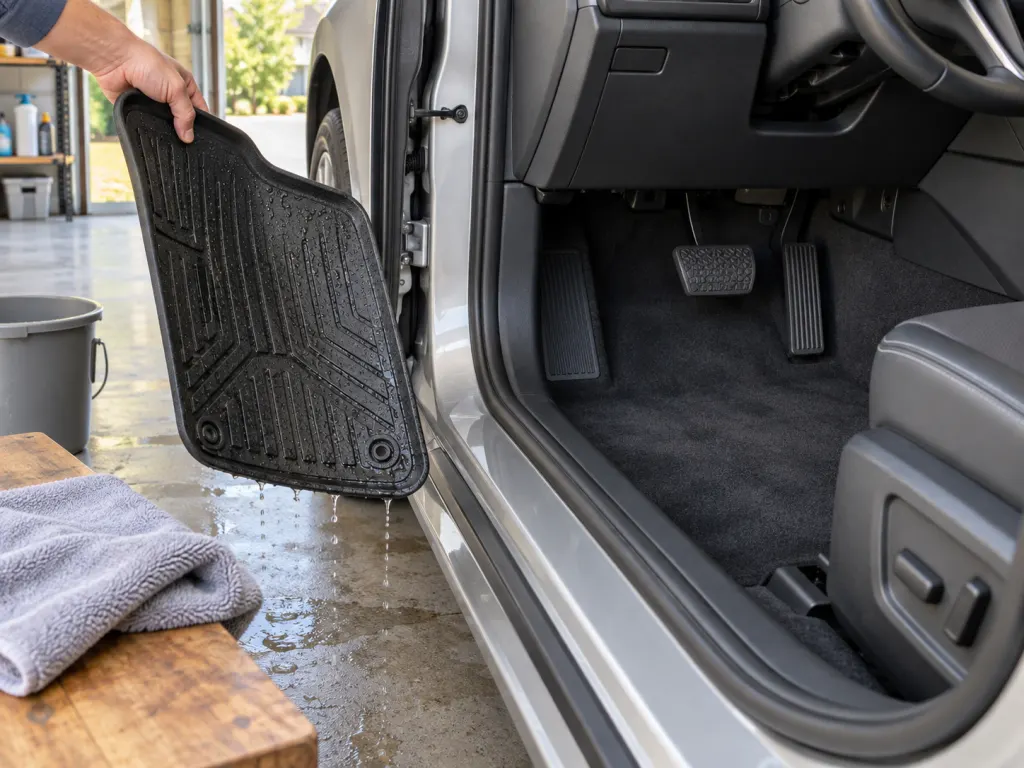
A quick inspection can save a lot of frustration. Press clean paper towels into the lowest parts of the carpet, especially under floor mats. Check the spare-tire well, door sills, trunk corners, and the area under removable cargo liners. Smell is not proof of a leak, but a persistent damp odor usually deserves a closer look. If one side of the vehicle is always wetter, or if moisture appears after a car wash or storm, a seal or drain may be the real issue. Salt will not solve that. It may simply become damp while the underlying water keeps returning.
Can Salt Absorb Enough Moisture To Matter?
Salt can interact with water, but the cabin question is not only chemistry. It is also capacity, airflow, temperature, and exposure. The University of New Hampshire's summary of research on sodium chloride aerosols notes that mixtures containing sodium chloride can take up water and move toward a liquid state under humid conditions https://scholars.unh.edu/chemistry_facpub/5/. That supports the basic idea that salt is not indifferent to humidity. Still, the research context is controlled particles, not a full vehicle cabin with wet textiles and changing temperatures.
Purpose-made moisture absorbers and desiccants are usually better suited to this job because they are packaged, sized, and designed for moisture control. The University of Illinois Preservation Self-Assessment Program explains that silica gel or similar desiccants can absorb moisture in more enclosed areas, while also emphasizing the value of monitoring temperature and relative humidity https://psap.library.illinois.edu/advanced-help/supplementary-location. That lesson carries over well to cars: a passive absorber works best in a contained space with modest moisture, not in a constantly wet environment.
How To Try The Idea More Sensibly
The viral version often says to use a glass, but an open glass is a poor choice inside a vehicle. It can tip, shatter, spill salt into upholstery, or slide into a place where it does not belong. NHTSA warns that even floor mats can interfere with accelerator or brake pedal operation if they are not properly installed, which is a useful reminder that anything loose near the driver's footwell deserves caution https://www.nhtsa.gov/winter-driving-tips. If you experiment, think like a driver first and a home-hack tester second.
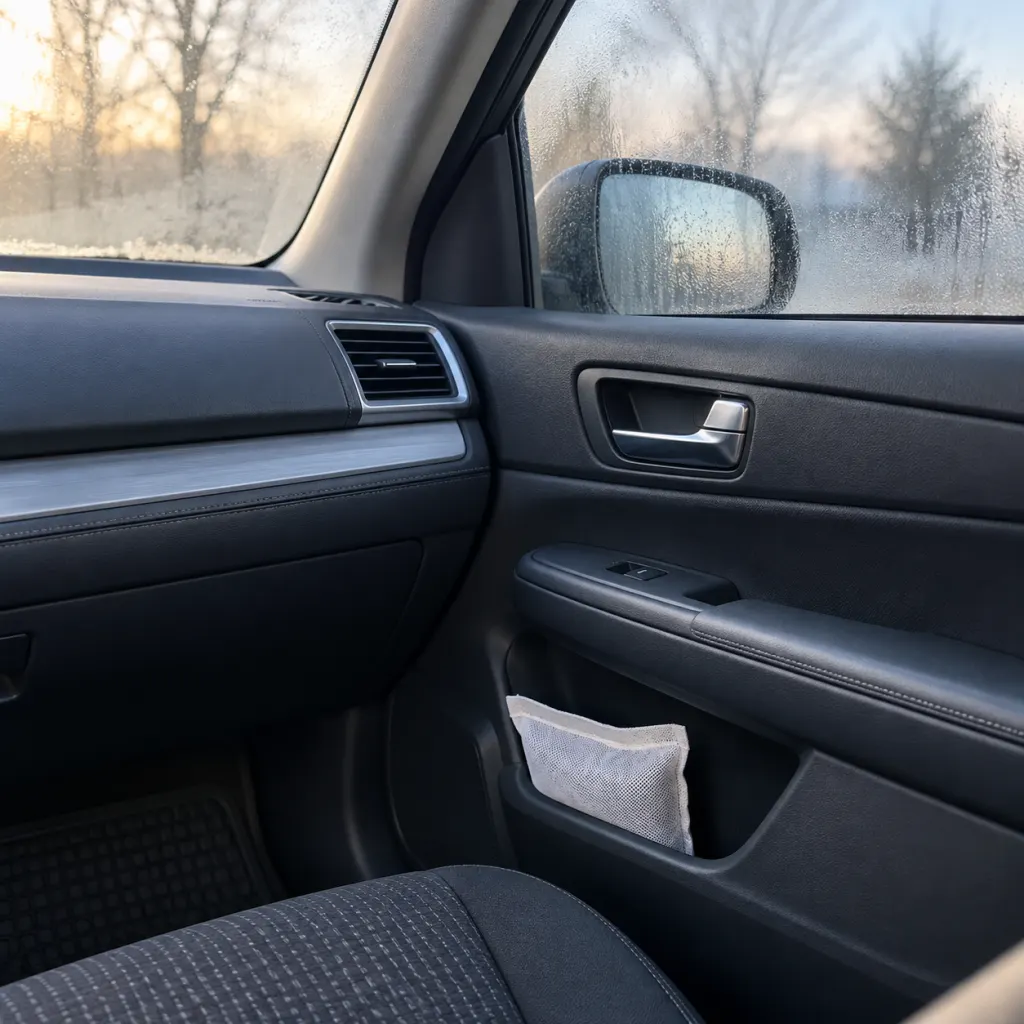
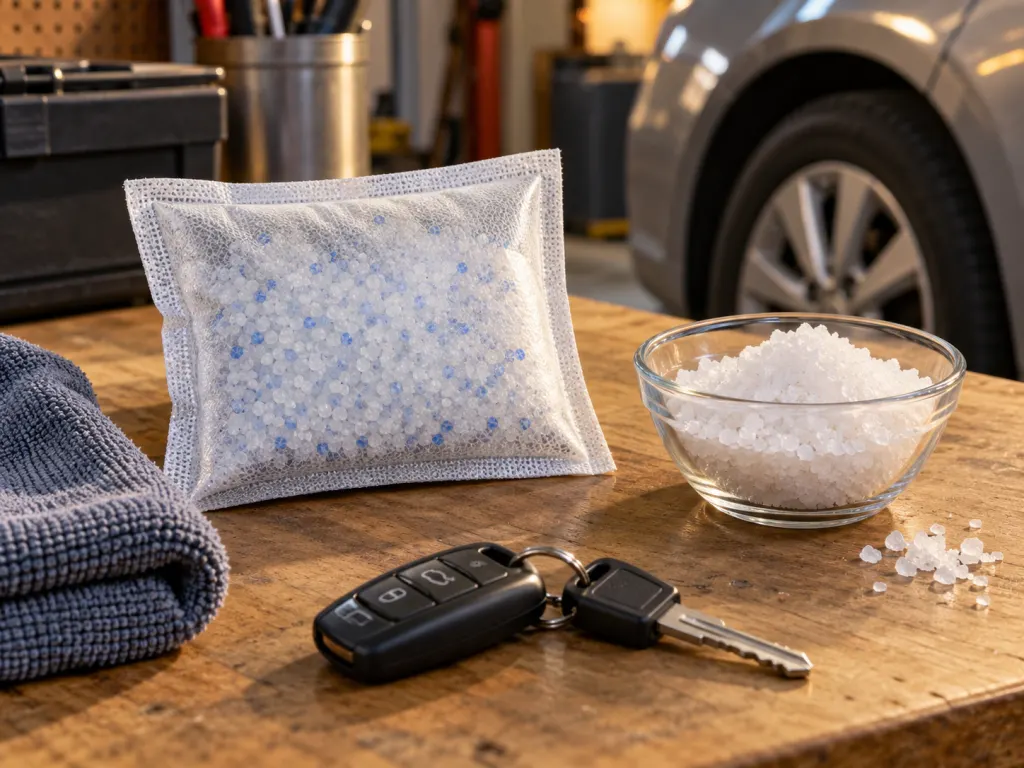
A safer setup is dry coarse salt or a commercial moisture absorber inside a breathable pouch, small tub with a secure lid and vented top, or another container that cannot spill easily. Keep it low, stable, and away from the pedals, steering column, seat rails, wiring, vents that blow directly onto it, and any airbag deployment area. Do not balance it on the dashboard, and do not leave a hard container where it could become a flying object during sudden braking. Use it mainly while parked. Check it every few days at first; if the salt clumps, turns slushy, or the container gathers liquid, remove it and clean the area.
Better Fixes For A Foggy Windshield
The fastest and most reliable answer to fogged glass is still the vehicle's own ventilation system. Use the defrost setting, bring in outside air when appropriate, and use air conditioning if your car allows it with heat, because the system can help dry the air moving across the glass. Avoid long stretches of recirculation when the cabin is damp, since it keeps the same moisture-laden air inside. Clean the inside of the windshield with an automotive glass cleaner, because film from dust, smoke, plastics, and fingerprints gives droplets more places to cling and can leave streaks when you wipe.
For prevention, shake out snow and water before getting in, remove wet mats to dry at home, and keep towels or absorbent cloths out of the cabin once they are wet. Check that the cabin air filter is not overdue if airflow seems weak. NHTSA's discussion of federal windshield defrosting and wiping standards shows that defrosting and wiping systems are treated as part of the vehicle's required visibility design, not as an optional comfort feature https://www.nhtsa.gov/interpretations/86-623. If the defroster barely moves air or the windshield never clears, that is a maintenance issue, not a salt issue.
Why Spilled Salt Can Create New Problems
Salt belongs in a container, not scattered through the cabin. The Department of Energy explains that corrosion happens at the boundary between water and metal, and that table salt dissolved in water supplies ions that can move near a metal surface and contribute to corrosion https://www.energy.gov/science/articles/new-perspective-corrosive-problem. In a vehicle, spilled salt can settle into carpet, seat tracks, fasteners, and seams. If it later becomes damp, it may be hard to remove fully.
That does not mean one contained pouch will ruin a car. It does mean the setup matters. Keep salt away from exposed metal brackets, electronics, charging ports, wiring connectors, and seat hardware. Do not place it where melting snow from shoes will soak it. If salt spills, vacuum thoroughly, wipe hard surfaces with a damp cloth, and dry the area. If it reaches carpet, repeated vacuuming after the area dries may be needed because crystals can hide in fibers. A commercial absorber in a sealed outer tub is often less messy than loose kitchen salt.
When To Skip The Salt Trick Entirely
Skip the trick if you need the windshield clear right now, if there is visible standing water, if the car has electrical faults after rain, if the cabin smells persistently damp, or if only one area is repeatedly wet. Those signs point toward a drain, seal, heater core, air-conditioning drain, or body repair problem. Also skip an open container if children or pets ride in the vehicle, if the car is used for rough roads, or if you cannot secure the container. The small possible moisture benefit is not worth a sliding object or a hard-to-clean spill.
There is another reason to stay skeptical: online car tips often turn a small physical effect into a broad promise. Salt may absorb some water under the right conditions, but condensation is a moving system. Temperature drops, passengers add moisture, fabrics release water, ventilation changes the air, and leaks can keep feeding the problem. A good fix addresses the system. That means clear glass before driving, dry materials, working airflow, and repair when water is entering from outside.
The Bottom Line For Drivers
A contained salt pouch can be a low-cost experiment for a parked car with mild dampness, but it should sit far below the real priorities. First, clear the glass before moving the vehicle. Second, use the defroster and ventilation correctly. Third, remove wet items and dry mats. Fourth, investigate repeat moisture rather than masking it. If you still want to test the trick, keep it secure, enclosed, and away from anything that affects driving or corrodes easily. The best result is modest: a slightly drier parked cabin. The worst result of a careless setup is a spill, a sliding object, or a delayed repair that was needed all along.
Wrap-Up
The salt-in-the-car trick has a sensible core but a limited role. Salt can take up moisture in humid conditions, yet a small cup cannot manage all the water that enters a real vehicle cabin. For light, occasional dampness, a secured breathable pouch may help a little while the car is parked. For heavy fogging, wet carpets, recurring odors, or weak defroster performance, the answer is maintenance: dry the interior, improve airflow, clean the glass, check mats and seals, and repair water entry. Never leave loose glass or loose salt where it can spill, slide, block pedals, or contact metal and electronics.
Frequently Asked Questions
- → Does putting salt in a car really stop windshield fog?
It may help only a little with mild parked-car dampness. Fog forms when humid cabin air meets cold glass, so the main fixes are defrosting, ventilation, dry mats, and removing the source of water. Salt is a small passive absorber, not a quick glass-clearing tool.
- → Where should I place salt if I try it?
Use a secure breathable pouch or stable vented container while the vehicle is parked. Keep it away from pedals, airbags, wiring, seat tracks, dashboard edges, and exposed metal. Do not use an open glass or place anything loose near the driver's footwell.
- → Is table salt the best material for car dampness?
Table salt is inexpensive, but it is messy if spilled and has limited capacity. A purpose-made moisture absorber or packaged desiccant is usually cleaner and easier to secure. Whatever you use, it should be checked and replaced or dried when it becomes saturated.
- → Why is my car wet inside even when the windows are closed?
Common causes include wet mats, snow from shoes, damp cargo, blocked drains, worn seals, spill residue, or water collecting in the trunk or spare-tire well. If one area is repeatedly wet after rain or washing, look for a water-entry point rather than adding more absorber.
- → Can spilled salt damage a car interior?
Yes, it can create cleanup problems and may contribute to corrosion when it mixes with moisture near metal. Vacuum spills thoroughly, wipe hard surfaces, dry the area, and avoid placing salt near metal brackets, wiring, electronics, or seat hardware.
References
This content was developed and refined using reliable sources.
- https://www.nesdis.noaa.gov/about/k-12-education/atmosphere/what-humidity
- https://www.nhtsa.gov/winter-driving-tips
- https://experts.umn.edu/en/publications/hygroscopic-particle-behavior-studied-by-interdigitated-array-mic
- https://scholars.unh.edu/chemistry_facpub/5
- https://psap.library.illinois.edu/advanced-help/supplementary-location
- https://www.energy.gov/science/articles/new-perspective-corrosive-problem
- https://www.nhtsa.gov/interpretations/86-623