 Save
If you are wondering whether high blood sugar could be behind changes you are noticing, the direct answer is this: the most common warning signs include being unusually thirsty, urinating more often, feeling very tired, having blurry vision, and losing weight without trying. Some people also notice headaches, increased hunger, slow-healing sores, frequent infections, tingling in the hands or feet, mood changes, or urgent symptoms such as nausea, vomiting, belly pain, confusion, or breathing trouble. These signs do not prove that your blood sugar is high, but they are good reasons to arrange a medical check, especially if several appear together or keep coming back.
What “high sugar” usually means
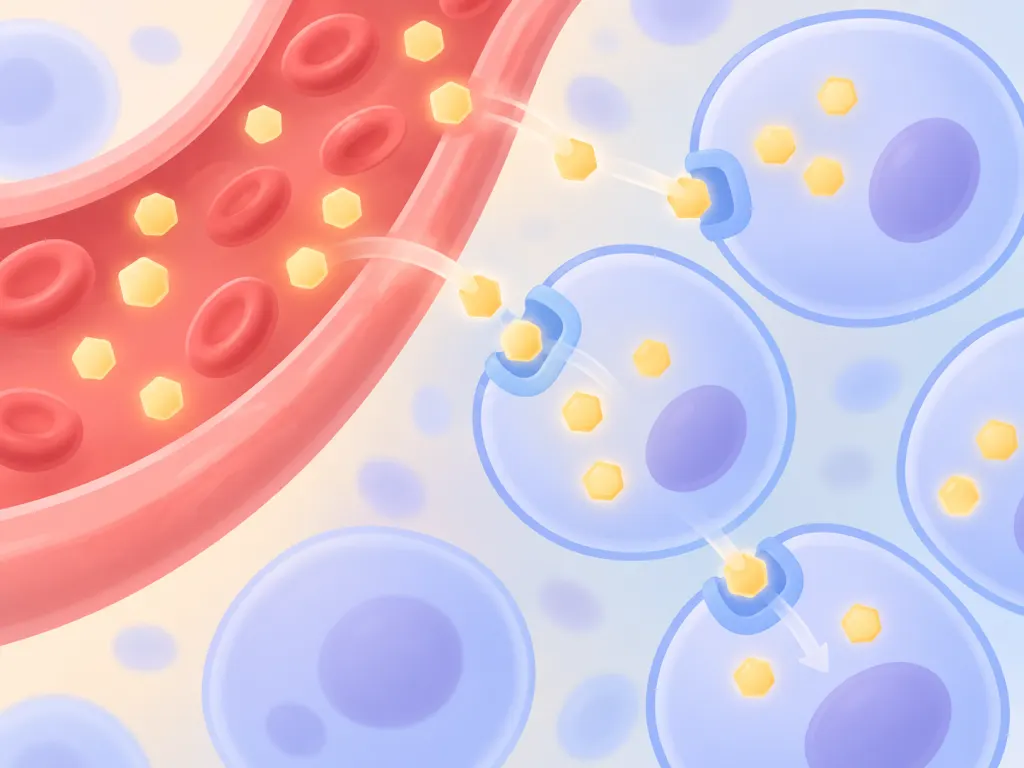
In everyday conversation, “high sugar” usually means high blood glucose, not simply eating something sweet. MedlinePlus explains that blood glucose is the main sugar in the blood and a key source of energy for the body; insulin helps move glucose from the bloodstream into cells. Hyperglycemia happens when too much glucose remains in the blood, most often in people with diabetes, though other medical situations can also affect glucose levels. MedlinePlus lists thirst, tiredness or weakness, headaches, frequent urination, and blurred vision among common symptoms.
The 12 signs worth noticing
No single symptom can tell you exactly what is happening, and some people with diabetes have few or no early symptoms. Still, a pattern of changes can be useful information to bring to a clinician. The CDC notes that type 1 and type 2 diabetes can share symptoms such as frequent urination, increased thirst and hunger, fatigue, blurry vision, unexplained weight loss, mood changes, and frequent urinary tract or yeast infections. CDC guidance also notes that symptoms may develop slowly, especially with type 2 diabetes.
- Unusual thirst: feeling thirsty more often than usual, including after drinking fluids.
- Frequent urination: needing to urinate more often, especially when paired with thirst.
- Fatigue or weakness: feeling drained in a way that is not explained by sleep, work, or activity alone.
- Blurred vision: vision that becomes hazy, fluctuates, or feels harder to focus.
- Headaches: recurring headaches that appear with other possible high-glucose symptoms.
- Increased hunger: feeling unusually hungry even after eating.
- Unexplained weight loss: losing weight without trying, especially if thirst or urination has changed too.
- Slow-healing cuts or sores: small injuries taking longer than expected to close.
- Frequent infections: repeated urinary tract, yeast, or skin infections.
- Numbness or tingling: changed sensation in the hands or feet.
- Irritability or mood changes: feeling unusually moody alongside other symptoms.
- Nausea, vomiting, belly pain, confusion, fainting, or breathing trouble: possible urgent warning signs, especially in someone with known diabetes.
Why these signs can happen
High blood glucose can affect fluid balance, energy use, and the way some tissues function. Thirst and frequent urination often appear together because the body is trying to handle extra glucose through urine. Fatigue can occur when glucose is present in the blood but not being used effectively by cells. Blurry vision may happen when fluid shifts affect the lens of the eye. Increased hunger and unexplained weight loss can occur when the body is not using glucose normally for energy. These mechanisms are simplified, but they explain why symptoms can involve many parts of daily life rather than one isolated body system.
Why symptoms alone are not enough
Several of these signs have many possible causes. A headache can come from dehydration, stress, vision strain, infection, sleep changes, or other reasons. Fatigue can be linked to anemia, thyroid disease, mood disorders, poor sleep, and many other conditions. Frequent urination can also be related to fluid intake, urinary conditions, caffeine, or other medical issues. That is why the useful takeaway is not “one symptom equals high blood sugar.” The more accurate takeaway is that a cluster of persistent symptoms deserves testing and a conversation with a qualified clinician.

When to arrange a medical check
Arrange a medical check if you notice persistent increased thirst, frequent urination, blurry vision, unexplained weight loss, repeated infections, slow-healing sores, or numbness and tingling in the hands or feet. The NIDDK lists increased urination, thirst, hunger after eating, blurred vision, fatigue, slow-healing sores, and frequent infections as common diabetes symptoms, and advises talking with a primary health care professional about symptoms and whether testing is appropriate. NIDDK also notes that people can have symptoms across different types of diabetes, while timing and severity can vary.
When symptoms need urgent help
Some symptom combinations should be treated as urgent, especially for someone who already has diabetes or has been told they may have high blood glucose. MedlinePlus describes diabetic ketoacidosis as a potentially life-threatening emergency and lists trouble breathing, nausea or vomiting, abdominal pain, confusion, and extreme tiredness or sleepiness as warning symptoms. MedlinePlus advises urgent medical help when ketones are moderate or high, or when severe symptoms appear and a ketone test is not available. If someone has fainting, confusion, trouble breathing, repeated vomiting, or severe weakness, prompt emergency care is appropriate.
How clinicians check blood sugar
A clinician does not rely only on how a person feels. Blood glucose can be checked in several ways. The American Diabetes Association explains that diabetes diagnosis may use A1C, fasting plasma glucose, oral glucose tolerance, or random plasma glucose testing, and that testing is usually performed in a health care setting. The ADA notes that classic symptoms plus one positive test may sometimes be enough for diagnosis, while many results need confirmation on another day.

What a blood glucose test can and cannot tell you
MedlinePlus explains that a blood glucose test measures the amount of glucose in a blood sample and may be used when someone has symptoms of high or low glucose levels. MedlinePlus lists increased thirst, frequent urination, blurred vision, fatigue, slow-healing sores, unexplained weight loss, and numbness or tingling in the feet or hands as symptoms that may lead to testing. A single result is useful, but context matters: timing of meals, illness, stress, pregnancy status, and existing medical conditions can all influence what a clinician does next.
How to prepare for the appointment
Before an appointment, it helps to write down what changed, when it began, and whether symptoms are getting better, worse, or staying the same. Note thirst, urination, vision changes, energy level, weight change, infections, healing problems, numbness, tingling, nausea, or belly pain. Bring a list of current medicines and supplements, any family history of diabetes, and any home glucose readings if you already use a meter or continuous glucose monitor. If symptoms are urgent, do not wait to collect a perfect log; safety comes first.
How to read symptom lists wisely
Symptom lists are useful when they help people notice patterns without jumping to conclusions. Mayo Clinic notes that diabetes symptoms can be hard to spot and that some people may have type 2 diabetes for years before diagnosis because symptoms develop slowly. Mayo Clinic lists thirst, frequent urination, tiredness, blurry vision, and unexplained weight loss as reasons to make an appointment for care. The practical approach is to treat symptoms as information: notice them, document them, and get appropriate testing rather than guessing.
What this means for everyday life
If you have one mild symptom for a day, it may have an ordinary explanation. If several symptoms persist, return, or interfere with normal routines, it is reasonable to ask for a medical review. This is especially true if thirst and urination appear together, if vision changes are new, if weight changes are unexplained, if infections keep recurring, or if numbness and tingling are new. High blood sugar is not something to confirm by feeling alone, and it is also not something to ignore when the pattern is strong. A clear test result and a clinician’s interpretation can turn vague worry into a practical next step.
Wrap-Up
High blood sugar can be quiet, gradual, or obvious depending on the person and the situation. The most useful signs to notice are thirst, frequent urination, fatigue, blurry vision, headaches, hunger changes, unexplained weight loss, slow healing, recurrent infections, numbness or tingling, mood changes, and urgent symptoms such as vomiting, belly pain, confusion, fainting, or breathing trouble. Symptoms are clues, not a diagnosis. If they persist or appear together, arrange testing with a qualified health professional.
Frequently Asked Questions
- → Can high blood sugar cause symptoms even before diabetes is diagnosed?
Yes. Some people first notice symptoms such as thirst, frequent urination, fatigue, blurry vision, or unexplained weight loss before they receive a diagnosis. Other people have few symptoms, which is why testing matters when risk factors or persistent symptoms are present.
- → Are thirst and frequent urination always from high blood sugar?
No. They can have other causes, including fluid intake, urinary conditions, caffeine, some medical issues, and other factors. When thirst and frequent urination are persistent or appear with fatigue, blurry vision, weight loss, or infections, it is sensible to ask a clinician about testing.
- → What symptoms should not wait for a routine appointment?
Confusion, fainting, trouble breathing, repeated vomiting, severe weakness, or belly pain with known or suspected high blood sugar should be treated as urgent. These symptoms can signal a serious situation, especially in someone who already has diabetes.
- → Can I tell my blood sugar level from symptoms alone?
No. Symptoms can suggest that testing is needed, but they cannot confirm a blood glucose level. A clinician may use tests such as A1C, fasting plasma glucose, oral glucose tolerance, or random plasma glucose depending on the situation.
- → What should I bring to a medical visit about possible high blood sugar?
Bring notes about symptoms, when they started, how often they happen, and what makes them better or worse. Also bring a list of medicines and supplements, relevant family history, and any home glucose readings if you already monitor glucose.
References
This content was developed and refined using reliable sources.
- https://medlineplus.gov/hyperglycemia.html
- https://www.cdc.gov/diabetes/signs-symptoms/index.html
- https://www.niddk.nih.gov/health-information/diabetes/overview/symptoms-causes
- https://medlineplus.gov/lab-tests/blood-glucose-test
- https://www.mayoclinic.org/diseases-conditions/diabetes/in-depth/diabetes-symptoms/art-20044248
- https://diabetes.org/about-diabetes/diagnosis