 Save
The honest answer is this: six vitamins can help support normal blood, nerve, and blood-vessel function, but they cannot reliably “boost” leg and foot circulation on demand. If your feet are often cold, numb, heavy, weak, or uncomfortable when walking, nutrition may be one piece of the picture, but it should not be treated as the whole explanation. Peripheral arterial disease, for example, happens when narrowed blood vessels reduce blood flow, usually to the legs, and MedlinePlus lists leg muscle discomfort with walking, weak pulses, slow-healing sores, skin color changes, and one cooler leg among possible signs https://medlineplus.gov/peripheralarterialdisease.html.
Start with the right expectation
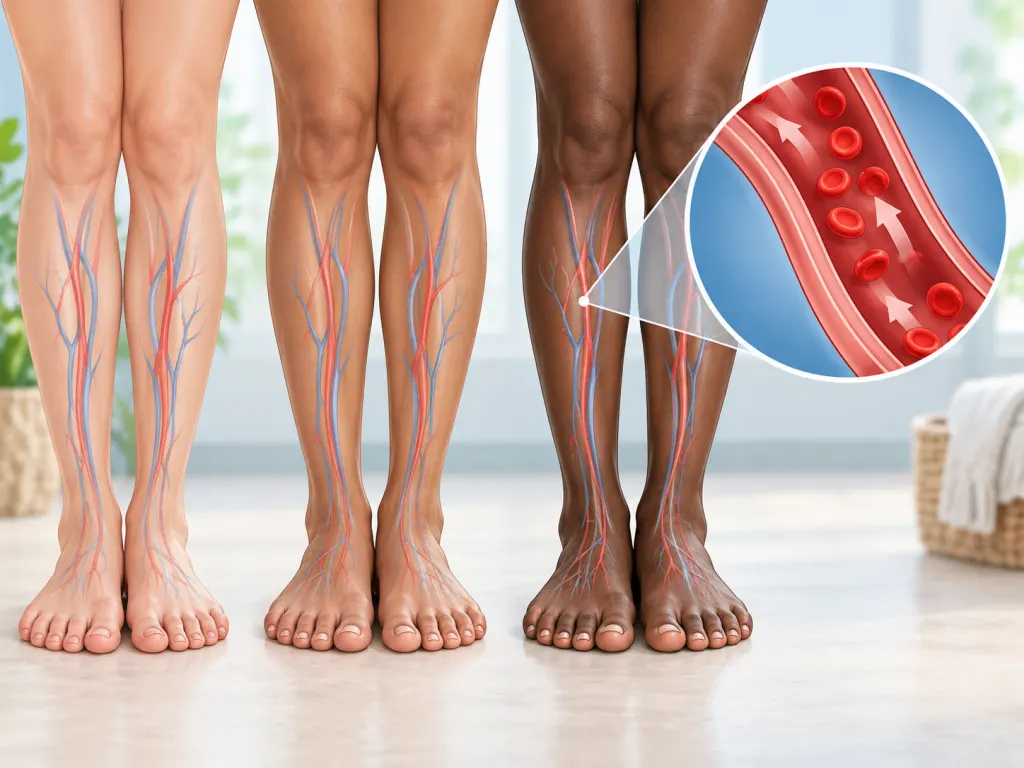
Circulation depends on the heart, blood vessels, blood cells, nerves, movement, hydration, temperature, and underlying health conditions. Vitamins matter because they help the body build and maintain tissues, use energy, protect cells, and form healthy blood cells. That is different from saying a vitamin can open narrowed arteries or quickly change blood flow in the feet. A useful way to think about vitamins is as background support: they help the body run its normal maintenance systems, but they are not a stand-in for an exam when symptoms keep returning.
The six vitamins below are relevant because each connects to a circulation-adjacent function: vessel structure, red blood cells, nerve function, antioxidant activity, or energy metabolism. Food-first choices are usually the most practical place to begin. Supplements can be appropriate for some people, but the right choice depends on age, eating pattern, lab results, health history, and medicines. That is why this article emphasizes evidence-based roles rather than dramatic promises.
1. Vitamin C: support for vessel structure and iron absorption
Vitamin C is best known for its role in collagen formation. Collagen is a protein the body uses in connective tissue, including the structural framework around blood vessels. The NIH Office of Dietary Supplements also notes that vitamin C acts as an antioxidant and helps the body absorb iron from plant-based foods https://ods.od.nih.gov/factsheets/VitaminC-Consumer/. For leg and foot concerns, the practical takeaway is not that vitamin C changes circulation immediately, but that too little vitamin C can undermine normal tissue maintenance over time.
Food sources are straightforward: citrus fruit, kiwi, strawberries, bell peppers, broccoli, tomatoes, and potatoes all contribute. Because vitamin C can be reduced by long storage and some cooking methods, mixing raw produce with lightly cooked vegetables is a simple way to keep intake steady. People who eat very few fruits and vegetables, smoke, or have limited diets may be more likely to fall short. If symptoms are focused in the legs or feet, though, vitamin C intake should be considered alongside other causes rather than used as the only explanation.
2. Niacin, or vitamin B3: energy metabolism, not a shortcut
Niacin, also called vitamin B3, helps the body turn food into usable energy and is important for cell development and function, according to the NIH Office of Dietary Supplements https://ods.od.nih.gov/factsheets/Niacin-Consumer/. Some people associate niacin with warmth or flushing, but that sensation is not the same as solving poor blood flow in the legs. A flush can feel dramatic while telling you very little about whether arteries, veins, nerves, or muscles are healthy.
Niacin is found in poultry, fish, meats, nuts, legumes, grains, and fortified foods. Most people can meet everyday needs through meals. Because high supplemental amounts can cause unwanted effects and are not a casual circulation tool, niacin is best approached as a nutrient to get consistently, not as something to push for a quick result. If leg symptoms appear during walking and improve with rest, that pattern deserves professional attention because it can fit a circulation problem rather than a simple vitamin gap.
3. Vitamin B6: red blood cells and nerve function
Vitamin B6 is involved in more than 100 enzyme reactions and helps the body use protein, carbohydrates, and fats. The NIH Office of Dietary Supplements also notes that low vitamin B6 can be linked with anemia and that very high supplemental amounts over time can harm nerves https://ods.od.nih.gov/factsheets/VitaminB6-Consumer/. That double message matters for feet: both low intake and careless high intake can be relevant to how a person feels, especially when tingling or numbness is part of the complaint.
Food sources include poultry, fish, potatoes, other starchy vegetables, fruit other than citrus, and fortified cereals. For most adults, food sources are the gentler, steadier route. If someone already takes a multivitamin, energy product, or B-complex supplement, it is worth checking labels before adding more B6. More is not automatically better, and numbness or tingling should not be guessed into a nutrition issue without a proper review.

4. Vitamin B12: blood cells, nerves, and foot sensations
Vitamin B12 helps keep blood and nerve cells healthy and helps make DNA, according to the NIH Office of Dietary Supplements https://ods.od.nih.gov/factsheets/VitaminB12-Consumer/. Low B12 can cause tiredness and weakness linked with anemia, and the same source notes that hands and feet may become numb or tingly when B12 deficiency affects nerves. This is one reason foot sensations should be described clearly to a clinician: tingling from a nerve issue is not the same thing as reduced arterial blood flow, even if both are felt in the feet.
B12 is naturally found in animal foods such as fish, meat, poultry, eggs, milk, and dairy products, while fortified foods can help people who eat little or no animal food. Older adults and people with certain stomach or intestinal issues may have trouble absorbing B12 from food. A lab check can clarify whether B12 is part of the problem. Guessing based on symptoms alone is unreliable because coldness, heaviness, numbness, and fatigue can overlap across several conditions.
5. Folate, or vitamin B9: support for red blood cell formation
Folate is a B vitamin needed for red blood cells to form and grow. MedlinePlus explains that folate-deficiency anemia involves too few healthy red blood cells because of low folate, and that red blood cells carry oxygen to body tissues https://www.medlineplus.gov/ency/article/000551.htm. This does not mean folate directly increases circulation in the legs; it means folate is part of the blood-building system that helps deliver oxygen throughout the body.
Good everyday sources include leafy greens, beans, peas, oranges, and fortified grain products. Folate is a useful example of why nutrition conversations should be specific. A person can eat a generally healthy pattern and still miss a nutrient because of food restrictions, absorption issues, alcohol use, or other factors. On the other hand, taking folic acid without knowing B12 status can complicate the picture for some people, so persistent symptoms should be reviewed with a qualified professional.
6. Vitamin E: antioxidant role, with supplement caution
Vitamin E is an antioxidant and plays a role in immune function and metabolic processes, according to MedlinePlus https://www.medlineplus.gov/vitamine.html. It is often discussed in relation to blood vessels because oxidative stress is part of many body processes, but that should not be stretched into a promise about cold feet or leg heaviness. Most people get enough vitamin E from food, and supplement decisions deserve care.
Food sources include vegetable oils, nuts, seeds, leafy greens, and some fortified cereals. MedlinePlus cautions that vitamin E supplements may be harmful for people who take blood thinners or other medicines, so this is not a nutrient to casually stack in high amounts. In a circulation-focused article, vitamin E belongs on the list as a normal dietary nutrient, not as a dramatic intervention.

How to build a circulation-supportive plate without chasing pills
A balanced meal pattern will usually do more for vitamin coverage than trying to memorize isolated nutrients. The goal is variety across the week, especially because the six vitamins above come from different food groups. A practical plate might include a protein food, a colorful fruit or vegetable, a whole grain or starchy vegetable, and a source of healthy fat. This pattern gives you a better chance of covering vitamin C, several B vitamins, and vitamin E together.
- For vitamin C: add citrus, berries, kiwi, peppers, broccoli, tomatoes, or potatoes.
- For niacin and B6: include fish, poultry, beans, potatoes, whole grains, or fortified cereals.
- For B12: use fish, meat, poultry, eggs, dairy, or fortified foods if you eat little or no animal food.
- For folate: rotate leafy greens, beans, peas, lentils, oranges, and fortified grains.
- For vitamin E: use nuts, seeds, vegetable oils, avocado, or leafy greens.
When leg and foot symptoms need attention
Nutrition is worth improving, but some symptoms should move the conversation beyond vitamins. MedlinePlus describes peripheral arterial disease as narrowed blood vessels outside the heart, often affecting the legs, and lists possible signs such as leg muscle discomfort with walking or stairs, weak or absent pulses in the legs or feet, slow-healing sores, skin color changes, and one leg feeling cooler than the other https://medlineplus.gov/peripheralarterialdisease.html. Those signs are not something to cover up with a supplement plan.
It is also important to separate circulation symptoms from nerve symptoms. Tingling, burning, numbness, balance changes, or unusual foot sensations may involve nerves, blood flow, shoes, back issues, blood sugar concerns, vitamin status, or several factors at once. Keeping a short symptom log can help: note when symptoms happen, whether walking or rest changes them, whether one side is worse, whether the skin looks different, and what medicines or supplements you use. That information is more useful than saying simply, “My circulation is bad.”
A careful bottom line
The six vitamins most relevant to a leg-and-foot circulation discussion are vitamin C, niacin, vitamin B6, vitamin B12, folate, and vitamin E. They support normal body functions connected with blood vessels, blood cells, nerves, antioxidant activity, and energy use. Still, they should be framed as nutrition support, not as a fast fix. If your symptoms are new, worsening, one-sided, linked with walking, or paired with slow-healing skin changes, the safer next step is a professional evaluation while you keep building a more varied, nutrient-rich eating pattern.
Wrap-Up
Vitamins can support the systems that make healthy circulation possible, but they do not work like an on-off switch for the legs and feet. Vitamin C supports collagen formation and iron absorption, niacin and B6 help energy-related processes, B12 and folate support blood and nerve health, and vitamin E contributes antioxidant activity. A varied diet is the best starting point, while persistent or concerning leg and foot symptoms should be discussed with a qualified health professional.
Frequently Asked Questions
- → Can vitamins instantly improve circulation in my feet?
No vitamin has reliable instant effects on leg or foot blood flow. Vitamins support normal body functions over time, especially when a person has low intake or a confirmed deficiency. Sudden or persistent symptoms need proper evaluation.
- → Which vitamin is most important for tingling feet?
There is no single answer. Vitamin B12 and B6 are both linked with nerve function, but tingling can have many causes. A qualified health professional can decide whether vitamin testing or another evaluation is appropriate.
- → Is iron one of the six vitamins for circulation?
No. Iron is a mineral, not a vitamin. It matters for oxygen transport in the blood, but this article focuses on six vitamins: C, B3, B6, B12, B9, and E.
- → Should I take a B-complex for leg heaviness?
Not automatically. A B-complex may be useful for some people, but leg heaviness can come from circulation, muscles, nerves, joints, or other causes. Review symptoms, current supplements, and medicines with a qualified health professional.
- → What food pattern covers these vitamins best?
A varied pattern with fruits, vegetables, beans, whole grains, nuts, seeds, dairy or fortified foods, eggs, fish, poultry, or other protein foods can cover these nutrients for many people. People with restricted diets may need more individualized guidance.
References
This content was developed and refined using reliable sources.
- https://medlineplus.gov/peripheralarterialdisease.html
- https://ods.od.nih.gov/factsheets/VitaminC-Consumer
- https://ods.od.nih.gov/factsheets/Niacin-Consumer
- https://ods.od.nih.gov/factsheets/VitaminB6-Consumer
- https://ods.od.nih.gov/factsheets/VitaminB12-Consumer
- https://www.medlineplus.gov/ency/article/000551.htm
- https://www.medlineplus.gov/vitamine.html