 Save
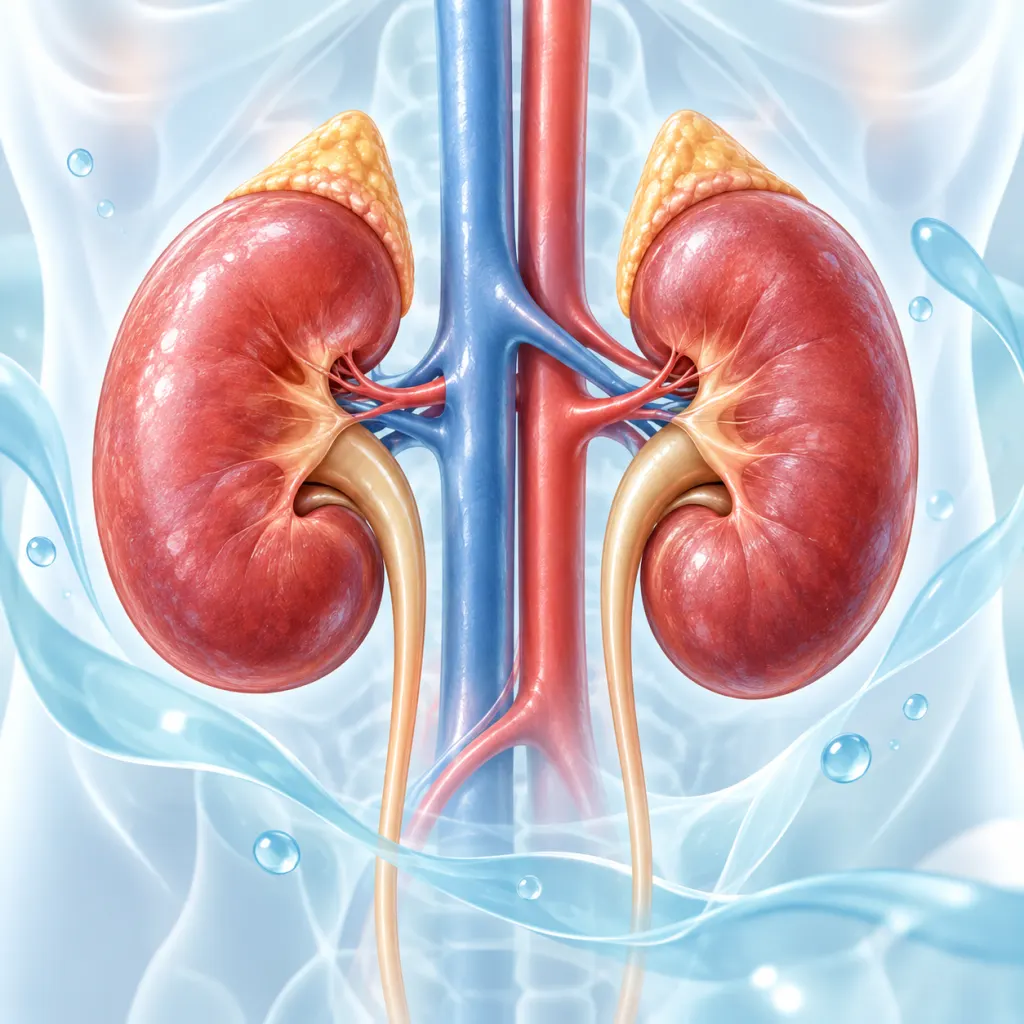
The direct answer: avoid starting the morning with a salty processed breakfast, heavy caffeine or energy drinks before a blood pressure check, a rushed or poorly positioned reading, skipped prescribed medicines, and a reactive phone-first routine that crowds out the basics. These habits matter because blood pressure and cholesterol care depends on repeated patterns, accurate measurements, and a plan made with your health professional. The National Heart, Lung, and Blood Institute notes that high blood pressure and high blood cholesterol are major heart-health risk factors and that clinicians use both measurements to guide care NHLBI.
Why mornings deserve attention
Mornings are not magic, and one breakfast or one cup of coffee does not define your health. Still, mornings are when many people take medicines, check blood pressure, drink caffeine, choose the first meal, and decide whether the day begins calmly or in a scramble. A useful morning routine is less about strict rules and more about removing the choices that make care harder. If your clinician has asked you to monitor at home, the Centers for Disease Control and Prevention says self-measured blood pressure monitoring means using a personal device away from a clinical setting, ideally with guidance from your health care team CDC.
It also helps to separate two ideas that often get blurred. Cholesterol usually reflects longer patterns in eating, activity, genetics, age, and medicines. Blood pressure readings can vary from moment to moment depending on posture, recent caffeine, stress, activity, tobacco, and whether you rested first. So the morning question is not, "What single habit changes everything?" The better question is, "Which habits make my routine more consistent, my meals more heart-aware, and my readings more reliable?"
Habit 1: Building breakfast around processed salty foods
A common morning trap is grabbing convenience foods that are salty, rich in saturated fat, or both: breakfast sandwiches, cured meats, packaged pastries, instant seasoned potatoes, and some frozen meals. The issue is not that every packaged food is off limits. The issue is letting processed items become the automatic default before you have looked at sodium, saturated fat, serving size, and what else is on the plate. NHLBI heart-healthy eating guidance emphasizes vegetables, fruits, whole grains, low-fat or fat-free dairy, lean proteins, legumes, nuts, seeds, and unsaturated oils while limiting sodium, saturated fat, added sugars, and alcohol NHLBI food guidance.
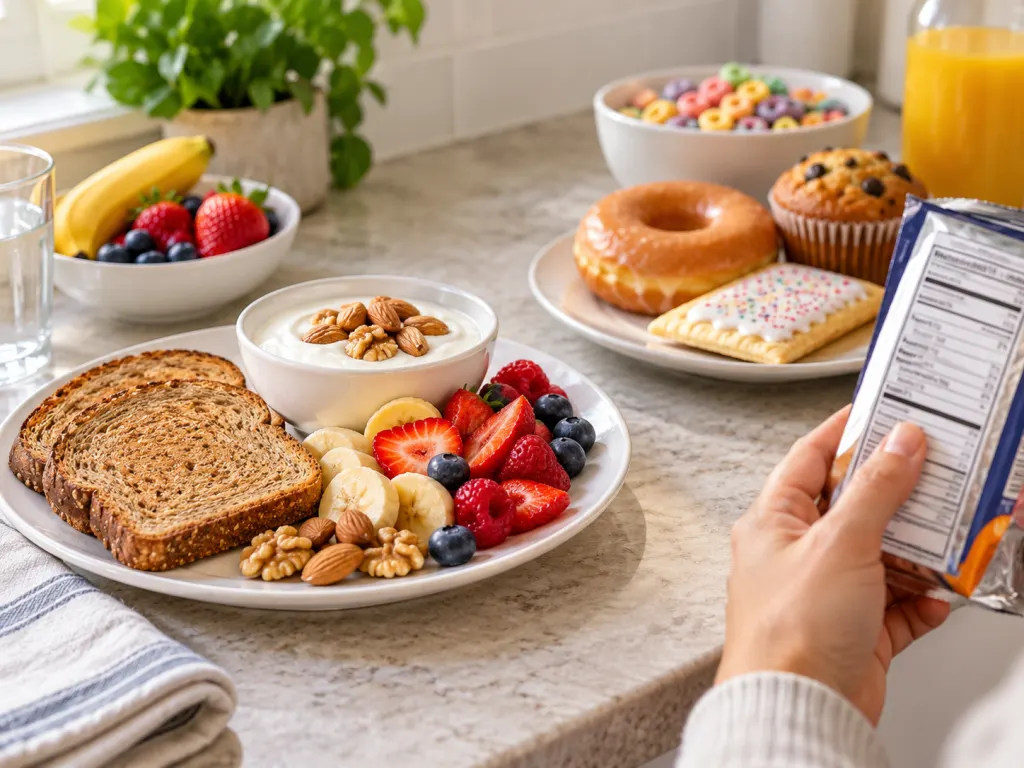
A more useful breakfast check is practical and specific. Look for what the food contributes, not just what the package claims. A bowl of plain oatmeal with fruit and nuts, yogurt with berries, whole-grain toast with avocado, or eggs with vegetables can fit many heart-aware routines, depending on your personal plan. A drive-through sandwich can still happen sometimes, but it should not be the unexamined standard if your clinician has asked you to pay close attention to sodium and saturated fat.
How to read the breakfast choice quickly
Use the label and the whole plate together. A food can look small and still carry a large amount of sodium. Another food can be unsweetened but high in saturated fat. A simple morning scan can keep the decision from becoming exhausting:
- Check serving size first. If the package contains two servings, double the numbers you will actually eat.
- Compare sodium between similar foods. Choose the option with less sodium when the foods serve the same purpose.
- Look at saturated fat. Breakfast meats, butter-heavy baked goods, full-fat dairy, and coconut or palm oils are common places it appears.
- Add rather than only subtract. Fruit, vegetables, beans, whole grains, nuts, and seeds can make breakfast more filling without making the meal complicated.
- Watch sweet drinks. Sweetened coffee drinks, juices with added sugars, and energy drinks can turn a small breakfast into a much heavier morning routine.
The CDC identifies eating patterns high in sodium and low in potassium as a blood-pressure risk factor, and notes that much sodium comes from processed and restaurant foods CDC risk factors. That makes the first meal a good place to practice repeatable choices: compare labels, keep simple staples available, and save the saltier breakfast for occasions when it is intentional rather than automatic.
Habit 2: Using caffeine as the first decision of the day
Coffee is not automatically a problem for every person with high blood pressure or cholesterol concerns. The American Heart Association described a 2026 scientific statement noting that for many adults, moderate caffeinated coffee without added sugars or fillers can fit into an overall pattern, while high-dose caffeine products such as energy drinks deserve caution American Heart Association. The practical morning habit to avoid is not necessarily coffee itself. It is using caffeine before you know what your own plan allows, before a home reading, or in the form of large sweetened drinks and energy shots.
There is another cholesterol-related detail that often surprises people: brewing style can matter. The American Heart Association notes that cafestol is found in unfiltered coffee such as French press, Turkish coffee, boiled coffee, and espresso, while paper-filtered and instant coffee are different in that respect American Heart Association. If you drink coffee daily and are working on cholesterol care with a clinician, it is reasonable to ask whether your usual coffee style belongs in that conversation.
Habit 3: Taking a home reading at the wrong moment
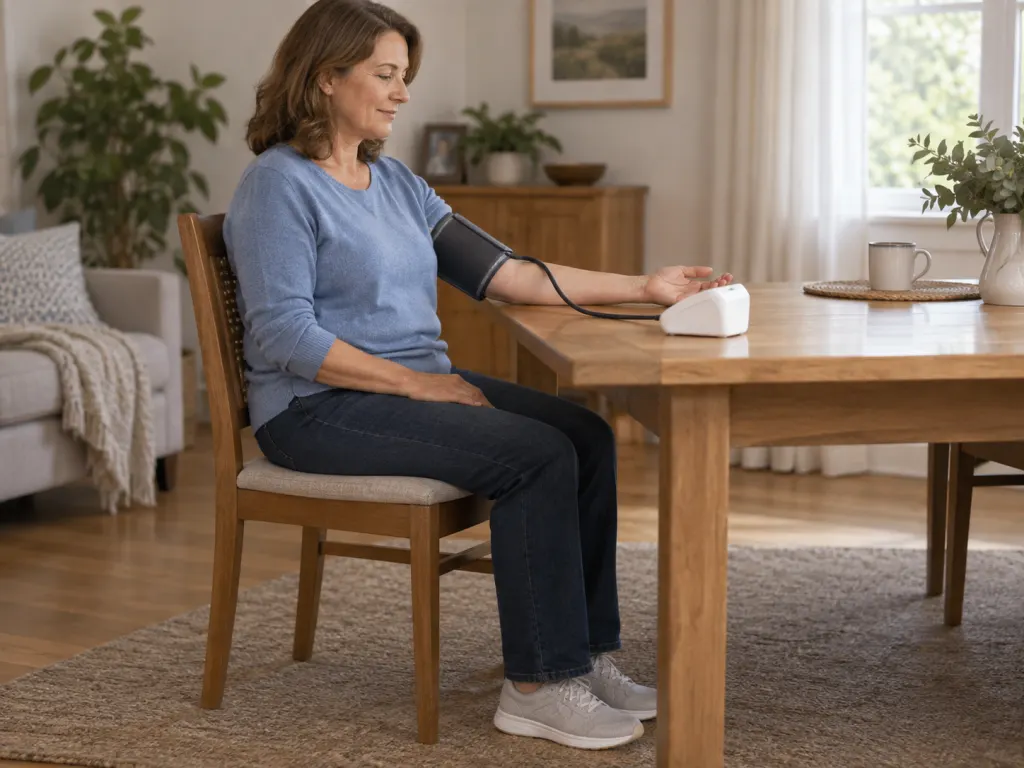
If you monitor blood pressure at home, the timing and setup matter. The CDC says caffeine, alcohol, tobacco, exercise, nervousness, crossed legs, and unsupported arm position can affect a reading; it recommends sitting with back supported, feet flat, arm at chest height, cuff on bare skin, and no talking during measurement CDC. MedlinePlus similarly says to avoid exercise, alcohol, tobacco products, and caffeine-containing foods or drinks for at least 30 minutes before a blood pressure measurement MedlinePlus.
The avoidable habit is checking while rushing from the shower, standing in the kitchen, talking, scrolling, or sitting with the cuff over clothing. A misleading reading can create unnecessary worry or hide a pattern your clinician needs to see. Keep the monitor, cuff, and log in one place. Use the same chair when possible. Rest quietly first. If your care team gave you a specific schedule, follow that schedule rather than inventing a new one from an internet article.
Habit 4: Letting the phone set the emotional pace
The phone habit is not about blaming technology for blood pressure or cholesterol. It is about noticing what happens when the first ten minutes of the day go to alerts, conflict, work messages, or news before water, breakfast, medication routines, or a quiet measurement. NHLBI describes stress management, sleep, physical activity, food choices, and regular checks as parts of heart-healthy living NHLBI. A phone-first morning can crowd out those ordinary steps, especially if it turns into a rushed loop.
A better boundary is modest: keep the phone out of reach until after the bathroom, any prescribed morning care steps, and breakfast planning. If you use the phone for reminders or logging readings, open that tool directly rather than starting with messages or social feeds. The point is to make the phone serve the routine, not replace it.
Habit 5: Skipping prescribed morning steps
One of the most important habits to avoid is changing, delaying, doubling, or skipping prescribed medicines because the morning got busy or because yesterday's choices felt good. NHLBI says people with high blood pressure or unhealthy cholesterol levels should work with their provider on lifestyle changes and, when prescribed, medicines NHLBI. MedlinePlus also notes that cholesterol care may include lifestyle changes and medicines, depending on the person MedlinePlus.
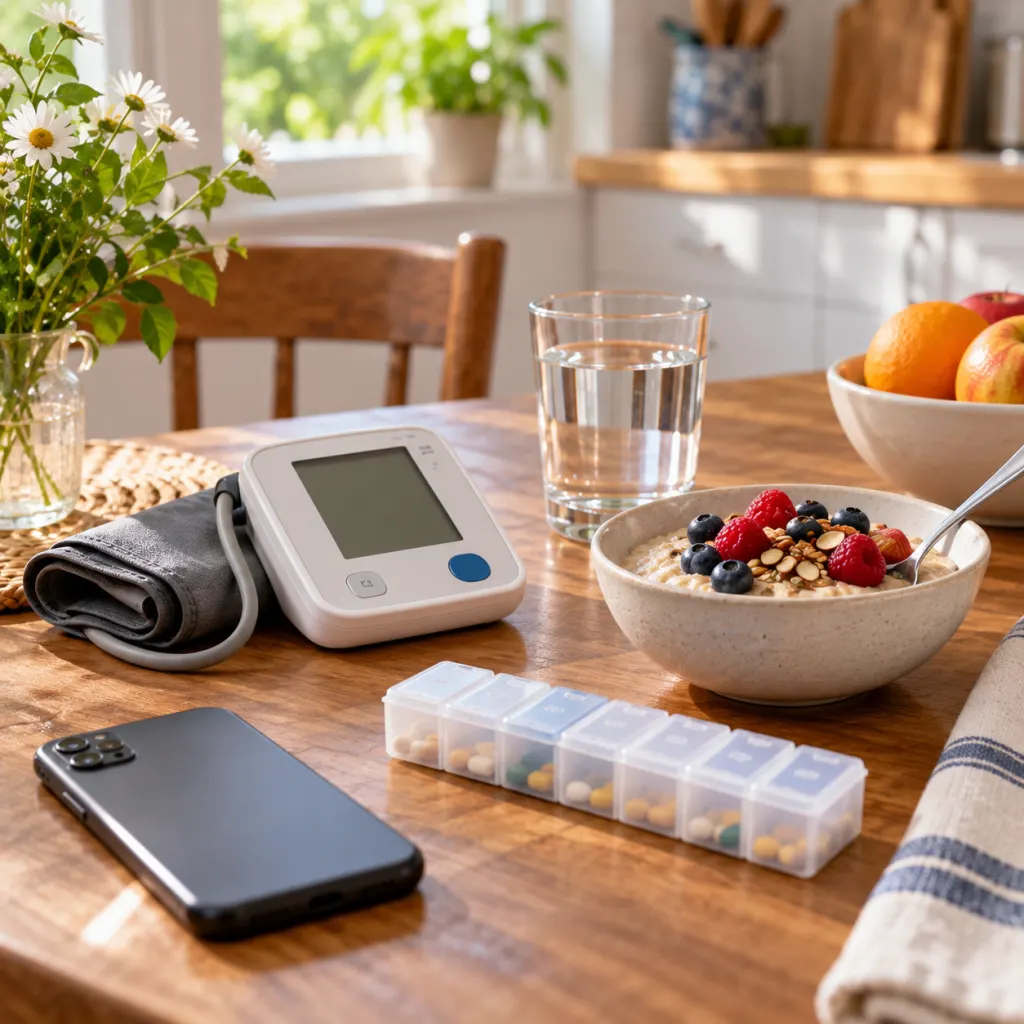
The safest practical move is boring and effective: use a pill organizer if your clinician says it fits your medicines, keep medicines where they belong, set a reminder, and ask your pharmacist what to do if you miss a dose rather than guessing. If a medicine causes side effects, the next step is a care conversation, not a private experiment. Morning routines should support your plan, not rewrite it.
A calmer morning template
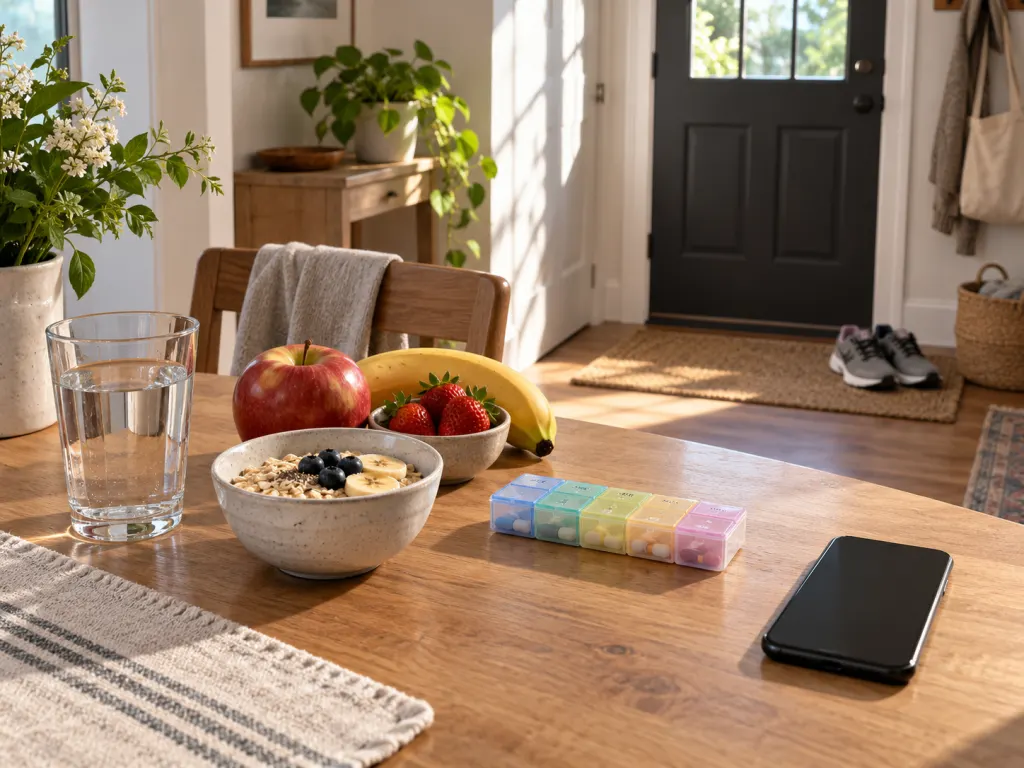
Here is a simple template to discuss with your clinician and adapt to your household: wake up, use the bathroom, avoid caffeine and tobacco before any planned blood pressure reading, sit quietly with feet flat and arm supported, record readings as instructed, take prescribed medicines as directed, eat a breakfast built around whole foods, and then start the phone-and-coffee part of the day. The DASH eating plan is one evidence-based pattern that NHLBI describes as part of a heart-healthy lifestyle, along with activity, weight awareness, limiting alcohol, stress management, smoking cessation, and adequate sleep NHLBI DASH.
That template can be adapted. A shift worker's "morning" may happen at 3 p.m. A caregiver may need to pack breakfast the night before. Someone who gets anxious around readings may need a clinician-approved schedule that prevents repeated checking. The goal is a dependable rhythm, not a rigid script.
When to ask for help quickly
Seek urgent medical help for emergency symptoms such as chest pain, shortness of breath, weakness or numbness, trouble speaking, vision changes, or severe symptoms that feel sudden or alarming. MedlinePlus says to seek immediate medical attention or call 911 if blood pressure is over 180/120 mmHg with symptoms such as chest pain, shortness of breath, back pain, numbness or weakness, trouble speaking, or vision changes MedlinePlus. For nonurgent questions, bring your home log, medication list, breakfast patterns, caffeine habits, and questions to your next appointment.
What to remember
The morning habits worth rethinking are the ones that make your day less consistent: salty processed breakfasts, high-saturated-fat defaults, caffeine before a planned reading, energy drinks used as a shortcut, rushed measuring, phone-first stress, and missed prescribed steps. Replace them with a short routine you can actually repeat. Good mornings for blood pressure and cholesterol care are usually plain, practical, and easy to document.
Wrap-Up
For people managing high blood pressure and cholesterol, the most useful morning changes are practical: avoid making processed salty foods the default breakfast, be thoughtful about caffeine and energy drinks, measure blood pressure only after proper rest and setup, and keep prescribed care steps consistent. Use food labels, keep simple breakfast staples ready, and ask your clinician how often to measure, when to take medicines, and whether your caffeine routine fits your personal care plan.
Frequently Asked Questions
- → Should I check my blood pressure before or after coffee?
If your clinician has asked you to check at home, ask for a personal schedule. General measurement guidance from the CDC and MedlinePlus says caffeine can affect a reading, and MedlinePlus advises avoiding caffeine-containing foods or drinks for at least 30 minutes before measurement.
- → Is coffee off limits if I have high blood pressure and cholesterol?
Not automatically. The American Heart Association describes caffeine research as nuanced and notes that high-dose caffeine products such as energy drinks deserve caution. Your usual amount, symptoms, medicines, and coffee style are good topics for your health care team.
- → What is a better quick breakfast than a processed sandwich?
Consider simple options built from whole grains, fruit, vegetables, low-fat or fat-free dairy, eggs, legumes, nuts, seeds, or unsaturated oils, depending on your personal plan. The key is to compare sodium, saturated fat, added sugars, and serving size rather than trusting the front of the package.
- → Do I need to measure my blood pressure every morning?
Not everyone does. The CDC says people with high blood pressure may need measurements more often than others, but your health care team should tell you how often and when to measure. If you do monitor, record readings consistently and bring the log to appointments.
- → What if my morning routine is chaotic because of work or caregiving?
Make the routine smaller rather than more complicated. Keep the monitor, cuff, log, and medicines in reliable places; prepare breakfast basics ahead when possible; and ask your clinician which steps matter most for your situation.
References
This content was developed and refined using reliable sources.
- https://www.nhlbi.nih.gov/health/heart-healthy-living/blood-pressure
- https://www.nhlbi.nih.gov/health/heart-healthy-living/healthy-foods
- https://www.cdc.gov/high-blood-pressure/risk-factors
- https://cdc.gov/high-blood-pressure/measure/index.html
- https://medlineplus.gov/lab-tests/measuring-blood-pressure
- https://www.heart.org/en/news/2026/07/29/is-coffee-bad-for-your-heart-heres-the-latest-science
- https://www.medlineplus.gov/howtolowercholesterol.html
- https://www.nhlbi.nih.gov/health/dash/living-with-dash
- https://www.nhlbi.nih.gov/health/heart-healthy-living