 Save
The most useful at-home approach to peripheral neuropathy is not a single cure; it is a steady routine that protects sensation-impaired feet and hands, keeps movement safe, and helps you notice changes early. Peripheral nerve disorders happen when nerves outside the brain and spinal cord are damaged or do not work properly, and symptoms can include tingling, numbness, pain, weakness, balance problems, or altered sensitivity to heat and cold, according to MedlinePlus: https://medlineplus.gov/peripheralnervedisorders.html. Because causes range from diabetes and vitamin imbalance to pressure injuries, alcohol use disorder, infections, autoimmune disease, kidney disease, and medication side effects, new or worsening symptoms deserve a medical review rather than guesswork.
Start With The Cause, Then Build A Home Routine
Peripheral neuropathy is a broad description, not a single diagnosis. That distinction matters because the right care plan depends on why the nerve problem is happening, which nerves are affected, and whether the symptoms are changing. MedlinePlus notes that evaluation may include a medical history, physical exam, blood tests, nerve tests, imaging, or tissue testing when needed: https://medlineplus.gov/peripheralnervedisorders.html. Mayo Clinic similarly describes blood tests, neurological exams, nerve function testing, skin biopsy, and imaging as possible parts of diagnosis: https://www.mayoclinic.org/diseases-conditions/peripheral-neuropathy/diagnosis-treatment/drc-20352067.
At home, the goal is narrower and more practical: reduce avoidable strain, prevent unnoticed injuries, maintain strength where possible, and collect useful information for appointments. The six habits below are best understood as supportive routines. They are not a substitute for testing, prescribed care, or urgent attention when symptoms change quickly.

1. Choose Gentle Movement You Can Repeat
Regular activity can support balance, strength, circulation, mood, sleep, and blood glucose management, all of which may matter in daily neuropathy care. Mayo Clinic lists exercise among lifestyle steps for peripheral neuropathy and gives examples such as walking, yoga, tai chi, and pool-based exercise for people whose feet are painful: https://www.mayoclinic.org/diseases-conditions/peripheral-neuropathy/diagnosis-treatment/drc-20352067. The key word is gentle. A useful routine is one you can do consistently without increasing falls, foot irritation, or next-day setbacks.
Good options to ask about include short indoor walks on even flooring, stationary cycling, chair exercises, water walking, light resistance bands, balance practice near a stable surface, or supervised physical therapy exercises. If neuropathy affects the feet, inspect skin before and after activity, wear well-fitting shoes, and avoid pushing through numbness or new pain. The American Diabetes Association cautions that some high-impact or prolonged weight-bearing activities may be risky for people with peripheral neuropathy, especially when there is a foot injury, open sore, or ulcer, and it recommends appropriate footwear and daily foot checks: https://diabetes.org/health-wellness/fitness/exercising-diabetes-complications.
2. Make Foot And Hand Checks A Daily Habit
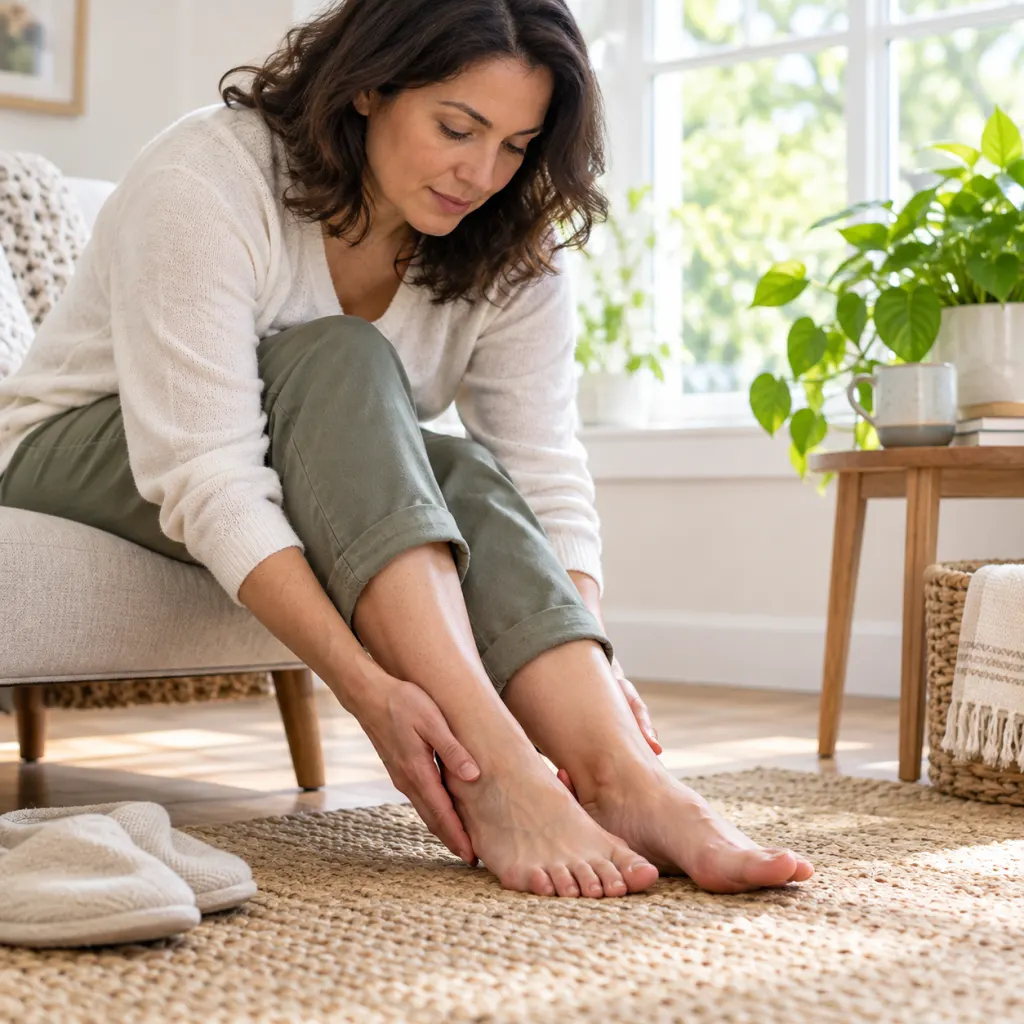
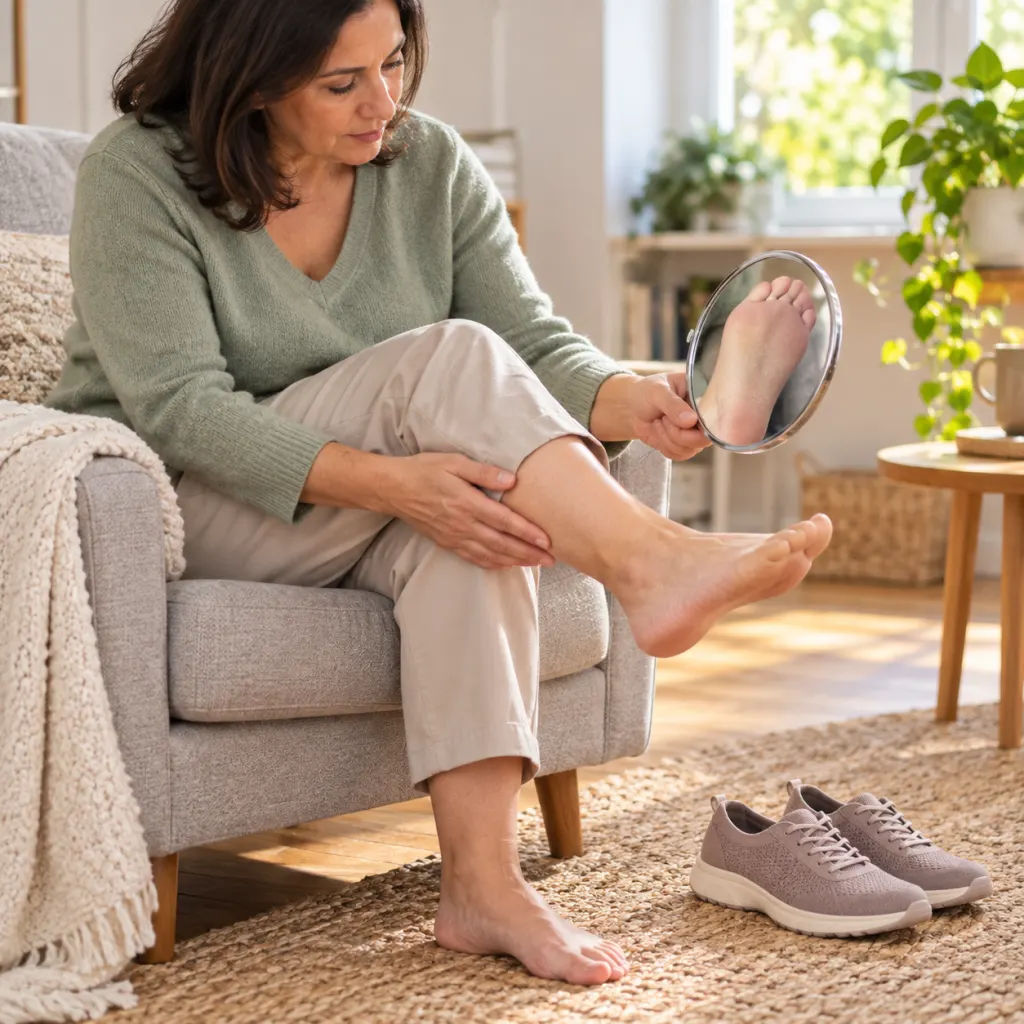
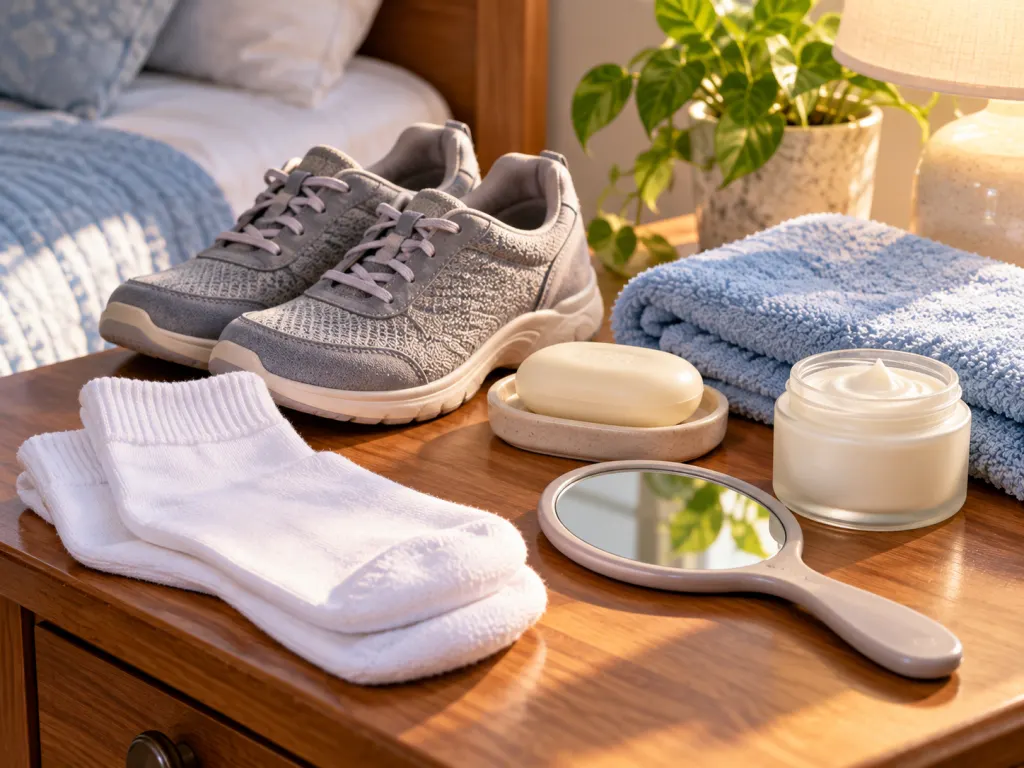
When sensation is reduced, a blister, burn, splinter, tight shoe mark, or small cut may not announce itself clearly. That is why daily inspection is one of the most practical at-home habits, especially for people with diabetes-related neuropathy. The American Diabetes Association advises checking feet every day and using a mirror or help from another person if the bottoms of the feet are hard to see: https://diabetes.org/about-diabetes/complications/neuropathy/steps-prevent-or-delay-nerve-damage. Mayo Clinic also emphasizes daily checks for blisters, cuts, and calluses, along with soft socks and padded shoes: https://www.mayoclinic.org/diseases-conditions/peripheral-neuropathy/diagnosis-treatment/drc-20352067.
A simple evening check can include:
- Look at the soles, heels, between toes, toenails, palms, and fingertips.
- Notice redness, swelling, cracked skin, blisters, drainage, bruises, or a shoe rub mark.
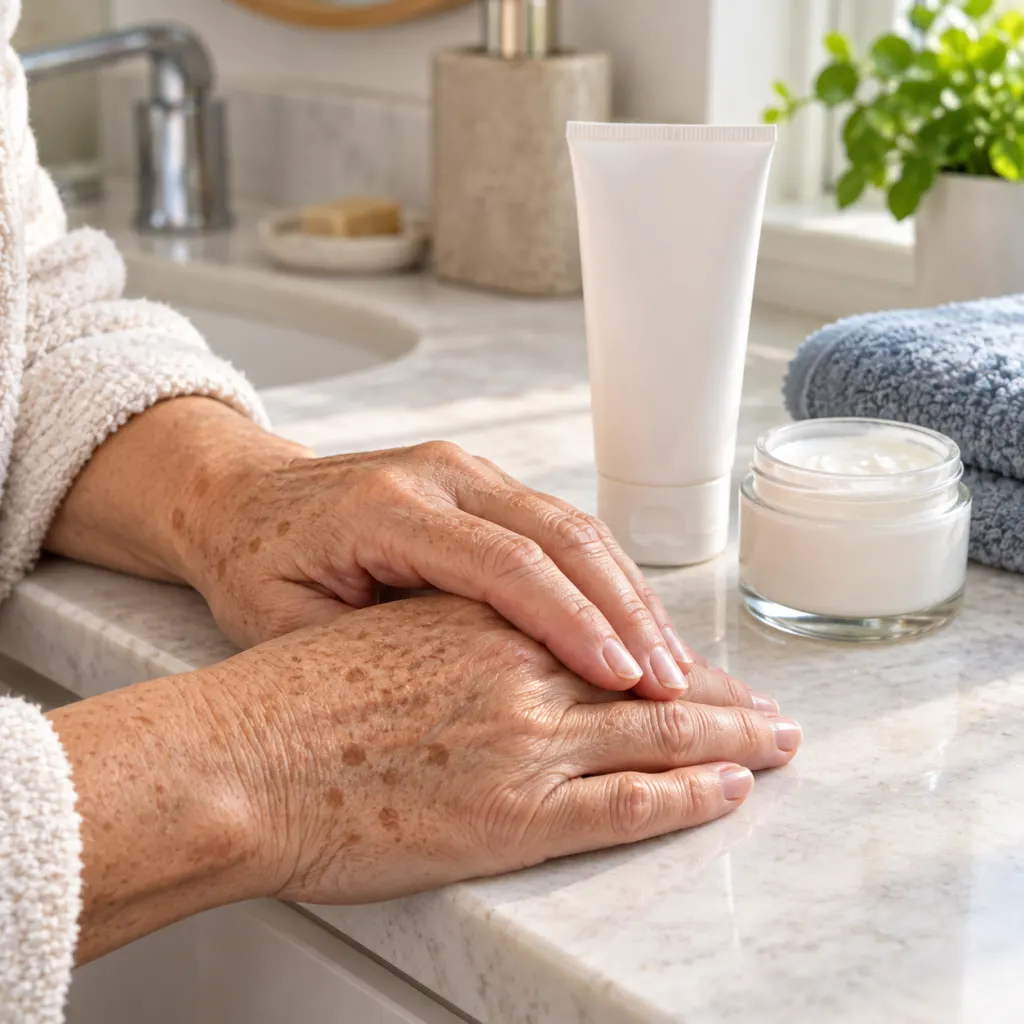
- Wash with comfortably warm water, dry carefully, and keep skin moisturized while avoiding excess moisture between toes.
- Wear clean socks and shoes or slippers that protect the foot indoors and outdoors.
- Call a clinician promptly for wounds that are not improving, spreading redness, drainage, fever, or sudden changes in feeling or strength.
3. Protect Against Heat, Cold, Pressure, And Falls
Peripheral neuropathy can change how the body senses heat, cold, pressure, and pain. That makes ordinary household choices more important. Check bathwater with an area of skin that has normal sensation or use a bath thermometer rather than relying on numb toes or fingers. Avoid heating pads, hot water bottles, and very cold packs directly on areas with reduced feeling. Wear shoes on hot pavement, at the beach, in the garage, and around the kitchen, where a dropped utensil or sharp crumb can cause an injury before you notice it.
Balance deserves the same attention. MedlinePlus lists trouble walking and balance problems among possible peripheral nerve disorder symptoms: https://medlineplus.gov/peripheralnervedisorders.html. Keep walkways bright and uncluttered, secure loose rugs, use night-lights between the bed and bathroom, and place frequently used items where they do not require climbing. If you feel unsteady, a cane, walker, brace, or physical therapy plan should be fitted and taught by a qualified professional rather than improvised at home.
4. Build Meals Around Steady, Adequate Nutrition
Nutrition is not a stand-alone answer for peripheral neuropathy, but it can support general health and may help identify correctable problems. MedlinePlus lists vitamin imbalances, especially vitamin B12 deficiency, among possible contributors to peripheral nerve disorders: https://medlineplus.gov/peripheralnervedisorders.html. Mayo Clinic advises meals that include fruits, vegetables, whole grains, and lean protein, and notes the importance of getting needed vitamins and minerals: https://www.mayoclinic.org/diseases-conditions/peripheral-neuropathy/diagnosis-treatment/drc-20352067.
A practical food routine can be ordinary: regular meals, enough protein, high-fiber carbohydrates if they fit your health plan, and hydration that matches your clinician's advice. If you follow a vegan or vegetarian diet, use acid-reducing medicines, have had gastrointestinal surgery, drink heavily, or have unexplained anemia or fatigue, ask whether blood testing for nutrient levels is appropriate. Do not start high-dose supplements on your own; some nutrients can be harmful in excess, and your own lab results and health history matter.
5. Reduce Nerve Stressors You Can Control
Some exposures and habits can make nerve and foot problems more likely or harder to manage. MedlinePlus lists smoking, alcohol use disorder, toxic substances, and repeated motions or body positions that press on nerves among factors connected with peripheral nerve disorders or their prevention: https://medlineplus.gov/peripheralnervedisorders.html. Mayo Clinic also advises quitting smoking and avoiding excessive alcohol for people managing peripheral neuropathy: https://www.mayoclinic.org/diseases-conditions/peripheral-neuropathy/diagnosis-treatment/drc-20352067.
At home, this may mean setting up work surfaces so wrists and elbows are not compressed, taking breaks from repeated gripping or vibration tools, wearing protective gloves when appropriate, and avoiding chemical exposures unless you have proper ventilation and equipment. If alcohol reduction or smoking cessation feels difficult, that is a reason to ask for structured help rather than treating it as a willpower test. A care team can suggest supports that fit your medical history and daily life.

6. Track Patterns So Care Visits Are More Useful
A symptom journal will not diagnose neuropathy, but it can make a short appointment much more productive. Track where symptoms occur, whether they are numb, burning, stabbing, tingling, weak, or balance-related, and whether they are worse at night, during walking, after certain shoes, after alcohol, after long sitting, or with changes in blood glucose if you monitor it. Cleveland Clinic describes neuropathic pain as pain that can be difficult to manage and notes the value of combining rehabilitation with emotional, social, and mental well-being support: https://my.clevelandclinic.org/health/diseases/15833-neuropathic-pain.
Bring the journal, a current medication and supplement list, and photos of recurring skin changes if they are hard to show in the clinic. Include falls, near falls, sleep disruption, and activities you have stopped doing. These details help your clinician decide whether the next step is lab work, nerve testing, footwear assessment, physical therapy, occupational therapy, mental health support, or adjustment of an existing plan.
When At-Home Care Is Not Enough
Seek prompt medical advice for new tingling, numbness, weakness, burning pain, balance problems, or symptoms that spread quickly. Mayo Clinic advises medical care right away for tingling, weakness, or pain in the hands or feet, because early evaluation gives the best chance of managing symptoms and limiting further nerve problems: https://www.mayoclinic.org/diseases-conditions/peripheral-neuropathy/symptoms-causes/syc-20352061. For people with diabetes, the National Institute of Diabetes and Digestive and Kidney Diseases says foot care is especially important with peripheral neuropathy and recommends regular foot exams, more often when foot problems are present: https://www.niddk.nih.gov/health-information/diabetes/overview/preventing-problems/nerve-damage-diabetic-neuropathies/what-is-diabetic-neuropathy.
Do not wait on an open sore, spreading redness, drainage, fever, sudden loss of strength, new trouble walking, or repeated falls. At-home habits are most useful when they sit beside professional evaluation, not when they delay it.
Wrap-Up
Peripheral neuropathy is best handled with a cause-focused medical plan plus steady home routines. The six habits that make the most practical difference are gentle repeatable movement, daily foot and hand checks, protection from heat and pressure, steady nutrition, reducing controllable nerve stressors, and tracking symptoms clearly. None of these habits promises a cure, but together they can make daily life safer, more organized, and easier to discuss with a qualified clinician.
Frequently Asked Questions
- → Can home habits make peripheral neuropathy go away?
Home habits cannot determine the cause or guarantee that symptoms will disappear. They can support comfort, reduce avoidable injury risk, and make daily routines safer while a qualified clinician evaluates the cause and care plan.
- → Is walking always a good idea with neuropathy in the feet?
Not always. Gentle walking may fit some people, but foot wounds, major balance problems, severe pain, or certain diabetes complications may call for lower-impact options such as cycling, chair exercise, pool activity, or a supervised plan.
- → Why is daily foot checking emphasized so much?
Reduced sensation can make it hard to notice blisters, cuts, burns, or pressure marks. A daily visual check helps catch small problems early, especially for people with diabetes-related neuropathy or past foot wounds.
- → Should I take vitamin supplements for peripheral neuropathy?
Ask a doctor or qualified health professional before starting supplements. Some nutrient problems can be checked with blood tests, and taking high amounts without guidance may be unsafe or may distract from finding the real cause.
- → When should I seek urgent help instead of trying home care?
Seek prompt medical help for sudden weakness, rapidly spreading numbness, new trouble walking, repeated falls, fever with a foot wound, drainage, spreading redness, or a sore that is not improving.
References
This content was developed and refined using reliable sources.
- https://medlineplus.gov/peripheralnervedisorders.html
- https://www.mayoclinic.org/diseases-conditions/peripheral-neuropathy/diagnosis-treatment/drc-20352067
- https://diabetes.org/about-diabetes/complications/neuropathy/steps-prevent-or-delay-nerve-damage
- https://diabetes.org/health-wellness/fitness/exercising-diabetes-complications
- https://my.clevelandclinic.org/health/diseases/15833-neuropathic-pain
- https://www.niddk.nih.gov/health-information/diabetes/overview/preventing-problems/nerve-damage-diabetic-neuropathies/what-is-diabetic-neuropathy
- https://www.mayoclinic.org/diseases-conditions/peripheral-neuropathy/symptoms-causes/syc-20352061