 Save
The main unusual signs of kidney problems are not always kidney pain. They can include puffy eyelids, swelling in the ankles or hands, foamy urine, urinating much more or less than usual, itchy dry skin, unusual fatigue, muscle cramps, poor appetite, shortness of breath, trouble sleeping, trouble concentrating, and sometimes a persistent metallic taste. The important point is pattern, context, and testing. The National Institute of Diabetes and Digestive and Kidney Diseases explains that many people with early chronic kidney disease have no symptoms, and that blood and urine tests are often the only way to know how well the kidneys are working NIDDK. A single odd symptom does not prove a kidney problem, but a cluster of changes, especially in someone with diabetes, high blood pressure, heart disease, or a family history of kidney disease, deserves a careful conversation with a qualified health professional.
Why kidney problems can look ordinary
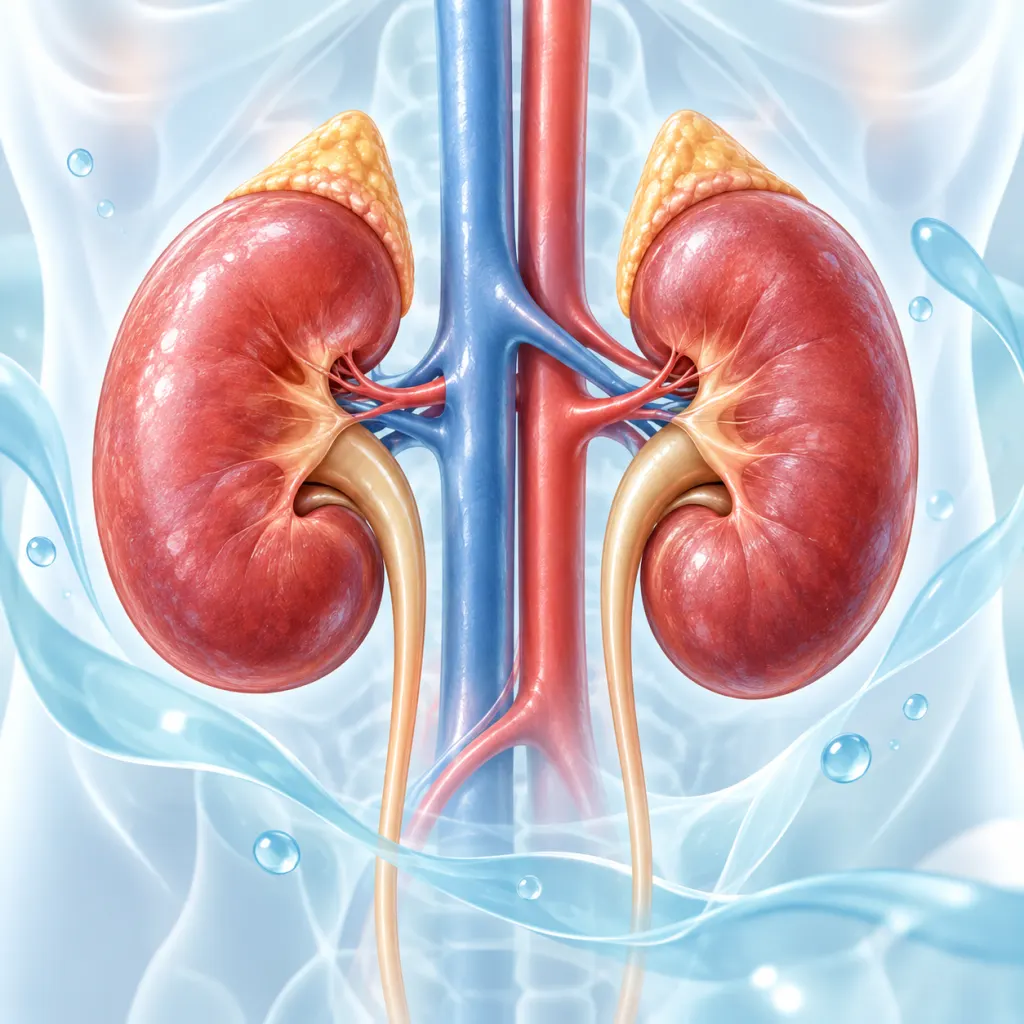
The kidneys filter waste and extra fluid from the blood, help balance minerals, and support blood pressure regulation. When kidney function changes slowly, the body may compensate for a long time. That is why early kidney disease can be easy to miss. The signs that eventually appear often overlap with common problems such as poor sleep, aging, stress, dehydration, skin dryness, or a busy week. NIDDK lists advanced chronic kidney disease symptoms such as appetite loss, nausea, tiredness, sleep problems, trouble concentrating, urination changes, foamy urine, itching, dry or darkened skin, muscle cramps, swelling, chest pain, and shortness of breath NIDDK.
This is why the word unusual matters. Kidney-related changes may show up in places people do not immediately connect with the urinary system: the skin, breath, appetite, legs, eyelids, sleep, and energy. These symptoms also have many other possible explanations. The safest interpretation is not, "this symptom means kidney disease." It is, "this symptom, if persistent or grouped with other changes, is worth checking." That distinction keeps the topic useful without turning ordinary body changes into fear.

Signs that show up in fluid and urine
Fluid and urine changes are among the clearest reasons to ask about kidney testing, especially when they are new, persistent, or occur with other symptoms. The CDC notes that protein leaking into the urine can be one of the earliest signs of kidney disease and that urine albumin testing can help detect it CDC. MedlinePlus also lists swelling of the hands and feet or puffy eyelids, increased or decreased urination, and bloody or foamy urine among reasons a clinician may order a creatinine test MedlinePlus.
- Foamy urine: Persistent foam or froth can happen for harmless reasons, but it may also reflect protein in urine, especially when it keeps appearing.
- Puffy eyelids or swollen ankles: Swelling can happen when extra fluid and salt are not being cleared as expected, though heart, vein, liver, and medication-related causes are also possible.
- Urinating much more or much less: A lasting change in pattern is more useful than one unusual day.
- Blood in urine: Pink, red, tea-colored, or visibly bloody urine should be discussed promptly because it can come from several urinary tract or kidney conditions.
Skin, appetite, taste, and thinking changes
Some kidney-related signs feel disconnected from the kidneys. Cleveland Clinic lists dry or itchy skin, trouble concentrating, trouble sleeping, nausea or vomiting, cramps, puffy eyes, swelling, foamy urine, and skin darkening among symptoms that can appear as chronic kidney disease worsens Cleveland Clinic. Itching may be widespread, worse at night, or present without an obvious rash. Appetite loss can be subtle: food may seem less appealing, nausea may be worse in the morning, or meals may feel difficult to finish.
A persistent metallic taste is another less obvious clue. Cleveland Clinic describes metallic taste, loss of appetite, fatigue, shortness of breath, itching, muscle cramps, and thinking or memory problems as possible symptoms when waste products build up in the blood in uremia, a serious complication linked with advanced kidney dysfunction Cleveland Clinic. A bad taste in the mouth can also come from dental problems, reflux, sinus issues, many infections, and other medical conditions, so it should be interpreted in context rather than treated as a stand-alone answer.
Fatigue is especially tricky because it is common and nonspecific. In kidney disease, it may relate to waste buildup, anemia, poor sleep, mineral imbalance, or other complications. But fatigue can also come from depression, thyroid disease, sleep apnea, low iron, infection, heavy caregiving, or everyday overextension. The practical question is whether fatigue is new, unusually deep, persistent despite rest, paired with swelling or urine changes, or occurring in someone already at higher kidney risk.

Risk context matters as much as any single sign
The same symptom means different things in different people. A person with long-standing high blood pressure, diabetes, heart disease, or a close family history of kidney disease has a stronger reason to ask about kidney testing than someone with no known risk factors and a brief symptom that resolves. CDC identifies diabetes, high blood pressure, heart disease, family history of chronic kidney disease, and obesity as important risk factors. It also reports that about 1 in 3 adults with diabetes and about 1 in 5 adults with high blood pressure has chronic kidney disease CDC.
What testing can and cannot tell you
Symptoms can raise a question, but tests help answer it. CDC describes urine tests for albumin or protein, serum creatinine, estimated glomerular filtration rate, and blood urea nitrogen as common ways clinicians assess kidney function CDC. MedlinePlus explains that creatinine in the blood is often used to calculate estimated glomerular filtration rate, and that urine albumin-to-creatinine ratio compares albumin with creatinine to estimate how much albumin is passing into the urine MedlinePlus.
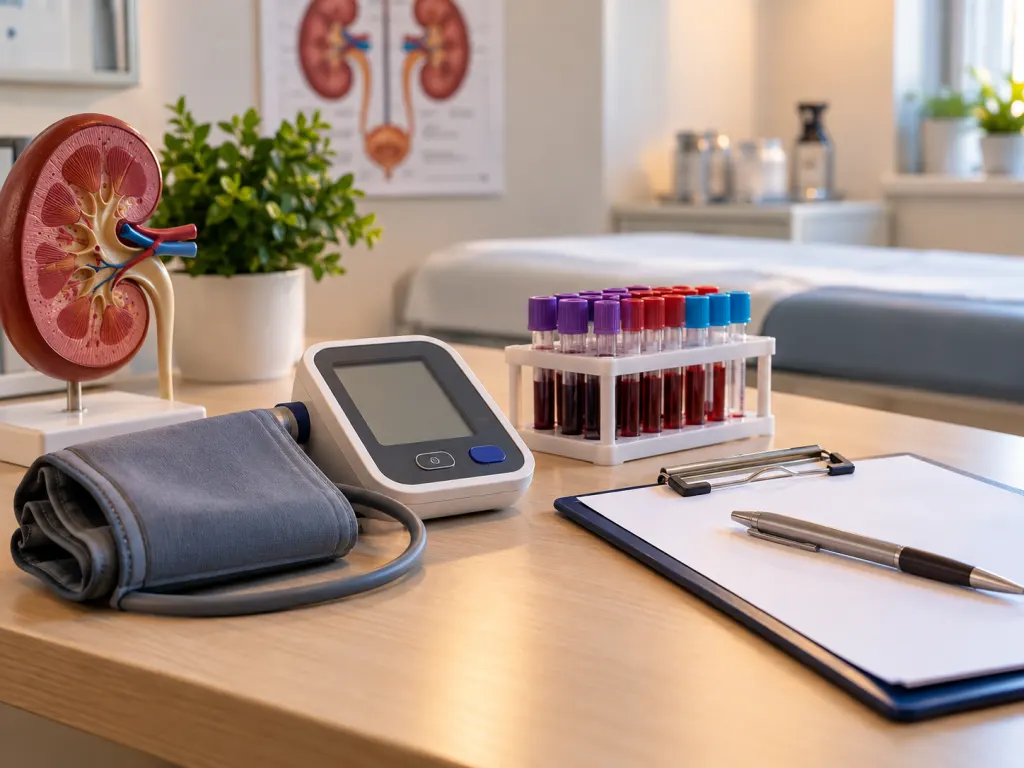
Testing is not just for people who already feel unwell. It can be especially helpful for people at higher risk, because kidney disease may have few or no early symptoms. Useful information to bring to an appointment includes when the symptom started, whether it is changing, any swelling pattern, urine changes, blood pressure readings if available, known diabetes or heart history, family kidney history, and a list of prescriptions, supplements, and over-the-counter pain relievers. That kind of detail helps a clinician decide which tests fit the situation.
When to seek care promptly
Some symptoms should not wait for a routine visit. Mayo Clinic lists swelling of the feet and ankles, shortness of breath if fluid builds up in the lungs, chest pain if fluid builds around the heart lining, high blood pressure that is hard to control, reduced mental sharpness, muscle twitches and cramps, constant itching, and changes in urination among symptoms that can occur as kidney disease worsens Mayo Clinic. Sudden chest pain, severe shortness of breath, fainting, confusion, inability to urinate, or rapidly worsening swelling needs urgent evaluation because these can reflect serious conditions, kidney-related or not.
A practical way to track changes
If symptoms are mild but persistent, tracking them for a short period can make the next conversation more productive. Write down the date, the symptom, what makes it better or worse, and whether it appears with other changes. For swelling, note whether it is in both legs or one, whether socks leave deeper marks than usual, and whether the swelling is worse later in the day. For urine changes, note foam, blood, frequency, nighttime urination, pain, or a major change in volume. For appetite, taste, itching, sleep, or fatigue, note whether the issue is new, worsening, or interfering with daily life.
What this means for everyday decisions
The most useful response to unusual kidney-related signs is neither panic nor dismissal. Pay attention to patterns, consider personal risk, and ask for appropriate testing when symptoms persist or cluster. Avoid assuming that a home explanation is enough when there is swelling, foamy or bloody urine, breathlessness, major fatigue, persistent itching, appetite changes, or a noticeable change in urination. Kidney problems are often clearer on blood and urine tests than they are by symptoms alone, so a calm request for evaluation is a practical next step.
Wrap-Up
Unusual signs of kidney problems can appear as swelling, puffy eyelids, foamy or bloody urine, urination changes, itching, dry or darkened skin, fatigue, appetite loss, nausea, muscle cramps, trouble sleeping, trouble concentrating, shortness of breath, or a persistent metallic taste. None of these signs proves kidney disease by itself. They matter most when they are new, persistent, grouped together, or present in someone with diabetes, high blood pressure, heart disease, obesity, or a family history of kidney disease. Because early kidney disease may have no symptoms, urine and blood testing is the dependable way to clarify concern.
Frequently Asked Questions
- → Can kidney problems happen without kidney pain?
Yes. Many kidney problems do not begin with pain in the kidney area. Early chronic kidney disease may have no symptoms, and later signs can include swelling, urine changes, fatigue, itching, appetite changes, muscle cramps, shortness of breath, or trouble concentrating.
- → Does foamy urine always mean kidney disease?
No. Foamy urine can happen for harmless reasons, such as a fast urine stream. Persistent foamy urine, especially with swelling, blood in urine, high blood pressure, diabetes, or other symptoms, is worth discussing because protein in urine can be an early sign of kidney damage.
- → Why can itchy skin be linked with kidney problems?
Itching can have many causes, including dry skin and skin conditions. In chronic or advanced kidney disease, itching may occur when waste products, mineral changes, inflammation, or nerve-related changes affect the skin. Persistent widespread itching deserves a medical evaluation.
- → Which tests are commonly used to check kidney function?
Clinicians commonly use blood creatinine with estimated glomerular filtration rate, urine albumin-to-creatinine ratio, urine dipstick testing, and sometimes blood urea nitrogen. The right testing depends on symptoms, risk factors, past results, and the clinician's assessment.
- → When should I ask about kidney testing?
Ask about testing if you have persistent swelling, foamy or bloody urine, major urination changes, unusual fatigue, itching, appetite changes, shortness of breath, or trouble concentrating. Testing is also important for many people with diabetes, high blood pressure, heart disease, or a family history of kidney disease.
References
This content was developed and refined using reliable sources.
- https://www.niddk.nih.gov/health-information/kidney-disease/chronic-kidney-disease-ckd/what-is-chronic-kidney-disease
- https://medlineplus.gov/lab-tests/creatinine-test
- https://www.cdc.gov/kidney-disease/testing/index.html
- https://www.cdc.gov/kidney-disease/risk-factors/index.html
- https://my.clevelandclinic.org/health/diseases/15096-chronic-kidney-disease
- https://my.clevelandclinic.org/health/diseases/21509-uremia
- https://www.mayoclinic.org/diseases-conditions/end-stage-renal-disease/symptoms-causes/syc-20354532