 Save
The direct answer: a post promising that two spoonfuls in the morning can address several serious health concerns is too vague to trust as health guidance. The circulated version does not clearly identify the ingredient, preparation, or evidence behind the claim. Some spoonable foods, such as yogurt, nut butter, tahini, seed mixes, or olive oil, can fit into a nutritious eating pattern, but their value depends on the full diet, the person, and the specific nutrient or condition being discussed. This article explains how to evaluate that kind of claim without panic, hype, or guesswork.
Why the missing ingredient matters
A useful health claim should name the ingredient, the serving size, the population studied, and the outcome being measured. The phrase “two spoons” leaves too much undefined. A spoonful of honey, ground seeds, oil, yogurt, nut butter, or supplement powder can differ widely in calories, added sugars, fats, minerals, allergens, and medication relevance. Without the formula, there is no responsible way to say what it may contribute nutritionally, let alone whether it is appropriate for someone managing a medical condition.
That uncertainty does not mean every morning food habit is meaningless. It means the claim should be narrowed. A food can be a source of a nutrient; a routine can make breakfast easier; a balanced meal can support consistent eating habits. Those are modest, testable ideas. Broad promises about pain, mood, nerve health, or diabetes care are different. They require stronger evidence, personal context, and often professional guidance rather than a single social-media rule.
What nutrition evidence can reasonably say
Nutrition science usually evaluates patterns, nutrients, and defined interventions, not mystery spoonfuls. Calcium is a good example. The NIH Office of Dietary Supplements explains that calcium helps build and maintain bones and also supports muscle movement, nerve signaling, blood vessel function, and hormone release; vitamin D helps the body absorb calcium https://ods.od.nih.gov/factsheets/Calcium-Consumer/. That supports the idea that nutrients matter, but it does not prove that any unnamed spoonful can deliver those nutrients in useful amounts.
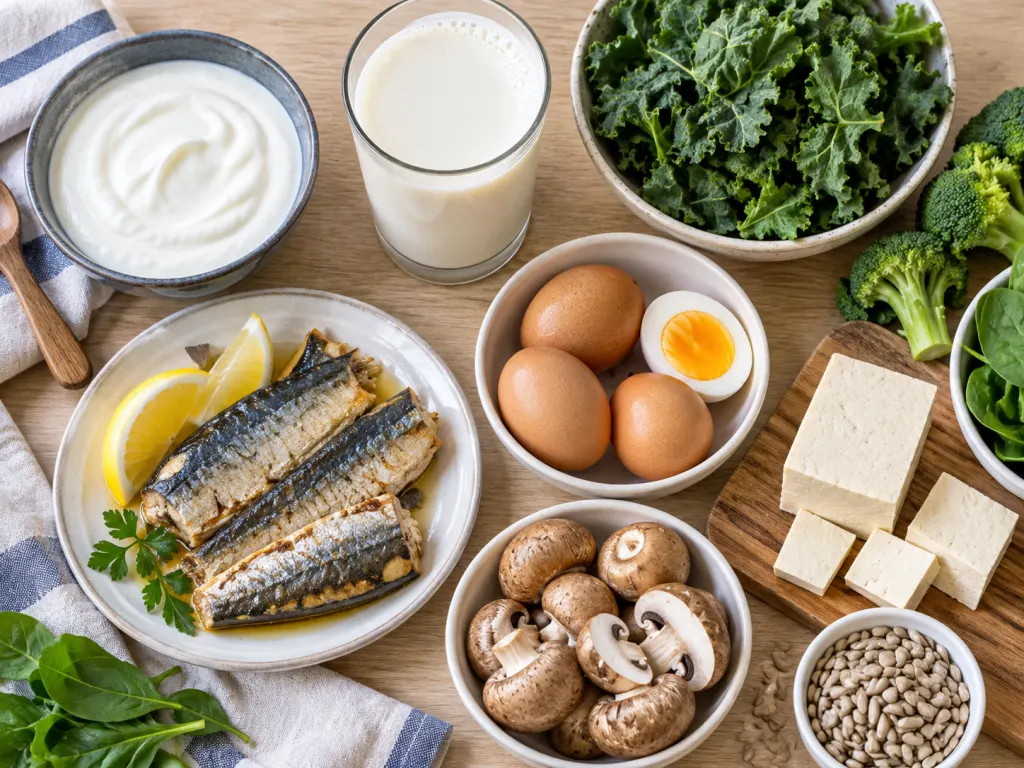
Vitamin D shows the same distinction. The NIH notes that vitamin D promotes calcium absorption and is involved in bone growth and remodeling, while food sources include fatty fish, fortified milk or plant beverages, fortified cereals, and some UV-exposed mushrooms https://ods.od.nih.gov/factsheets/VitaminD-HealthProfessional/?uid=84ecfd9da3023s16. If a morning routine contains none of those foods, it may not contribute much vitamin D. If it contains fortified dairy or a fortified alternative, the label matters more than the viral claim.
Bone comfort is not solved by one food habit
People often connect bone discomfort with calcium or vitamin D, but discomfort can have many causes. A food routine may improve breakfast quality while still being irrelevant to the reason someone hurts. The safer framing is practical: build meals that include reliable sources of key nutrients, stay physically active as appropriate, and seek care for persistent or unexplained symptoms. Calcium-rich foods include dairy products, calcium-set tofu, some leafy greens, and canned fish with bones, according to NIH consumer guidance https://ods.od.nih.gov/factsheets/Calcium-Consumer/.
Nerves need more than a catchy serving size
Magnesium is another nutrient often invoked in broad wellness posts. The NIH Office of Dietary Supplements describes magnesium as important for muscle and nerve function, protein production, bone development, and other body processes https://ods.od.nih.gov/factsheets/magnesium-consumer/. Foods such as nuts, seeds, legumes, whole grains, and leafy greens can contribute magnesium. Again, the key question is not whether magnesium matters; it is whether the specific food, in the specific amount, meaningfully contributes to a person’s overall intake.
This is where ordinary food literacy helps. A tablespoon of ground seeds may add minerals and fiber. A spoonful of sweet syrup may add mostly sugar. A spoonful of oil may add unsaturated fat but little protein, fiber, calcium, or magnesium. None of those facts makes the food automatically good or bad. It simply means the label, ingredient list, and full meal context matter more than the morning ritual itself.
Diabetes-related claims need special caution
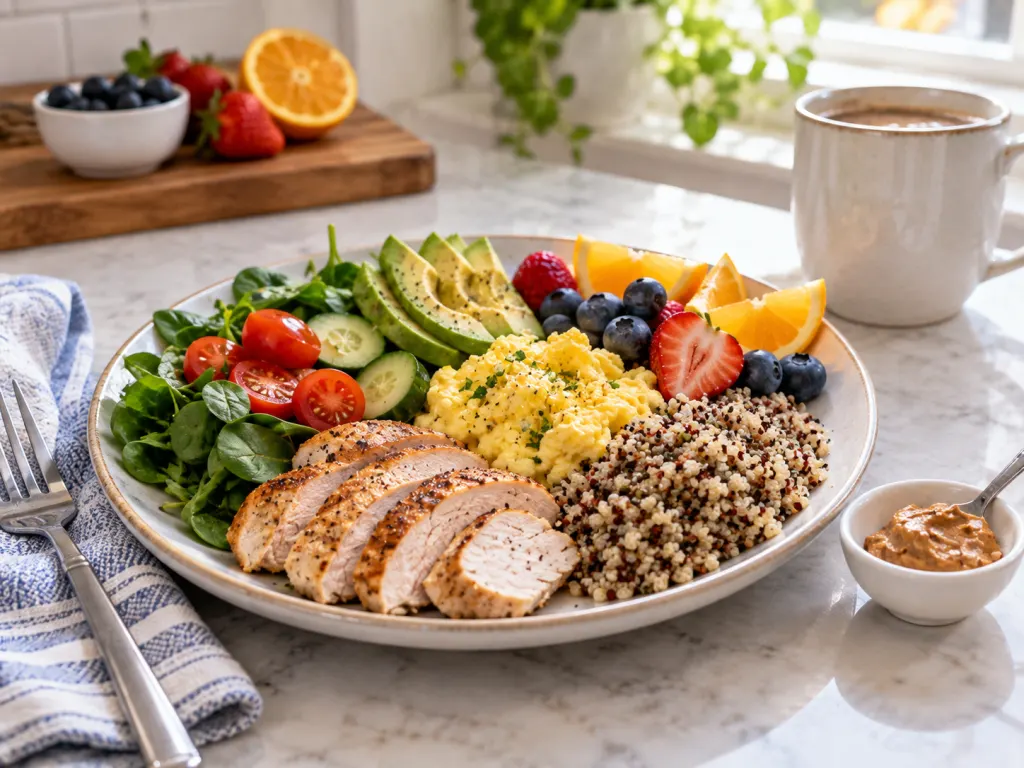
For people living with diabetes, food choices are personal and should fit the care plan made with their health team. The American Diabetes Association describes the Diabetes Plate as a simple meal-planning framework: half the plate with non-starchy vegetables, one quarter with lean protein, and one quarter with quality carbohydrate foods such as whole grains, fruit, starchy vegetables, or low-fat dairy https://diabetes.org/food-nutrition/eating-healthy. That kind of structure is more useful than trusting an isolated spoonful because it considers the whole meal.
A spoonable food can still have a place. Plain yogurt with nuts, a measured spoonful of nut butter with fruit, or tahini stirred into oats may be enjoyable options for some people. But sweetened mixtures, syrups, or large portions of energy-dense foods can quickly change a meal. Anyone who monitors their response to foods, uses diabetes medication, or follows a prescribed eating plan should treat viral routines as questions to discuss, not instructions to follow.
Mood claims deserve a serious, careful frame
Mood and depression claims also require care. The National Institute of Mental Health describes depression as a condition that can affect how a person feels, thinks, sleeps, eats, and handles daily activities, and it encourages people with persistent signs to talk with a health care provider https://www.nimh.nih.gov/health/publications/depression. A comforting breakfast routine may support regular eating, but it should not be presented as a stand-in for evaluation or support when someone is struggling.
The National Center for Complementary and Integrative Health notes that evidence for complementary approaches to depression varies, and it advises people to discuss complementary health approaches with their health care providers https://www.nccih.nih.gov/health/tips/things-to-know-about-depression-and-complementary-health-approaches. That is the right level of caution for any “natural” morning claim. Natural does not automatically mean effective, harmless, or suitable for every person.
A practical checklist for viral spoonful posts
Before adding a repeated morning habit because of an online claim, slow the claim down into parts you can actually check:
- Ingredient: What exactly is in the spoonful, including sweeteners, oils, powders, herbs, or fortified foods?
- Amount: Is the serving a teaspoon, tablespoon, or heaping spoon, and how often is it suggested?
- Evidence: Does the source cite human research or only testimonials?
- Fit: Does it match your allergies, health conditions, food preferences, and current care plan?
- Tradeoff: What does it add to the rest of breakfast, and what might it crowd out?
- Professional input: Is the claim serious enough that it belongs in a conversation with a clinician or registered dietitian?
This checklist keeps the focus on decisions rather than fear. A claim may lead you to a useful food idea, or it may fall apart once you ask basic questions. Both outcomes are better than accepting a sweeping promise because it sounds simple.

What a safer morning routine can look like
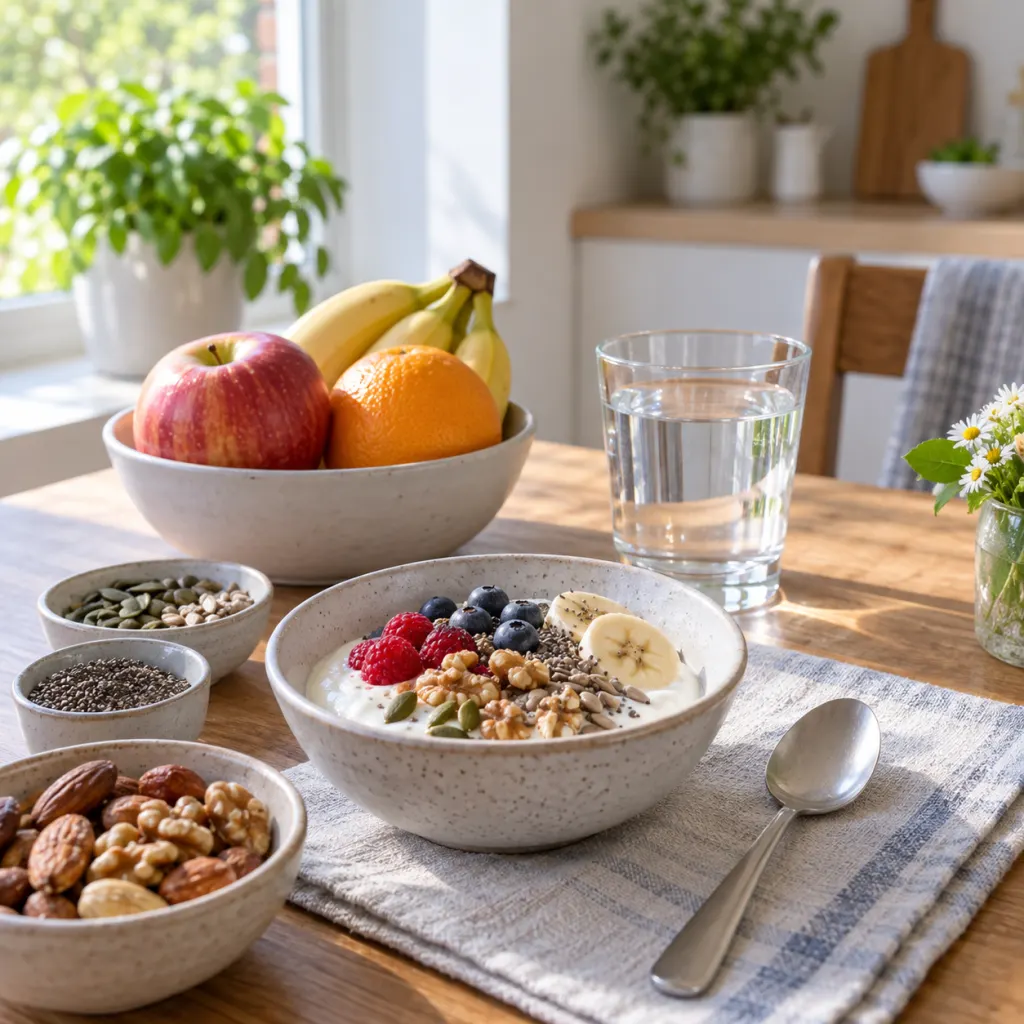
A sensible morning routine starts with food you can identify and enjoy. For many people, that means pairing protein, fiber-containing carbohydrate foods, and unsaturated fats in a way that keeps breakfast satisfying. Examples include plain yogurt with fruit and nuts, oatmeal with seeds, eggs with vegetables and whole-grain toast, or beans and avocado on a small tortilla. These are meals, not magic formulas, and they can be adjusted for culture, budget, appetite, and medical guidance.
If you like a spoonable addition, treat it as one ingredient in a meal. Tahini can add sesame flavor to yogurt or toast. Peanut or almond butter can make fruit more filling. Ground flax or chia can thicken oatmeal. Olive oil can finish savory dishes. The useful question is not “Will two spoons change everything?” but “Does this ingredient improve the meal for me, and does it fit my needs?”
When to skip the trend
Skip or pause a viral spoonful routine when the ingredient is hidden, the post promises sweeping health changes, the suggested amount is unclear, or the advice tells people to ignore professional care. Also be careful when the food is high in added sugar, contains an allergen, includes concentrated herbs or supplement powders, or conflicts with your usual medical guidance. A simple household food can still be a poor fit for a particular person.
The bottom line
The strongest conclusion is also the least flashy: an unnamed two-spoon morning routine is not enough to support serious health promises. Food matters, nutrients matter, and routines can make healthy eating easier, but evidence-based decisions require specifics. Identify the ingredient, check reliable sources, consider the whole meal, and bring personal medical questions to a qualified professional. That approach gives you the useful part of wellness culture without letting a vague claim steer your health choices.
Wrap-Up
Morning spoonful claims are appealing because they sound easy, but vague health promises should be handled carefully. If the ingredient is not clearly named and supported by reliable evidence, treat the post as an idea to investigate rather than guidance to follow. A balanced breakfast, trustworthy nutrition sources, and individualized professional advice are much stronger foundations than a one-size-fits-all spoonful habit.
Frequently Asked Questions
- → Is there one ingredient that explains the two-spoon morning claim?
Not from the supplied claim. The ingredient was not clearly identified, so it would be unsafe to guess. Different spoonable foods have very different nutrition profiles.
- → Can a spoonful of a nutritious food still be useful?
Yes, as part of a balanced meal. A spoonful of nuts, seeds, tahini, yogurt, or olive oil may add flavor or nutrients, but its value depends on the rest of the meal and the person’s needs.
- → What should people with diabetes do with this kind of claim?
They should compare the food with their own meal plan and discuss personal questions with their health care team. The American Diabetes Association’s plate method is a clearer framework than an isolated spoonful.
- → Are natural products automatically safer than supplements or medicines?
No. Natural products can still be unsuitable for some people, especially when the amount, ingredient, or health context is unclear. Reliable labels and professional advice matter.
- → What is the best first step before trying a viral morning routine?
Identify the exact ingredient and serving, then check an authoritative source for what that food actually provides. If the claim involves a medical condition, bring the question to a qualified health professional.
References
This content was developed and refined using reliable sources.
- https://ods.od.nih.gov/factsheets/Calcium-Consumer
- https://ods.od.nih.gov/factsheets/VitaminD-HealthProfessional/?uid=84ecfd9da3023s16
- https://ods.od.nih.gov/factsheets/magnesium-consumer
- https://diabetes.org/food-nutrition/eating-healthy
- https://www.nimh.nih.gov/health/publications/depression
- https://www.nccih.nih.gov/health/tips/things-to-know-about-depression-and-complementary-health-approaches