 Save
Nighttime leg cramps are usually sudden muscle contractions rather than a mysterious signal, but the pattern matters. A rare cramp after a long day on your feet is often different from cramps that wake you repeatedly, last several minutes, or come with weakness, swelling, numbness, or changes in the leg. MedlinePlus describes muscle cramps as sudden involuntary contractions that can be painful and last from seconds to minutes, with leg cramps sometimes happening at night MedlinePlus. The goal is not to panic; it is to notice frequency, context, and accompanying symptoms so you know when simple self-care is reasonable and when a clinician should help look for an underlying cause.
What a nighttime leg cramp feels like
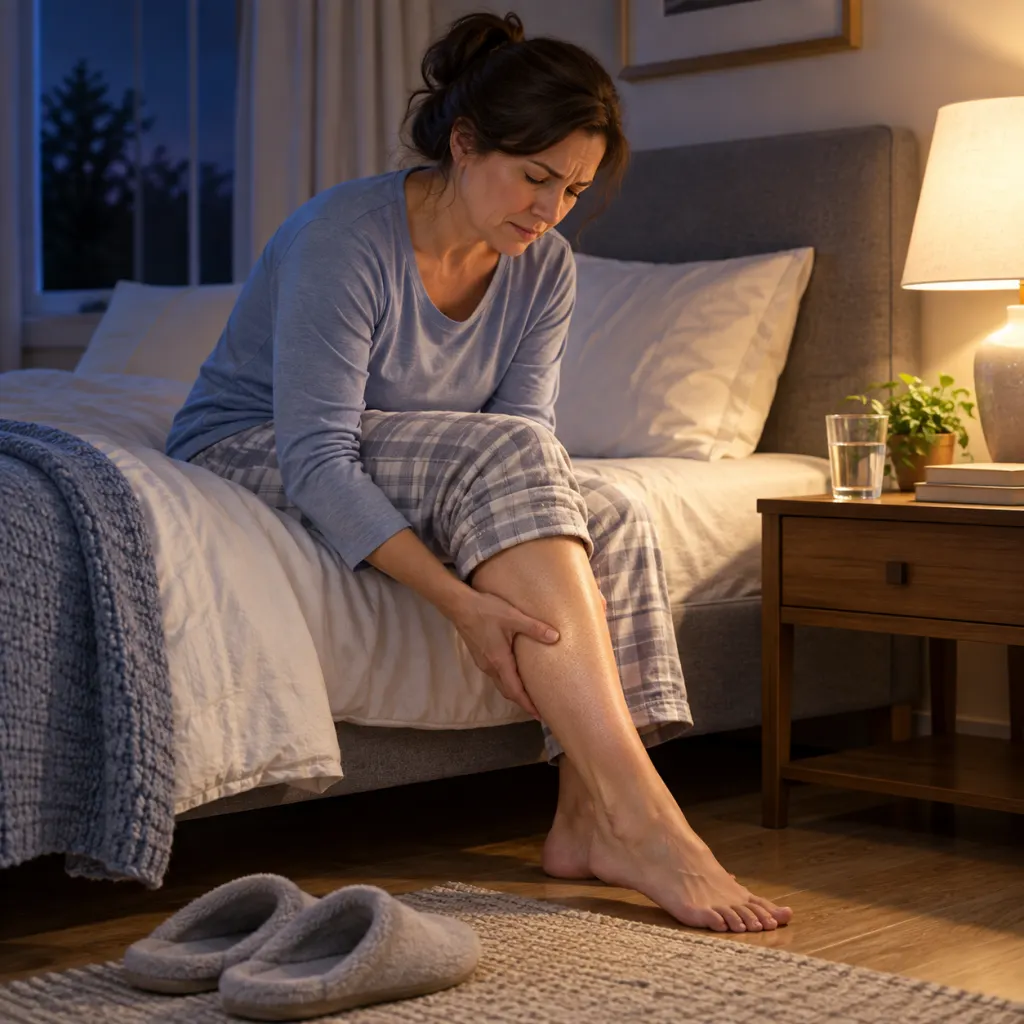
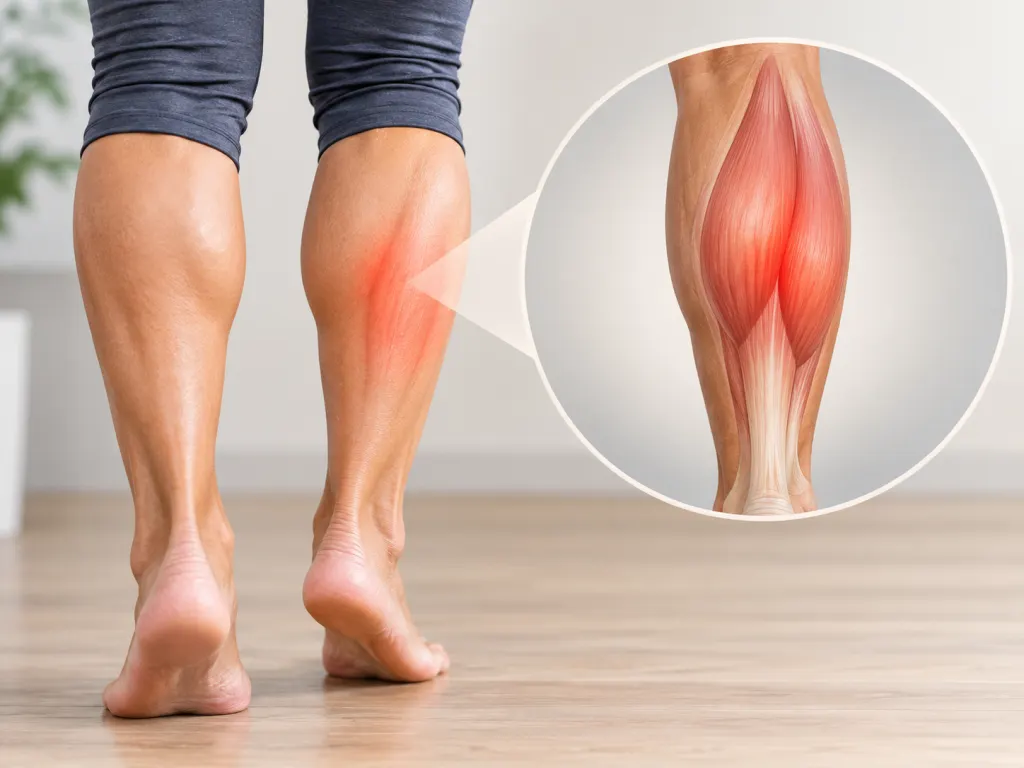
A nighttime leg cramp usually arrives abruptly. A muscle tightens without your choosing it, often in the calf but sometimes in the foot or thigh. The area may feel hard, knotted, or difficult to move until the contraction releases. NHS guidance notes that leg cramps can last from a few seconds to 10 minutes and that soreness may linger afterward for up to a day NHS. That leftover soreness can make people worry that something was injured, but brief tenderness after a strong contraction is common. What deserves more attention is a repeated pattern: cramps that keep waking you, cramps that are unusually severe, or cramps paired with other symptoms.
Why cramps often happen without one obvious cause
One frustrating truth is that many night cramps are idiopathic, meaning no single clear cause is found. Mayo Clinic explains that most night leg cramps have no known cause and may involve tired muscles and nerve issues Mayo Clinic. That does not make the pain imaginary. It means the cramp can be the final common pathway of several small stresses: a long day standing, a change in activity, prolonged sitting, sleep position, dehydration, medication effects, or an age-related change in muscle and nerve excitability. The practical approach is to look for patterns rather than trying to assign every cramp to one dramatic explanation.
Common triggers worth checking first
Before assuming a serious problem, review the simple context around the cramps. MedlinePlus lists overuse, nerve compression, dehydration, low electrolytes, reduced blood flow, certain medicines, and dialysis among possible causes of muscle cramps MedlinePlus. Cleveland Clinic also notes that sitting for long periods, muscle overuse, standing or working on hard surfaces, and posture can contribute to cramps at night Cleveland Clinic. Helpful questions include: Did the cramps begin after more walking, gardening, travel, or a new exercise routine? Did you sweat more than usual? Did a new prescription or supplement start around the same time? Are the cramps only on one side, or do they move around? Answers like these give a health professional better clues if you need a visit.
The hydration and electrolyte question
Hydration and electrolytes are often mentioned because muscles depend on fluid balance and minerals for normal contraction and relaxation. Potassium is required for nerve transmission and muscle contraction, and the NIH Office of Dietary Supplements notes that abnormal potassium levels are rare in otherwise healthy people with normal kidney function, though illness, kidney problems, diarrhea, vomiting, and some medicines can disturb levels NIH ODS potassium. Magnesium also plays a role in nerve impulse conduction and muscle contraction, but symptomatic magnesium deficiency from low intake alone is uncommon in healthy people because the kidneys conserve it NIH ODS magnesium. In plain terms: drinking enough fluid and eating a varied diet are sensible, but frequent cramps should not automatically be blamed on a single missing mineral.
- After heavy sweating: fluids and regular meals may matter more than a random supplement.
- After vomiting or diarrhea: electrolyte changes are more plausible, especially if symptoms are prolonged.
- With kidney disease or certain prescriptions: do not self-correct potassium or magnesium without professional guidance.
- With ordinary occasional cramps: stretching, movement, and a consistent bedtime routine may be the first reasonable steps.

How to tell cramps from similar night symptoms
Several leg symptoms can be mistaken for cramps. Restless legs syndrome usually creates an urge to move the legs, tends to last longer, and is not usually described as a brief hard knot of pain; Mayo Clinic specifically distinguishes restless legs syndrome from night leg cramps Mayo Clinic. Nerve symptoms may feel like burning, tingling, numbness, or electric sensations. Circulation-related leg pain may appear with walking and ease with rest, rather than waking you as a sudden contraction. Joint or tendon pain tends to stay localized around a joint or movement pattern. None of these descriptions can diagnose the cause at home, but they can help you describe the experience accurately: tightening, aching, tingling, numbness, weakness, skin color change, swelling, timing, duration, and what makes it better or worse.
When night cramps deserve medical attention
Most short leg cramps are not emergencies, but some patterns should move you from self-care to a medical conversation. MedlinePlus advises contacting a health care provider when cramps are severe, frequent, do not improve with stretching and fluids, last a long time, or come with swelling, redness, warmth, or muscle weakness MedlinePlus. Mayo Clinic recommends seeking care right away for severe cramping that continues or cramps after possible exposure to toxins such as pesticides, industrial chemicals, or heavy metals; it also recommends an office visit if cramps disrupt daytime function through poor sleep or occur with weakness and loss of muscle mass Mayo Clinic. Cleveland Clinic adds that swelling, numbness, skin changes, repeated waking, and significant pain are reasons to talk with a provider Cleveland Clinic.
A simple cramp log can be surprisingly useful
If cramps happen more than once in a while, keep a short log for two to four weeks. You do not need a complicated tracker. Note the date, time, side, muscle area, how long the cramp lasted, what you were doing earlier that day, whether you exercised or stood for long periods, fluid intake changes, alcohol or caffeine changes, and any new medicines or supplements. Also record what helped: stretching the calf, standing, walking, massage, warmth, cold, or fluids. This log helps separate a temporary pattern from a persistent one. It also gives a clinician a clearer picture than the sentence, 'I get cramps all the time,' which can mean very different things from person to person.

What may help during a cramp
During a cramp, the most practical goal is to lengthen and relax the affected muscle. NHS guidance says stretching and massaging the muscle may ease pain during a cramp, and standing with weight on the affected leg may help NHS. Cleveland Clinic describes similar steps: straighten the leg, flex the foot toward the shin for a calf cramp, massage the muscle, stand, walk, and consider heat or cold for comfort Cleveland Clinic. Move slowly and use a wall, chair, or bed for balance, especially if you are half awake. If the muscle remains sore afterward, gentle walking and avoiding an abrupt return to intense activity can keep the area from feeling more irritated.
What may reduce the odds of repeat cramps
Regular stretching before bed may help some people, though the evidence is not as strong as many headlines make it sound. A Cochrane review found very limited randomized-trial evidence for non-drug approaches; combining calf and hamstring stretching may reduce cramp severity in adults over 55, but the effect on frequency is unclear and the certainty of evidence is very low Cochrane. That uncertainty does not mean stretching is useless. It means it should be framed as a low-risk trial for many people, not a guaranteed fix. A reasonable routine could include a gentle calf stretch near a wall, a hamstring stretch that does not strain the back, and a few minutes of relaxed movement before bed. Stop any stretch that causes sharp pain, dizziness, or instability.
Be cautious with pills marketed for cramps
Supplements and medicines for cramps deserve extra care because benefit and risk are not always obvious. A Cochrane review of magnesium found that magnesium supplementation is unlikely to provide meaningful cramp reduction for older adults with skeletal muscle cramps, while evidence in other groups is less certain Cochrane. The FDA has also described serious harms associated with quinine sulfate products marketed for leg cramps, including cardiac arrhythmia, renal failure, and deaths in adverse event reports, and notes boxed warning concerns for use in nocturnal leg cramps FDA. The safe takeaway is simple: do not treat frequent night cramps as a supplement-shopping problem. Bring the pattern, medication list, and medical history to a qualified professional.
The balanced takeaway
Nighttime leg cramps can be painful enough to feel alarming, but most brief cramps are not proof that something serious is happening. The smarter interpretation is pattern-based. A single cramp after a long walk, hot weather, or an awkward sleep position may call for fluids, gentle stretching, and observation. Cramps that become frequent, steal sleep, last longer than usual, affect one leg repeatedly, or come with weakness, swelling, numbness, skin changes, or unusual exposures deserve medical attention. That middle ground protects you from both extremes: ignoring a persistent symptom and assuming every cramp is a crisis.
Wrap-Up
Nighttime leg cramps are sudden muscle contractions that often affect the calf, foot, or thigh. They are common, often short-lived, and often unexplained. Useful next steps include noticing patterns, stretching gently during an episode, reviewing hydration and recent activity, and keeping a brief log if cramps repeat. Medical guidance is especially important when cramps are frequent, severe, prolonged, sleep-disrupting, linked with weakness or swelling, or connected to possible toxin exposure. Supplements and medicines should be approached carefully because evidence varies and some options carry meaningful risk.
Frequently Asked Questions
- → Are nighttime leg cramps usually serious?
Most brief nighttime leg cramps are not serious, especially when they happen occasionally and ease with stretching or movement. They deserve medical attention when they are frequent, severe, long-lasting, sleep-disrupting, or paired with swelling, numbness, weakness, warmth, redness, or skin changes.
- → What is the fastest thing to try during a calf cramp?
Gently straighten the leg and flex the foot toward the shin, using a wall, chair, or bed for balance if needed. Massage, standing, walking, warmth, or cold may also help some people. Move slowly, especially if the cramp wakes you suddenly.
- → Do nighttime leg cramps always mean low magnesium or potassium?
No. Electrolytes matter for muscle and nerve function, but many night cramps have no single clear cause. Low mineral levels are more plausible when cramps occur with illness, heavy fluid loss, kidney problems, certain medicines, or other symptoms. A clinician can decide whether testing is appropriate.
- → How are leg cramps different from restless legs syndrome?
A leg cramp is usually a sudden painful tightening of a muscle that may feel hard or knotted. Restless legs syndrome more often feels like an urge to move the legs and usually lasts longer. Because symptoms can overlap, a medical review is useful when the pattern is unclear or affects sleep often.
- → Should I take quinine for night leg cramps?
Do not start quinine on your own for night leg cramps. Safety concerns have been serious enough for regulatory warnings, and decisions about any medicine for repeated cramps should be made with a qualified health professional who knows your history and current medicines.
References
This content was developed and refined using reliable sources.
- https://medlineplus.gov/musclecramps.html
- https://www.mayoclinic.org/symptoms/night-leg-cramps/basics/causes/sym-20050813
- https://my.clevelandclinic.org/health/diseases/14170-leg-cramps
- https://www.nhs.uk/conditions/leg-cramps
- https://ods.od.nih.gov/factsheets/Potassium-HealthProfessional
- https://ods.od.nih.gov/factsheets/magnesium-healthProfessional
- https://www.cochrane.org/evidence/CD008496_non-drug-treatments-leg-and-foot-cramps
- https://www.cochrane.org/evidence/CD009402_magnesium-muscle-cramps
- https://www.fda.gov/drugs/enforcement-activities-fda/unapproved-drugs-and-patient-harm