 Save
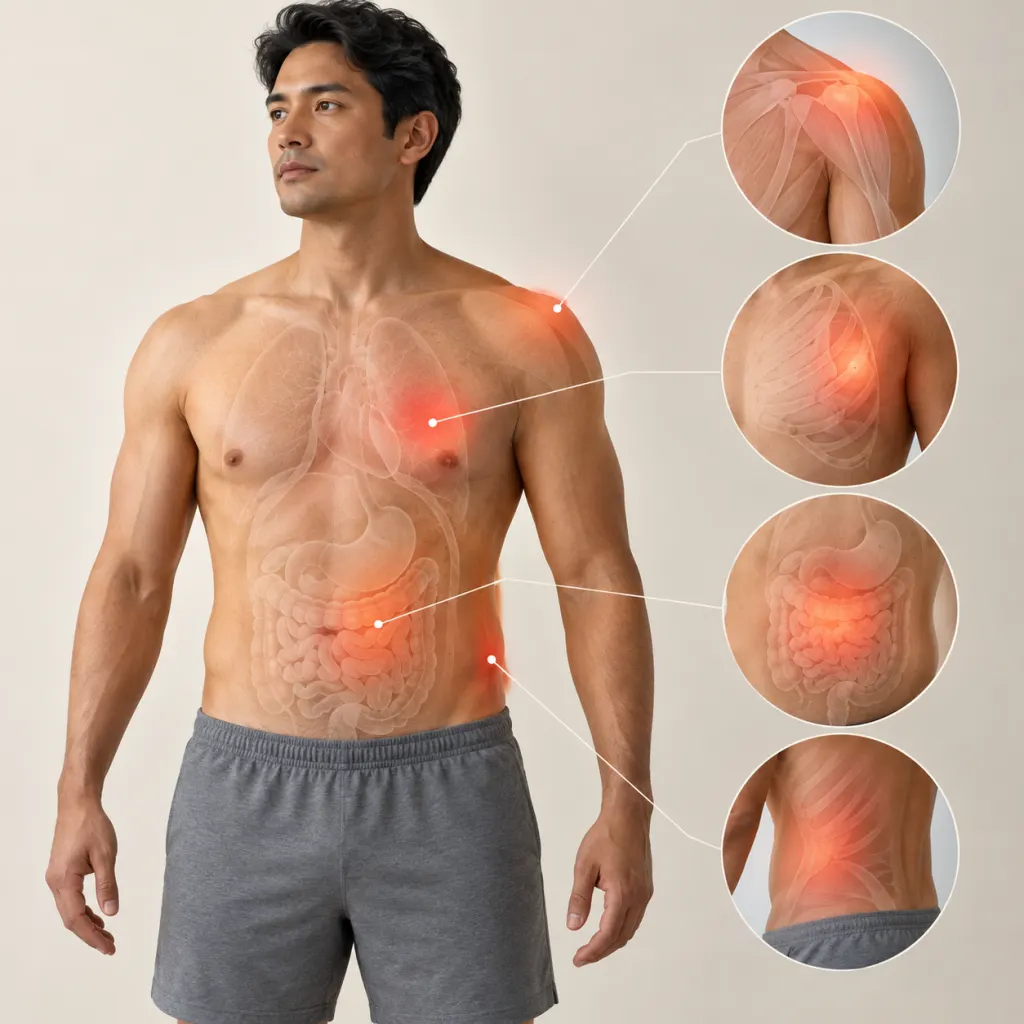
Pain on the left side of the body can mean many different things, from a strained muscle to a problem that needs urgent medical attention. The most important first step is to notice the pattern: where the pain is, how suddenly it started, whether it spreads, and what other symptoms appear with it. Left chest discomfort with shortness of breath, sweating, dizziness, nausea, or pain spreading to the arm, jaw, shoulder, back, or upper stomach should be treated as urgent; MedlinePlus notes that heart attack discomfort often occurs in the center or left side of the chest and can involve those associated symptoms https://medlineplus.gov/heartattack.html. Sudden one-sided weakness, numbness, vision trouble, speech trouble, severe headache, dizziness, or loss of balance also calls for emergency help, according to the CDC’s stroke warning signs https://www.cdc.gov/stroke/signs-symptoms/index.html.
Start With Location, Timing, and Associated Symptoms
“Left side pain” can describe the chest, ribs, shoulder, arm, upper abdomen, lower abdomen, flank, back, hip, leg, face, or an entire half of the body. That is why a precise description matters. A sharp pain that worsens when twisting may point in a different direction than a heavy chest pressure that begins at rest. A burning patch of skin with later rash is different from deep abdominal pain with fever. A cramp that improves with position is different from sudden weakness or numbness on one side.
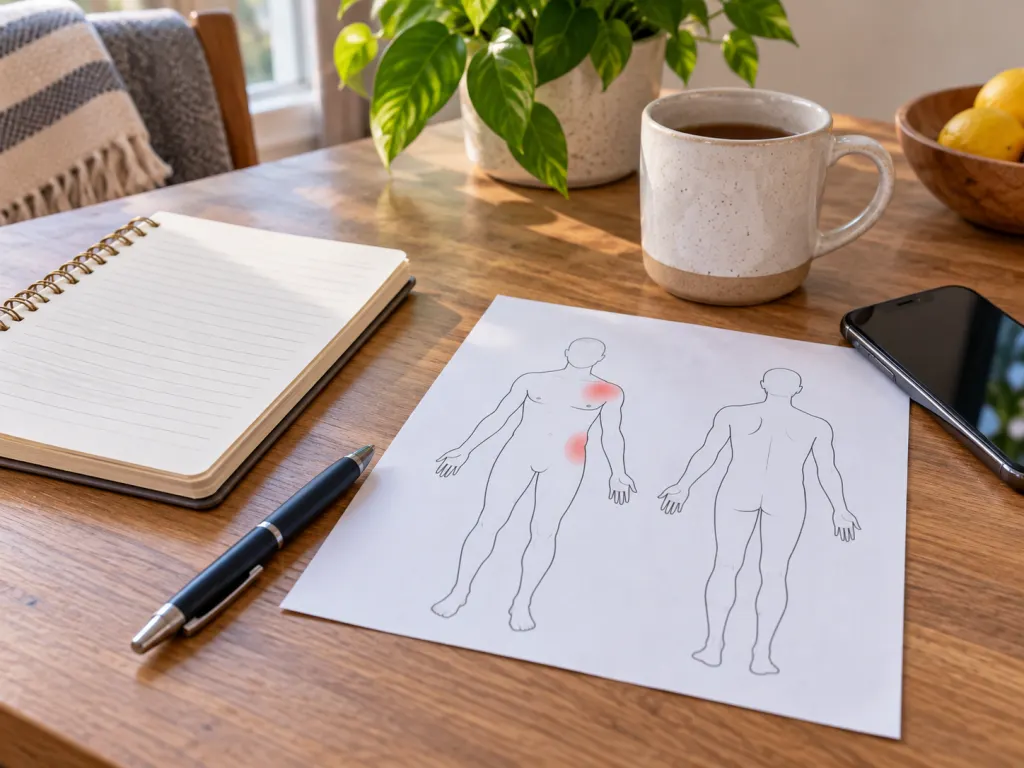
When thinking through the pattern, write down a few details if you can do so safely: the exact area, when it started, whether it came on suddenly or gradually, whether it is constant or comes and goes, whether movement or breathing changes it, and whether there are symptoms such as fever, vomiting, dizziness, shortness of breath, rash, blood in urine or stool, or weakness. This information does not diagnose the problem by itself, but it helps a clinician decide which questions, exam findings, or tests matter most.
When Left-Sided Pain May Be an Emergency
Some left-sided pain patterns should not be watched at home. Call emergency services if chest pain feels like pressure, squeezing, fullness, or heaviness; if it spreads to the arm, shoulder, back, neck, jaw, or upper stomach; or if it occurs with shortness of breath, sweating, nausea, dizziness, fainting, or a racing heartbeat. MedlinePlus advises calling 911 for possible heart attack symptoms even when you are not sure, because faster emergency care matters https://medlineplus.gov/heartattack.html.
Also treat sudden one-sided neurologic symptoms as urgent. The CDC lists sudden numbness or weakness of the face, arm, or leg, especially on one side of the body, along with sudden confusion, trouble speaking, vision changes, severe headache, dizziness, or loss of balance as stroke warning signs, and says to call 911 right away if they appear https://www.cdc.gov/stroke/signs-symptoms/index.html. Pain alone is not the classic stroke clue, but pain plus sudden one-sided weakness, numbness, speech change, vision change, or balance trouble should be handled as an emergency.

Left Chest, Rib, Shoulder, or Arm Pain
Left chest or rib pain can come from several body systems. Possible sources include the heart, lungs, esophagus, ribs, chest wall muscles, nerves, and upper abdominal organs. A clinician looks at the whole picture: whether the pain is pressure-like or sharp, whether it changes with breathing or movement, whether it follows exertion, whether there is cough or fever, and whether it spreads to the arm, jaw, back, or shoulder.
Chest wall pain can feel alarming because it is close to the heart. Cleveland Clinic describes costochondritis as inflammation where the ribs connect to the breastbone; it can cause chest pain that worsens with breathing, coughing, twisting, reaching, exercise, or lying on the affected side https://my.clevelandclinic.org/health/diseases/22167-costochondritis. Even so, new chest pain deserves caution. A chest wall cause may be common, but a reader should not assume that a new left-sided chest pain is harmless without appropriate medical judgment.
Left Upper or Lower Abdominal Pain
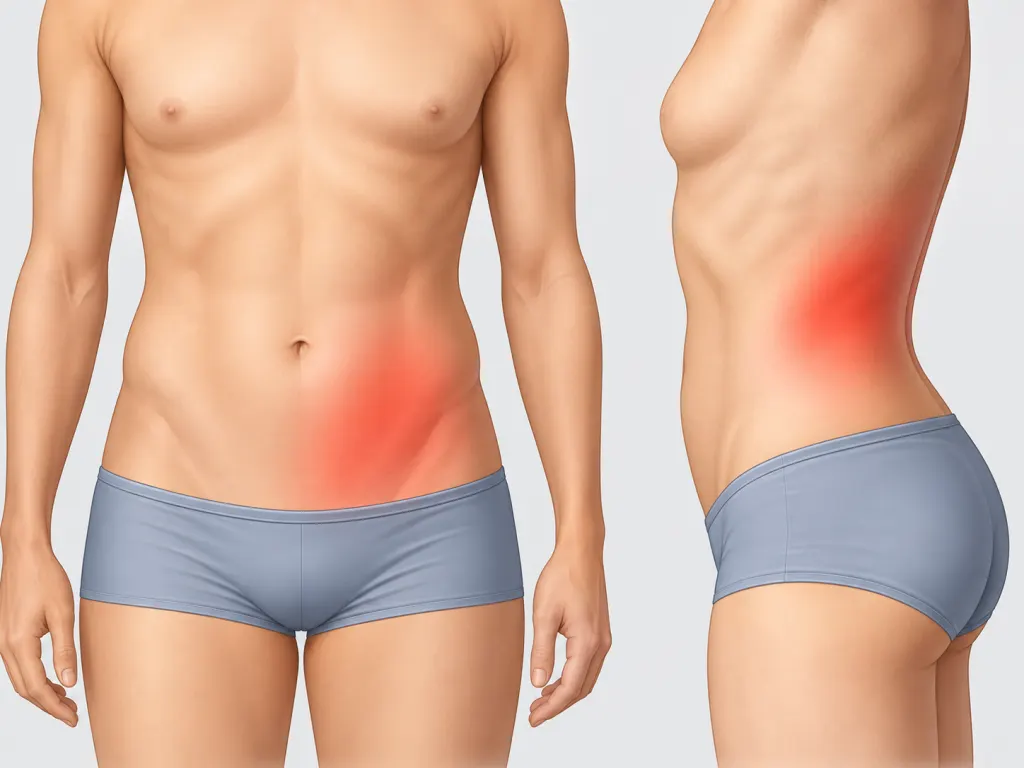
Left abdominal pain can have many causes. Mayo Clinic explains that abdominal pain may be mild or severe, short-lived or chronic, and that location and pattern can provide clues, while duration is especially useful in sorting possible causes https://www.mayoclinic.org/symptoms/abdominal-pain/basics/causes/sym-20050728. Pain in the upper left abdomen might relate to the stomach, spleen area, pancreas area, ribs, muscles, lungs, or referred pain from the chest. Pain in the lower left abdomen may involve the colon, urinary tract, pelvic organs, muscles, or other nearby tissues.
One well-known cause of lower left abdominal pain is diverticulitis. The National Institute of Diabetes and Digestive and Kidney Diseases says diverticulitis most often causes abdominal pain in the lower left side, and may also occur with constipation or diarrhea, fever and chills, nausea, or vomiting https://www.niddk.nih.gov/health-information/digestive-diseases/diverticulosis-diverticulitis/symptoms-causes. Those symptoms overlap with other abdominal problems, so the pattern is a reason to seek medical evaluation rather than a way to self-label the cause.
Seek prompt care for abdominal pain that is severe, follows an accident or injury, occurs with chest pressure, or comes with warning features such as fever, bloody or black stool, ongoing vomiting, abdominal swelling, severe tenderness, dizziness, or blood in urine. Mayo Clinic’s abdominal pain guidance lists several of these as reasons for emergency or immediate medical attention https://www.mayoclinic.org/symptoms/abdominal-pain/basics/causes/sym-20050728.
Flank, Back, and Side Pain
The flank is the side of the body between the upper belly and the back. MedlinePlus notes that flank pain can be related to kidney problems, but it can also come from the spine, back, gallbladder, gastrointestinal system, muscle spasm, shingles, or other causes https://www.medlineplus.gov/ency/article/003113.htm. Left flank pain with fever, chills, nausea, vomiting, blood in the urine, urgent urination, or trouble drinking fluids should be discussed with a health professional promptly.
Kidney stones are one possible explanation for severe side or back pain. MedlinePlus describes kidney stone pain as severe pain that may be felt in the belly area or side of the back and may move toward the groin; other symptoms can include blood in the urine, fever, chills, nausea, and vomiting https://medlineplus.gov/kidneystones.html. Those details matter because urinary symptoms plus left-sided flank pain point toward a different evaluation than pain that clearly follows lifting, bending, or twisting.
Skin, Nerve, and One-Sided Burning Pain
Sometimes pain on one side starts in the skin or nerves rather than in deeper organs. Shingles is an example. Mayo Clinic says shingles usually affects a small section on one side of the body and may begin with pain, burning, tingling, or sensitivity to touch before a rash appears https://www.mayoclinic.org/diseases-conditions/shingles/symptoms-causes/syc-20353054. The rash often forms a stripe of blisters around the left or right side of the torso, though it can also occur around the eye, neck, or face.
One-sided burning, tingling, or touch-sensitive pain that later develops a rash is worth medical attention, especially if it is near the eye, widespread, very painful, or occurs in someone older or with a weakened immune system. The key point is not to identify the cause from a single symptom, but to notice the combination: nerve-like pain, a limited one-sided area, skin sensitivity, and a new rash.
Muscle and Joint Causes Are Common, But Pattern Still Matters
Many left-sided aches come from muscles, tendons, ribs, joints, or the spine. These can follow lifting, awkward sleep position, coughing, exercise, repetitive movement, or a minor strain. Musculoskeletal pain often changes with posture, pressure on the area, stretching, twisting, coughing, deep breathing, or specific movements. It may feel sore, tight, stabbing with motion, or tender when pressed.
The reason to stay careful is that “it hurts when I move” does not rule out every serious cause. It simply becomes one clue among several. New chest pain, severe abdominal pain, neurologic symptoms, fever, fainting, shortness of breath, or pain after a significant injury changes the situation. A reasonable approach is to treat mild, clearly movement-related soreness differently from pain that is sudden, unexplained, worsening, or paired with systemic symptoms.
A Practical Symptom Checklist to Bring to a Visit
If the pain is not an emergency but still concerns you, a short symptom record can make a medical visit more useful. Include:
- Exact location: chest, ribs, shoulder, arm, upper abdomen, lower abdomen, flank, back, hip, leg, face, or skin surface.
- Onset: sudden, gradual, after exertion, after eating, after injury, during rest, or after a new activity.
- Quality: pressure, burning, stabbing, cramping, aching, tingling, tightness, or tenderness.
- Timing: constant, brief episodes, worsening over hours, lasting days, or recurring over weeks.
- Triggers: breathing, coughing, eating, urinating, bending, twisting, walking, lying down, stress, or touch.
- Associated symptoms: fever, rash, shortness of breath, nausea, vomiting, dizziness, sweating, weakness, numbness, stool changes, urinary changes, or unexplained weight change.
Be honest about what you have tried and what changed the pain. Did rest help? Did movement make it worse? Did eating change it? Did the pain spread? Did it wake you from sleep? Those details are often more helpful than trying to name the condition yourself. A clinician can combine your story with an exam and, when needed, testing.
How to Think About Left-Sided Pain Without Panicking
Left-sided pain can feel frightening because people often connect the left chest and arm with heart symptoms. That concern is understandable, and it is exactly why chest pressure, shortness of breath, sweating, dizziness, fainting, or pain spreading to the arm, jaw, back, shoulder, or upper stomach should be handled urgently. At the same time, not every left-sided ache is a heart problem. Ribs, muscles, nerves, digestive organs, urinary organs, and skin can all produce pain on the left side.
A helpful mental model is to separate pain into three groups. First are emergency patterns: chest pressure with concerning symptoms, sudden one-sided weakness or speech trouble, severe pain after trauma, severe abdominal pain with red flags, or fainting. Second are prompt-care patterns: persistent unexplained pain, fever, rash near the eye, blood in urine or stool, ongoing vomiting, worsening flank pain, or pain that interferes with normal activity. Third are milder patterns that are clearly linked to movement or soreness and are improving. Even then, persistent or recurring pain deserves a professional opinion.
The Bottom Line
Pain on the left side of the body is a clue, not a diagnosis. The side matters, but the full pattern matters more: chest versus abdomen, surface versus deep pain, sudden versus gradual onset, movement-related versus constant, and whether symptoms such as shortness of breath, fever, vomiting, rash, weakness, numbness, urinary changes, or dizziness appear with it. When the pattern includes emergency warning signs, call emergency services. When pain is new, worsening, persistent, or hard to explain, arrange medical evaluation rather than trying to sort it out from location alone.
Wrap-Up
Left-sided pain may come from the chest wall, heart-related symptoms, abdomen, kidneys, spine, muscles, nerves, skin, or other nearby structures. Emergency signs include chest pressure with shortness of breath or sweating, pain spreading to the arm or jaw, fainting, sudden one-sided weakness or speech trouble, severe abdominal pain with red flags, or pain after major injury. For nonemergency pain, track the exact location, onset, triggers, duration, and associated symptoms, then discuss persistent or concerning patterns with a qualified clinician.
Frequently Asked Questions
- → Can left-sided pain be from something minor?
Yes. Muscle strain, rib irritation, posture, gas, or nerve irritation can cause left-sided pain. The safer question is whether the pattern is mild and improving or whether it is sudden, severe, persistent, worsening, or paired with symptoms such as shortness of breath, fever, fainting, weakness, numbness, vomiting, rash, or urinary changes.
- → When should I call emergency services for left chest pain?
Call emergency services for chest pressure, squeezing, heaviness, or pain that spreads to the arm, shoulder, jaw, neck, back, or upper stomach, especially with shortness of breath, sweating, nausea, dizziness, fainting, or a racing heartbeat. Do not drive yourself if you think it may be an emergency.
- → Does pain on the left side of the abdomen always mean diverticulitis?
No. Diverticulitis is one possible cause of lower left abdominal pain, but many conditions can cause pain in that area. Fever, chills, nausea, vomiting, bowel changes, severe tenderness, bloody stool, or pain that worsens should be discussed with a health professional promptly.
- → What does left flank pain suggest?
Left flank pain is pain along the side between the upper abdomen and back. It can be related to the kidneys, muscles, spine, digestive system, or other causes. Flank pain with fever, chills, vomiting, blood in urine, urgent urination, or difficulty drinking fluids should be evaluated promptly.
- → Can shingles cause pain before a rash appears?
Yes. Shingles can begin with pain, burning, tingling, or sensitivity on one side before a rash appears. A new one-sided painful rash, especially near the eye or in someone at higher risk for complications, should be discussed with a clinician quickly.
References
This content was developed and refined using reliable sources.
- https://medlineplus.gov/heartattack.html
- https://www.cdc.gov/stroke/signs-symptoms/index.html
- https://www.mayoclinic.org/symptoms/abdominal-pain/basics/causes/sym-20050728
- https://www.niddk.nih.gov/health-information/digestive-diseases/diverticulosis-diverticulitis/symptoms-causes
- https://www.medlineplus.gov/ency/article/003113.htm
- https://medlineplus.gov/kidneystones.html
- https://www.mayoclinic.org/diseases-conditions/shingles/symptoms-causes/syc-20353054
- https://my.clevelandclinic.org/health/diseases/22167-costochondritis