 Save
Yes, atorvastatin can be linked with subtle side effects, including muscle aches, digestive changes, headache, dizziness, sleep trouble, joint discomfort, and occasional memory fog. Most symptoms are not emergencies, but they deserve attention if they are new, persistent, worsening, or interfering with daily life. Official patient information from MedlinePlus lists diarrhea, heartburn, gas, joint pain, forgetfulness, memory loss, and confusion among possible effects, while the NHS also notes headache, dizziness, nausea, digestive problems, muscle aches, swollen joints, cold-like symptoms, nosebleeds, and sleep problems. MedlinePlus NHS
First, separate common discomfort from warning signs
Atorvastatin belongs to the statin group of cholesterol medicines. Side effects can be confusing because some are nonspecific: a sore shoulder after yardwork, poor sleep during a stressful week, or stomach upset after a rich meal may have nothing to do with a prescription. The practical question is not simply, “Is this on a side-effect list?” It is, “Did this start after a medication change, does it follow a pattern, and is it serious enough to discuss?” The official LIPITOR prescribing information lists common adverse reactions such as nasopharyngitis, joint pain, diarrhea, pain in an arm or leg, and urinary tract infection, and it also highlights rare but important muscle and liver-related harms. DailyMed
A balanced approach helps. Do not ignore a symptom because it seems minor, but do not assume every ache or off day is caused by atorvastatin. Mayo Clinic notes that statins are effective and safe for most people, while some people report muscle pain, digestive problems, or mental fuzziness; it also advises talking with the healthcare team before stopping a statin. Mayo Clinic The safest habit is to document what you notice and ask for individualized guidance rather than making a sudden medication decision alone.

15 subtle side effects people may overlook
The following list does not prove that atorvastatin is the cause of any one symptom. It gives you a useful language for noticing patterns before a conversation with a clinician or pharmacist.
- Muscle aches: soreness, tenderness, or heaviness that feels new, especially in larger muscle groups.
- Muscle cramps or spasms: tightening that is more frequent than usual or appears without a clear trigger.
- Unusual tiredness or weakness: low energy that feels out of proportion to sleep, activity, or stress.
- Joint discomfort: aching or swelling sensations that are new or persistent.
- Pain in an arm or leg: limb discomfort is listed in prescribing information and can be easy to blame on posture or exercise.
- Headache: a recurring headache pattern after starting or changing therapy is worth noting.
- Dizziness: lightheadedness matters if it affects driving, stairs, or balance.
- Nausea: queasiness may be mild but still disruptive.
- Diarrhea: loose stools are listed by multiple patient-information sources.
- Constipation: some people notice slower bowel habits or uncomfortable stools.
- Indigestion or heartburn: upper stomach discomfort, belching, or burning may appear subtly.
- Gas or bloating: flatulence is included in patient medication information.
- Sleep problems: trouble falling asleep or staying asleep can be hard to connect to a medication timeline.
- Cold-like nose or throat symptoms: blocked or runny nose, sore throat, or nosebleeds appear in some side-effect summaries.
- Memory fog or confusion: rare reports of forgetfulness, memory loss, and confusion have been described with statins, though causation is not always clear.
Muscle symptoms deserve a little extra attention
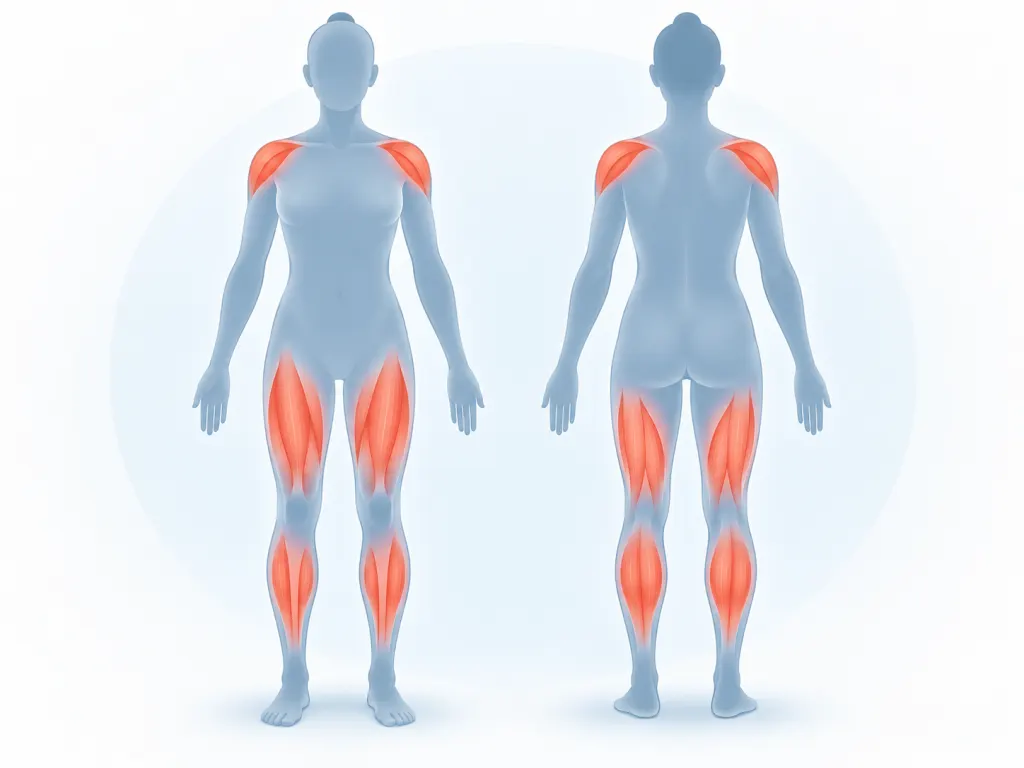
Muscle complaints are the side effect many readers worry about most. Mild soreness can have many explanations, including exercise, dehydration, viral illness, age-related changes, or another health condition. Still, atorvastatin labeling instructs patients to promptly report unexplained muscle pain, tenderness, or weakness, especially when it comes with malaise or fever. DailyMed Mayo Clinic describes statin-related muscle pain as soreness, tiredness, or weakness that may range from mild discomfort to symptoms that interfere with daily activities. Mayo Clinic
Call for guidance promptly if muscle symptoms are severe, unexplained, or paired with fever, marked weakness, or dark urine. Those combinations can signal a rare but serious muscle problem. This does not mean every leg ache is dangerous. It means certain patterns should be treated as time-sensitive, especially if you are older, have kidney or liver disease, have an underactive thyroid, drink substantial alcohol, or take multiple medicines that your clinician is monitoring.
Digestive changes can be subtle but still worth recording
Digestive symptoms are among the easiest to dismiss because everyday food choices, stress, travel, and infections can all change bowel habits. MedlinePlus lists diarrhea, heartburn, and gas as possible atorvastatin side effects, while NHS patient guidance includes constipation, diarrhea, indigestion, flatulence, and nausea. MedlinePlus NHS A single queasy afternoon may not mean much. A repeating pattern that begins after a medication change and continues for days or weeks is more useful information.
When you record digestive symptoms, include timing, meals, alcohol, supplements, and any new medicines. Also write down whether symptoms are mild annoyances or whether they affect eating, hydration, sleep, work, or errands. That practical detail helps a clinician decide whether the symptom needs evaluation, whether another cause is more likely, or whether a medication review would be appropriate.
Headache, dizziness, sleep trouble, and mental fog
Headache and dizziness can feel vague, but they matter when they affect concentration, balance, driving, or fall risk. The NHS lists headache, dizziness, and sleep problems among common atorvastatin side effects, and it advises waiting until dizziness stops before driving, cycling, or using machinery. NHS Sleep changes can be particularly hard to interpret because they overlap with caffeine timing, stress, pain, alcohol, shift work, and screen habits.
Memory fog and confusion require a careful tone. MedlinePlus lists forgetfulness, memory loss, and confusion as possible side effects. MedlinePlus Mayo Clinic notes that statin labels include warnings about memory loss or confusion in some people, but also says evidence for a cause-and-effect relationship is limited. Mayo Clinic If you notice cognitive changes, write down examples: missed appointments, trouble finding words, getting lost, or repeated confusion with familiar tasks. Specific examples are more helpful than a general statement that you feel “off.”

When symptoms should be handled urgently
Some symptoms should not wait for a routine appointment. MedlinePlus advises calling a doctor or seeking emergency medical help for serious symptoms such as muscle pain, tenderness, or weakness with lack of energy, extreme tiredness, fever, or flu-like symptoms; signs that may suggest liver trouble, including nausea, unusual bleeding or bruising, loss of appetite, upper right stomach pain, dark urine, or yellowing skin or eyes; allergic symptoms such as rash, itching, hives, trouble breathing or swallowing, swelling, or hoarseness; and chest pain. MedlinePlus
The NHS similarly flags possible serious effects involving the liver, pancreas, muscles, and allergic reactions, including severe stomach pain, red or brown urine with muscle symptoms, a raised itchy rash, swelling of the throat or tongue, or difficulty breathing. NHS If symptoms feel severe, rapidly worsening, or frightening, treat that as a reason to seek urgent help rather than waiting to see whether they pass.
How to prepare for a useful conversation
A short symptom diary is often more helpful than a long, anxious search history. Bring the prescription bottle or medication list, including over-the-counter products, vitamins, and herbal supplements. MedlinePlus recommends keeping a written list of all prescription and nonprescription medicines, vitamins, minerals, and supplements and bringing it to medical visits or hospital admissions. MedlinePlus The goal is not to prove atorvastatin is the culprit. The goal is to give your clinician enough context to assess timing, severity, other possible causes, and next steps.
For each symptom, write the date it began, how often it happens, what makes it better or worse, and whether it affects sleep, movement, digestion, work, or daily routines. Note any recent illness, new exercise, alcohol changes, grapefruit intake, new prescriptions, or supplements. NHS guidance says to tell a doctor or pharmacist about other medicines, herbal remedies, vitamins, or supplements before taking atorvastatin, and it also advises limiting grapefruit juice because too much can increase the chance of side effects. NHS
Reporting side effects can help safety monitoring
If a clinician believes a side effect may be important, it may be reported through a formal safety system. MedlinePlus notes that serious side effects may be sent to the FDA MedWatch Adverse Event Reporting program, and the FDA describes MedWatch as its medical product safety reporting program for health professionals, patients, and consumers. MedlinePlus FDA MedWatch Reporting is not the same as proving cause, but it helps regulators monitor patterns after products are in wider use.
That distinction matters. Side-effect lists include events reported in trials, labels, patient information, and postmarketing systems. Some are clearly recognized risks; others are reports that need context. Your personal decision should come from a qualified professional who can weigh your cholesterol history, cardiovascular risk, other conditions, current medicines, and the details of the symptom itself.
A calm bottom line
Atorvastatin side effects can be subtle, and subtle does not mean imaginary. Muscle aches, digestive changes, dizziness, headache, sleep changes, joint discomfort, and memory concerns are all worth tracking when they are new or persistent. At the same time, side effects are only one part of the picture. Atorvastatin is prescribed because a clinician believes lowering cardiovascular risk is important for that person. The best next step is not panic and not silence; it is a clear symptom record and a conversation with the professional responsible for your care.
Wrap-Up
Atorvastatin can be linked with subtle symptoms, including muscle aches, cramps, fatigue, joint discomfort, limb pain, headache, dizziness, nausea, diarrhea, constipation, indigestion, gas, sleep trouble, cold-like symptoms, and memory fog or confusion. Track timing, severity, and daily-life impact, then discuss patterns with a doctor, pharmacist, or qualified health professional. Seek urgent help for severe muscle symptoms, dark urine, yellowing skin or eyes, severe stomach pain, breathing trouble, swelling of the face or throat, chest pain, or any symptom that feels serious.
Frequently Asked Questions
- → Should I stop taking atorvastatin if I think I have side effects?
Do not stop or change atorvastatin on your own. Write down what you are experiencing and contact a doctor, pharmacist, or qualified health professional for guidance, especially if symptoms are persistent, worsening, or affecting daily life.
- → Which subtle atorvastatin symptoms are most useful to track?
Track new muscle aches, cramps, tiredness, weakness, joint discomfort, headache, dizziness, nausea, diarrhea, constipation, indigestion, gas, sleep trouble, cold-like symptoms, memory fog, or confusion. Include when each symptom began and whether it is mild, moderate, or disruptive.
- → When is an atorvastatin symptom urgent?
Seek urgent help for severe muscle pain or weakness, dark urine, fever with muscle symptoms, yellowing skin or eyes, severe stomach pain, trouble breathing, swelling of the face or throat, chest pain, or any symptom that feels sudden or serious.
- → Can digestive symptoms come from atorvastatin?
They can. Patient information from authoritative sources lists nausea, diarrhea, constipation, indigestion, heartburn, gas, and flatulence among possible effects. Because food, stress, infections, and other medicines can also cause digestive symptoms, a symptom diary can help your clinician assess the pattern.
- → What should I bring to a medication review?
Bring the atorvastatin container if available, a full list of prescription and nonprescription medicines, vitamins, minerals, and supplements, and notes about symptoms. Include dates, timing, severity, and any recent changes in routine, illness, alcohol use, grapefruit intake, or exercise.
References
This content was developed and refined using reliable sources.
- https://www.medlineplus.gov/druginfo/meds/a600045.html
- https://www.nhs.uk/medicines/atorvastatin
- https://dailymed.nlm.nih.gov/dailymed/fda/fdaDrugXsl.cfm?setid=a60cc18b-0631-4cf0-b021-9f52224ece65&type=display
- https://www.mayoclinic.org/diseases-conditions/high-blood-cholesterol/in-depth/statin-side-effects/art-20046013
- https://www.fda.gov/safety/medwatch-fda-safety-information-and-adverse-event-reporting-program