 Save
If a “pick a ring” personality quiz just told you that you're dependable, imaginative, or endlessly loyal, the honest short answer is this: the result says more about how the human mind responds to warm, open-ended language than about a hidden trait sealed inside a purple gemstone. Quizzes that ask you to choose one ring, color, or symbol from a lineup, then hand back a short personality description, are a popular entertainment format, not a validated psychological instrument. They borrow the visual appeal of gemstones and the structure of a real assessment without the research behind either. Understanding why these results feel so uncannily accurate, what color psychology research can and cannot support, how psychologists actually measure personality, and what a gemstone like amethyst really is can help you enjoy the quiz for what it is: a lighthearted prompt for self-reflection, not a verdict on who you are.
Why a Simple Ring Choice Feels So Revealing
The feeling that a quiz result was “written just for you” has a name: the Barnum effect, sometimes called the Forer effect after the psychologist who first studied it. Research on how people use personality assessments describes it as the tendency to accept general, mostly positive personality statements as personally accurate, even when the very same statement would apply to almost anyone who read it (Personality assessment usage and the Barnum effect, PMC). Quiz results tend to be worded warmly, “dependable,” “imaginative,” “fiercely loyal”, so most readers recognize a little of themselves in the description and credit the quiz with unusual insight, rather than noticing that the same flattering sentence was written to fit nearly every reader who happened to choose that option.
What the Ring-Choice Format Is Actually Testing
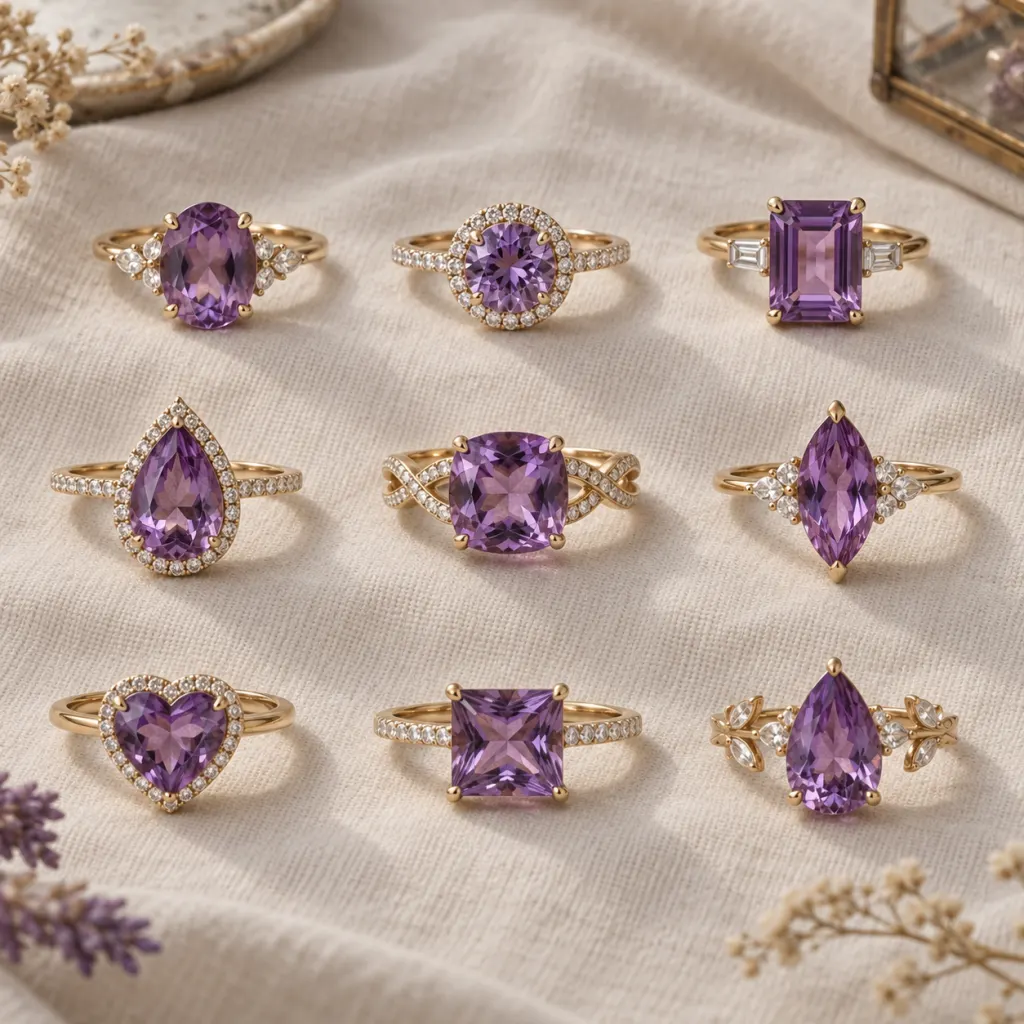
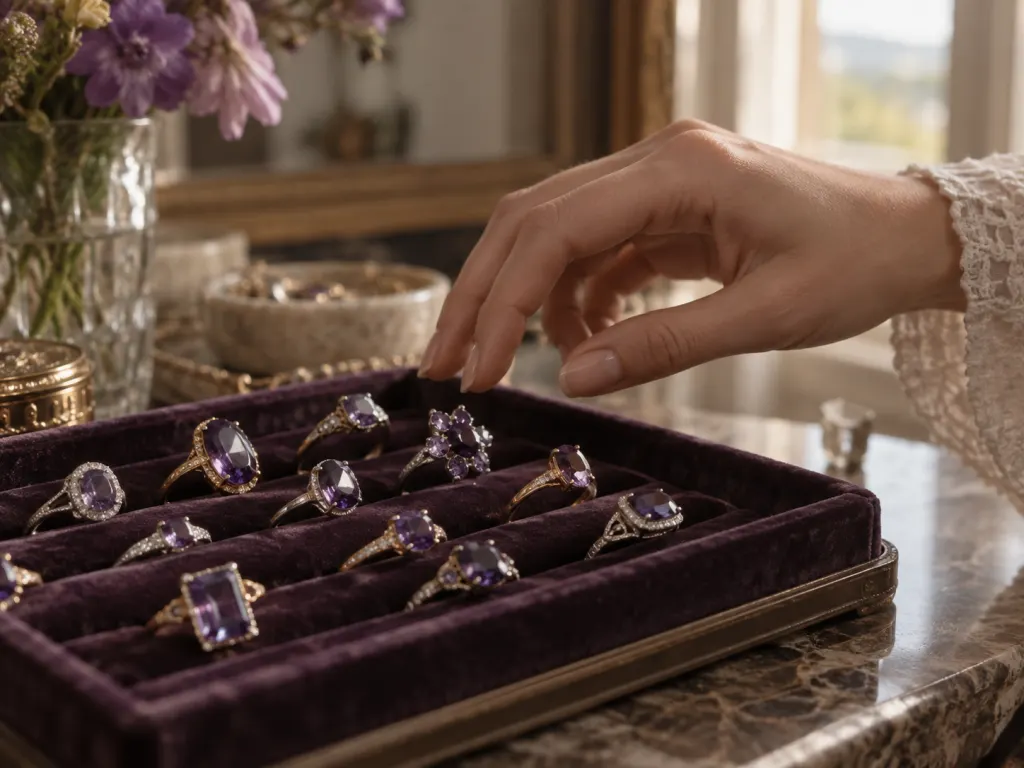
A ring-selection quiz asks you to make one quick, low-stakes choice among several similar objects, in this case, purple gemstone rings, and then matches that single choice to a pre-written trait description. The format spreads easily because it is fast, visual, and shareable, but it is not built the way a real personality measure is built. A validated assessment starts by defining a trait clearly, writes multiple questions that probe the same trait from different angles, checks that people answer consistently when retested weeks later, and confirms the tool actually predicts real-world behavior before it is published. A ring quiz skips every one of those steps: the trait assigned to any single ring exists because a writer decided it should, not because anyone who actually prefers that ring has been shown, through research, to behave differently from someone who prefers a different one.
Several ordinary psychological factors shape which ring a person actually taps first, and none of them are stable personality traits:
- Mood at the moment, a brighter or darker shade of purple may simply match how someone feels that day, not who they are every day.
- Order and wording effects, the option described first, or in the most flattering language, tends to get chosen more often regardless of its position in a lineup.
- Confirmation bias, once a result is read, people tend to remember the parts that fit and quietly forget the parts that do not.
- Simple visual preference, a favorite cut, size, or exact shade of purple can decide the pick long before any “personality” is involved.
What Color Psychology Research Actually Shows
Color is genuinely studied by psychologists, but the science is far more limited and far more context-dependent than quiz culture suggests. A widely cited review of color and psychological functioning concludes that the field remains “at a nascent stage of development” and that many existing studies carry real methodological weaknesses, including imprecise color measurement, small sample sizes, and inconsistent replication (Color and psychological functioning: a review, PMC). The same review notes that documented effects, such as red shifting attraction ratings or undermining performance on intellectual tasks, depend heavily on context; the same color can carry different associations in a classroom, on a dating profile, or in a shade of nail polish. No peer-reviewed evidence in this body of research supports the idea that a favorite shade of purple, or a specific gemstone, maps onto a fixed personality trait such as loyalty, creativity, or trustworthiness.

The Big Five: How Psychologists Actually Measure Personality
When researchers want to describe personality with evidence behind it, the most widely used framework is the Big Five, often remembered by the acronym OCEAN: openness to experience, conscientiousness, extraversion, agreeableness, and neuroticism (Understanding the Big Five Personality Traits, Cleveland Clinic). Each dimension is measured with dozens of questions rather than a single pick, and the model has been studied and refined since the 1970s. Even so, clinicians are careful to note that a self-scored online version of the Big Five works best as a starting point for reflection, not a full evaluation. A trained psychologist or behavioral health professional can place those results in the context of an actual conversation about a person's life and goals, something a five-minute quiz, built around one image of a ring, was never designed to do.
What Amethyst and Purple Gemstones Actually Are
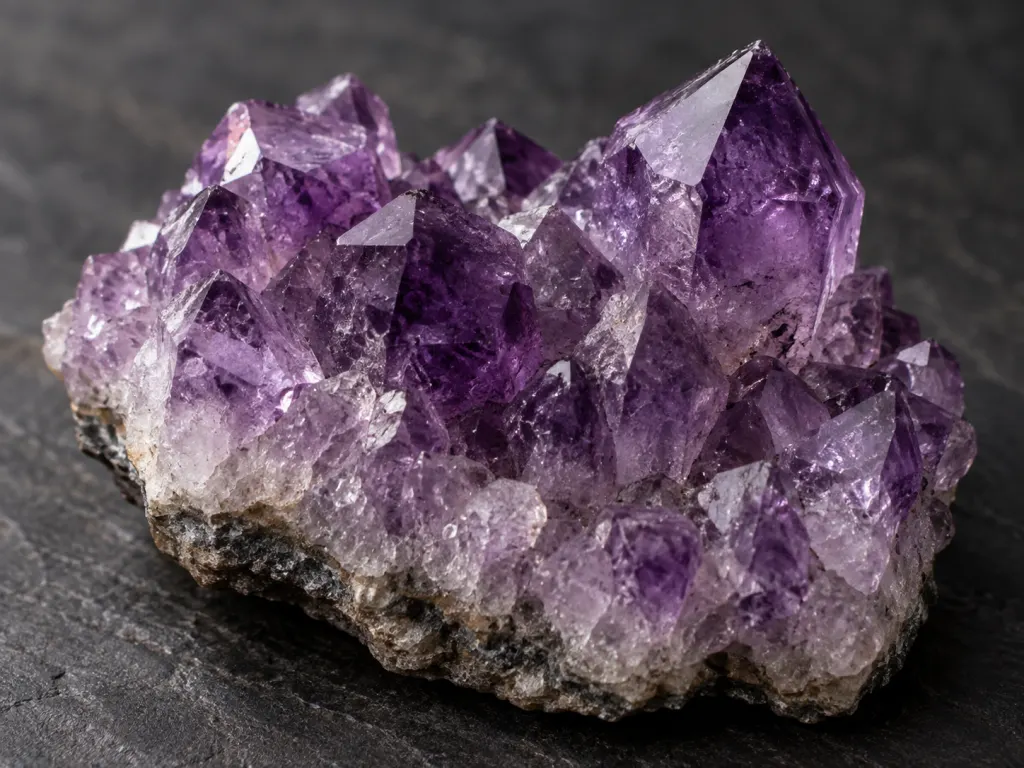
Setting the personality claims aside, the rings shown in a quiz like this are usually purple because of amethyst, a well-documented mineral rather than a mysterious object. Amethyst is a coarsely crystalline, purple variety of quartz, chemically silicon dioxide, with a hardness of 7 on the Mohs scale, placing it in the same mineral family as citrine and rose quartz (Natural Gemstones, U.S. Geological Survey). Its purple color comes from trace iron within the crystal structure as it formed, not from any property connected to a wearer's character. Long-standing folklore has attached symbolic meanings to amethyst across many cultures and centuries, and that history is worth appreciating on its own terms, but it is cultural tradition, not evidence that the stone influences behavior, mood, or personality.
Getting the Most Out of a Personality Quiz
None of this makes a ring-choice quiz worthless, it simply works best as entertainment and a light prompt for self-reflection rather than a diagnostic tool. The same research on the Barnum effect found that receiving a warm, generic personality description can genuinely support a reader's sense of identity and well-being, regardless of whether the description is scientifically accurate. Used that way, as a conversation starter with friends, a quick journaling prompt, or a moment to notice which qualities you would like to see described about yourself, the quiz can still be worthwhile, as long as the result is read as a mirror for what someone already values, rather than as a scientific verdict on their character.
Wrap-Up
Ring and color personality quizzes are entertainment, not validated psychology. The Barnum effect explains why the results feel personally accurate, color psychology research remains preliminary and context-dependent, and the Big Five model shows how real personality assessment actually works. Amethyst itself is simply a purple variety of quartz colored by trace iron. Enjoyed as a lighthearted prompt rather than a verdict, these quizzes can still offer a moment of genuine self-reflection.
Frequently Asked Questions
- → Do “choose a ring” personality quizzes actually measure real personality traits?
No. These quizzes match a single visual choice to a short, pre-written description; they are not built or tested the way validated personality assessments are. There is no research showing that people who pick a particular ring share a measurable trait, so the result reflects the quiz's wording and design more than anything about the person answering it.
- → Why does the quiz result feel so personally accurate?
This is largely the Barnum effect: warmly worded, broadly applicable personality statements feel personally true because most readers can find a little of themselves in flattering, general language. The same description would likely feel accurate to a large share of people, not just those who picked that specific ring.
- → Is there real science behind color and personality?
Psychologists do study color and behavior, but a major review describes the field as still preliminary, with inconsistent findings and effects that shift depending on context rather than fixed, universal meanings for specific colors or gemstones. Confident claims that one color equals one personality trait go beyond what current evidence supports.
- → How is a real personality assessment different from an online quiz?
A validated assessment like the Big Five model uses dozens of questions per trait, has been studied and refined for decades, and is best interpreted with guidance from a trained professional. A one-choice ring or color quiz skips that entire process of question development, testing, and validation.
- → Does amethyst have proven effects on mood, health, or personality?
No independent evidence supports that claim. Amethyst is a purple variety of quartz colored by trace iron in its crystal structure. Any mood, health, or personality claims attached to the stone come from folklore and marketing rather than measured scientific research, so they are best treated as cultural tradition, not fact.
- → Is it still okay to enjoy quizzes like this?
Yes. Treating the result as a lighthearted conversation starter, a journaling prompt, or a moment of playful reflection is a reasonable way to enjoy the format. The concern is only in treating a one-choice quiz as an accurate, science-backed description of who you really are.