 Save
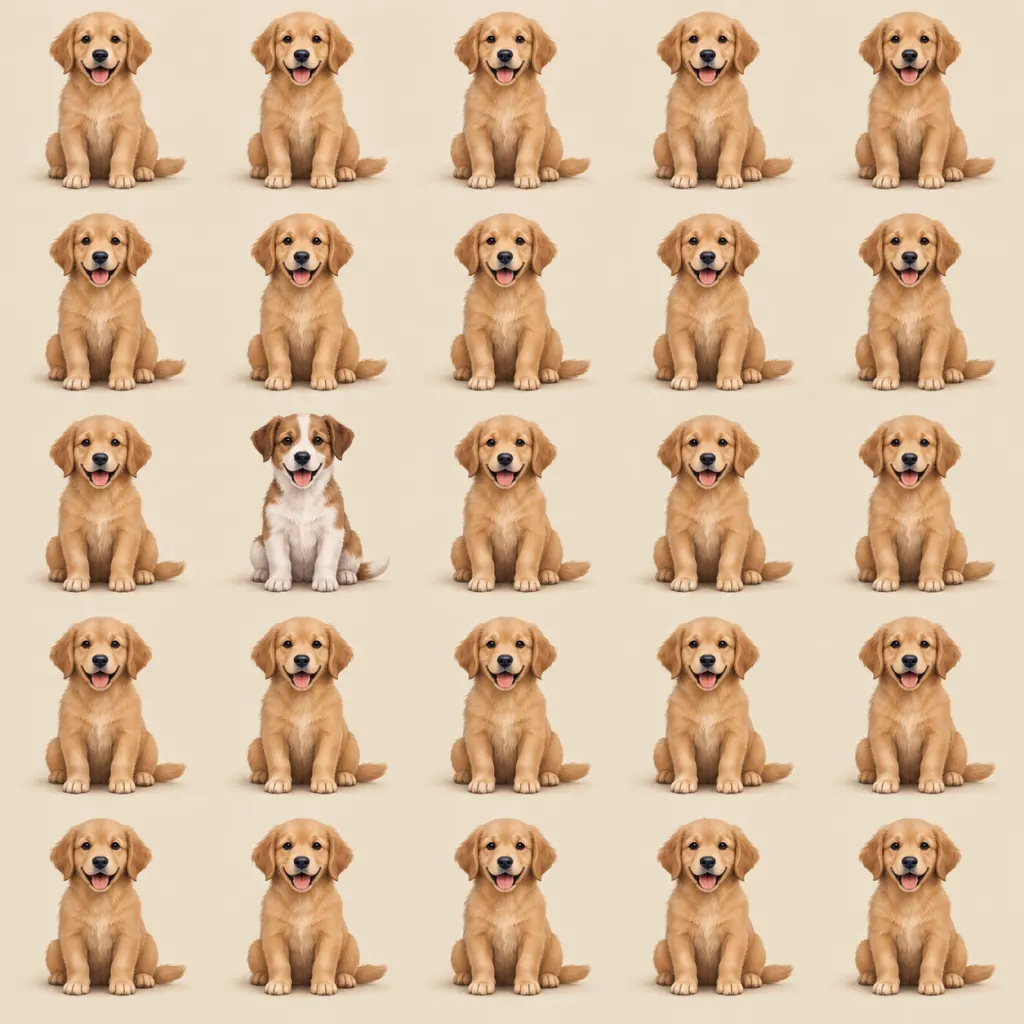
A trending image puzzle claims that the first three colors you spot in a busy grid reveal how you naturally intimidate other people, through passion, calm intelligence, quiet strength, or vibrant energy. It is a fun way to spend a minute online, but it is not a validated psychological test. No peer-reviewed research links which color a viewer's eye lands on first to a stable personality trait, let alone to something as specific as how intimidating they come across to others. What research does support is something related but different: colors can shape mood and snap judgments in small, measurable ways, and first impressions of traits like trustworthiness and dominance form within a fraction of a second, driven mostly by facial structure, expression, and posture, not by which color square catches someone's eye first.
How the "First Three Colors" Puzzle Actually Works
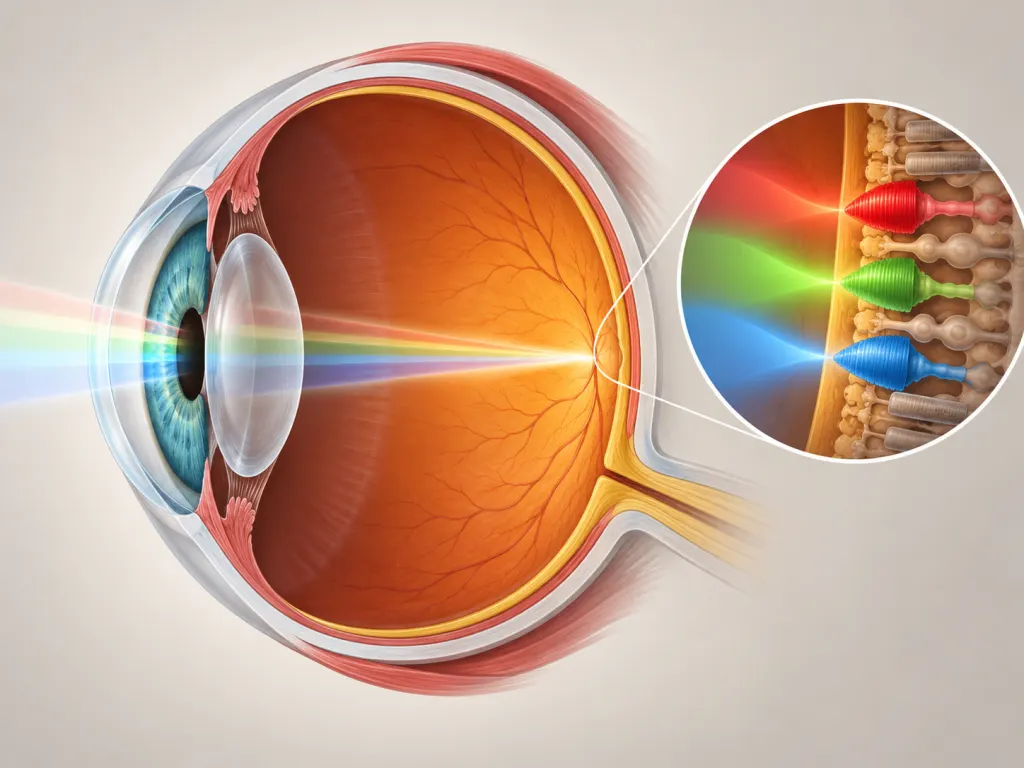
Puzzles like this present a dense grid of overlapping letters or shapes in several colors. Because the human eye does not scan a busy image evenly, the colors a viewer notices first are shaped by ordinary visual factors: contrast against the background, saturation, size, and position on the page, not by anything about the viewer's personality. Color perception itself begins in the retina, where three types of cone cells detect different wavelengths of light; the brain then groups those signals into the color categories people recognize, such as red, blue, or green, in a process researchers at the National Eye Institute describe as involving distinct, predictable brain activity patterns for each color. That process explains why people notice certain colors quickly. It says nothing about a viewer's intimidation style, confidence, or intelligence.
What Color Psychology Research Actually Shows
Legitimate color psychology research does exist, and it is more modest than viral puzzles suggest. Warm hues such as red, orange, and yellow are generally associated with stimulation and energy, while cooler hues such as blue and green tend to read as calm, associations that show up across cultures but vary by context and individual. One frequently cited line of research looked specifically at red and found that people who preferred red over blue scored somewhat higher on measures of hostility, and were also more likely to notice red in ambiguous images. However, the researchers were careful to note their own limits: the studies were correlational, meaning they cannot show that red preference causes hostility rather than the other way around, the effect was specific to prototypical red rather than colors like purple or orange, and the statistical effect sizes were modest, explaining only a small share of the variation between people (peer-reviewed color-personality research, PMC). That is a long way from a puzzle claiming to reveal exactly how someone intimidates others.
Why Color-Based Personality Tests Fall Short Scientifically
Color-based personality instruments have circulated for decades, and each time researchers have tested them formally, the results have been disappointing. The Lüscher Color Test, one of the earliest popular color-preference assessments, has repeatedly shown low construct validity, meaning it does not reliably measure what it claims to measure. Similar commercial "color code" and "true colors" style assessments have not established solid reliability or validity in independent testing, and reviewers note a broader problem: there is a scarcity of systematic, well-controlled studies on color-personality links in general, and the findings that do exist are inconsistent from study to study. None of this means color is meaningless to how people feel or behave, it means the leap from "the first color you noticed" to "how you intimidate people" is not something current research supports.
The Real Science Behind First Impressions and Feeling "Intimidating"
If a color puzzle cannot tell you how you come across to others, what can? Psychologist Alexander Todorov and colleagues at Princeton University have spent years studying how people form snap judgments of others from faces alone. Their research shows people judge traits like trustworthiness and dominance in well under a second of exposure to an unfamiliar face, fast enough that the judgment happens before any conscious reasoning occurs. Facial structure plays a large role: more mature, angular features tend to read as dominant, while softer, more baby-faced features read as submissive, and these judgments happen automatically regardless of whether they are accurate. Todorov's own work is a caution against overconfidence in these instant reads: he found that first impressions from faces are frequently wrong, and that small shifts in expression can flip how the same person is categorized, from approachable to intimidating, even though the viewer experiences the judgment as a stable read on personality (Princeton Alumni Weekly, summarizing Todorov's research).

How Color Influences the Way We Read Faces
Color does matter to first impressions, but through a different channel than viral puzzles suggest: the color of the face itself, not a background grid. Research from the National Eye Institute found that people have strong, largely unconscious expectations about how a healthy face should be colored. In experiments using lighting that made faces appear greenish, participants consistently read those faces as unwell, even though the same lighting did not produce comparable misreadings for other objects. The researchers suggest this rosy-versus-sickly color sensitivity may be old enough, evolutionarily, to have shaped how primate color vision itself developed, since spotting illness or vitality in a companion's face has real survival value (National Eye Institute research on face color and health perception). This is a genuine example of color shaping social judgment, but it depends on someone's actual skin tone and lighting, not on which color a person notices first in a puzzle.
What Actually Shapes How Intimidating You Come Across
- Posture and stillness: An upright, relaxed posture reads as confident; restless movement or a hunched stance often reads as nervous rather than intimidating.
- Eye contact: Steady, natural eye contact tends to be read as trustworthy and assured; both avoiding eye contact and staring fixedly can unsettle others.
- Vocal tone and pace: A measured, lower-pitched, unhurried speaking style is consistently associated with perceived competence and calm authority.
- Facial expression at rest: Because first impressions form so quickly, a neutral resting expression can be misread as stern; a brief, genuine smile at first contact shifts that read.
- Consistency between words and body language: Mismatches between a friendly tone and closed-off body language create ambiguity that people often interpret as guardedness.

Should You Still Enjoy Color Puzzles Like This One?
There is nothing wrong with treating a "first three colors" puzzle as a lighthearted prompt for self-reflection, the same way people enjoy horoscopes or trivia quizzes. The issue is only in treating the result as diagnostic. If a puzzle result happens to describe you accurately, that is far more likely to reflect the broad, flattering wording most of these results use, most people will recognize themselves in a description that says they are passionate, thoughtful, grounded, or energetic, than any genuine measurement of how you affect other people. If you are curious about how you actually come across, feedback from people who know you, or direct observation of your posture, tone, and expression in real interactions, will tell you far more than a color grid ever could.
Wrap-Up
Viral "first three colors" puzzles are entertainment, not psychological assessment, no research supports the idea that the color you notice first in a grid reveals how you intimidate people. What the evidence does support is more nuanced: color can nudge mood and social judgments in small, well-documented ways, such as how a face's own skin tone shapes perceived health, and color-preference personality tests have consistently failed formal validity testing. The traits people actually use to judge someone as intimidating or approachable, trustworthiness and dominance, are read from facial structure, expression, posture, and tone within a fraction of a second, and even those instant reads are frequently wrong. Enjoy the puzzle for fun, but look to real feedback and self-observation for an accurate picture of how you come across.
Frequently Asked Questions
- → Is there any real science behind the "first three colors" intimidation puzzle?
- No. The specific claim that the first colors you notice in a puzzle reveal how you intimidate people has not been studied or validated. It is a popular entertainment format, similar to a personality quiz, not a psychological measurement.
- → Do colors actually affect how people perceive personality at all?
- Color can influence mood and some snap judgments in small, measurable ways, such as warm colors reading as more stimulating than cool ones. But research on color and personality traits shows weak, inconsistent effects, and color-preference tests have repeatedly failed formal reliability and validity testing.
- → What actually determines whether someone seems intimidating at first meeting?
- Research on first impressions shows people judge traits like trustworthiness and dominance almost instantly from facial structure, expression, posture, eye contact, and vocal tone, not from color preferences. These snap judgments happen automatically but are frequently inaccurate.
- → Are any color-based personality tests scientifically validated?
- No widely used color-personality test, including the Lüscher Color Test and similar "color code" style assessments, has demonstrated strong scientific validity in independent research. They can be engaging, but their results should not be treated as reliable personality assessments.
- → Why do some faces get perceived as looking unhealthy under certain colors or lighting?
- Research on face perception shows people have strong unconscious expectations about healthy skin coloring, so lighting that shifts a face toward green tones can make it read as unwell, even when the person's actual health is unaffected. This is a genuine color-perception effect, distinct from personality-based color puzzles.
- → How can I get an accurate sense of how I come across to others?
- Direct feedback from people who know you, along with attention to your own posture, tone, eye contact, and expression in real conversations, gives a far more accurate picture than any color puzzle. For ongoing concerns about social perception or anxiety, a qualified counselor or psychologist can help.
References
This content was developed and refined using reliable sources.
- https://www.nei.nih.gov/research-and-training/research-news/envision-color-activity-patterns-brain-are-specific-color-you-see
- https://www.nei.nih.gov/research-and-training/research-news/rosy-health-and-sickly-green-color-associations-play-robust-role-reading-faces
- https://paw.princeton.edu/article/psychology-first-impressions
- https://pmc.ncbi.nlm.nih.gov/articles/PMC4085135