 Save
The three lung-related signs most worth noticing after polluted-air exposure are a cough or irritated throat, wheezing or chest tightness, and shortness of breath that appears during outdoor activity or in smoky, dusty, or poorly ventilated indoor spaces. These signs can happen for many reasons, including respiratory infections, allergies, asthma, and heart or lung conditions, so they are clues rather than proof. Still, they deserve attention when they line up with a poor Air Quality Index day, wildfire smoke, heavy traffic, indoor cooking smoke, dust, or other visible or smelled pollutants. The CDC links ozone with coughing, pain with deep breathing, throat irritation, wheezing, and trouble breathing during outdoor activity, and it links particle pollution with eye, throat, and lung irritation as well as trouble breathing CDC.
Why pollution symptoms can feel vague
Air pollution is not one single substance. It can include ground-level ozone, particle pollution, carbon monoxide, nitrogen dioxide, sulfur dioxide, smoke, dust, fumes, and volatile chemicals. The National Institute of Environmental Health Sciences describes air pollution as a mixture from human-made and natural sources, including vehicle emissions, power generation, wildfires, cigarette smoke, and industrial processes NIEHS. Because the mixture changes by place, season, weather, and indoor habits, two people can be in the same neighborhood and have different experiences. One person may notice throat scratchiness after a smoky evening; another may notice chest tightness while exercising near traffic; a third may notice no immediate sensation at all.
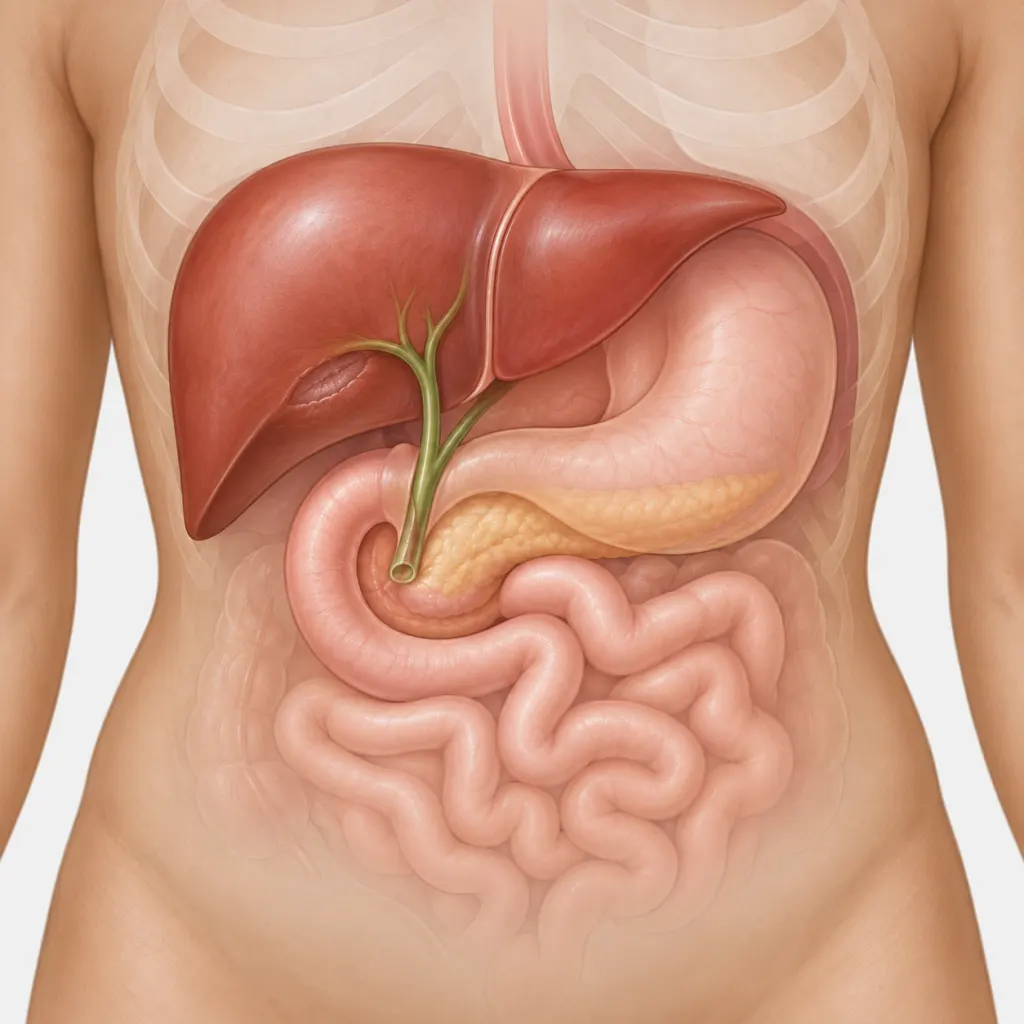
The lungs are also not isolated from the rest of the body. Fine particles can be breathed deeply into the airways, and some very small particles may pass into the bloodstream. WHO explains that the respiratory tract is a main exposure route and that pollution can contribute to inflammation and stress in cells throughout the body WHO. That does not mean every cough after a hazy day is caused by pollution. It means symptoms make more sense when you look at timing, intensity, your personal health background, and measured air quality together.
Sign 1: A cough or irritated throat after smoky or hazy air
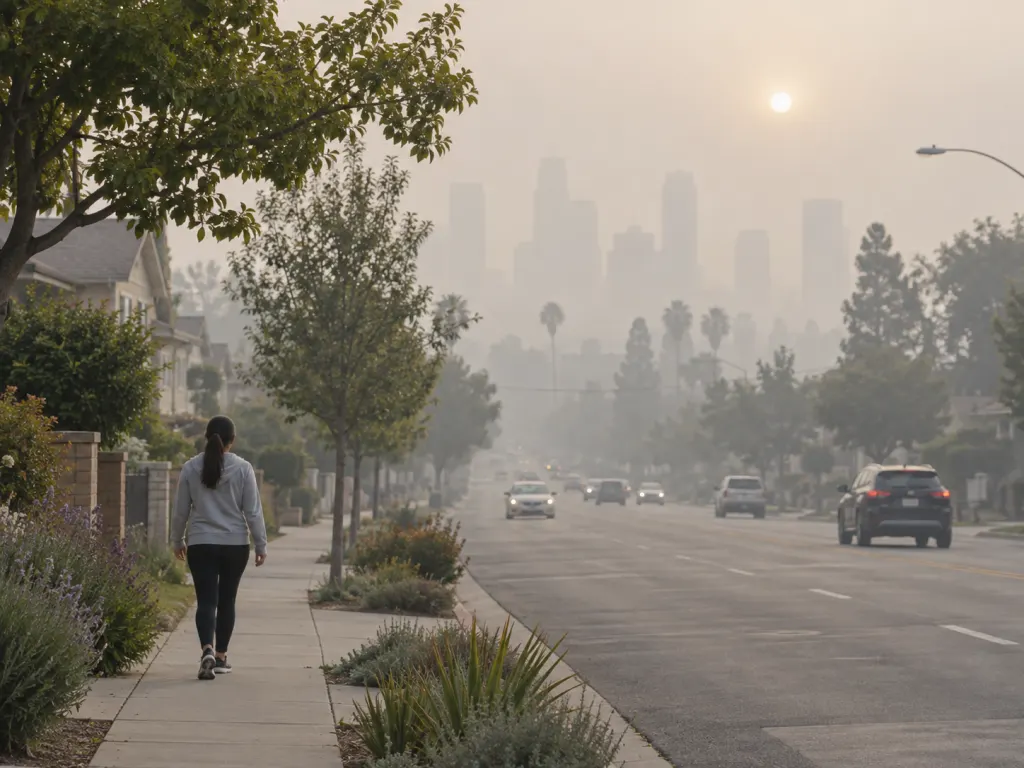
A cough that starts or worsens after being outdoors on a high-pollution day can be one of the clearest early clues. Ozone is associated with coughing and lung or throat irritation, while larger inhalable particles can irritate the eyes, nose, and throat CDC. This kind of cough may feel dry, tickly, or scratchy rather than deep. It may show up after walking near a busy road, being outside during wildfire smoke, exercising when ozone is high, or spending time in a room where cooking smoke, incense, candles, or dust built up.
Timing matters. A cough that closely follows a known exposure and improves when you are in cleaner air may point toward irritation. A cough with fever, body aches, a runny nose, or close contact with someone who was sick may fit a respiratory infection better. CDC notes that respiratory illnesses can affect the nose, throat, airways, and lungs, with cough and sore throat among common symptoms CDC. If a cough is persistent, repeatedly returns, or feels different from your normal pattern, it is safer to treat it as a health signal worth discussing with a qualified clinician.
Sign 2: Wheezing, chest tightness, or pain with deep breaths
Wheezing is a high-pitched or whistling sound with breathing. Chest tightness may feel like pressure, constriction, or a sense that taking a full breath takes more effort than usual. The CDC specifically lists wheezing and trouble breathing during exercise or outdoor activities among ozone-linked symptoms, and it notes that people with asthma or other lung conditions, older adults, babies and children, and people who work or exercise hard outdoors may be more affected by ozone CDC. These symptoms deserve particular attention because they can overlap with conditions that need professional evaluation.
Pollution-related tightness may be more noticeable when breathing harder. That is why running, cycling, yard work, commuting on foot near traffic, or outdoor work can reveal irritation that was less obvious at rest. The issue is not weakness or lack of willpower. During heavier activity, you move more air through the lungs, so the amount of pollutant contacting the airways can rise. AirNow advises using the Air Quality Index to plan outdoor activities because AQI forecasts tell people which groups may be affected and what steps can lower exposure on a given day AirNow.

Sign 3: Shortness of breath that tracks with place or activity
Shortness of breath can mean feeling winded sooner than usual, needing to slow down, feeling unable to take a satisfying deep breath, or feeling that normal activity suddenly requires more effort. Particle pollution is especially relevant here because smaller particles can reach deeper parts of the lungs. EPA states that inhalable particles smaller than 10 micrometers can get deep into the lungs, and some may even enter the bloodstream EPA. When breathlessness appears on smoky, dusty, or high-AQI days, pollution should be part of the pattern you consider.
Place is a useful clue. Symptoms that worsen near traffic, during wildfire smoke, around construction dust, in a garage, in a kitchen with poor ventilation, near a fireplace, or in a room with burning candles may reflect particle or gas exposure. EPA notes that indoor particle sources include cooking, combustion activities, tobacco smoke, some cleaning activities, dust, biological contaminants, printers, and indoor chemical reactions EPA. Outdoor particles can also enter homes through windows, doors, cracks, and gaps, so staying indoors only helps when indoor air is actually cleaner.
A practical checklist for connecting symptoms with air quality
Because symptoms alone cannot confirm what you breathed, the most useful approach is a simple pattern check. Write down when symptoms started, where you were, what the AQI was, and what was happening indoors. Look for repeated connections rather than one isolated event.
- Check the AQI: AirNow explains that higher AQI values mean more pollution and greater health concern, with values above 100 becoming unhealthy first for sensitive groups and then for more people as levels rise AirNow.
- Notice the pollutant: Ozone often rises on sunny days, while particle pollution may rise with smoke, dust, traffic, or combustion.
- Compare indoor sources: Cooking smoke, candles, fireplaces, unvented heaters, dust, and tobacco smoke can raise indoor particles.
- Track activity: Symptoms that appear during heavy breathing outdoors may be easier to connect with air quality than symptoms that happen randomly.
- Know your baseline: A change from your usual breathing pattern matters more than a single mild sensation.
Indoor air can be part of the exposure story
Many people think of pollution as something outside, but indoor air is often a major part of daily exposure. EPA’s indoor air quality factsheet notes that people spend about 90 percent of their time indoors on average and that indoor levels of some pollutants are often several times higher than outdoor levels EPA. This is especially relevant for kitchens, workshops, attached garages, fireplaces, homes near busy roads, and homes affected by wildfire smoke. If your cough or chest tightness seems worse after cooking, cleaning, burning candles, using a fireplace, or opening windows on a smoky day, the indoor environment deserves the same attention as the outdoor forecast.

How to reduce exposure on high-pollution days
When the AQI is elevated, the goal is to breathe less polluted air, especially during the hours when levels are expected to be highest. CDC recommends spending more time indoors when ozone or particle pollution is high, choosing easier outdoor activities, planning outdoor activity for times when levels are lower, and avoiding busy roads when particle pollution is high CDC. AirNow’s current and forecast AQI can help with practical timing because air quality can shift through the day, especially during smoke events AirNow.
At home, source control is usually the most direct step. EPA’s indoor air quality guidance describes three broad strategies: reducing indoor pollution sources, improving ventilation when outdoor air is suitable, and using filtration or air cleaning as a supplement EPA. For particle pollution, EPA specifically recommends using exhaust fans vented outdoors when cooking, venting fuel-fired appliances outdoors, avoiding unvented combustion appliances indoors, maintaining heating systems, and changing HVAC or air-cleaner filters according to the manufacturer’s directions EPA.
Who may notice symptoms sooner
Pollution can bother anyone, but some people may notice symptoms at lower levels or have a smaller margin for exposure. CDC lists people with asthma or other lung conditions, older adults, people who exercise or work hard outside, babies, and children among groups more likely to be bothered by ozone. For particle pollution, CDC also includes people with heart conditions and diabetes among groups more likely to be affected CDC. This does not mean everyone in these groups will react the same way. It means a cautious plan is reasonable when air quality is poor or changing quickly.
Children can be more exposed during ordinary routines because they spend time closer to the floor, breathe more air relative to body size, and may be active outdoors. Older adults and people with existing heart or lung conditions may have symptoms that feel less forgiving. Outdoor workers, athletes, and commuters who walk or bike near heavy traffic can also take in more polluted air simply because they breathe harder for longer periods. These realities are practical, not moral: the same air can land differently depending on a person’s work, home, transportation, health history, and neighborhood.
When breathing symptoms need urgent attention
Seek emergency medical care right away for severe breathing difficulty, shortness of breath that comes on suddenly or seriously interferes with talking, persistent chest pain or pressure, confusion, inability to wake or stay awake, seizures, blue or gray lips or face, or a fever or cough that improves and then returns worse. CDC lists difficulty breathing, persistent chest or abdominal pain or pressure, confusion, inability to arouse, seizures, severe weakness, and worsening fever or cough among emergency warning signs for respiratory illness complications CDC. For children, fast breathing, trouble breathing, ribs pulling in with each breath, chest pain, bluish lips or face, dehydration, and lack of alertness should be treated as urgent.
What to do after symptoms pass
If symptoms improve after you move away from smoke, dust, fumes, or high outdoor pollution, that improvement is useful information, but it is not a final answer. Keep a short record for a week or two: date, AQI, location, activity, indoor sources, and symptoms. This can help you decide whether the pattern is mainly outdoor, indoor, activity-related, seasonal, or unrelated to air quality. It can also make a medical conversation clearer if symptoms continue. The safest takeaway is balanced: do not panic over one scratchy-throat day, but do not ignore breathing changes that keep returning with polluted air.
Wrap-Up
Cough or throat irritation, wheezing or chest tightness, and unusual shortness of breath can all appear when lungs are irritated by polluted air. The signs are not specific enough to prove exposure on their own, so compare them with AQI readings, indoor particle sources, timing, and your usual baseline. On high-pollution days, reduce heavy outdoor activity, avoid busy roads when possible, manage indoor sources such as cooking smoke and combustion, and seek urgent help for severe or sudden breathing symptoms.
Frequently Asked Questions
- → Can symptoms prove that my lungs were exposed to pollution?
No. Cough, throat irritation, wheezing, chest tightness, and shortness of breath can have many causes. They become more meaningful when they appear soon after high AQI readings, smoke, heavy traffic, dust, cooking fumes, or other clear exposure patterns.
- → Which air pollutants are most often linked with breathing symptoms?
Ground-level ozone and particle pollution are two common concerns. CDC links ozone with cough, pain with deep breathing, lung and throat irritation, wheezing, and trouble breathing during outdoor activity. Fine particles are also important because very small particles can reach deeper areas of the lungs.
- → Can indoor air make pollution-related symptoms worse?
Yes. Indoor particles can come from outdoor air, cooking, candles, fireplaces, unvented heaters, tobacco smoke, dust, printers, biological material, and some chemical reactions indoors. Ventilation, source control, and appropriate filtration can help lower exposure when used thoughtfully.
- → Should I exercise outdoors when the AQI is high?
On high-pollution days, consider lighter activity, a cleaner location, or a time when air quality is better. AirNow’s current and forecast AQI can help you plan because ozone and particle levels can change during the day.
- → When should breathing symptoms be treated as urgent?
Seek emergency medical care for severe or sudden breathing difficulty, chest pain or pressure, confusion, inability to stay awake, seizures, blue or gray lips or face, or symptoms that are rapidly worsening. Children with fast breathing, ribs pulling in with each breath, chest pain, bluish lips or face, or unusual sleepiness need urgent help.
References
This content was developed and refined using reliable sources.
- https://www.cdc.gov/air-quality/pollutants/index.html
- https://www.niehs.nih.gov/health/topics/agents/air-pollution
- https://www.who.int/teams/environment-climate-change-and-health/air-quality-energy-and-health/health-impacts
- https://www.airnow.gov/aqi/aqi-basics
- https://www.airnow.gov/aqi/aqi-basics/using-air-quality-index
- https://www.epa.gov/indoor-air-quality-iaq/indoor-particulate-matter
- https://www.epa.gov/indoor-air-quality-iaq/sources-indoor-particulate-matter-pm
- https://www.epa.gov/indoor-air-quality-iaq/factsheet-what-indoor-air-quality
- https://www.cdc.gov/respiratory-viruses/about/index.html