 Save
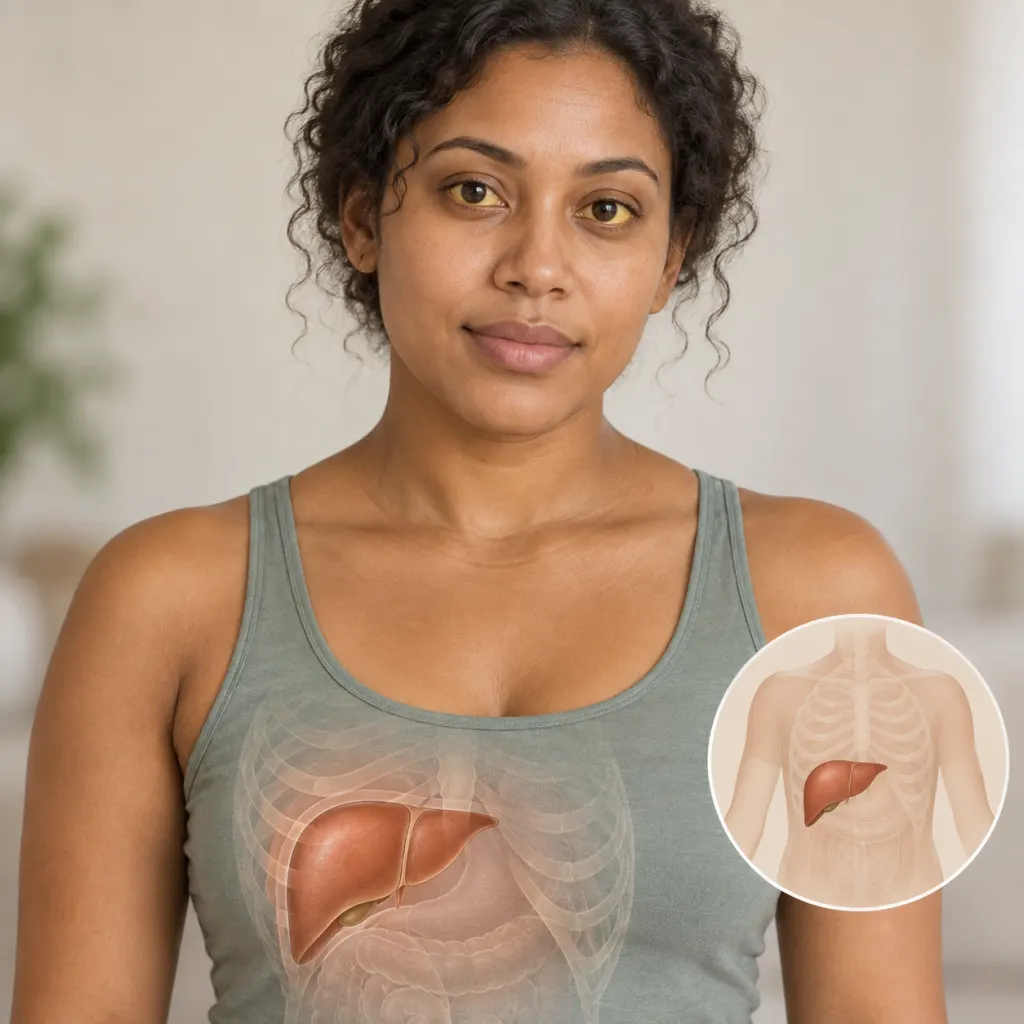
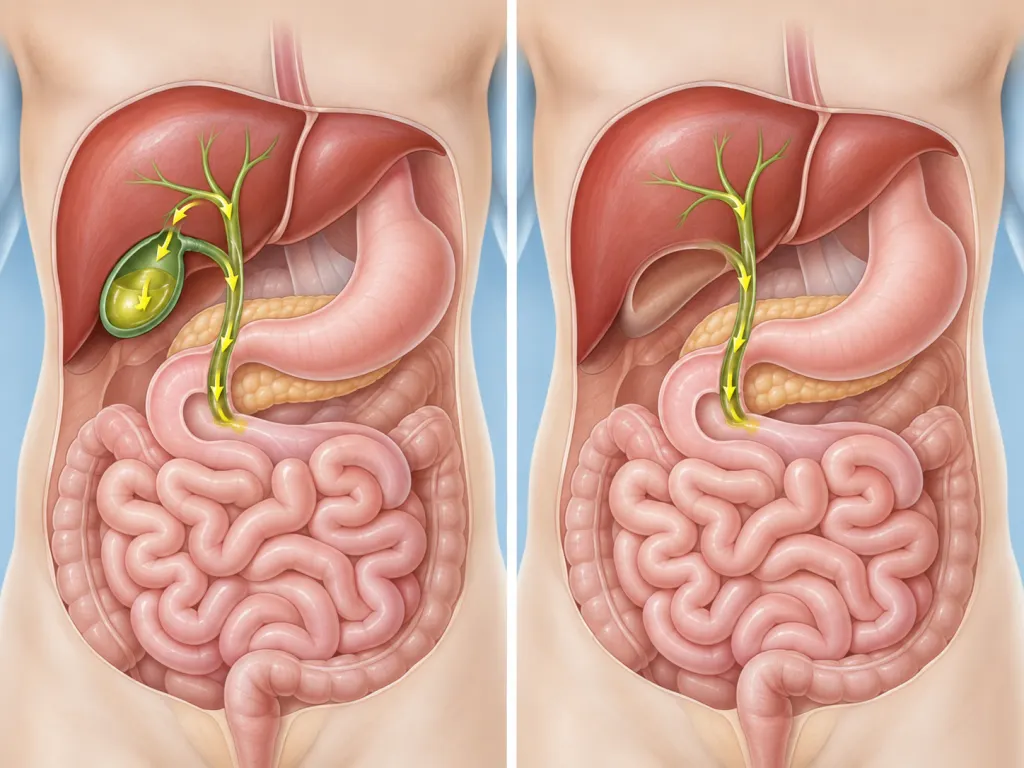
Gallbladder removal does not stop your body from making bile. The liver keeps producing bile; the difference is that bile no longer has a small storage pouch waiting under the liver. After the operation, bile moves through the bile ducts into the small intestine more steadily, rather than being released from the gallbladder in a stronger burst when you eat. The National Institute of Diabetes and Digestive and Kidney Diseases explains that the gallbladder is not essential and that people can live normally without it, though some notice softer or more frequent stools afterward https://www.niddk.nih.gov/health-information/digestive-diseases/gallstones/treatment. In practical terms, the first weeks are often a period of digestive adjustment. Many people return to a familiar eating pattern over time, while others need to be more careful with very fatty meals, meal size, or lingering diarrhea. The key is to separate expected short-term changes from symptoms that need medical follow-up.
The main change: bile no longer waits in a storage pouch
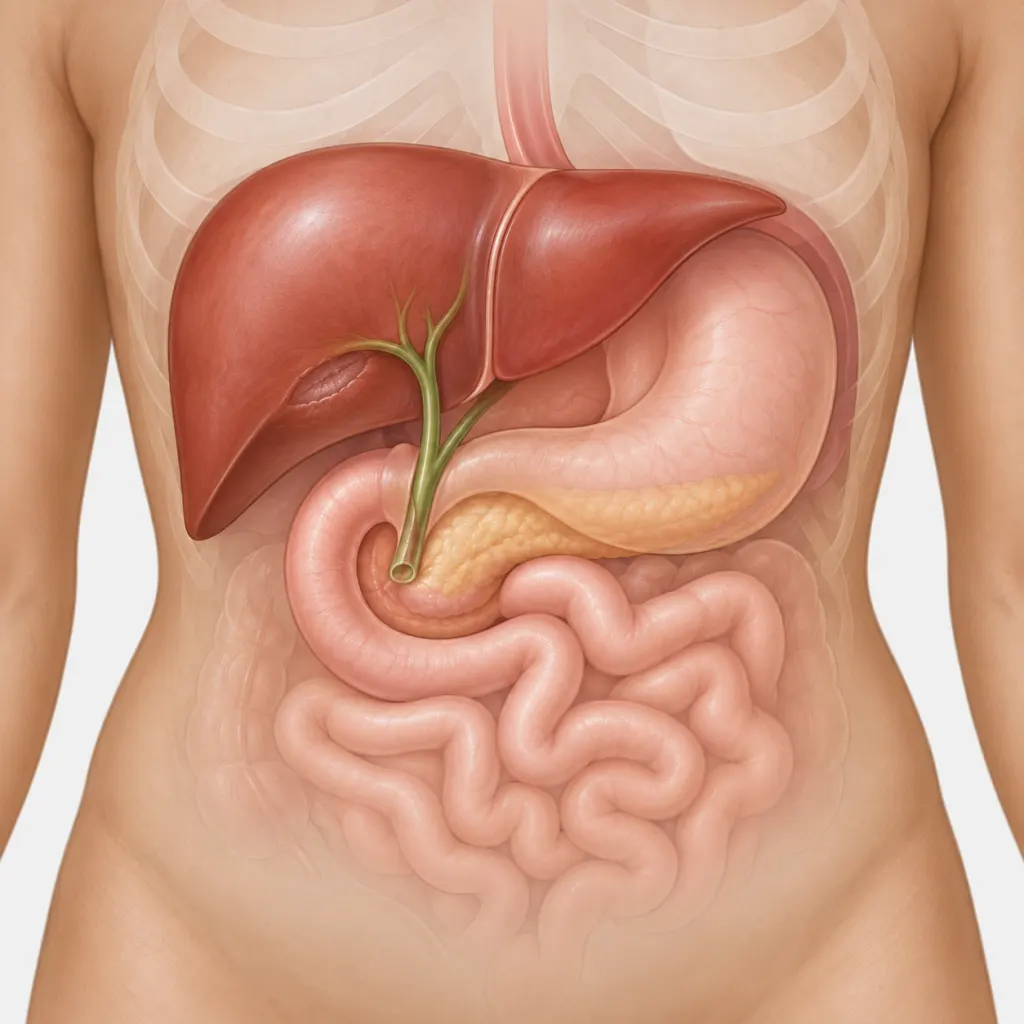
The gallbladder’s job is storage, not bile production. Bile is made by the liver and helps the body handle fats during digestion. Before surgery, the gallbladder stores and concentrates bile between meals, then squeezes it into the small intestine when food arrives. NIDDK describes the biliary tract as the system of gallbladder and bile ducts that moves bile from the liver toward the small intestine https://www.niddk.nih.gov/health-information/digestive-diseases/gallstones/definition-facts. Once the gallbladder is removed, the ducts still carry bile, but there is no longer a reservoir that holds extra bile for a large meal.
This is why life after cholecystectomy, the medical name for gallbladder removal, is usually less dramatic than online captions make it sound. The body has not lost its ability to digest food. It has lost a timing tool. For many people, that change is subtle after recovery. For others, especially early on, meals that are large, greasy, or very rich may move through the digestive system in a less predictable way. That does not mean the operation has failed; it means the digestive rhythm has changed and may need time, smaller meals, and follow-up if symptoms continue.
Why digestion can feel different at first
The most common digestive changes after gallbladder removal are loose stools, more frequent bowel movements, gas, bloating, cramping, or nausea during recovery. Cleveland Clinic notes that bile flows more directly from the liver to the small intestine after the gallbladder is removed, and that many people have a temporary adjustment period, especially with heavier meals https://my.clevelandclinic.org/health/treatments/21614-gallbladder-removal. Mayo Clinic also states that most people do not have lasting digestive problems after cholecystectomy, although occasional loose stool can happen and usually improves with time https://www.mayoclinic.org/tests-procedures/cholecystectomy/about/pac-20384818.
What a person notices can depend on the reason for surgery, the type of operation, previous digestive issues, the pace of returning to normal meals, and the body’s response to anesthesia and recovery. A useful way to think about the first weeks is to watch patterns rather than blame one food forever. A meal that feels too rich one week may be tolerated later in a smaller portion.
- Loose stools: bile entering the intestine more steadily may contribute, especially soon after surgery.
- Gas and bloating: the gut may be more sensitive while meals, movement, and bowel habits normalize.
- Fatty-food sensitivity: fried foods, heavy sauces, and large portions may be harder at first.
- Constipation: less movement, lower fluid intake, and post-surgery routines can also slow bowel habits for some people.
Recovery depends on the type of operation
Most gallbladder removals are laparoscopic, meaning the surgeon uses small incisions and a camera. Mayo Clinic says many people go home the same day after laparoscopic cholecystectomy, and that full recovery often takes about a week, while open surgery usually involves a hospital stay and a longer recovery of four to six weeks https://www.mayoclinic.org/tests-procedures/cholecystectomy/about/pac-20384818. Cleveland Clinic gives a similar broad picture: laparoscopic recovery is commonly shorter, while open surgery takes longer and may require more limits on activity https://my.clevelandclinic.org/health/treatments/21614-gallbladder-removal.
Recovery is not only about the incisions. Energy can lag for a while, appetite may be uneven, bowel habits may change, and the abdomen may feel tender. MedlinePlus notes that many people can return to most normal activities within a week or two after laparoscopic surgery, but normal energy can take several weeks for some people https://www.medlineplus.gov/ency/patientinstructions/000117.htm. If a person’s work is physically demanding, lifting and strain need a more individualized plan from the surgical team.
Eating after surgery is usually a gradual reset
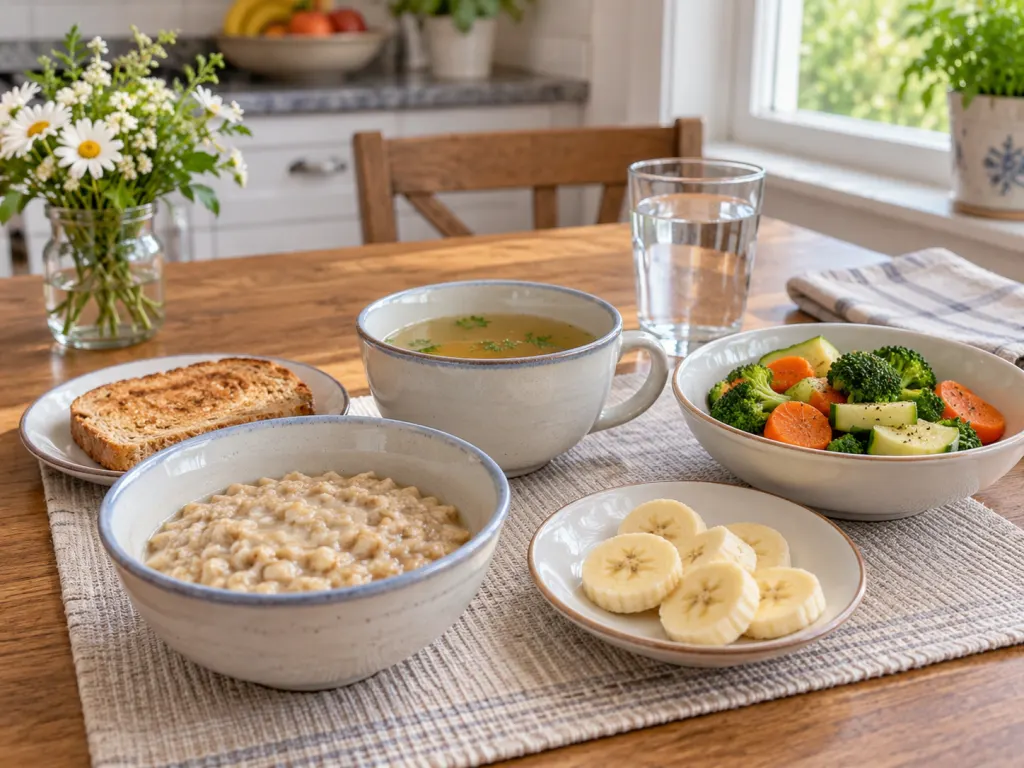
There is no single perfect diet for every person without a gallbladder. The more useful idea is progression: start gently, notice what your body tolerates, and widen choices as recovery allows. Cleveland Clinic’s diet guidance after gallbladder removal emphasizes that high-fat foods and high-fiber foods may be harder at first, and that smaller, more frequent meals can be easier than a few large meals https://health.clevelandclinic.org/diet-after-gallbladder-removal. MedlinePlus also suggests avoiding greasy or spicy foods for a while and keeping up fluids and fiber as bowel habits recover https://www.medlineplus.gov/ency/patientinstructions/000117.htm.
A practical plate during early recovery may look modest rather than restrictive: toast, rice, oats, soup, bananas, applesauce, potatoes, lean poultry, fish, eggs if tolerated, low-fat yogurt if dairy agrees with you, and cooked vegetables in small portions. Very rich foods, fried items, creamy sauces, and large servings of cheese or fatty meat may be better tested later and in smaller amounts. Fiber is helpful for many people, but adding beans, bran, large salads, and cruciferous vegetables too quickly can increase gas for some. The goal is not to fear food. It is to give the digestive system a quieter few weeks while you learn your own pattern.
Symptoms that deserve prompt medical attention
Because gallbladder removal is still surgery, some symptoms should not be brushed aside as ordinary digestion. MedlinePlus advises contacting a provider after laparoscopic gallbladder removal for fever above 101°F, bleeding or warm red wounds, thick yellow or green drainage, pain not helped by the pain plan, trouble breathing, inability to eat or drink, yellowing of the skin or eyes, or gray stools https://www.medlineplus.gov/ency/patientinstructions/000117.htm. Cleveland Clinic similarly lists fever, increasing pain, incision changes, persistent nausea and vomiting, yellowing of the skin and eyes, dark urine, or light-colored stool as reasons to contact the care team sooner than a routine follow-up https://my.clevelandclinic.org/health/treatments/21614-gallbladder-removal.
Diarrhea has its own boundaries. Mayo Clinic notes that mild diarrhea after gallbladder removal is often not alarming, but medical care is recommended when diarrhea contains blood or pus, wakes a person from sleep, lasts more than four weeks, or comes with weight loss, fever, or serious belly pain https://www.mayoclinic.org/tests-procedures/cholecystectomy/expert-answers/gallbladder-removal/faq-20058481. If symptoms feel urgent, especially trouble breathing, severe abdominal pain, faintness, or signs of infection, seek urgent medical help.

Longer-lasting digestive symptoms are real, but not universal
A smaller group of people have symptoms that continue after the usual recovery window. Clinicians may use the term post-cholecystectomy syndrome when symptoms such as abdominal pain, indigestion, reflux, bloating, diarrhea, or nausea persist after gallbladder removal. Cleveland Clinic explains that this label can cover several possible causes rather than one single problem, including issues that existed before surgery, stones left in the ducts, bile leakage, pancreatitis, or functional problems of the biliary tract https://my.clevelandclinic.org/health/treatments/21614-gallbladder-removal.
That distinction matters. Persistent symptoms are not proof that surgery was unnecessary, and they are not something to simply endure. They are a reason to describe the pattern clearly to a clinician: when symptoms occur, what meals seem connected, whether stools are watery or pale, whether pain is upper-right, central, or lower abdominal, and whether there is fever, weight change, vomiting, or yellowing of the skin or eyes. Good notes make a follow-up visit more useful. They also help separate a temporary digestion adjustment from a problem that needs evaluation.
What to ask at follow-up
The follow-up visit is a good time to move from vague worry to specific questions. Ask when you can increase activity, what lifting limits apply, when incision coverings can come off, and whether your work or exercise routine needs temporary changes. If you are having digestive symptoms, bring examples rather than general statements. “I have watery stools within an hour of fried food” is more useful than “my stomach is bad.” “I tolerate eggs and oats but not pizza yet” gives the clinician a clearer pattern.
You can also ask how long your team expects diet sensitivity to last, which symptoms should trigger a call, and whether any lab work or imaging is needed if pain or jaundice appears. If you had an open procedure, a drain, a duct procedure, pancreatitis, or infection before surgery, your follow-up may look different from someone who had a straightforward same-day laparoscopic operation. The safest plan is the one matched to your surgical details.
Wrap-Up
The body can function without a gallbladder because the liver continues to make bile. What changes is bile storage and timing: bile moves more directly through the ducts into the small intestine. Most people adapt well, especially after laparoscopic surgery, but the first weeks can include loose stools, gas, bloating, appetite changes, or sensitivity to rich meals. Smaller meals, gradual food reintroduction, and careful attention to symptom patterns can make recovery easier. Persistent diarrhea, worsening pain, fever, wound changes, yellowing skin or eyes, dark urine, pale stools, repeated vomiting, or inability to eat or drink should be addressed promptly with a health professional.
Frequently Asked Questions
- → Can you digest food without a gallbladder?
Yes. The liver still makes bile, and bile still reaches the small intestine through the bile ducts. The main difference is that the gallbladder is no longer storing and concentrating bile between meals, so some people notice temporary changes with large or fatty meals.
- → How long do bowel changes usually last after gallbladder removal?
Many people notice improvement over days to weeks, though recovery varies. Mild loose stools can happen during adjustment. Diarrhea that lasts more than four weeks, wakes you from sleep, contains blood or pus, or comes with fever, weight loss, or serious belly pain should be discussed with a health professional.
- → Do you need a special diet forever after gallbladder removal?
Most people do not need a permanent special diet. Early on, smaller meals and a gradual return to higher-fat and higher-fiber foods may be easier. Long-term choices depend on individual tolerance, overall health, and guidance from the surgical or medical team.
- → Why do fatty foods bother some people after the operation?
Without the gallbladder’s storage role, bile reaches the intestine in a steadier flow rather than a larger release around mealtime. A very rich or greasy meal may be harder for some people during the adjustment period, especially soon after surgery.
- → When should symptoms after gallbladder removal be checked urgently?
Seek prompt medical help for trouble breathing, severe or increasing abdominal pain, fever, inability to eat or drink, repeated vomiting, yellowing skin or eyes, dark urine, pale or gray stools, or incision bleeding, warmth, redness, swelling, or colored drainage.
References
This content was developed and refined using reliable sources.
- https://www.niddk.nih.gov/health-information/digestive-diseases/gallstones/definition-facts
- https://www.niddk.nih.gov/health-information/digestive-diseases/gallstones/treatment
- https://www.medlineplus.gov/ency/patientinstructions/000117.htm
- https://www.mayoclinic.org/tests-procedures/cholecystectomy/about/pac-20384818
- https://www.mayoclinic.org/tests-procedures/cholecystectomy/expert-answers/gallbladder-removal/faq-20058481
- https://my.clevelandclinic.org/health/treatments/21614-gallbladder-removal
- https://health.clevelandclinic.org/diet-after-gallbladder-removal