 Save
A single morning glass cannot specifically target belly fat. The more useful truth is quieter: starting the day with water or another unsweetened drink may help if it replaces a higher-calorie habit and makes the rest of breakfast more intentional. The National Institute of Diabetes and Digestive and Kidney Diseases explains that long-term weight management depends on a healthy eating pattern a person can maintain and regular physical activity, not one isolated food or drink (NIDDK). So instead of treating lemon, vinegar, cayenne, or ginger as shortcuts, it is better to ask what a morning drink can realistically do: hydrate, reduce added sugar, create a routine cue, and make breakfast choices easier to notice.
The Claim Sounds Simple, but the Body Is Not That Simple
Viral drink claims often promise a dramatic change from one daily habit. The problem is that body weight and waist size are influenced by many moving parts at once: total food and drink intake, physical activity, sleep, age, genes, stress, medical history, and the environment around a person. MedlinePlus summarizes the basic energy balance clearly: weight changes when calories from food and drinks differ from calories used through daily living and activity, while many other factors can make that balance easier or harder to manage (MedlinePlus). That means a beverage may matter, but usually because it changes the whole day’s pattern, not because it acts only on the waist.
The phrase “belly fat” also deserves careful handling. People often use it to mean waist size, bloating, or visible midsection fullness, but those are not the same thing. A drink cannot choose where the body changes first. NIDDK warns readers to be skeptical of claims that promise weight loss in a specific part of the body, and it emphasizes that a practical plan includes eating, drinking, activity, behavior, and support rather than a single trick (NIDDK). A good morning drink can be part of a routine; it should not be treated as the routine itself.

What Water Can Actually Do in the Morning
Plain water is a reasonable morning default because it has no calories, is inexpensive, and helps the body function normally. CDC guidance notes that water can help prevent dehydration and that replacing sugary drinks with plain water can reduce calorie intake (CDC). That is a modest, practical point. The benefit is not that water has a special timing window at sunrise; it is that water can displace drinks that add calories quickly and quietly.
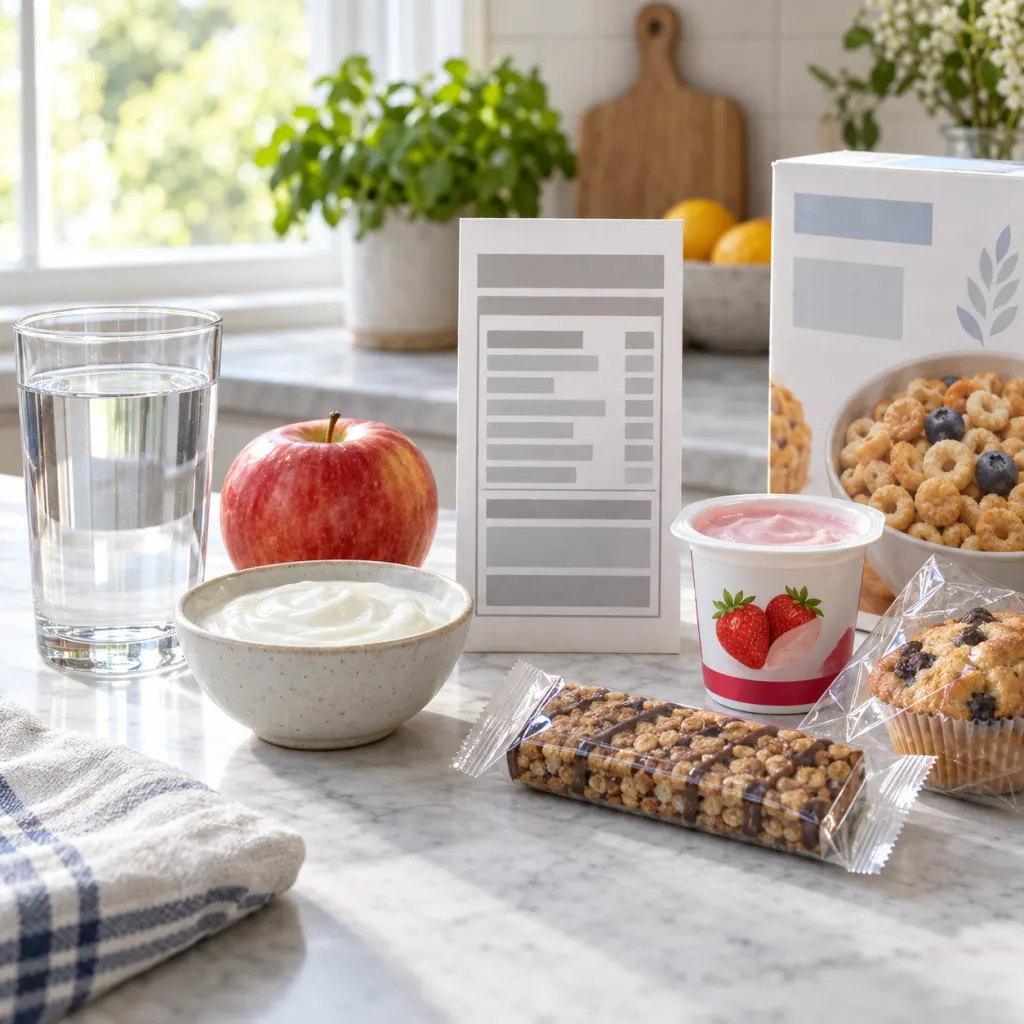
For many people, the morning drink that matters most is not a special tonic but the usual coffee, tea, smoothie, juice, or bottled beverage. A large sweetened coffee drink can function more like a dessert than a simple cup of coffee. CDC’s “Rethink Your Drink” guidance points out that sugary drinks are a leading source of added sugars in the American diet and encourages choosing water, unsweetened tea, or unsweetened coffee more often (CDC). Swapping a sweet drink for an unsweetened one is not glamorous, but it is measurable and repeatable.
Lemon, Vinegar, Cayenne, and Ginger: Useful Flavor, Limited Claims
Lemon water can make water more appealing, which may be enough reason to use it. It adds brightness without turning the drink into a sweet beverage. But lemon itself should be viewed as flavor, not as a targeted waist-size tool. The same principle applies to ginger slices or a pinch of cayenne: they may make a drink feel warm, sharp, or satisfying, yet the strongest evidence for weight management still points to the overall pattern rather than a single ingredient.
Apple cider vinegar is often discussed in this context because small studies and reviews have explored vinegar intake and body measurements. A 2020 systematic review concluded that research quality was not strong enough for firm conclusions about apple vinegar and body weight in humans (PubMed). A more recent meta-analysis suggested possible short-term effects in some adults, but results still need careful interpretation because study designs, populations, and daily routines differ (PubMed). In everyday kitchen terms, vinegar can be a tart ingredient in drinks or dressings, but it should not be framed as the engine of body change.

Spicy Ingredients May Have Small Effects, Not Standalone Power
Cayenne contains capsaicin, the compound that gives chili peppers their heat. Research has looked at whether capsaicin affects appetite, energy use, or body measurements. A systematic review and meta-analysis of randomized controlled trials found modest average changes in body weight, BMI, and waist circumference among adults with overweight or obesity, while describing the effects as modest (PubMed). That matters because “modest” is very different from a dramatic promise. A pinch of spice may make food or a drink more satisfying for some people, but it cannot carry the work of the whole day.
Spicy drinks are also not for everyone. Some people dislike the taste, and others may find sharp or acidic drinks uncomfortable. The practical question is not “which ingredient is strongest?” but “which unsweetened drink could I repeat without making breakfast harder?” A plain glass of water, sparkling water with citrus, unsweetened tea, or black coffee may be more sustainable than a harsh mixture that feels like a challenge every morning.
A Better Morning Glass: What to Aim For
If the goal is a steadier morning routine, build the drink around simplicity. The best option is usually one that is unsweetened, easy to prepare, and paired with a breakfast that contains enough protein-rich and fiber-containing foods to keep the morning grounded. NIDDK’s nutrition myth guidance reminds readers that a weight-management plan does not require giving up all favorite foods; it does require attention to total calories from food and beverages (NIDDK).
Useful morning drink choices can include:
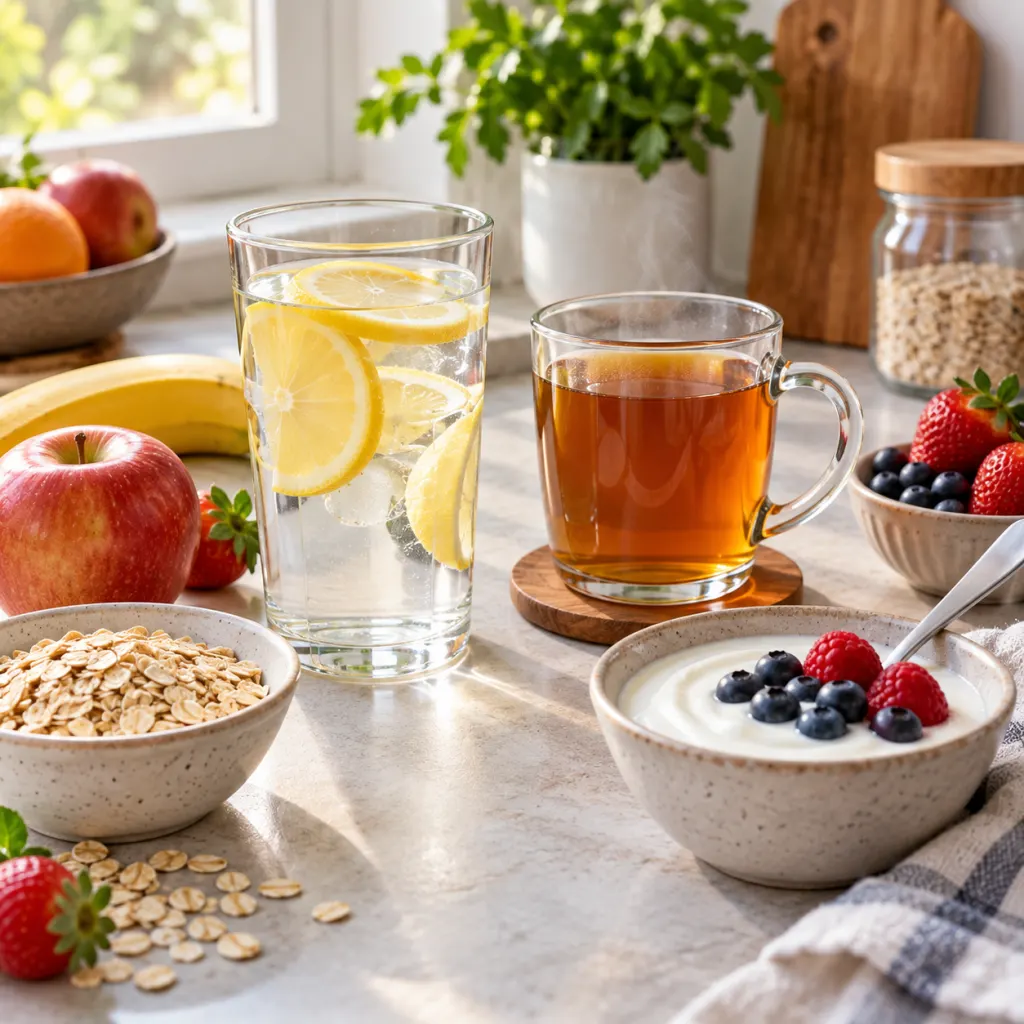
- Plain water, still or sparkling, served cold or warm.
- Water with lemon, lime, cucumber, mint, or berries for flavor.
- Unsweetened tea, hot or iced.
- Coffee with little or no added sugar, depending on personal preference.
- A smoothie only when it is treated as part of breakfast, not as an extra beverage beside breakfast.
The smoothie point is important. A smoothie can be nourishing when it contains whole fruit, plain yogurt, or other filling ingredients, but it can also become a high-calorie drink if it is built from juice, sweetened yogurt, syrups, or large portions of nut butter. The body counts liquid calories even when a drink looks wholesome. For a kitchen-wellness routine, the most useful question is often: “Is this replacing something less helpful, or am I adding it on top of everything else?”
How to Spot a Bad Beverage Claim
The Federal Trade Commission advises consumers to be cautious with weight-loss ads that promise results without changing habits, results for everyone, or dramatic changes from one product (FTC). That advice fits social media beverage claims too. If a post says one glass is all a person needs, it is skipping the parts that matter most: what the person eats and drinks the rest of the day, how active they are, how long the habit continues, and whether the claim was tested in real people under fair conditions.
A claim is more trustworthy when it sounds specific and limited. “Replacing a sweetened morning drink with water can reduce added sugar” is a reasonable claim because it describes a clear swap. “This drink targets belly fat” is not the same kind of statement. The first claim can be checked against labels and daily intake. The second usually depends on vague language, dramatic images, and testimonials that do not tell readers what else changed.

A Practical Morning Routine That Does Not Overpromise
Start with one glass of water or another unsweetened drink if it helps you feel settled before breakfast. Then make the real decision: what will this drink replace, and what will come with it? If it replaces a sweetened coffee drink or juice drink, the change may reduce added sugar. If it sits beside the same sweet breakfast and snacks as before, it probably will not change much. The drink is a cue, not a complete plan.
A realistic routine might look like this: pour water while making breakfast, choose an unsweetened coffee or tea, include a protein-rich food such as eggs, yogurt, beans, or leftovers, and add a high-fiber food such as fruit, oats, vegetables, or whole-grain toast. That routine is not flashy, but it gives the morning structure. Over time, structure tends to matter more than intensity because people are more likely to repeat habits that do not feel punishing.
The Bottom Line on Morning Drinks and Belly Fat
A morning drink can support weight-management habits when it is unsweetened, replaces a higher-calorie beverage, and fits into a broader pattern of balanced meals and regular movement. It cannot direct the body to change only at the waist, and it should not be sold as a shortcut. Lemon, vinegar, cayenne, and ginger can add flavor, but the most dependable benefit comes from the everyday swap: fewer sugary drinks, more water or unsweetened beverages, and a breakfast routine that makes the rest of the day easier to manage.
Wrap-Up
The most evidence-aligned morning glass is simple: water, unsweetened tea, unsweetened coffee, or lightly flavored water. Use it as a replacement for sugary beverages and as a cue for a steadier breakfast, not as a promise of targeted belly-fat change. The routine works best when it is paired with overall food choices, movement, enough sleep, and realistic support.
Frequently Asked Questions
- → Is lemon water better than plain water for belly fat?
Lemon water is not proven to target belly fat. Its main advantage is flavor: if lemon helps you choose water instead of a sweetened drink, it can support a better beverage pattern.
- → Should I drink apple cider vinegar every morning for weight management?
Evidence on apple cider vinegar and body measurements is mixed and still limited. It is better to view vinegar as a tart culinary ingredient than as a dependable weight-management tool.
- → Does the timing of a morning drink matter?
Morning timing can help as a routine cue, but it is not a special window for targeted waist change. The bigger issue is what the drink replaces and how the rest of the day’s eating, drinking, and activity pattern looks.
- → What is the simplest morning drink choice?
Plain water is the simplest choice. Unsweetened tea, unsweetened coffee, or water flavored with lemon, lime, berries, cucumber, or mint can also work if they help you avoid sugary beverages.
- → Can a smoothie count as a healthy morning drink?
It can, but a smoothie should be treated as part of breakfast rather than an extra drink. Whole fruit, plain yogurt, oats, and similar filling ingredients are different from juice-heavy or heavily sweetened versions.
References
This content was developed and refined using reliable sources.
- https://www.niddk.nih.gov/health-information/weight-management/adult-overweight-obesity/eating-physical-activity
- https://www.niddk.nih.gov/health-information/weight-management/myths-nutrition-physical-activity
- https://www.niddk.nih.gov/health-information/weight-management/choosing-a-safe-successful-weight-loss-program
- https://medlineplus.gov/weightcontrol.html
- https://www.cdc.gov/healthy-weight-growth/water-healthy-drinks/index.html
- https://www.cdc.gov/healthy-weight-growth/rethink-your-drink
- https://consumer.ftc.gov/articles/truth-behind-weight-loss-ads
- https://pubmed.ncbi.nlm.nih.gov/32170375
- https://pubmed.ncbi.nlm.nih.gov/41010525
- https://pubmed.ncbi.nlm.nih.gov/36938807