 Save
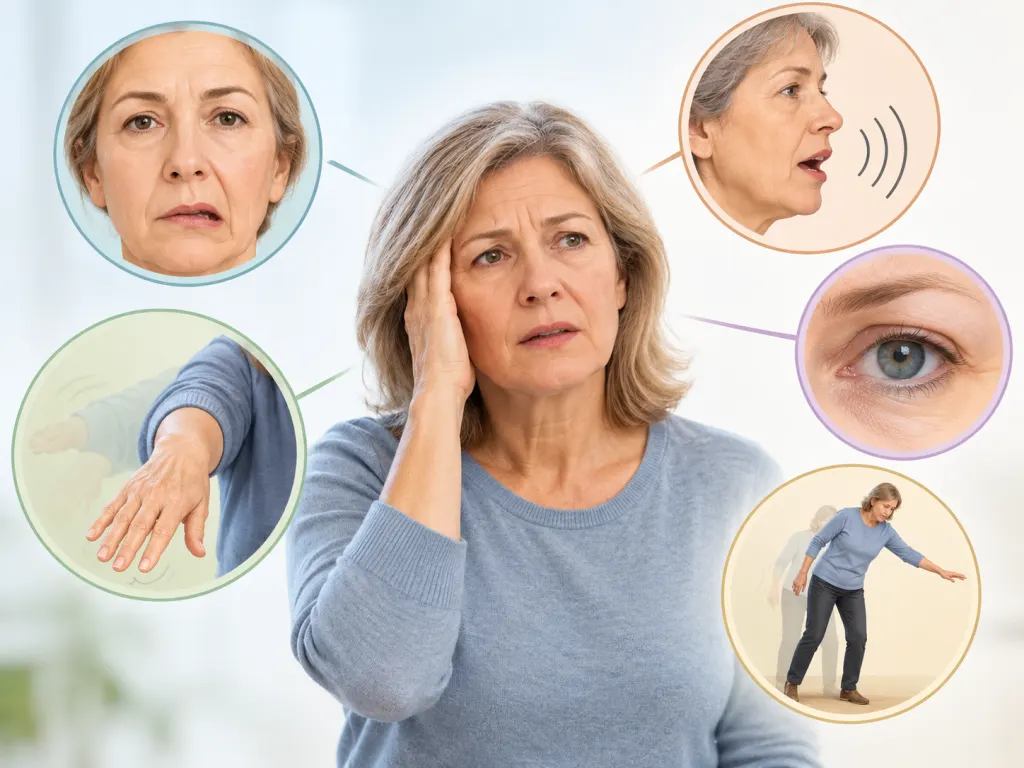
The most important early warning signs of a stroke are sudden face drooping, arm or leg weakness, speech trouble, confusion, vision changes, balance loss, trouble walking, numbness on one side, a sudden severe headache, and sometimes nausea, vomiting, or unusual drowsiness. If you notice any of these, call 911 immediately. The CDC says stroke symptoms call for emergency help, and it specifically advises noting when symptoms first appeared and using an ambulance rather than driving to the hospital https://www.cdc.gov/stroke/signs-symptoms/index.html.
Why Sudden Changes Matter
A stroke happens when blood flow to part of the brain is blocked or when bleeding occurs in or around the brain. The visible warning signs depend on which brain area is affected, so one person may have speech changes while another has vision loss or balance trouble. MedlinePlus explains that stroke symptoms often happen quickly and include sudden weakness or numbness, confusion, speech trouble, vision trouble, walking difficulty, dizziness, loss of balance, and severe headache with no known cause https://medlineplus.gov/stroke.html. The practical lesson is simple: do not wait for every sign to appear. One sudden, unexplained neurological change is enough reason to call emergency services.
The word sudden is doing important work here. A tired arm after carrying groceries, gradual eye strain after hours of reading, or mild lightheadedness after standing too fast may have many explanations. Stroke warning signs are different because they often arrive abruptly, feel out of character, and may affect one side of the body. NHLBI notes that stroke signs can occur quickly, but they can also develop over hours or days, especially when a transient ischemic attack changes into a stroke https://www.nhlbi.nih.gov/health/stroke/symptoms. When the pattern is new, sudden, or hard to explain, it deserves urgent attention.

1. Face Drooping or Uneven Smile
Face drooping is one of the classic FAST signs. Ask the person to smile. If one side of the face does not move the same way, droops, feels numb, or looks uneven, treat it as an emergency sign. The NHS lists sudden face weakness, including one side of the face falling and difficulty smiling, as a main stroke symptom https://www.nhs.uk/conditions/stroke/symptoms/. Do not ask the person to keep repeating the test while you watch and worry. A single concerning result is enough to call 911.
2. Arm Weakness, Arm Drift, or One-Sided Numbness
Arm weakness can show up as a dropped object, trouble lifting a cup, one arm drifting downward when both arms are raised, or numbness that affects one side of the body. Mayo Clinic describes stroke-related numbness, weakness, or paralysis in the face, arm, or leg, often on one side, and includes one arm falling when both arms are raised as an important clue https://www.mayoclinic.org/diseases-conditions/stroke/symptoms-causes/syc-20350113. Weakness may be subtle at first, but sudden one-sided change should not be brushed off as sleeping wrong or simple fatigue.
3. Leg Weakness or Numbness on One Side
Stroke weakness is not limited to the arm. One leg may feel heavy, numb, clumsy, or hard to control. A person may drag a foot, have trouble standing, or feel as if one side of the body is not responding normally. The CDC includes sudden numbness or weakness of the face, arm, or leg, especially on one side of the body, among key stroke symptoms https://www.cdc.gov/stroke/signs-symptoms/index.html. If the change is sudden, do not wait to see whether the person can walk it off.
4. Slurred Speech or Trouble Getting Words Out
Speech trouble may sound like slurring, mumbling, speaking in odd phrases, using the wrong words, or being unable to say a familiar sentence. A useful quick check is to ask the person to repeat a simple phrase. If the words are slurred, strange, or difficult to form, call 911. The American Heart Association's patient messages emphasize FAST and include trouble talking, severe headache, confusion, trouble seeing, numbness, weakness, and trouble walking as signs to watch for https://professional.heart.org/en/science-news/~/link.aspx?_id=04BB5E9EE422448AB630FF1335FEFBF5&_z=z.
5. Trouble Understanding Speech or Sudden Confusion
Some people can make sounds but cannot understand what is being said to them. Others seem suddenly confused, unable to follow a basic instruction, or unsure where they are. This can be mistaken for stress, panic, intoxication, low sleep, or ordinary forgetfulness, especially in older adults. Still, MedlinePlus lists sudden confusion and trouble speaking or understanding speech as stroke symptoms https://medlineplus.gov/stroke.html. If someone is abruptly not making sense, not understanding simple words, or acting unusually disoriented, treat it as a possible emergency.
6. Vision Changes in One or Both Eyes
Vision symptoms may include blurred vision, loss of sight, blackened areas, double vision, or trouble seeing out of one eye. A person may bump into objects, miss items on one side, close one eye to compensate, or say that something is wrong with their vision but cannot describe it well. NHLBI includes sudden trouble seeing from one or both eyes as a sign of TIA or stroke https://www.nhlbi.nih.gov/health/stroke/symptoms. Vision changes are easy to misread as an eye problem, but sudden change belongs in the stroke warning-sign category until emergency professionals say otherwise.
7. Balance Loss, Dizziness, or Sudden Falling
Balance changes can look like stumbling, veering to one side, sudden dizziness, falling, or being unable to stand steadily. The CDC uses BE FAST, adding Balance and Eye changes to the traditional Face, Arms, Speech, Time framework https://www.cdc.gov/stroke/signs-symptoms/index.html. Balance symptoms can have many causes, but when they appear suddenly, especially with face, arm, speech, or vision changes, calling 911 is the safer response.
8. Trouble Walking or Loss of Coordination
Trouble walking is related to balance, but it can be its own warning sign. Someone may seem unable to coordinate their steps, may stagger, may have trouble turning, or may suddenly need support to cross a room. Mayo Clinic lists trouble walking, stumbling, loss of balance, and loss of coordination among stroke symptoms https://www.mayoclinic.org/diseases-conditions/stroke/symptoms-causes/syc-20350113. This matters because people sometimes explain away walking problems as a knee issue, a shoe problem, or simple clumsiness. A sudden coordination change deserves emergency attention.
9. A Sudden Severe Headache With No Known Cause
A sudden, severe headache can be a stroke warning sign, especially when it is unlike the person's usual headaches or appears with vomiting, dizziness, altered awareness, weakness, vision change, or speech trouble. The CDC, NHLBI, MedlinePlus, and Mayo Clinic all include sudden severe headache with no known cause among possible stroke symptoms. This does not mean every headache is a stroke. It does mean a new, abrupt, severe headache should not be minimized, particularly when it is paired with any neurological change.
10. Nausea, Vomiting, Drowsiness, or Unusual Alertness Changes
Nausea and vomiting are not the most famous stroke signs, but they can occur with some stroke presentations, especially alongside sudden severe headache, dizziness, balance loss, or changes in alertness. The NHS lists feeling or being sick among other possible stroke symptoms, and MedlinePlus Medical Encyclopedia notes that symptoms can include changes in alertness such as sleepiness or unconsciousness https://www.nhs.uk/conditions/stroke/symptoms/. Because these symptoms can also come from many non-stroke causes, context matters: sudden onset plus neurological change is the red flag.
Use FAST and BE FAST as a Quick Screen
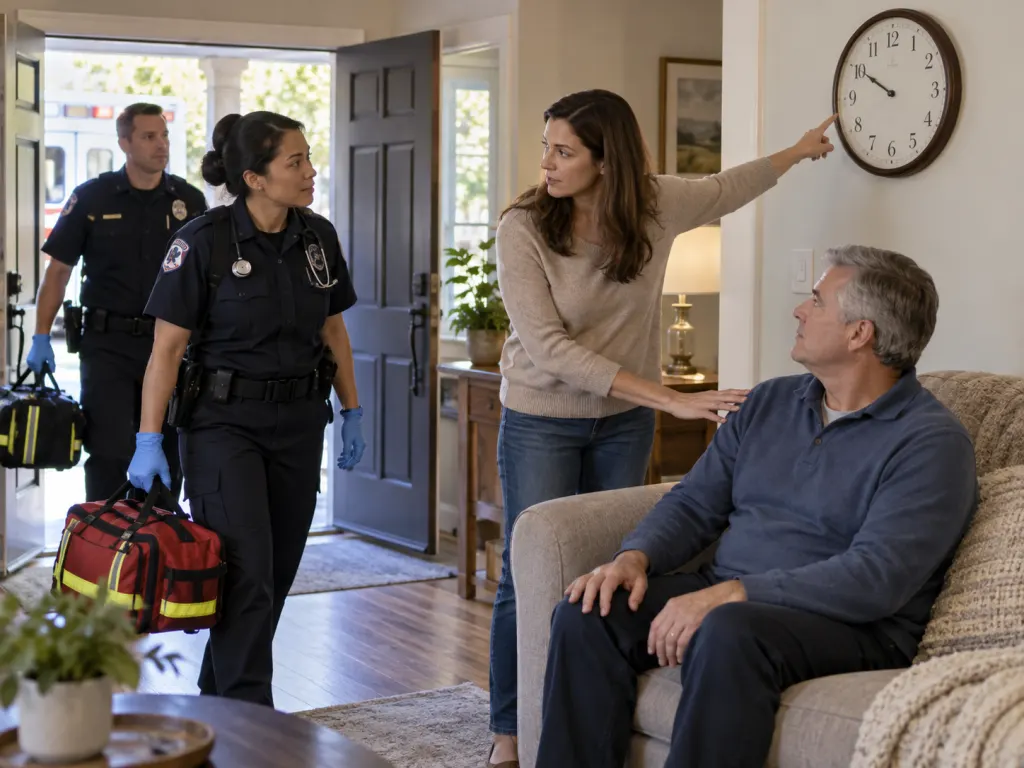
FAST is memorable because it focuses on three common signs and one action: Face drooping, Arm weakness, Speech difficulty, Time to call 911. BE FAST adds Balance and Eyes, which helps people remember sudden dizziness, coordination trouble, and vision changes. These memory tools are not meant to be a complete diagnosis. They are a way to make a fast decision when someone may be in danger. If a person has any one of these signs, call emergency services rather than waiting for a full set of symptoms.
- B: Balance means sudden dizziness, falling, or loss of coordination.
- E: Eyes means sudden trouble seeing in one or both eyes.
- F: Face means one side of the face droops or feels numb.
- A: Arms means one arm is weak, numb, or drifts downward.
- S: Speech means slurred, strange, or hard-to-produce speech.
- T: Time means call 911 immediately and note when symptoms began.
Do Not Wait Because Symptoms Went Away
A short episode can still matter. CDC explains that if stroke symptoms go away after a few minutes, the person may have had a transient ischemic attack, often called a mini-stroke, and that it signals a serious condition needing medical help https://www.cdc.gov/stroke/signs-symptoms/index.html. The NHS similarly advises emergency help for signs of stroke within the last 24 hours even if they have stopped https://www.nhs.uk/conditions/stroke/symptoms/. This is one of the most important points for families: improvement is not proof that everything is fine.
What To Do While Waiting For Help
After calling 911, keep the person as safe and comfortable as possible. Note the exact time symptoms began or the time the person was last known to be well. Do not give food or drink if swallowing seems affected. Do not let the person drive, and do not drive them yourself unless emergency dispatch specifically instructs you to do so. The CDC and NHLBI both advise calling an ambulance so medical personnel can begin care on the way to the emergency room https://www.cdc.gov/stroke/signs-symptoms/index.html.
If you are speaking with the dispatcher, describe exactly what changed: one side of the face drooped, one arm drifted, speech became slurred, vision suddenly changed, or the person became confused. Clear observations are more useful than guessing the cause. If you know the person's medical conditions, regular medicines, allergies, or emergency contacts, gather that information for responders without delaying the call.
How This Fits With Other Stroke Guides
If you want a shorter emergency-focused refresher, the site's guide to stroke warning signs to notice fast can be useful for a quick review. Readers caring for older relatives may also find warning signs of a mini stroke in older adults helpful, especially because symptoms that pass quickly can still need urgent evaluation. For comparison with another circulation-related concern, see warning signs of a blood clot in the leg.
A Practical Way To Remember The 10 Signs
Think of stroke signs as sudden changes in control, communication, vision, balance, or awareness. The 10 signs in this article are not a checklist that must be completed before you act. Instead, they are common ways a stroke or transient ischemic attack may show itself: face droop, arm weakness, leg weakness, speech trouble, understanding trouble, vision change, balance loss, walking difficulty, severe headache, and nausea, vomiting, drowsiness, or altered alertness. One sign can be enough. The safest response is to call 911, note the time, and let emergency professionals evaluate what is happening.
Wrap-Up
Stroke warning signs often arrive suddenly and can affect the face, arms, legs, speech, understanding, vision, balance, walking, headache pattern, or alertness. FAST and BE FAST are simple tools for recognizing the most familiar signs, but they are not a substitute for emergency evaluation. If a symptom appears suddenly, even if it fades, call 911, record when it started, and avoid driving yourself or the person to the hospital.
Frequently Asked Questions
- → What is the fastest way to check for stroke warning signs?
Use FAST: check for face drooping, arm weakness, and speech difficulty, then call 911 if any sign is present. BE FAST adds balance and eye changes, which helps capture sudden dizziness, coordination trouble, or vision changes.
- → Can stroke symptoms come and go?
Yes. Symptoms that improve or disappear may still be a transient ischemic attack or another urgent problem. Do not assume the person is safe because the symptoms stopped; seek emergency medical help.
- → Is sudden confusion a stroke warning sign?
Sudden confusion, trouble understanding speech, or trouble finding words can be a stroke warning sign, especially when it appears with weakness, facial drooping, vision change, balance loss, or severe headache.
- → Should I drive someone to the hospital if I suspect a stroke?
Call 911 instead. Emergency responders can begin assessment on the way and alert the hospital. Driving also creates risk if symptoms worsen during the trip.
- → Do all strokes cause face drooping?
No. Face drooping is common and important, but some strokes mainly affect vision, balance, walking, speech, understanding, sensation, or alertness. A missing face droop does not rule out stroke.
References
This content was developed and refined using reliable sources.
- https://www.cdc.gov/stroke/signs-symptoms/index.html
- https://medlineplus.gov/stroke.html
- https://www.nhlbi.nih.gov/health/stroke/symptoms
- https://www.nhs.uk/conditions/stroke/symptoms
- https://www.mayoclinic.org/diseases-conditions/stroke/symptoms-causes/syc-20350113
- https://professional.heart.org/en/science-news/~/link.aspx?_id=04BB5E9EE422448AB630FF1335FEFBF5&_z=z