 Save
Yarrow, or Achillea millefolium, is best understood as a traditional botanical with limited but meaningful documented uses, not as a catch-all health answer. The European Medicines Agency has assessed yarrow herb as a traditional preparation for several mild, temporary concerns, while the NIH Office of Dietary Supplements explains that botanicals can vary widely by form, strength, and evidence base EMA assessment NIH ODS. For readers, the practical takeaway is simple: yarrow may be interesting as a garden plant, tea herb, and historical plant, but it deserves careful identification, cautious use, and realistic expectations.
What yarrow is, and why people keep asking about it
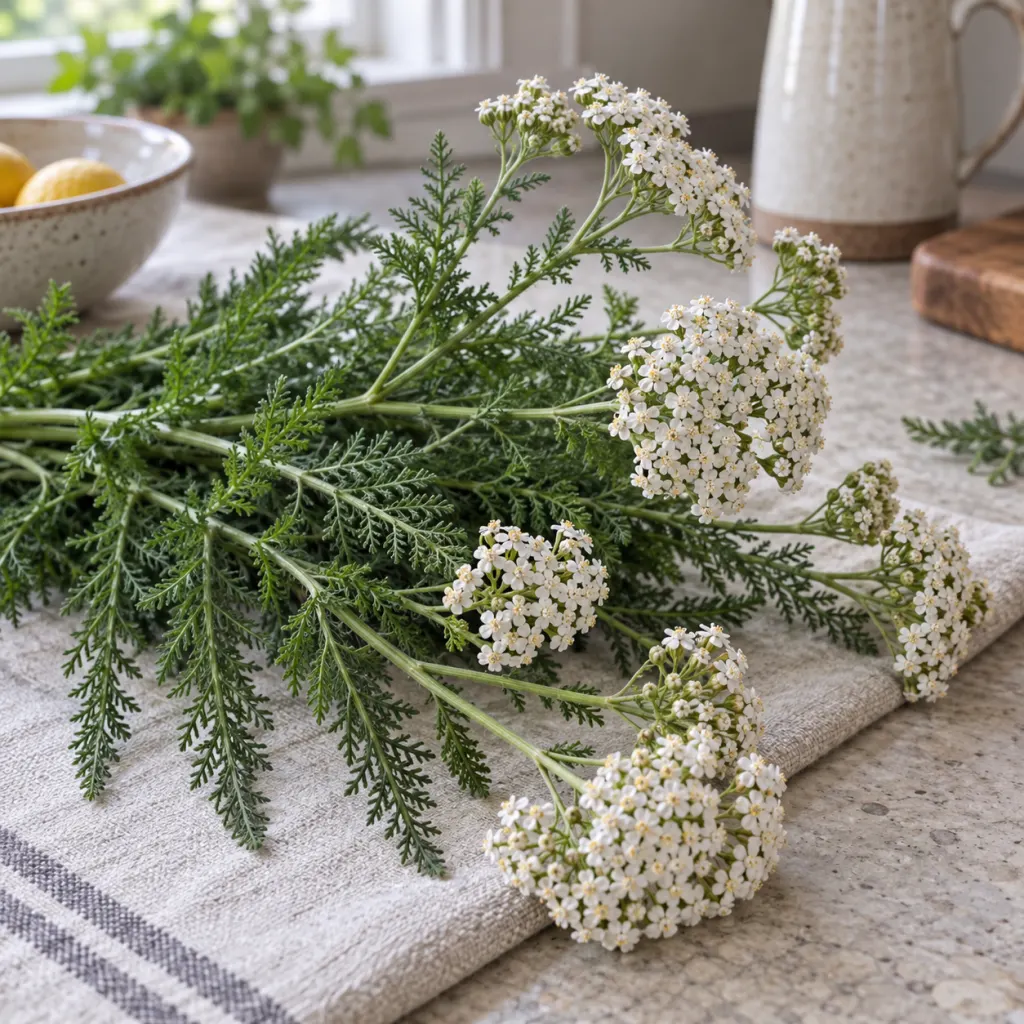
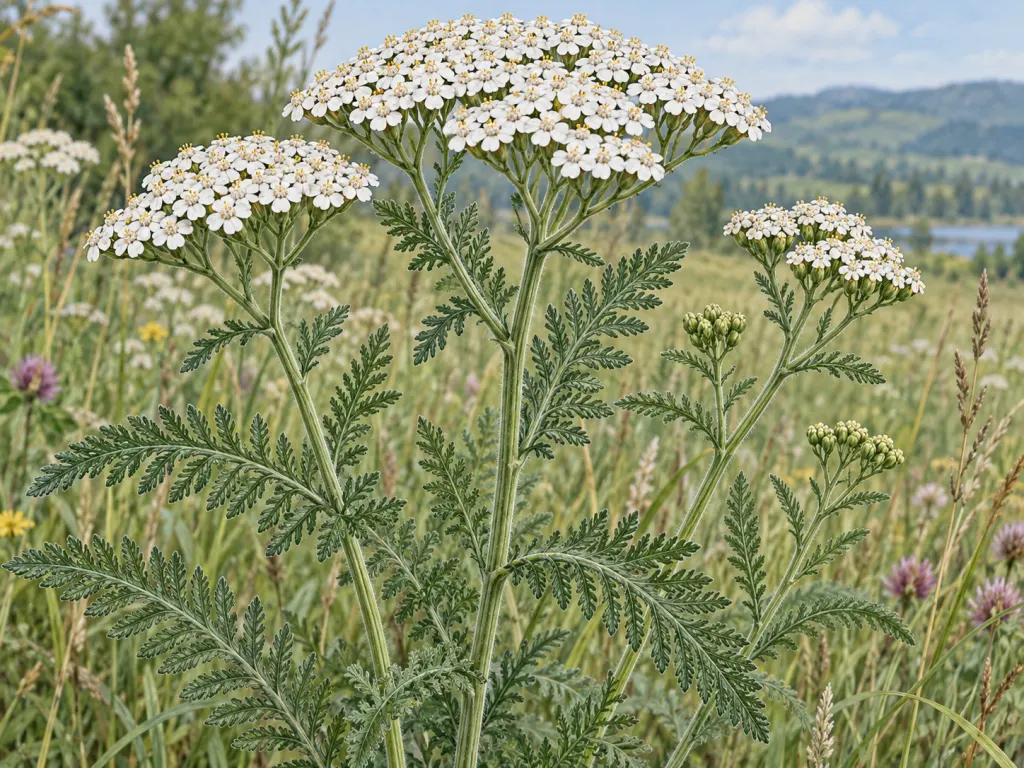
Yarrow is a hardy flowering perennial in the aster family. Gardeners often recognize it by its finely divided, fern-like leaves and clusters of tiny white, cream, or pinkish flowers. In lawns, meadows, roadsides, and cottage gardens, it can look delicate above ground while spreading firmly below ground through rhizomes. North Carolina Extension describes Achillea millefolium as a plant native to temperate regions of Europe, Asia, and North America, with flowers held in flat-topped clusters and leaves that give the plant a soft, feathery texture N.C. Extension.
The plant behind the common name
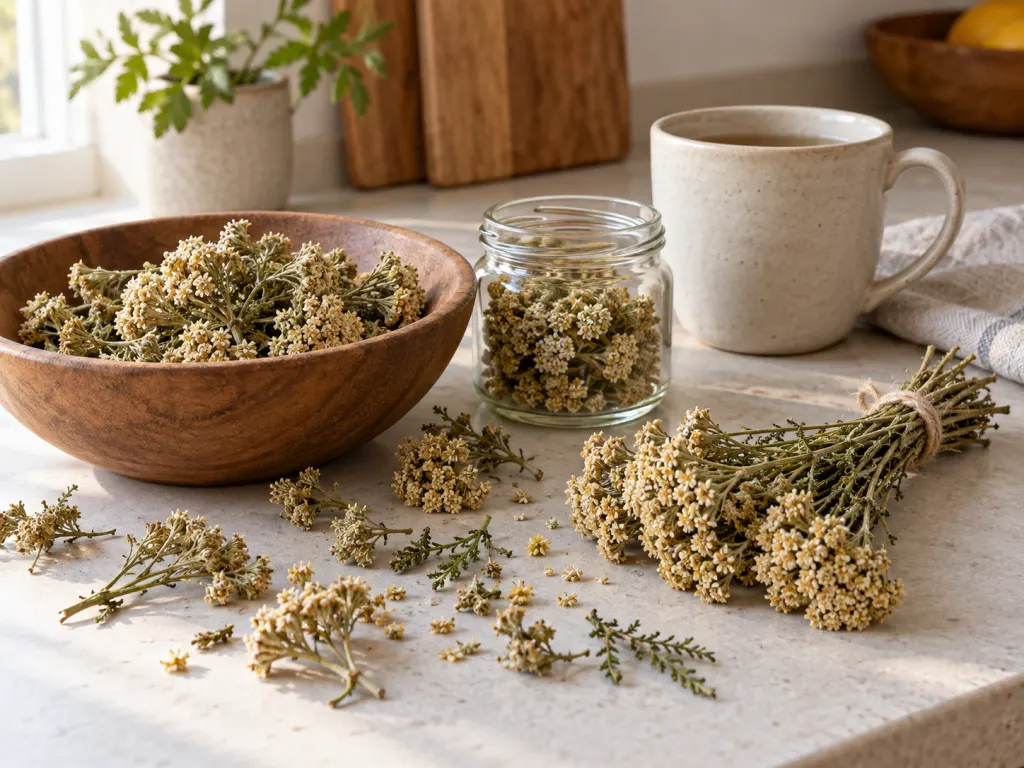
The name yarrow can appear on garden labels, herbal teas, dried herb packages, and folklore references, so the scientific name matters. Achillea millefolium is the species most commonly meant in health and herb discussions. The EMA assessment defines yarrow herb as the whole or cut dried flowering tops of the plant and notes that preparations may include tea-like infusions, extracts, tinctures, and fresh expressed juice EMA assessment.
Common field features include:
- Finely divided leaves that look lacy or feather-like.
- Small flower heads arranged together in a nearly flat cluster.
- Upright stems that may feel slightly hairy.
- An aromatic, bitter-green scent when leaves are crushed.
- A tendency to spread in dry, sunny, open places as well as cultivated beds.
Traditional use is not the same as strong proof
Yarrow's reputation comes from a mix of historical herbal practice, plant chemistry, and modern product marketing. Those streams should not be treated as equal. Long use can explain why a plant remains popular, but it cannot by itself show what a product will do for a specific person. The EMA's yarrow review is based on traditional use and a defined set of preparations. That is narrower than many online claims and is not a blanket endorsement of every capsule, tea blend, essential oil, salve, or foraged plant sold under the yarrow name.
The NIH Office of Dietary Supplements makes a broader point that is especially relevant here: botanicals can be sold as fresh or dried plant material, teas, tinctures, extracts, tablets, capsules, or liquids, and these forms can differ in concentration and composition NIH ODS. In plain language, a mild tea, a concentrated extract, a cosmetic ingredient, and a home-picked bundle are not interchangeable.
Where yarrow is most commonly encountered
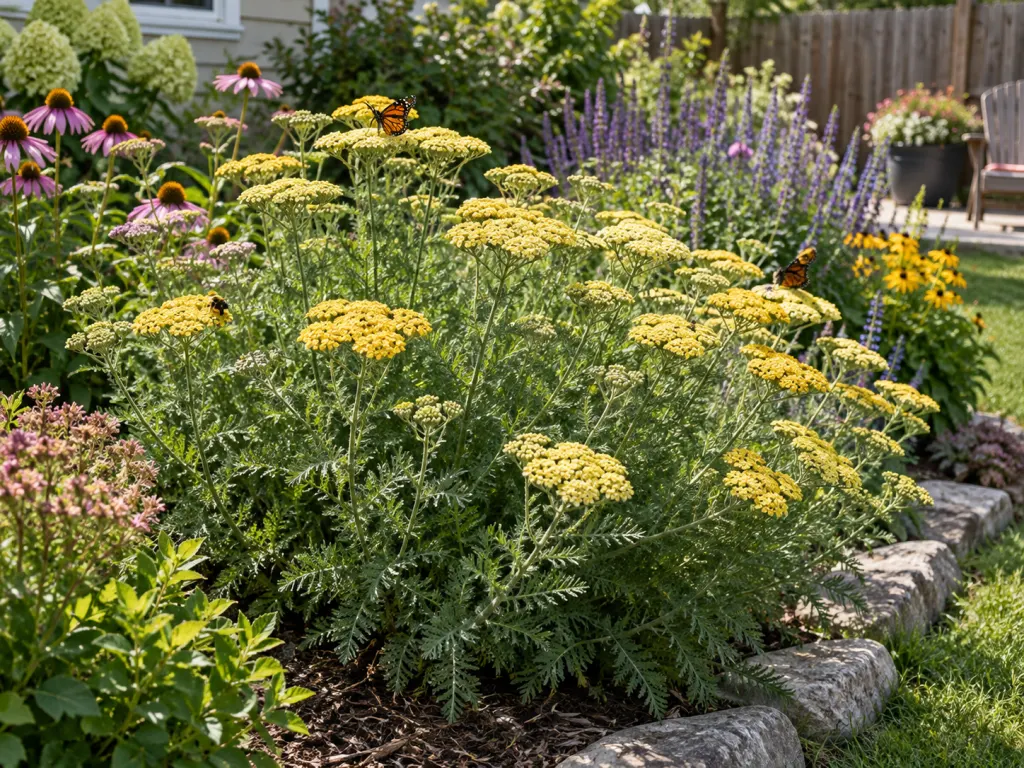
Most everyday encounters with yarrow fall into three settings. First, it is a garden and meadow plant, valued by some gardeners for its drought tolerance, pollinator appeal, and long bloom period. Second, it is sold as a dried herb or tea ingredient. Third, it appears in topical products, often in cosmetic or traditional herbal contexts. The best way to discuss these uses is to separate cultural use from personal health decisions. A plant can be beautiful, aromatic, and historically important without every advertised benefit being well established.
In traditional European herbal documentation, yarrow has been associated with mild, short-lived digestive discomfort, temporary appetite loss, minor menstrual cramps, and small superficial skin concerns. That wording matters. It keeps the discussion in the realm of minor, temporary situations and avoids stretching the plant's reputation into stronger claims. If discomfort is severe, keeps returning, includes blood, fever, faintness, swelling of the face or throat, breathing trouble, a spreading rash, or a wound that is deep or worsening, the appropriate next step is urgent professional care rather than experimenting with an herb.
What benefits are reasonable to discuss
The most reasonable benefits to discuss are modest and context-specific. Yarrow can be a useful pollinator-friendly garden plant in the right setting. It can add a bitter, aromatic note to some traditional tea blends. Its chemistry includes essential oil components, flavonoids, tannins, phenolic acids, and other plant compounds noted in the EMA review, although the same report also emphasizes that plant material can vary by source and preparation EMA assessment.
That variability is one reason cautious language is important. A dried flowering top harvested under controlled conditions is different from a backyard plant that has been exposed to pets, lawn chemicals, exhaust, or mold. A tea bag is different from a concentrated liquid extract. A skin product from a reputable manufacturer is different from crushed fresh leaves placed directly on irritated skin. The word natural tells you where something came from; it does not automatically tell you whether it is appropriate for a particular person.
How to approach yarrow products safely
In the United States, yarrow products sold for oral use are usually handled under the dietary supplement category. FDA explains that dietary supplements are regulated differently from conventional foods and FDA-approved products, and that companies are responsible for meeting safety standards before selling them FDA. NCCIH adds that what is on a supplement label may not always match what is in the product, and that some supplements may pose risks in certain health situations NCCIH.
Practical shopping habits help reduce avoidable risk. Choose products that clearly list the plant name, plant part, preparation type, company contact information, and label directions. Avoid products that make extreme promises or imply a result that sounds too certain. Keep yarrow products away from children. If you already use prescribed products, over-the-counter products, or other supplements, share the full list with a clinician or pharmacist before adding yarrow. Stop using a product and seek care if you notice trouble breathing, swelling of the face or throat, severe dizziness, a spreading rash, or other alarming changes.
Foraging and home-growing cautions
Foraging adds another layer of uncertainty. Correct identification is only the first question. Location matters too. Plants growing beside busy roads, treated lawns, industrial sites, or areas used by animals are poor candidates for any home use. Home gardeners should also remember that yarrow can spread aggressively. N.C. Extension notes that it spreads by rhizomes and seed and may be too weedy for some flower borders N.C. Extension. If the goal is a tidy bed, a selected cultivar and regular deadheading may be easier than allowing common yarrow to roam.
Who should be especially cautious
People with sensitive skin, known reactions to plants in the aster family, complex health situations, upcoming procedures, or regular use of active health products should be especially cautious. This does not mean every person will have a problem. It means yarrow is biologically active enough that personal context matters. Botanicals are not all gentle, and the same herb can feel uneventful for one person and unsuitable for another. A calm conversation with a qualified professional is more useful than guessing from a product label or a short social post.
Bottom line for everyday readers
Yarrow is a real plant with real history, recognizable garden value, and a documented place in traditional herbal assessment. Its benefits are best described with restraint: it may be relevant to mild, temporary uses in specific preparations, but evidence and safety vary by product, person, and purpose. If you enjoy yarrow as a garden plant or are curious about yarrow tea, approach it the same way you would any botanical: identify it accurately, choose reputable sources, respect label directions, and avoid using it as a substitute for professional evaluation when something feels serious or unusual.
Wrap-Up
Yarrow is worth knowing, but not worth overhyping. The strongest article-length answer is that it is a traditional botanical and garden perennial with modest, context-specific uses, variable product forms, and important safety considerations. Use accurate plant identification, choose reputable products, be cautious with concentrated forms, and involve a qualified professional when health decisions are personal, persistent, or urgent.
Frequently Asked Questions
- → What is yarrow most commonly used for?
Yarrow is commonly discussed as a garden plant, dried tea herb, and traditional botanical. Official European assessment has focused on specific traditional preparations for mild, temporary uses, but that should not be expanded into broad promises for every yarrow product.
- → Can I identify yarrow by its flowers alone?
No. The flowers are helpful, but not enough by themselves. Look for the full pattern: finely divided leaves, upright stems, flat clusters of small flower heads, and the plant's growth habit. If you are uncertain, do not use a wild plant.
- → Is yarrow tea the same as yarrow extract?
No. Teas, tinctures, extracts, capsules, and topical products can differ greatly in strength and composition. A product's label, plant part, preparation method, and manufacturer quality controls all matter.
- → Is yarrow safe because it is natural?
Natural origin does not guarantee safety. Botanicals can have strong effects, quality can vary, and personal health context matters. Use reputable products and discuss yarrow with a qualified professional if you have concerns.
- → When should I seek urgent care instead of using yarrow?
Seek urgent care for breathing trouble, swelling of the face or throat, faintness, severe pain, heavy bleeding, a deep or worsening wound, fever with a worsening skin area, or any reaction that feels alarming.
References
This content was developed and refined using reliable sources.
- https://www.ema.europa.eu/en/documents/herbal-report/final-assessment-report-achillea-millefolium-l-herba-revision-1_en.pdf
- https://ods.od.nih.gov/factsheets/BotanicalBackground-Consumer
- https://www.fda.gov/consumers/consumer-updates/fda-101-dietary-supplements
- https://plants.ces.ncsu.edu/plants/achillea-millefolium/common-name/yarrow
- https://www.nccih.nih.gov/health/using-dietary-supplements-wisely