 Save
If your legs are swollen, first check the pattern: both legs after a long day or long trip can be less alarming, while sudden swelling in one leg, swelling with chest discomfort, trouble breathing, faintness, coughing blood, fever, warmth, redness, or severe pain needs urgent medical attention. Swelling in the feet, ankles, and legs is often related to fluid buildup in tissues, known as edema, and MedlinePlus notes that gravity makes it most noticeable in the lower body https://www.medlineplus.gov/ency/article/003104.htm. The key is not to guess the cause from appearance alone, but to notice timing, symmetry, associated symptoms, and whether it improves or keeps getting worse.
What Leg Swelling Usually Means
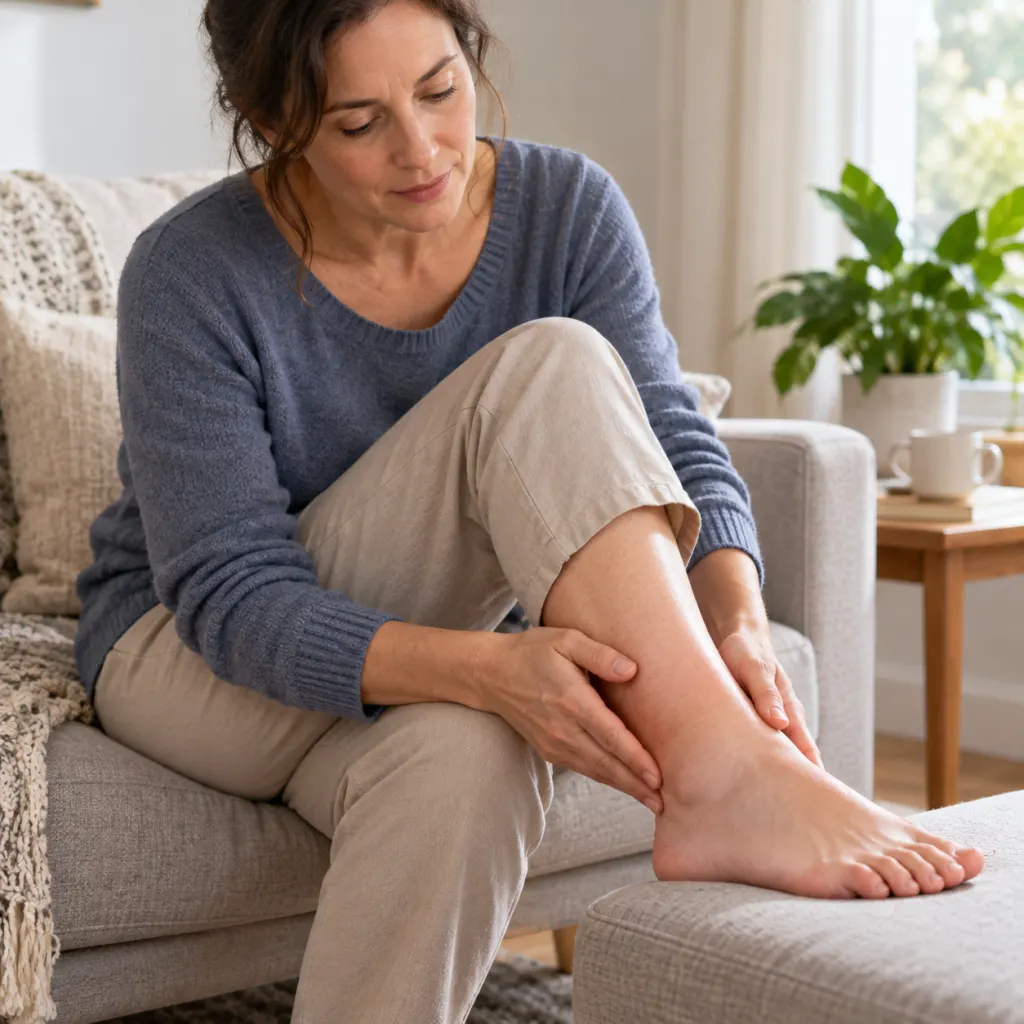
Leg swelling is a visible sign, not a single condition. It may feel like puffiness around the ankles, tight shoes by evening, shin skin that looks shiny, heaviness in the calves, or a dent that remains briefly after gentle pressure. Mayo Clinic describes edema as swelling caused by excess fluid trapped in body tissues, and notes that it is especially likely to appear in the legs and feet https://www.mayoclinic.org/diseases-conditions/edema/symptoms-causes/syc-20366493. That fluid can collect for simple mechanical reasons, such as being upright for hours, but it can also reflect problems with veins, lymph drainage, organs that regulate fluid, or inflammation after injury.
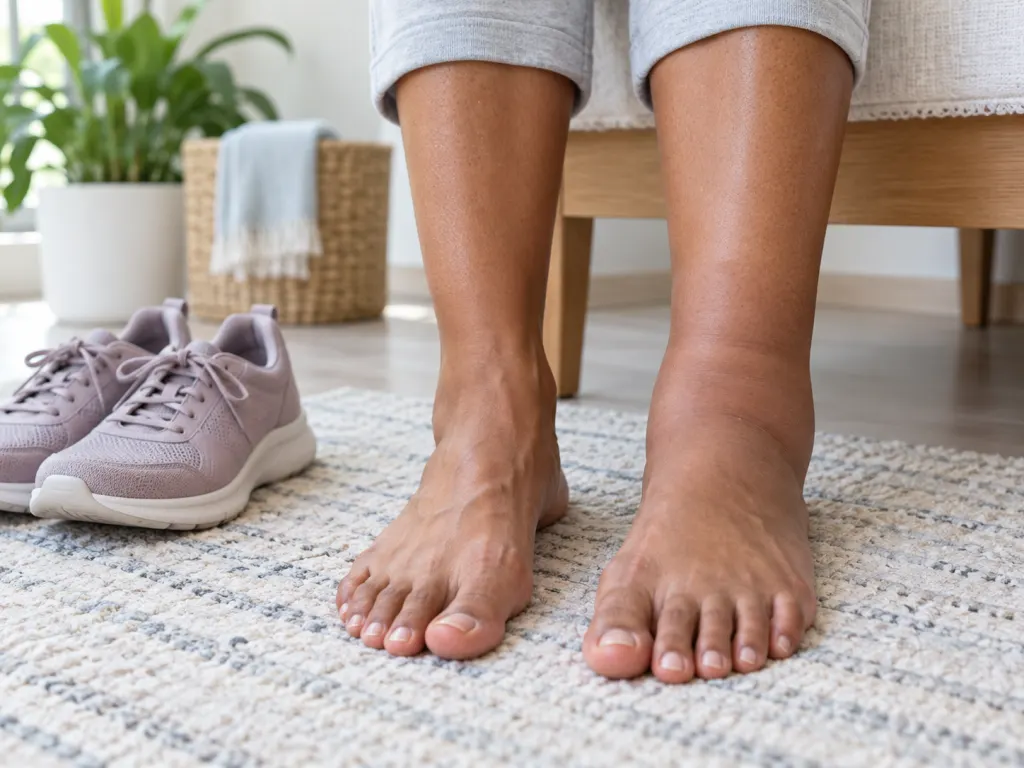
A useful first question is whether the swelling affects one leg or both. Swelling in both ankles at the end of the day may fit with prolonged sitting or standing, warm weather, salt intake, or chronic vein issues. Swelling mainly in one calf, ankle, or foot asks for more caution, especially if it is new, painful, warm, red, or unexplained. The CDC lists swelling, pain or tenderness, warmth, and redness or discoloration as common signs of deep vein thrombosis in the affected limb, and says medical care should be sought promptly when these signs appear https://www.cdc.gov/blood-clots/about/.
When Swelling Needs Same-Day or Emergency Attention
Some combinations should move the question from observation to action. The NHS advises emergency help for swollen legs when there is shortness of breath, chest tightness or pain, coughing blood, noticeable palpitations, faintness, confusion, clamminess, or severe unwellness because these can point to a serious problem that needs hospital evaluation https://www.nhs.uk/conditions/oedema/. In the United States, that generally means calling 911 or going to an emergency department if emergency symptoms are present.
Same-day medical advice is also sensible when swelling is severe, starts suddenly, follows a significant injury, is mainly in one leg without a clear explanation, appears with redness or warmth, comes with fever, spreads to the face or belly, or occurs during pregnancy as more than mild swelling. MedlinePlus gives similar boundaries, including urgent contact for worsening swelling in people with heart or kidney disease, liver disease with leg or abdominal swelling, a red or warm swollen foot or leg, fever, sudden increase during pregnancy, or new swelling in only one leg https://www.medlineplus.gov/ency/article/003104.htm.
Common Everyday Triggers
Not every swollen ankle means a dangerous condition is present. Common triggers include standing in one position, sitting with the knees bent for a long stretch, long car or plane trips, hot weather, minor ankle or foot injury, and shoes or socks that leave deep marks. The NHS lists standing or sitting too long, salty food, pregnancy, certain medicines, varicose veins, thyroid problems, injury, infection, and problems involving the kidneys, liver, or heart among possible causes of swollen ankles, feet, and legs https://www.nhs.uk/conditions/oedema/. This wide range is why context matters.
Medicines are another common and sometimes overlooked factor. MedlinePlus lists several medicine groups that may contribute to leg swelling, including some blood pressure medicines, hormones, NSAIDs, steroids, and some antidepressants https://www.medlineplus.gov/ency/article/003104.htm. Do not stop a medicine on your own because swelling appears. Instead, write down the medicine name, dose shown on the bottle, when it was started or changed, and when swelling began, then share that information with the prescribing clinician.
- Timing: Did the swelling appear suddenly, slowly, after travel, after injury, or after a medicine change?
- Pattern: Is it one leg, both legs, the feet only, the calves, or also the belly or face?
- Skin changes: Is the area red, warm, shiny, tight, discolored, itchy, or tender?
- Breathing and chest symptoms: Is there shortness of breath, chest discomfort, coughing blood, faintness, or a racing heartbeat?
- What helps: Does it improve after lying down, elevating the legs, walking, or changing shoes?

Why One-Sided Swelling Gets Extra Attention
One-sided swelling is not automatically a blood clot, but it deserves respect because several important problems can look alike from the outside. A muscle strain, ankle sprain, skin infection, superficial vein inflammation, and deep vein thrombosis can all cause swelling, tenderness, warmth, or color change. The CDC notes that special medical tests are needed because other conditions can mimic deep vein thrombosis and pulmonary embolism https://cdc.gov/blood-clots/testing-diagnosis/index.html. That means a person should not rely on a home comparison photo, a single online checklist, or whether the swelling feels mild at first.
Deep vein thrombosis matters because a clot can occur in a deep vein, commonly in the lower leg, thigh, or pelvis, and a pulmonary embolism can occur if part of a clot travels to the lungs. The CDC says DVT requires prompt medical attention and PE requires immediate medical attention https://www.cdc.gov/blood-clots/about/. The practical takeaway is simple: unexplained swelling in one leg, especially with pain, tenderness, warmth, or redness, should be discussed with a clinician quickly, and breathing or chest symptoms should be handled as an emergency.
How Heart, Kidney, Liver, and Vein Issues Can Show Up
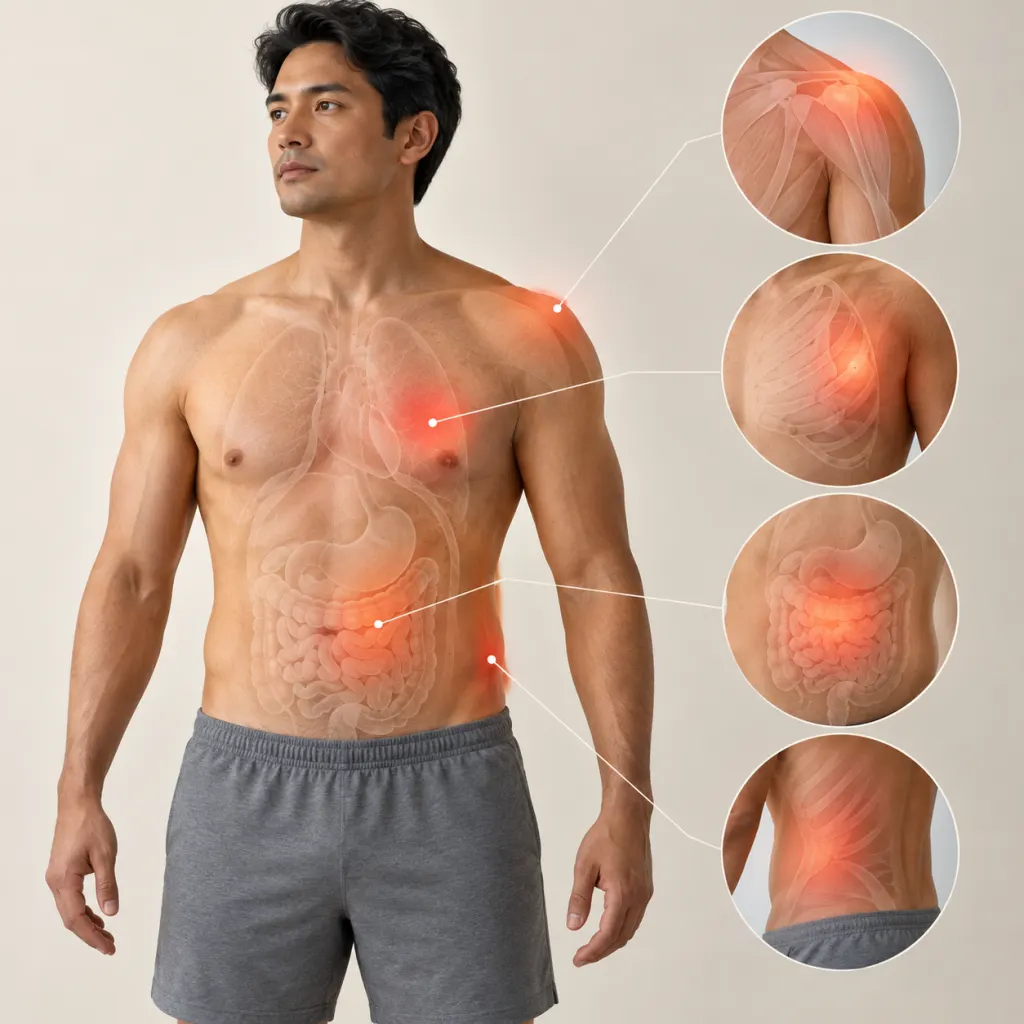
Fluid balance depends on several body systems working together. Veins move blood back toward the heart, kidneys help regulate fluid and salt, the liver affects blood proteins and circulation, and the heart pumps blood through the body. Mayo Clinic lists congestive heart failure, kidney disease, venous insufficiency, cirrhosis, medicines, and pregnancy among possible causes of edema https://www.mayoclinic.org/diseases-conditions/edema/symptoms-causes/syc-20366493. A person may only notice the visible swelling, but a clinician may look for clues from breathing, weight change, urine changes, abdominal swelling, skin color, blood pressure, and medical history.
Heart-related fluid buildup is one reason new leg swelling should not be ignored when it comes with breathlessness, fatigue, sudden weight gain, or trouble lying flat. The American Heart Association lists swelling in the feet, ankles, legs, fingers, stomach, and other tissues as a common sign of fluid buildup in heart failure, and advises reporting heart failure symptoms to a healthcare professional https://www.heart.org/en/health-topics/heart-failure/warning-signs-of-heart-failure. This does not mean leg swelling proves a heart problem, only that the pattern matters enough to check.
What You Can Do While Arranging Care
If swelling is mild, affects both legs, and follows an obvious low-risk trigger such as a long day standing, gentle self-care may be reasonable while you watch for change. MedlinePlus suggests elevating legs above heart level while lying down, moving the legs, taking breaks to stand and move when traveling, avoiding tight clothing around the thighs, and considering support stockings when appropriate https://www.medlineplus.gov/ency/article/003104.htm. These steps are not a substitute for evaluation when warning signs are present, but they can make day-to-day swelling easier to track.
Avoid aggressive massage of a newly swollen, painful, warm, or one-sided calf unless a clinician has told you it is safe. Avoid assuming that drinking less fluid is the answer; fluid choices can be complicated for people with heart, kidney, or liver concerns and should be individualized. If you already use compression socks, make sure they fit comfortably and do not cut into the skin. If you have never used medical compression, ask a clinician or pharmacist which strength and size is appropriate, especially if you have circulation problems, diabetes, fragile skin, or numbness in the feet.
What to Tell a Health Professional
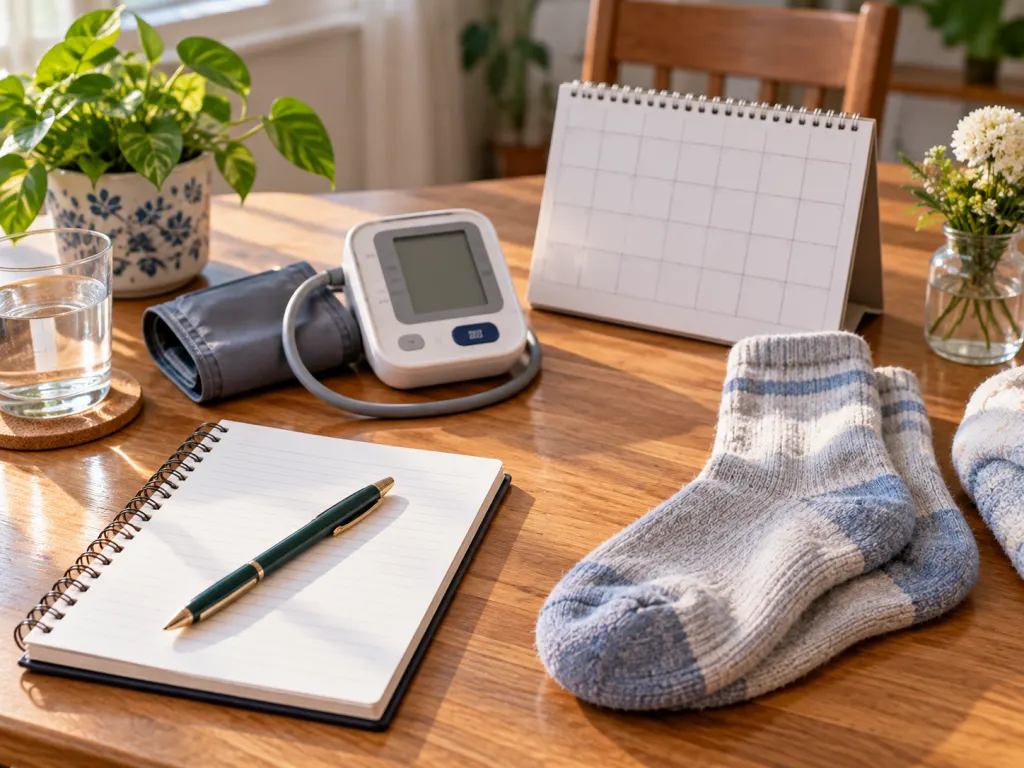
Good notes can make a short appointment more useful. Write down when the swelling started, whether it changes through the day, whether shoes or socks suddenly fit differently, and whether pressing the skin leaves a dent. Note recent travel, surgery, injury, infection, long bed rest, pregnancy, hormone use, new medicines, past clots, varicose veins, heart, kidney, liver, or thyroid conditions, and family history of clots. MedlinePlus says a medical visit for leg swelling may include a history, physical exam, and attention to the heart, lungs, abdomen, lymph nodes, legs, and feet, with possible tests such as blood tests, imaging, ultrasound of leg veins, ECG, or urinalysis https://www.medlineplus.gov/ency/article/003104.htm.
Photos can also help if the swelling comes and goes. Take a clear picture of both legs in the same lighting, ideally from the front and side, and note the time of day. If your clinician has asked you to monitor weight or blood pressure, keep those numbers together with the swelling notes. The American Heart Association notes that people with heart failure are often asked to track symptoms such as blood pressure, heart rate, weight, fluid intake, swelling, and sudden changes https://www.heart.org/en/health-topics/heart-failure/warning-signs-of-heart-failure. Even without a heart diagnosis, organized observations can help separate a brief pattern from one that needs deeper evaluation.
How to Think About Risk Without Panic
The most helpful mindset is balanced caution. Many swollen-leg episodes are linked to posture, heat, travel, shoes, injury, or medication effects. At the same time, swelling is one of those signs that can carry important information when it is sudden, one-sided, worsening, unexplained, or paired with systemic symptoms. NHS guidance says swelling often goes away on its own, but medical advice is needed when there are other symptoms or the cause is unclear https://www.nhs.uk/conditions/oedema/. That middle ground avoids both panic and delay.
Pay attention to your own baseline. Some people have long-standing mild ankle swelling that varies with heat and time on their feet. Others rarely swell, so a new visible change is more meaningful. A sudden shift in a familiar pattern deserves attention, especially if one leg becomes larger than the other, the skin changes color, the area becomes tender or warm, or daily activities become harder. If you are uncertain, it is reasonable to call your clinic, nurse line, urgent care, or local emergency service depending on the symptoms and severity.
The Bottom Line
Swollen legs are a signal to observe carefully, not a diagnosis by themselves. Look at whether the swelling is one-sided or both-sided, sudden or gradual, painful or painless, improving or worsening, and whether it appears with breathing trouble, chest symptoms, fever, redness, warmth, pregnancy concerns, or known heart, kidney, liver, vein, or clot risk. When warning signs are present, seek urgent help. When swelling is mild but persistent, recurrent, or unexplained, arrange a medical conversation and bring clear notes. That combination of calm observation and timely care is the safest way to respond.
Wrap-Up
Leg swelling can be a short-lived response to posture, travel, heat, injury, or medication changes, but it can also reflect fluid buildup, vein problems, infection, a clot, or heart, kidney, or liver concerns. Seek emergency help for swelling with shortness of breath, chest discomfort, coughing blood, faintness, confusion, or severe illness. Contact a qualified health professional promptly for sudden one-sided swelling, redness, warmth, fever, pregnancy-related sudden swelling, worsening swelling, or swelling that does not improve after a few days of reasonable self-care.
Frequently Asked Questions
- → Is swelling in both ankles less concerning than swelling in one leg?
Often, swelling in both ankles after standing, sitting, travel, or heat is less alarming than sudden unexplained swelling in one leg. But both-sided swelling still deserves medical advice if it persists, worsens, comes with shortness of breath, or occurs with known heart, kidney, liver, vein, or pregnancy concerns.
- → Should I go to the emergency room for swollen legs?
Seek emergency help if leg swelling comes with trouble breathing, chest tightness or pain, coughing blood, faintness, confusion, clamminess, or a racing or irregular heartbeat. Also seek prompt care for sudden one-sided swelling, especially with pain, warmth, redness, or tenderness.
- → Can long travel make legs swell?
Yes. Long sitting can make fluid collect in the lower legs and can also slow blood flow. During long trips, move when you can, wear loose clothing, and pay attention to one-sided swelling, pain, warmth, redness, chest symptoms, or breathing symptoms after travel.
- → Can medicines cause swollen legs?
Some medicines may contribute to swelling, including certain blood pressure medicines, hormones, NSAIDs, steroids, and some antidepressants. Do not stop a prescribed medicine on your own. Contact the prescribing clinician and explain when the swelling began and whether any medicine was recently started or changed.
- → What should I track before calling a clinician?
Track when swelling started, whether it affects one or both legs, whether pressing the skin leaves a dent, whether the area is painful, red, warm, or discolored, and whether you have shortness of breath, chest discomfort, fever, recent travel, injury, pregnancy, surgery, or medicine changes.
References
This content was developed and refined using reliable sources.
- https://www.medlineplus.gov/ency/article/003104.htm
- https://www.mayoclinic.org/diseases-conditions/edema/symptoms-causes/syc-20366493
- https://www.nhs.uk/conditions/oedema
- https://www.cdc.gov/blood-clots/about
- https://cdc.gov/blood-clots/testing-diagnosis/index.html
- https://www.heart.org/en/health-topics/heart-failure/warning-signs-of-heart-failure