 Save
Relationship distance often grows from repeated habits, not one single argument. This guide explains how to notice common patterns that push partners away and replace them with clearer, kinder actions. It is written for any partner, regardless of gender, who wants to communicate with more respect and less guesswork.
Step 1: Say what you need directly

Avoid expecting your partner to guess what you feel, want, or resent. The American Psychological Association notes that open communication is a key part of healthy relationships, so use plain statements such as “I felt left out when plans changed” or “I need more notice next time.” Clear requests give your partner something real to respond to.
Step 2: Raise small concerns early

Bring up problems while they are still specific and manageable. Saving every hurt feeling for one large argument can make the conversation feel like a trial instead of a repair attempt. Choose a calm moment, name one issue, and ask to solve that issue before adding more.
Step 3: Listen before you defend yourself

When your partner brings up a concern, pause before explaining your side. New York State’s healthy relationship guidance describes communication as sharing feelings in a way that helps both people feel safe, heard, and not judged. Try repeating the main point back first, then ask what would help next time.
Step 4: Balance complaints with appreciation

If your partner mostly hears what they did wrong, they may start to feel that nothing they do counts. Keep correction specific, but also notice reliable, thoughtful, or caring actions when they happen. Appreciation does not erase a concern; it makes the concern easier to hear without turning the whole relationship into a list of faults.
Replace broad labels with a request your partner can actually act on. Instead of “You never care,” try “Please put your phone away when we talk about plans.” Specific language lowers defensiveness and keeps the focus on behavior, not character.
Step 6: Respect privacy and boundaries

Do not pressure your partner for passwords, constant updates, or access to every part of their private life. Healthy relationships include trust, privacy, space, and shared decisions, according to New York State relationship guidance. If a boundary feels hard to accept, talk about the feeling behind it instead of crossing the line.
Step 7: Keep connection outside conflict

Make time for ordinary warmth when nothing is wrong. The APA suggests that couples benefit from checking in regularly and doing new or enjoyable things together, not only discussing chores and problems through its healthy relationship guidance. Small moments of attention make difficult talks feel less like the only thing holding the relationship together.
Step 8: Pause when the conversation escalates
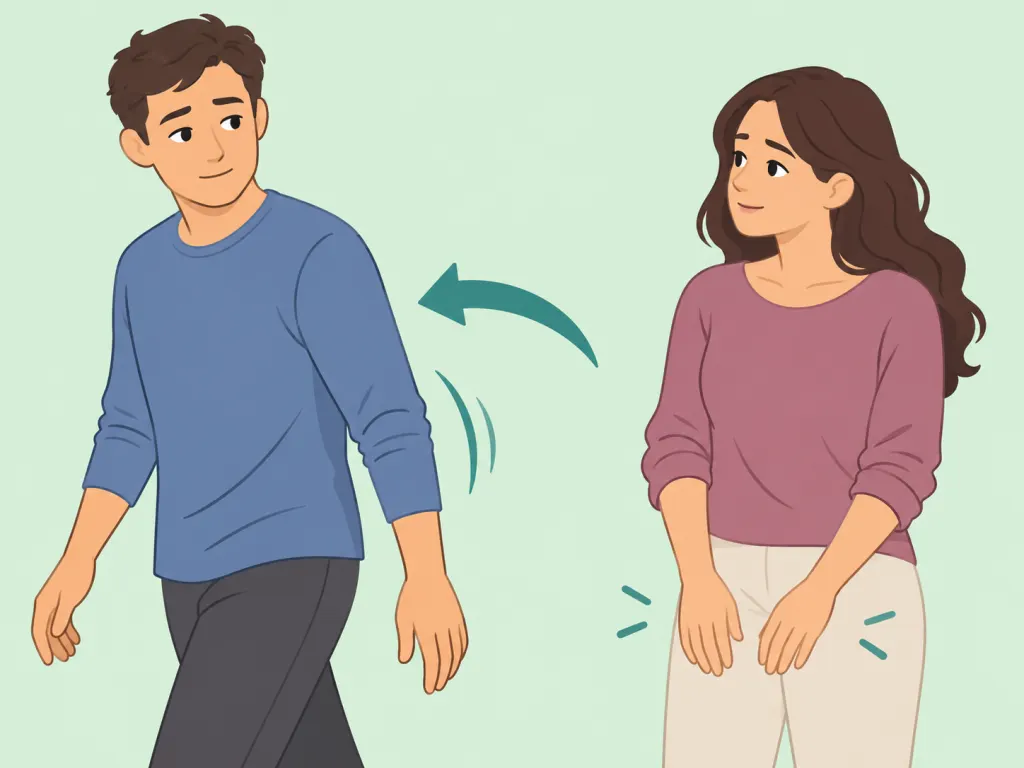
If voices rise or either person starts attacking, take a short break and agree when to return. APA guidance on strengthening couples’ relationships recommends checking anger levels and using a calming time-out when conflict escalates, then coming back to discuss the underlying concerns through its couples communication advice. A pause is not avoidance if you both return to the issue.
Step 9: Seek help if the pattern feels stuck or unsafe
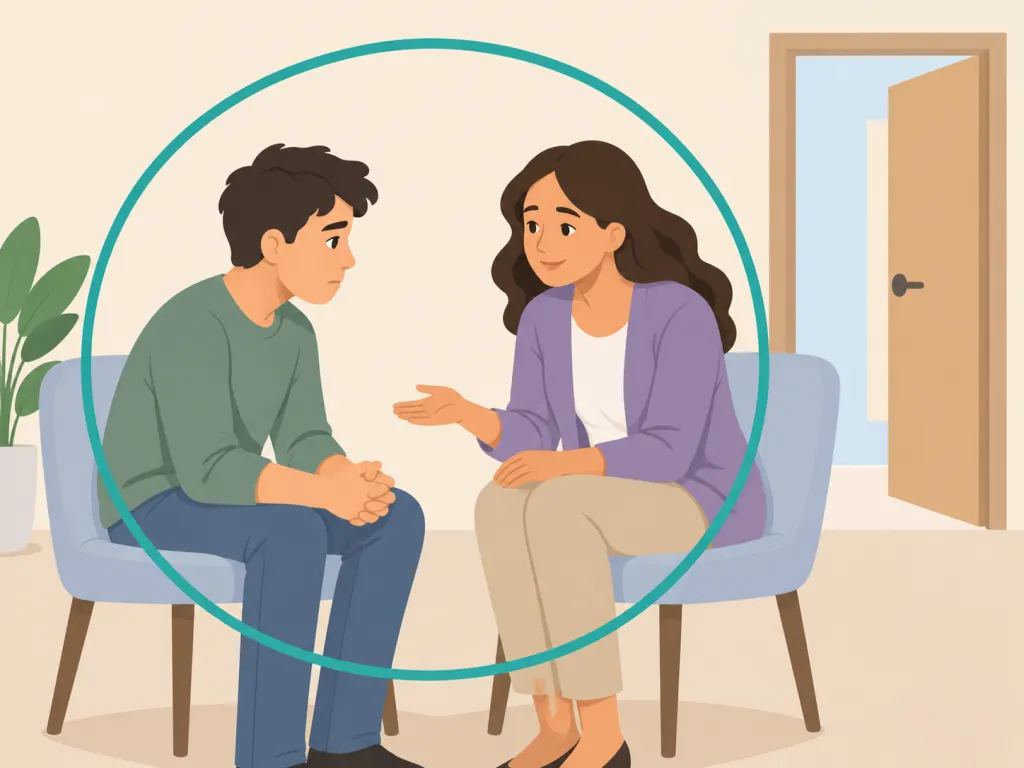
If you keep having the same fight, feel afraid to speak honestly, or feel controlled, do not treat that as a normal communication problem. The Office of Disease Prevention and Health Promotion says people should take warning signs seriously and get help if a partner is controlling, abusive, or making them feel afraid. If you are in immediate danger, contact local emergency services first.
Wrap-Up
The bottom line: partners usually feel closer when concerns are clear, boundaries are respected, and conflict stays focused on repair. If the pattern feels controlling, frightening, or impossible to change alone, seek trusted support.
Frequently Asked Questions
- → Can one person fix a relationship alone?
One person can improve their own habits, but a relationship needs effort from both people. If only one partner listens, respects boundaries, and takes responsibility, the pattern may not become healthier.
- → Is it wrong to need reassurance from a partner?
No. Reassurance is a normal request when it is expressed clearly and respectfully. The problem starts when reassurance becomes constant monitoring, pressure, or a demand that your partner give up privacy and independence.
- → What should I say instead of criticizing?
Name the specific behavior, explain its effect, and ask for a concrete change. For example: “When plans change at the last minute, I feel overlooked. Can we agree to check in earlier next time?”
- → How do I know if a boundary is reasonable?
A reasonable boundary protects privacy, space, time, values, or comfort without trying to control the other person. Healthy relationship guidance from New York State says partners should respect each other’s independence and communicate needs openly.
- → What if my partner refuses to talk about problems?
Try asking for a short, specific conversation at a calm time. If they repeatedly dismiss every concern, mock you, punish you for speaking up, or make you afraid to be honest, consider seeking outside support.
- → When is couples counseling worth considering?
It may help when you keep repeating the same argument, cannot discuss hard topics calmly, or want structured help learning better communication. If the relationship feels unsafe, prioritize safety and individual support before joint conversations.
References
This content was developed and refined using reliable sources.
- https://www.apa.org/topics/healthy-relationships
- https://www.apa.org/topics/covid-19/strengthen-couples-relationships
- https://www.ny.gov/teen-dating-violence-awareness-and-prevention/what-does-healthy-relationship-look
- https://odphp.health.gov/myhealthfinder/healthy-living/mental-health-and-relationships/watch-warning-signs-relationship-violence
- https://cdc.gov/intimate-partner-violence/prevention/index.html
- https://www.ptsd.va.gov/understand/types/violence_ipv.asp