 Save
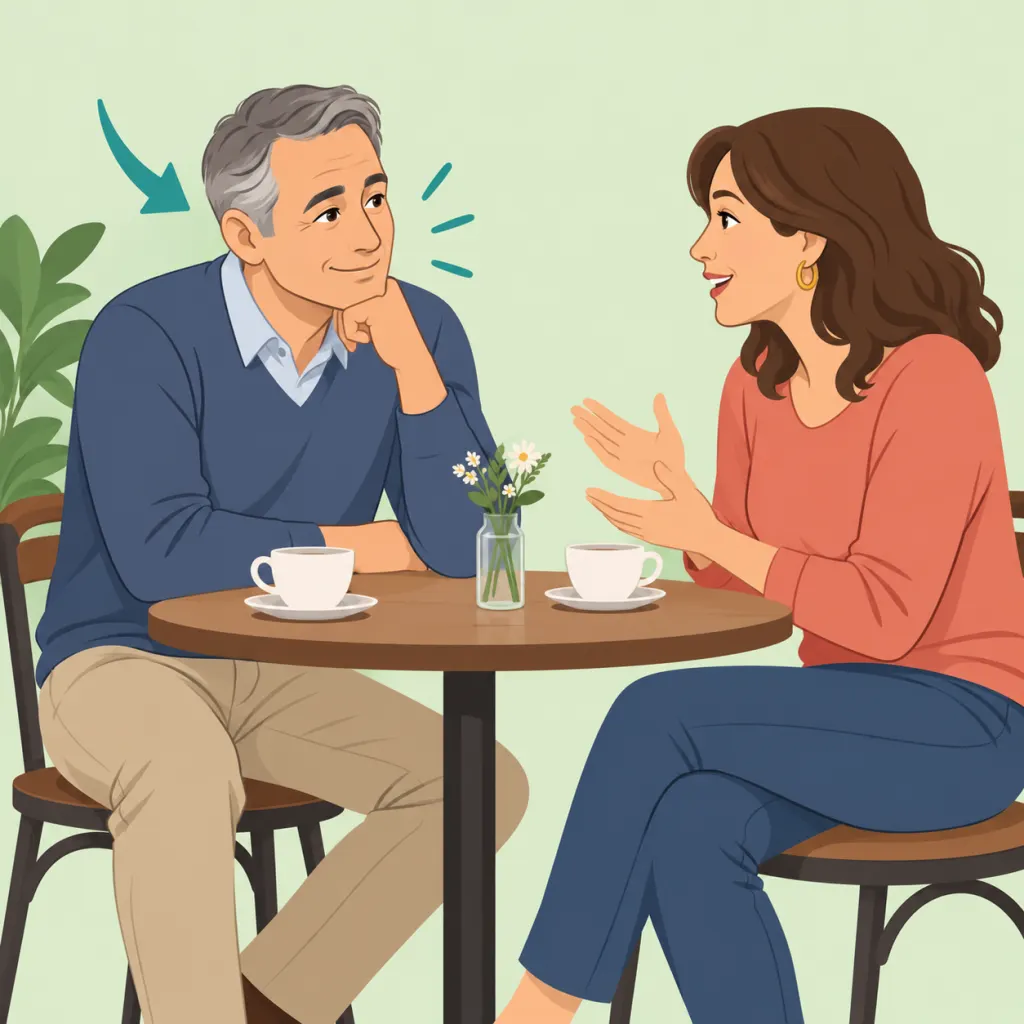
Loyalty speaks louder than romance because it is easier to perform affection for a moment than to practice dependability over time. Flowers, messages, beautiful dinners, and spontaneous plans can be lovely, but they do not answer the deeper question: can this person be trusted with ordinary days, hard conversations, changed plans, and imperfect moods? Research on close relationships points again and again toward commitment, responsiveness, communication, and respect as the sturdier foundation. Romance may open the door. Loyalty is what keeps the home warm after everyone has stopped posing for the picture.
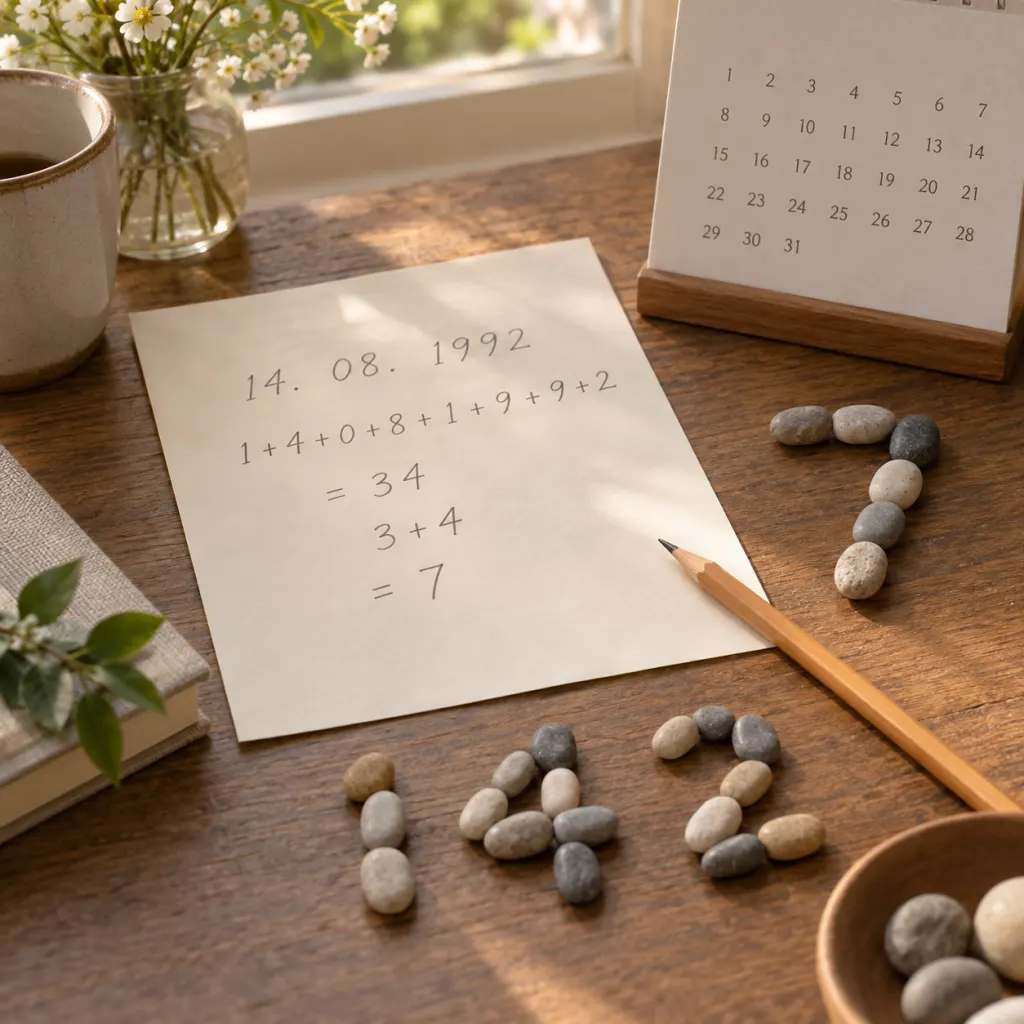
Does a birth month predict a faithful husband?
The image claims that men born in certain months make the most faithful husbands. It supplies no study, method or evidence for that prediction. A birthday is not a useful way to assess a partner’s honesty. The article below looks instead at observable behavior: keeping agreements, communicating clearly and treating a partner respectfully. No list of “faithful months” is offered as fact.
What Loyalty Means in a Relationship
In this context, loyalty is not blind agreement, possession, or staying quiet to keep the peace. It is a chosen pattern of care. A loyal partner is not perfect, but they are oriented toward the relationship’s well-being: they tell the truth, keep reasonable promises, speak about the relationship with respect, and make room for the other person’s needs without erasing their own. Youth.gov describes healthy relationships as ones marked by mutual respect, trust, honesty, compromise, individuality, good communication, and understanding, which is a useful plain-language map for what loyalty looks like in daily behavior https://youth.gov/youth-topics/teen-dating-violence/characteristics.
Romance often announces itself in visible moments. Loyalty is quieter. It is the person who checks whether the plan still works for you, remembers what matters after the occasion has passed, and does not treat your vulnerability as a bargaining chip later. It includes fidelity for couples who have agreed to exclusivity, but it is broader than that. Loyalty also includes emotional steadiness, fair conflict, protection of privacy, and the willingness to keep learning who the other person is as seasons change.
Romance Is a Signal; Loyalty Is a Pattern
Romantic gestures can absolutely matter. They create delight, mark milestones, and remind two people that the relationship is more than logistics. The problem comes when romance is asked to carry a weight it was never built to carry. A surprise dinner can be touching, but it does not repair months of dismissive listening. A beautiful anniversary post can be sweet, but it does not replace the harder work of being dependable when no one is watching. Romance is a signal. Loyalty is a pattern, and patterns reveal character more clearly than single events do.
- Romance says, “I thought of you today.”
- Loyalty says, “I keep thinking of us when choices are inconvenient.”
- Romance says, “This moment matters.”
- Loyalty says, “Your trust matters even when the moment is private.”
- Romance says, “I want closeness.”
- Loyalty says, “I will act in ways that make closeness safe.”
What Research Suggests About Commitment
A large study of unmarried adults in romantic relationships separated commitment into several forms, including dedication and constraints. The researchers found that more dedication, more material and perceived constraints, and less felt constraint were uniquely associated with a higher likelihood of staying together over eight months https://pmc.ncbi.nlm.nih.gov/articles/PMC2958669/. That distinction matters. Dedication is the part of commitment that feels like “I want to build this.” Constraint can mean shared leases, social pressure, or practical barriers. Loyalty at its best is closer to dedication than to being trapped. It is chosen care, not fear of leaving.
Utah State University Extension’s relationship education model also places intentional choice near the beginning of healthy relationship building. It describes commitment as a decision that can be intentionally grown, along with making the relationship a priority and focusing on a shared future https://extension.usu.edu/relationships/research/marriage-principles-from-a-national-extension-model. That helps explain why loyalty can feel more moving than romance. A romantic act may be a gift; loyal behavior is repeated evidence that the relationship has a place in someone’s real decision-making.
Responsiveness Is Loyalty in Motion
One of the clearest everyday forms of loyalty is responsiveness: listening, validating, caring, and adjusting when the other person has a real need. A 2024 review indexed in PubMed describes gratitude and perceived partner responsiveness as part of a likely growth cycle in close relationships, where responsive behavior can feed gratitude and gratitude can reinforce perceptions of responsiveness https://pubmed.ncbi.nlm.nih.gov/38096781/. Another PubMed-indexed study of couples found that “other-praising” gratitude during recorded conversations was positively associated with the other partner’s perception that the speaker was responsive, along with warm relational feelings after the interaction https://pubmed.ncbi.nlm.nih.gov/27570582/.
This is where loyalty becomes visible in small moments. It sounds like, “I understand why that bothered you,” not only “you are overreacting.” It looks like putting the phone down during a serious conversation, checking in after a hard day, or changing a plan when a partner has clearly said they are stretched thin. It is not mind reading. It is the habit of taking the other person’s inner life seriously enough to ask, listen, and respond.
The Kitchen-Table Version of Loyalty
On a home-cooking site, loyalty belongs at the table because so many relationships are maintained in ordinary rooms. It is there in the person who notices you have not eaten much, the friend who brings dinner without making a performance of it, and the partner who cleans up after the meal because care is not only in the candlelight. Sometimes loyalty looks like making a familiar dinner such as Crunchy Oven Baked Chicken Tenders on a chaotic night because predictability itself can be tender. Sometimes it looks like remembering a small celebration with Birthday Cake Cupcakes Small Batch, not because dessert fixes everything, but because attention says, “your day matters here.”
This is why everyday rituals can carry more emotional meaning than expensive displays. A weekly meal, a shared walk, a morning coffee, or a few uninterrupted minutes after work can become a container for loyalty. Utah State University Extension notes that frequent positive interactions, shared routines, brief check-ins, and small gestures can help couples maintain closeness and a sense of partnership https://extension.usu.edu/relationships/faq/keeping-your-relationship-alive-all-year-long. The point is not that couples need one perfect ritual. The point is that repeated, modest attention often tells the truth more reliably than occasional spectacle.
Communication Turns Loyalty Into Trust
Loyalty cannot stay healthy if it never speaks. The University of Florida IFAS Extension describes communication as critical to successful relationships and notes that couples communicate about time, money, family, commitment, trust, and intimacy https://ask.ifas.ufl.edu/publication/FY1277. That list is ordinary, almost unglamorous, which is exactly the point. Loyalty is tested in conversations about schedules, money, relatives, expectations, disappointment, and repair. If partners can only be affectionate when nothing is being asked of them, the relationship has charm but little ballast.
Good communication does not mean endless heavy conversations. It means the relationship has enough honesty to handle reality. A loyal person can say, “I was wrong,” “I need a little time before I answer,” “that hurt me,” or “I want to understand what you meant.” They can bring up a problem without turning it into a character attack. They can hear a complaint without immediately treating it as betrayal. In that sense, loyalty is not silence; it is the belief that the relationship deserves truthful, careful speech.
Loyalty Without Self-Erasure
The healthiest loyalty includes boundaries. It does not require a person to give up friendships, privacy, goals, opinions, or dignity to prove devotion. Youth.gov’s list of healthy relationship traits includes individuality, compromise, and good communication, while its list of unhealthy traits includes control, hostility, dishonesty, disrespect, intimidation, and violence https://youth.gov/youth-topics/teen-dating-violence/characteristics. That contrast is essential. Loyalty is not the same as tolerating behavior that makes someone fearful, isolated, or small.
A Practical Loyalty Check
Because loyalty is a pattern, it helps to look for repeated behaviors rather than dramatic claims. A person may speak beautifully about devotion, but the question is whether their choices make the relationship more respectful and reliable. A simple check can be useful, not as a scorecard to weaponize, but as a calm reflection tool.
- Reliability: Do promises usually become actions, or do they mostly become explanations?
- Respect: Can both people disagree without contempt, threats, or humiliation?
- Privacy: Are vulnerable details protected rather than used for leverage?
- Repair: After conflict, is there accountability and a real attempt to do better?
- Mutuality: Does care move both ways, or does one person always absorb the cost?
- Freedom: Can each person keep friendships, interests, and a sense of self?
If the answers are mixed, that does not automatically define the relationship. Human beings are inconsistent, tired, defensive, and still learning. But patterns deserve attention. Loyalty grows when both people are willing to notice the weak places honestly and practice different behavior. It shrinks when one person demands trust while repeatedly acting in ways that make trust unreasonable.
When Romance and Loyalty Work Together
The strongest relationships do not have to choose between romance and loyalty. Romance gives color, surprise, celebration, and play. Loyalty gives continuity, trust, and shelter for the less photogenic parts of life. A handwritten note means more when it comes from someone who also listens. A date night feels different when both people know hard topics will not be ignored forever. A public compliment lands more deeply when private behavior matches it.
That is the heart of the phrase. Loyalty speaks louder than romance because loyalty is audible even in silence. It is heard in consistency, in restraint, in care taken with another person’s name when they are not in the room, in the patience to repair, and in the courage to be honest. Romance may say, “I love the feeling of us.” Loyalty says, “I am responsible for how I treat us.” When both are present, love is not only beautiful. It becomes believable.
Wrap-Up
Loyalty is not colder than romance; it is romance given a backbone. It shows up as trustworthiness, respect, responsiveness, communication, and chosen commitment over time. Grand gestures can be meaningful, especially when they are sincere and personal, but their meaning depends on the pattern underneath them. The relationship that lasts is usually not the one with the loudest display. It is the one where care remains visible in ordinary decisions, hard conversations, shared routines, and the steady protection of each person’s dignity.
Frequently Asked Questions
- → Is loyalty more important than romance in every relationship?
Loyalty and romance do different jobs. Romance adds delight, tenderness, and celebration. Loyalty creates trust through repeated respect, honesty, dependability, and care. Most relationships need some version of both, but romance is usually more meaningful when loyal behavior is already present.
- → What does loyalty look like day to day?
Daily loyalty often looks ordinary: following through, speaking respectfully, listening when a partner is upset, protecting private information, making shared decisions fairly, and repairing harm after conflict. It is less about dramatic declarations and more about choices that make trust reasonable.
- → Can someone be loyal without being romantic?
Yes, although many partners still need affection in a form they can feel. A person may be deeply dependable, honest, and committed while showing romance quietly through routines, service, humor, or practical care. The useful question is whether both people feel valued, not whether every gesture looks cinematic.
- → When does loyalty become unhealthy?
Loyalty becomes unhealthy when it asks someone to give up dignity, safety, friendships, privacy, or their own judgment. Healthy loyalty includes respect and boundaries. It should not require fear, isolation, dishonesty, or accepting control as proof of love.
- → How can couples build more loyalty?
Start with small, repeatable behaviors: keep promises realistic, tell the truth sooner, protect each other’s vulnerabilities, make time for check-ins, and handle disagreements without insults. Loyalty grows when care becomes consistent enough for both people to trust the pattern.
References
This content was developed and refined using reliable sources.
- https://pmc.ncbi.nlm.nih.gov/articles/PMC2958669
- https://pubmed.ncbi.nlm.nih.gov/38096781
- https://pubmed.ncbi.nlm.nih.gov/27570582
- https://extension.usu.edu/relationships/research/marriage-principles-from-a-national-extension-model
- https://extension.usu.edu/relationships/faq/keeping-your-relationship-alive-all-year-long
- https://ask.ifas.ufl.edu/publication/FY1277
- https://youth.gov/youth-topics/teen-dating-violence/characteristics