 Save
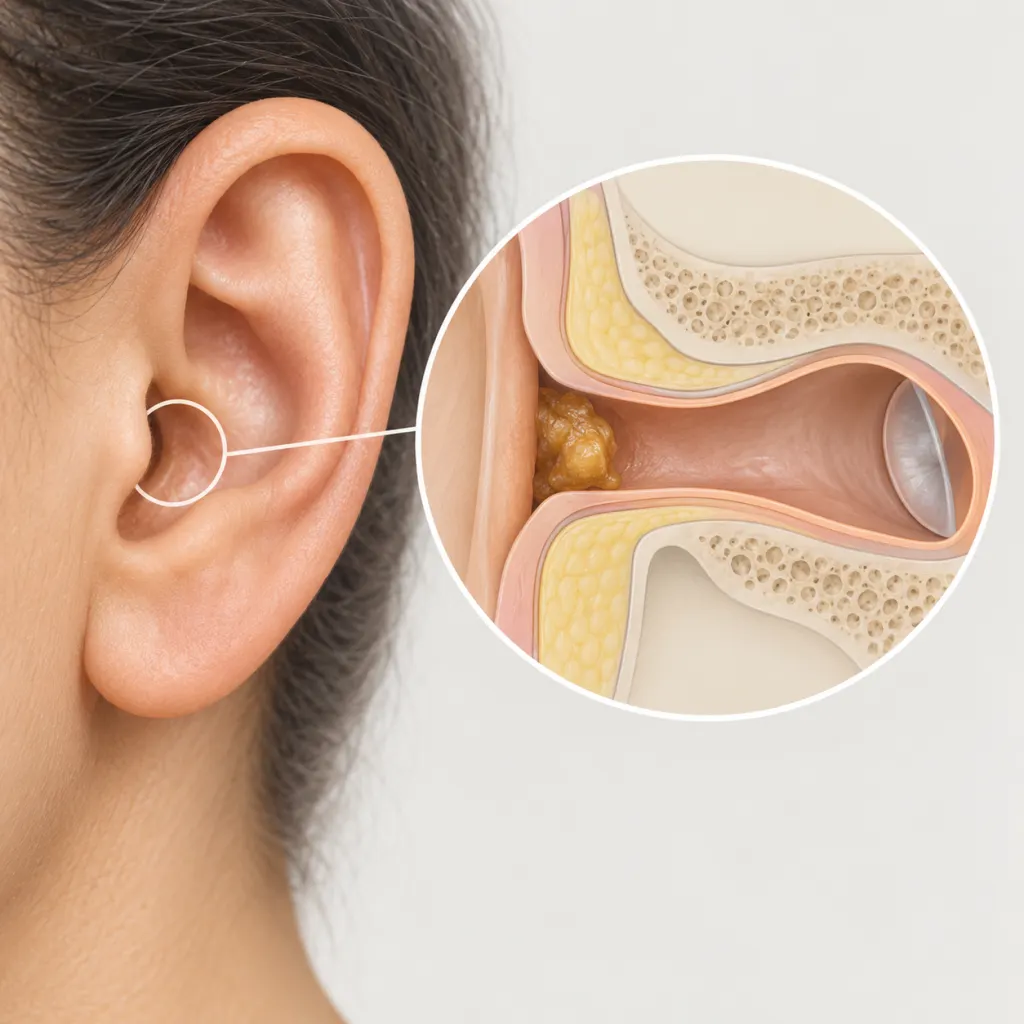
Ear drops can sometimes help when hearing feels muffled because earwax is blocking the ear canal, but they are not a general fix for hearing loss. Earwax blockage is a common reason sound seems dulled, and MedlinePlus notes that wax can build up, harden, and partly block hearing through the canal https://www.medlineplus.gov/ency/article/000979.htm. Other hearing changes may involve the middle ear, inner ear, age-related changes, noise exposure, infection, or a hole in the eardrum. Those situations need a different kind of evaluation. The safest takeaway is simple: ear drops belong in the narrow lane of wax softening or clinician-directed ear care, not as a promise that hearing will return to normal. If hearing changes are sudden, one-sided, painful, or paired with drainage, fever, ringing, spinning dizziness, or a recent injury, do not wait on a home approach.
Why a Drop-Based Claim Sounds Persuasive
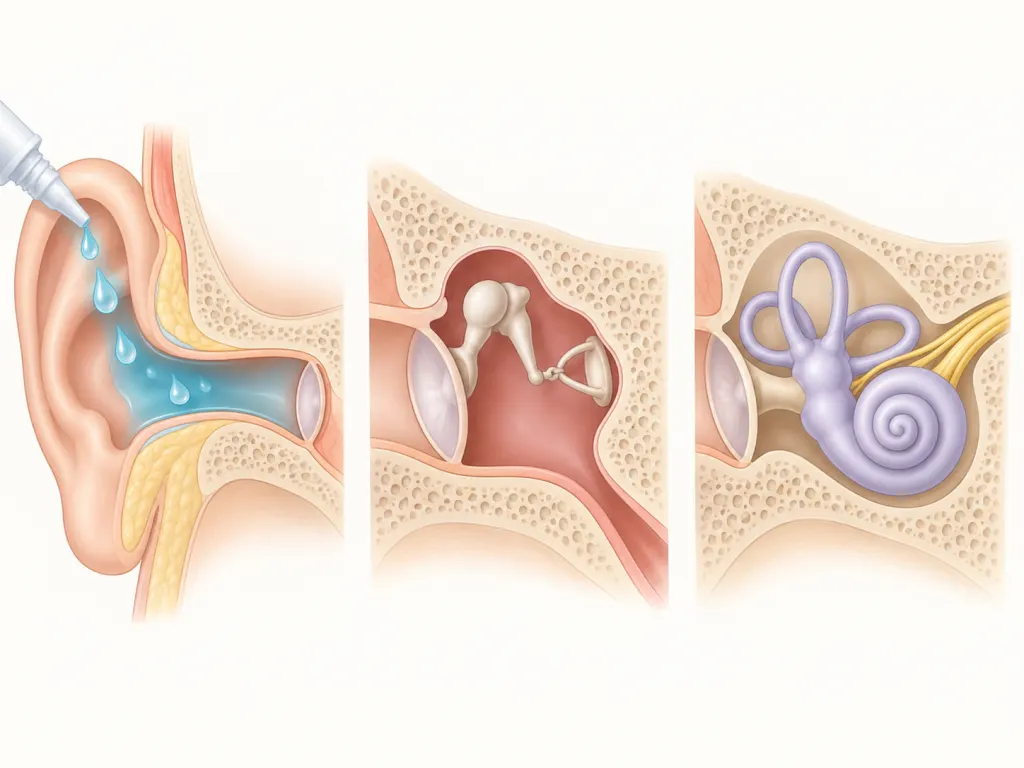
Claims about simple ear drops often feel believable because earwax really can make hearing seem blocked. The ear canal is a small passage, so a plug of wax can interrupt how sound travels toward the eardrum. That is a conductive problem, meaning sound is being physically blocked before it reaches deeper hearing structures. The FDA describes conductive hearing loss as a problem in the outer or middle ear, with possible causes such as earwax, middle-ear fluid, or a punctured eardrum https://www.fda.gov/medical-devices/hearing-aids/hearing-loss. In that specific wax-related scenario, softening wax may make professional or natural clearing easier. The mistake is turning that narrow fact into a broad promise. Hearing depends on the ear canal, eardrum, tiny middle-ear bones, cochlea, hearing nerve, and brain pathways. A liquid placed in the ear canal cannot tell which part is involved, and it cannot evaluate whether the problem is wax, fluid, inner-ear damage, or something more urgent.
Another reason these claims spread is that symptoms overlap. Earwax can cause fullness, ringing, discomfort, dizziness, and partial hearing loss. So can other ear and hearing conditions. Mayo Clinic warns that symptoms such as earache or hearing loss do not always prove wax buildup, because another health issue may need attention https://www.mayoclinic.org/diseases-conditions/earwax-blockage/symptoms-causes/syc-20353004. That uncertainty matters. If a person assumes wax when the real issue is sudden inner-ear hearing loss, a ruptured eardrum, infection, or another condition, time can be lost. A careful article should not turn ear drops into a dramatic before-and-after story. It should help readers decide whether wax is plausible, whether home ear care is reasonable, and when a professional look inside the ear is the better next step.

What Ear Drops Can Reasonably Do
Over-the-counter ear drops used for wax are usually meant to soften earwax so it can move outward more easily or be removed more safely by a professional. MedlinePlus lists several wax-softening options, including commercial ear drops, glycerin, mineral oil, baby oil, and water, while also advising people to ask a provider before irrigating on their own https://www.medlineplus.gov/ency/article/000979.htm. The goal is mechanical: soften a blockage in the outer canal. That is very different from changing how the inner ear or hearing nerve works. When wax is the true cause, hearing may seem clearer after the blockage is cleared. When wax is not the cause, drops may do little or may irritate an already sensitive ear.
A practical way to think about ear drops is to separate possible wax signs from warning signs. Wax is more likely when the ear feels gradually plugged, symptoms follow heavy earbud or hearing-aid use, or the person has a known pattern of wax buildup. Even then, no one can confirm an impaction without looking into the ear. Drops are a poor first step when there is significant pain, drainage, a recent ear procedure, a known or suspected eardrum hole, sudden hearing change, or severe dizziness. MedlinePlus specifically cautions against using drops or irrigation if the eardrum may have a hole or if there has been recent ear surgery https://www.medlineplus.gov/ency/article/000979.htm.
Before putting anything in the ear, consider these safer checkpoints:
- Check the symptom pattern. Gradual blocked feeling suggests wax more than a sudden overnight change, but it is not proof.
- Read the product label. Use only products intended for ears and follow the label or clinician direction.
- Avoid inserting objects. Cotton swabs, hair pins, and ear picks can push wax deeper or injure the canal.
- Skip drops when the eardrum may be damaged. Pain, drainage, recent surgery, or a past perforation changes the safety picture.
- Get checked if symptoms persist. Ongoing muffled hearing deserves an exam and, when appropriate, a hearing test.
When Drops Are the Wrong First Step
Sudden hearing loss is the clearest reason not to wait. The National Institute on Deafness and Other Communication Disorders says sudden sensorineural hearing loss is a rapid loss of hearing that may happen at once or over a few days, often in one ear, and should be treated as a medical emergency https://www.nidcd.nih.gov/health/sudden-deafness?nav=tw. It can be mistaken for wax, allergies, or sinus trouble, which is why timing matters. If hearing drops suddenly, especially in one ear, a same-day call to a doctor, urgent clinic, emergency department, or ear specialist is more appropriate than trying an ear product at home.
Pain and drainage also change the situation. Fluid, pus-like drainage, blood, odor, fever, or strong ear pain may point to irritation, infection, or an eardrum problem. Cleveland Clinic describes ruptured eardrum symptoms that may include hearing changes, drainage, sudden pain, and tinnitus https://my.clevelandclinic.org/health/diseases/15581-ruptured-eardrum-acutely-perforated-tympanic-membrane. Drops chosen without an exam may not be suitable when the barrier of the eardrum is not intact. The same caution applies after ear surgery, after a head or ear injury, or when a child has ear tubes. In these cases, advice should come from a qualified clinician who can see the ear and match the next step to the actual finding.
How Hearing Problems Differ From Wax Blockage
Hearing loss is not one single problem. The FDA groups it into sensorineural, conductive, and mixed types https://www.fda.gov/medical-devices/hearing-aids/hearing-loss. Conductive hearing loss involves sound not moving well through the outer or middle ear. Wax is one possible cause, but fluid, eardrum changes, or middle-ear problems may also be involved. Sensorineural hearing loss usually involves the inner ear or hearing nerve and may relate to age, noise exposure, illness, injury, certain medicines, or genetics. Mixed hearing loss includes both. Ear drops in the canal only interact with the outer ear, so they are not a meaningful answer for every category.
Age-related hearing loss is especially easy to overlook because it usually develops slowly. NIDCD reports that about 15% of American adults ages 18 and older report some trouble hearing, and the proportion rises with age https://www.nidcd.nih.gov/health/age-related-hearing-loss. A person may first notice that restaurant conversations feel exhausting, high-pitched sounds are less clear, or family members seem to mumble. Those patterns do not rule out wax, but they also do not point only to wax. A hearing evaluation can measure what sounds are being missed and whether one ear is affected more than the other.

What a Hearing Evaluation Can Clarify
A hearing test does more than say whether hearing is normal or reduced. MedlinePlus explains that adult hearing tests can identify the severity of hearing loss, which ear is affected, and whether the pattern is conductive, sensorineural, or mixed https://www.medlineplus.gov/lab-tests/hearing-tests-for-adults/. That information is useful because the next step differs by cause. Wax may call for careful removal. Middle-ear fluid may need clinical follow-up. Inner-ear or nerve-related changes may call for hearing devices, communication support, or specialist care. Guessing from symptoms alone is often unreliable.
An evaluation may begin with a clinician looking into the ear canal with an otoscope. If wax blocks the view, professional removal may be suggested so the eardrum can be seen. If the canal is clear but hearing concerns remain, an audiologist can perform sound-based testing. This is also helpful for people who frequently turn up the television, ask others to repeat themselves, struggle in background noise, or hear better from one side. The goal is not to make the reader anxious. It is to reduce guessing. Once the cause is clearer, choices become more practical and less driven by dramatic online claims.
Everyday Habits That Protect Hearing Better Than Guesswork
Some hearing changes are linked to loud sound exposure over time. NIDCD explains that sounds that are too loud for too long can permanently damage hearing, and that loudness, distance, and time all matter https://www.nidcd.nih.gov/health/how-does-noise-damage-your-hearing. The CDC gives simple protective habits: lower the volume, move away from loud noise, take breaks, avoid noisy activities when possible, and use hearing protection when loud sound cannot be avoided https://www.cdc.gov/hearing-loss/prevention/. These steps are less flashy than a bottle of drops, but they match the way noise risk actually works. They also help people focus on what they can control: volume, distance, time, and protection.
Ear cleaning habits matter too. Wax is not dirt; it is part of the ear's normal self-cleaning system. The outer ear can be wiped with a cloth, but reaching into the canal can push wax deeper or injure delicate skin. Hearing-aid users, earbud users, and people who wear earplugs often may notice more wax-related symptoms because devices can slow the natural outward movement of wax. Cleaning the devices themselves, keeping follow-up appointments, and asking about wax checks can be more useful than frequent deep cleaning. A blocked feeling that keeps returning is a good reason to ask for individualized guidance instead of repeatedly trying new products.
Wrap-Up
Ear drops have a limited, specific role: they may help soften earwax when wax is the likely reason hearing feels blocked. They are not a broad answer for gradual age-related hearing changes, noise-related hearing loss, sudden one-sided hearing loss, drainage, fever, or significant pain. The safest approach is to avoid putting objects into the ear canal, use ear products only as directed, protect hearing from loud sound, and get a professional exam or hearing test when symptoms persist, appear suddenly, or interfere with daily communication.
Frequently Asked Questions
- → Can ear drops help if my hearing suddenly changes?
Sudden hearing loss should be checked promptly by a qualified professional, especially if it affects one ear. NIDCD describes sudden sensorineural hearing loss as a medical emergency, and it can be mistaken for wax or congestion https://www.nidcd.nih.gov/health/sudden-deafness?nav=tw. Do not rely on home ear drops for a sudden change.
- → How can I tell whether muffled hearing is earwax?
You cannot confirm earwax blockage by symptoms alone. Fullness, ringing, discomfort, and muffled hearing may occur with wax, but Mayo Clinic notes that similar symptoms can come from other ear conditions https://www.mayoclinic.org/diseases-conditions/earwax-blockage/symptoms-causes/syc-20353004. An exam can show whether wax is actually blocking the canal.
- → Is it safe to use cotton swabs if my ear feels blocked?
No. MedlinePlus advises against reaching into your own ear canal to clean it because this can push wax deeper and may damage the ear https://www.medlineplus.gov/ency/article/000979.htm. Wipe the outer ear only, and ask a clinician if the blocked feeling persists.
- → What signs mean I should get checked instead of trying drops?
Get checked promptly for sudden hearing loss, significant pain, drainage, fever, spinning dizziness, recent injury, recent ear surgery, a known or suspected eardrum hole, or symptoms in a child. Those details can change what is safe to put in the ear and whether a hearing test or ear exam is needed.
- → Can a hearing test show whether ear drops are relevant?
A hearing test can help identify the type and pattern of hearing loss. MedlinePlus explains that adult hearing tests can show severity, which ear is affected, and whether the pattern is conductive, sensorineural, or mixed https://www.medlineplus.gov/lab-tests/hearing-tests-for-adults/. That makes the next step more specific than guessing from symptoms.
References
This content was developed and refined using reliable sources.
- https://www.medlineplus.gov/ency/article/000979.htm
- https://www.fda.gov/medical-devices/hearing-aids/hearing-loss
- https://www.mayoclinic.org/diseases-conditions/earwax-blockage/symptoms-causes/syc-20353004
- https://www.nidcd.nih.gov/health/sudden-deafness?nav=tw
- https://my.clevelandclinic.org/health/diseases/15581-ruptured-eardrum-acutely-perforated-tympanic-membrane
- https://www.nidcd.nih.gov/health/age-related-hearing-loss
- https://www.medlineplus.gov/lab-tests/hearing-tests-for-adults
- https://www.nidcd.nih.gov/health/how-does-noise-damage-your-hearing
- https://www.cdc.gov/hearing-loss/prevention