 Save
The best home trick for most smelly or mildly slow drains is simple: clear the visible trap area, flush with hot tap water, use gentle mechanical action, and treat baking soda plus vinegar as a deodorizing helper rather than a magic clog remover. Most household drain problems are caused by material that should not be in the pipe in the first place, especially grease, food scraps, hair, soap film, wipes, and other debris. The U.S. Environmental Protection Agency notes that fats, oils, grease, and certain household products can create sewer blockages, so the most effective long-term fix is prevention as much as cleaning EPA.
What This Home Trick Can and Cannot Do
A home drain routine works best when the problem is near the fixture: a kitchen sink that smells after dishwashing, a bathroom basin slowed by hair and soap film, or a tub that drains but leaves a ring of residue. It is less suited to a drain that is fully blocked, a line that gurgles across several rooms, or any backup that looks or smells like sewage. Those signs suggest a deeper blockage, venting issue, root intrusion, or a main-line problem. EPA lists sewer blockages, tree roots, line defects, and improper materials in sewers among causes of sanitary sewer overflow problems, which is a useful reminder that a household drain is part of a larger system, not just a hole under the sink EPA.
The Three-Part Routine
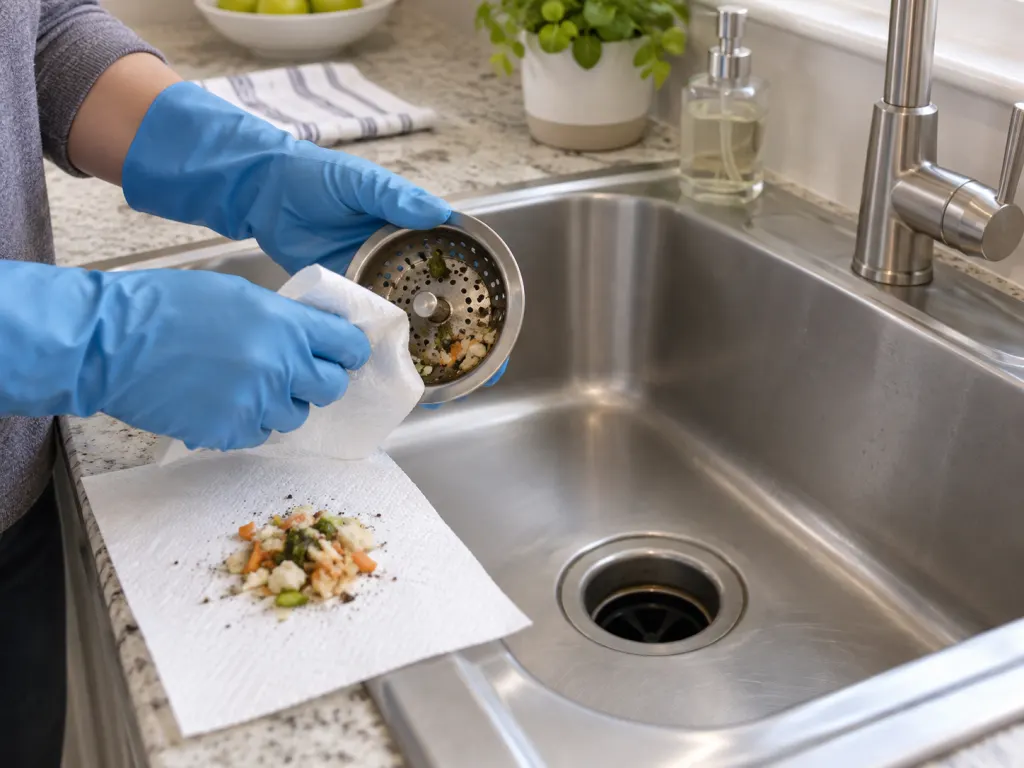
Think of drain cleaning in three parts: remove what you can reach, move water through the line, then reduce what feeds the next clog. Put on cleaning gloves, lift out the stopper or strainer if it is designed to be removable, and wipe away hair, food pieces, and greasy film with paper towels that go into the trash. Run hot tap water for a minute if the pipe is moving at all. For a sink or tub that is still slow, use a cup plunger with enough water to cover the rubber cup; short, steady plunges often move a soft obstruction better than another pour-in product.
- Kitchen sink: Wipe grease from pans before washing, use a sink strainer, and put coffee grounds and food scraps in the trash or compost where appropriate.
- Bathroom sink: Remove hair from the stopper area regularly and clean toothpaste residue before it hardens around the drain opening.
- Tub or shower: Use a hair catcher, clean it after showers, and use a small plastic or hand-cranked drain tool for reachable hair clumps.
- Toilet: Flush only toilet paper and human waste; EPA gives the same basic rule for septic systems and warns that many other materials can clog or harm the system EPA.
Where Baking Soda and Vinegar Fit
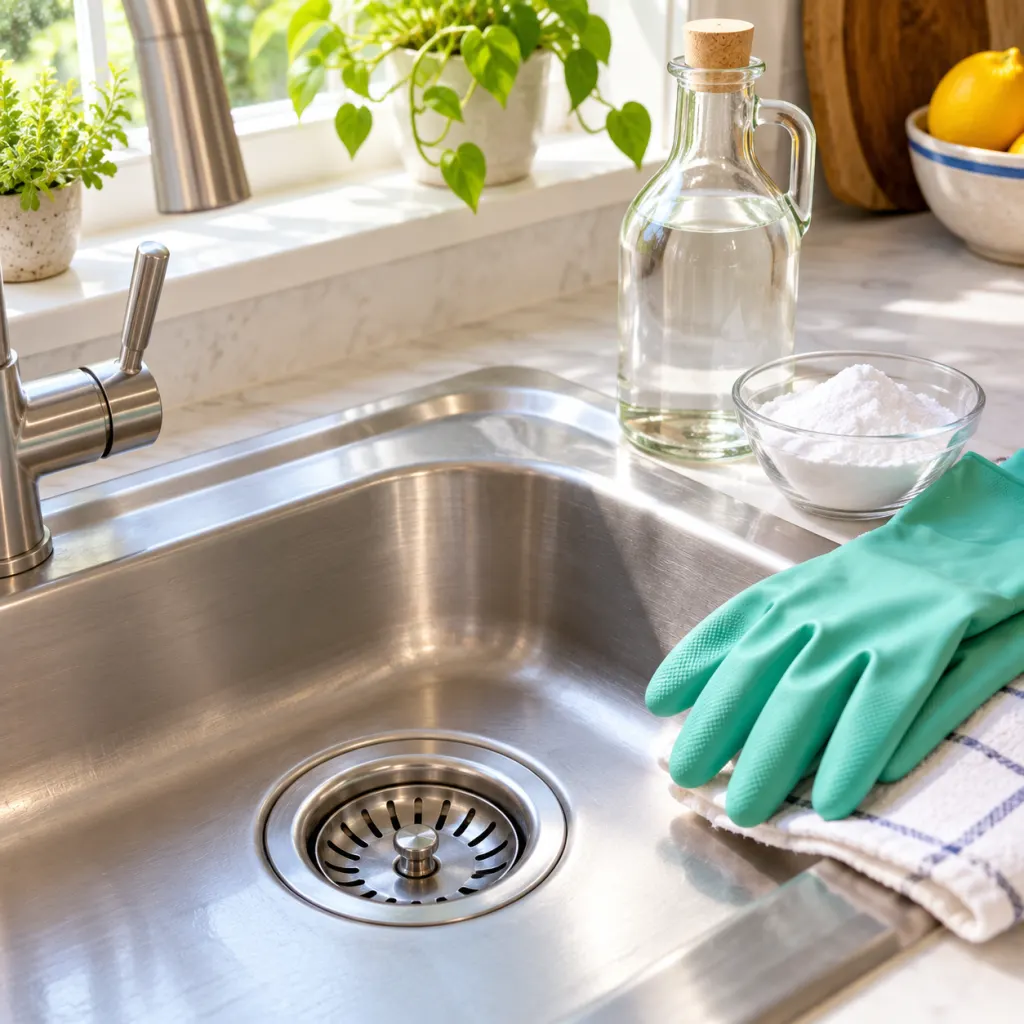
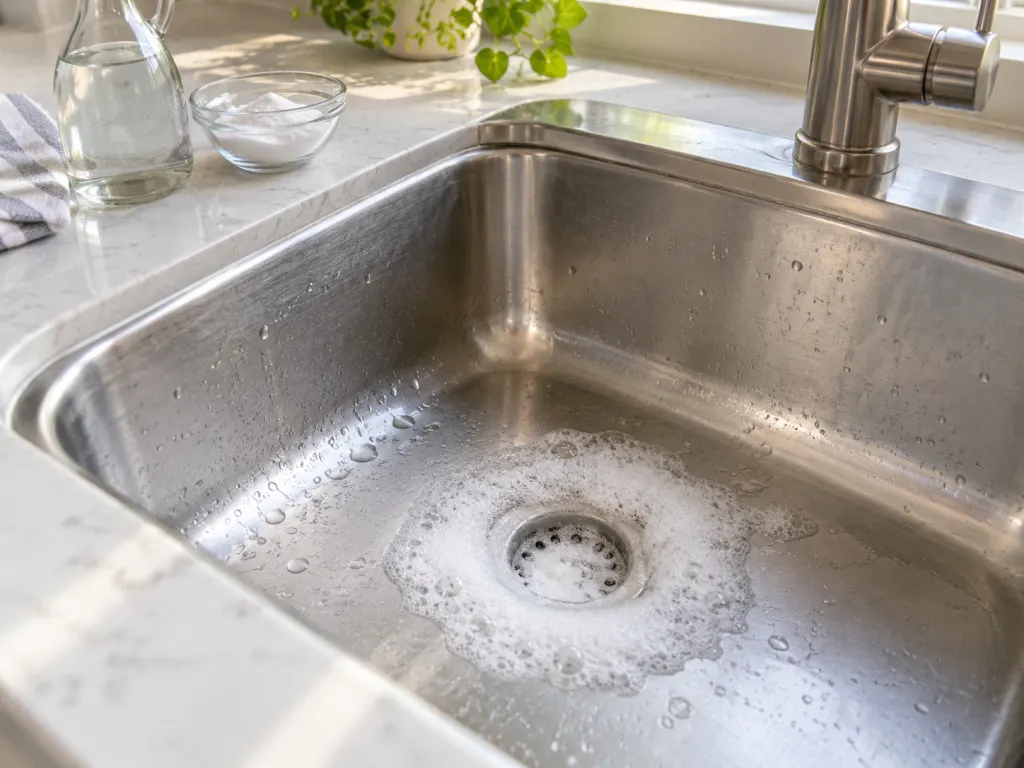
Baking soda and vinegar can be useful for a drain that smells stale but still flows. Sprinkle a small amount of baking soda around the drain opening, add white vinegar slowly, let the fizz settle for several minutes, then flush with hot tap water. Utah State University Extension describes baking soda as useful for odor control and vinegar as an acidic cleaner that can help with some buildup, while also cautioning that homemade formulas are not guaranteed for every job USU Extension. In practical terms, this pairing is better as maintenance after debris is removed than as a rescue for a drain full of compacted hair, grease, or foreign objects.
Why the Fizz Is Not the Whole Fix
The fizz looks powerful because it is a real chemical reaction. The American Chemical Society explains that vinegar and baking soda react to form sodium acetate, water, and carbon dioxide gas ACS. That bubbling can loosen a thin surface film and help move odors out of the drain opening, but it does not mean the mixture is dissolving a dense clog several feet down the line. If the drain barely moves before the fizz, use a plunger or a small auger before repeating the mixture. A physical clog usually needs physical removal.
What Not to Pour Down the Drain
The most helpful drain habit is also the least glamorous: do not feed the clog. EPA advises people with septic systems not to pour grease, oils, coffee grounds, drain cleaners, household chemicals, paint products, or pesticides down the drain, and the same caution is sensible for many homes connected to municipal sewer systems EPA. Grease may go down as a warm liquid, then cool, coat the pipe wall, and trap crumbs. Coffee grounds do not dissolve like sugar. Wipes marketed as convenient can still behave like fabric in plumbing. A garbage disposal is not a pipe-cleaning machine; it only chops waste small enough to enter the line, where too much solid material can still accumulate.
Use Chemical Products Carefully
Commercial drain openers are not all the same, and some contain highly caustic ingredients. The Consumer Product Safety Commission has warned about sodium hydroxide products because of chemical burn and skin or eye irritation risks when packaging or labeling is inadequate CPSC. If you choose a store-bought drain product, read the label first, use only the amount directed, keep it away from children, and do not follow it with a different cleaner. If a product has already been poured into a drain and the line remains blocked, tell the plumber before anyone opens the trap or cable-cleans the pipe.
Never Mix Drain Cleaners With Other Cleaners
Do not combine bleach, ammonia, vinegar, disinfectants, or drain openers in a drain. CDC guidance on bleach says household bleach or disinfectants should not be mixed with other cleaners because dangerous vapors can be released, and CDC also advises ventilation and appropriate protective gear when bleach is used CDC. CDC’s ammonia fact sheet gives the same broad rule: do not mix household cleaners, and move to fresh air and get help if a chemical release happens indoors CDC. For drain care, that means one method at a time, with plenty of rinsing water between ordinary maintenance steps, and no experiments in the pipe.
When a Plunger Helps More Than a Pour
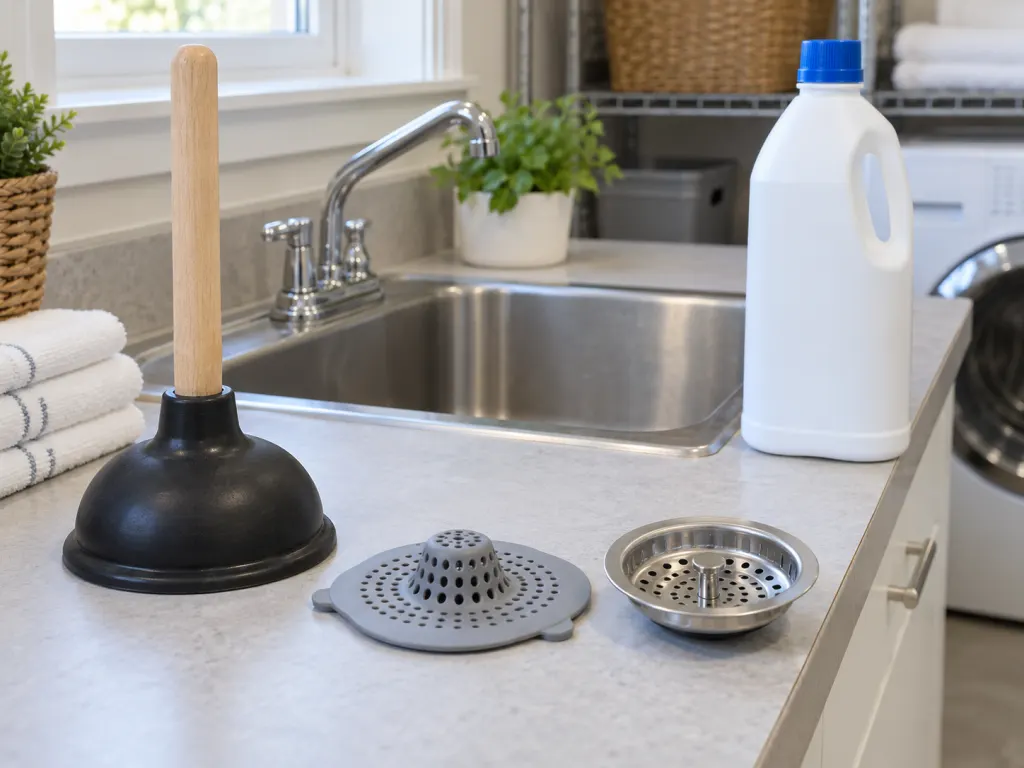
A plunger is underrated because it changes pressure in the line instead of asking a liquid to guess where the clog is. Block the overflow opening on a bathroom sink or tub with a damp cloth, keep enough water in the basin to cover the plunger cup, and press in short, controlled strokes. Lift the plunger occasionally to see whether water drains freely. If the drain improves, run hot tap water for a few minutes and clean the strainer. If water rises in another fixture while plunging, stop; that can point to a shared line problem.
How to Keep Odors From Coming Back
Odor control is mostly routine. Run water in rarely used sinks, tubs, laundry drains, or floor drains so the trap does not dry out. Clean strainers before residue hardens. Rinse kitchen drains after washing greasy dishes, but put wiped grease in the trash rather than relying on hot water to carry it away. If a drain smells musty after a long vacancy, a hot-water flush and careful cleaning around the stopper may be enough. If a sewer smell persists, do not mask it with fragrance; check whether the trap has water, look for leaks under the cabinet, and consider professional inspection.
Special Notes for Septic Systems
If your home has a septic system, be more conservative with what enters drains. EPA says septic system owners are responsible for proper use and maintenance, and it recommends inspection every 1 to 3 years and pumping generally every 3 to 5 years, depending on system and household conditions EPA. A septic-safe drain routine leans heavily on prevention, strainers, plungers, and modest water flushing. Avoid routine use of chemical additives or strong drain openers unless a qualified septic professional says they are appropriate for your specific system.
When to Stop and Call a Plumber
Call a licensed plumber when several drains slow at once, water backs up into a tub or shower when another fixture runs, the same drain clogs repeatedly, you hear persistent gurgling, or there is any sewage backup. Also call if an object fell into the drain, if you suspect roots, or if the pipe is older metal that may be fragile. Repeatedly forcing tools or chemicals into a line can turn a small service call into a damaged trap, leaking joint, or contaminated cleanup. The dividing line is simple: home care is for light, local, reachable buildup; professional work is for blocked, recurring, hidden, or system-wide problems.
A Simple Maintenance Schedule
Once a week, empty strainers and wipe visible residue from drain openings. Once or twice a month, flush active sink and tub drains with hot tap water and clean the stopper assembly if it is removable. Use the baking soda and vinegar routine only as a light freshening step, not as a substitute for removing debris. In the kitchen, let pans cool, scrape or wipe grease into the trash, and keep a small container for used cooking fat if your local waste guidance allows it. In bathrooms, a hair catcher does more for your pipes than any scented product. The goal is not to sterilize plumbing; it is to keep water moving, reduce odor sources, and avoid sending problem materials into the line.
Wrap-Up
A good drain-cleaning trick is practical, not dramatic. Start by removing reachable debris, use hot tap water and a plunger for slow flow, and reserve baking soda plus vinegar for light freshening. The lasting fix is prevention: keep grease, coffee grounds, wipes, excess food waste, and harsh chemical combinations out of drains. If a clog repeats, affects multiple fixtures, or comes with backup or sewer odor that does not resolve, stop the home routine and bring in a plumber.
Frequently Asked Questions
- → Is baking soda and vinegar enough to unclog a drain?
It may freshen a drain and loosen light residue near the opening, but it is not dependable for a packed clog. Remove reachable debris first, then try a plunger or small drain tool if water still moves slowly.
- → Can I pour boiling water down every drain?
Use hot tap water as the safer default, especially when you do not know the pipe material or the condition of the joints. Very hot water can be useful in some kitchen situations, but it should not be treated as a universal pipe-care method.
- → What should never go down a kitchen drain?
Keep grease, oils, coffee grounds, large food scraps, paint products, pesticides, and harsh household chemicals out of the drain. EPA gives similar advice for septic systems because these materials can clog pipes or affect wastewater systems.
- → Can I mix bleach with vinegar in a drain?
No. Do not mix bleach, vinegar, ammonia, disinfectants, or drain cleaners. CDC warns that bleach and disinfectants should not be combined with other cleaners because dangerous vapors can be released.
- → When is a drain problem too serious for a home trick?
Call a plumber if multiple fixtures are slow, water backs up into another drain, the clog keeps returning, there is sewage backup, or you suspect a main-line problem. Those situations are beyond routine freshening and light debris removal.
References
This content was developed and refined using reliable sources.
- https://www.epa.gov/npdes/sanitary-sewer-overflow-sso-frequent-questions
- https://www.epa.gov/septic/frequent-questions-septic-systems
- https://extension.usu.edu/archive/greener-cleaners
- https://www.acs.org/middleschoolchemistry/lessonplans/chapter6/lesson2.html
- https://www.cpsc.gov/Warnings/2024/CPSC-Warns-Consumers-to-Immediately-Stop-Using-Mollys-Products-Sodium-Hydroxide-Due-to-Risk-of-Chemical-Burns-and-Irritation-to-the-Skin-and-Eyes-and-Failure-to-Meet-Child-Resistant-Packaging-Requirements-Sold-Exclusively-at-Walmart-com
- https://www.cdc.gov/hygiene/about/cleaning-and-disinfecting-with-bleach.html
- https://www.cdc.gov/chemical-emergencies/chemical-fact-sheets/ammonia.html